

Unit No78
Shafiqa Ibrahim ‘Ali Nassar
|
Coordinates of the main entrance |
30.039506N - 31.271972E |
|
Attribution |
Shafiqa Ibrahim ‘Ali Nassar |
|
Higri (AH)Dates as given in the Inscription |
1334 |
|
Miladi (AD)Dates as given in the Inscription |
1916 |
|
Inscription Contemporary with the building? |
Yes |
|
Multiple date(s) In the inscription? |
Yes |
|
Assumed Date |
|
|
Based on |
|
|
Original Use |
Funerary enclosure |
|
Current Use |
Funerary enclosure and residential |
|
Overall condition |
Poor |
Features of unit 78
| Present | Count | Material | Comments (see description for details) | |
|---|---|---|---|---|
| Free standing structure | No | |||
| Walled enclosure | Yes | 1 | stone | |
| Rooms by the perimeter wall | Yes | 1 | Burial chamber: interior inaccessible | |
| Freestanding structure(s) in enclousure | No | |||
| Dome over the tomb chamber | No | |||
| Neo-Mamluk architectural decoration | No | |||
| Garden layout | No | |||
| Sabil(s) | Yes | 1 | stone | Sabil window walled up |
| Wall fountain(s) | Yes | 2 | marble | On both sides of the sabil |
| Canopy on columns / pillars | No | |||
| Carved marble cenotaph(s) | No | Interior inaccessible | ||
| Decorated limestone tomb-markers | No | Interior inaccessible | ||
| Decorated gateway | Yes | 2 | stone, plaster | |
| Decorative door-leaves | Yes | 2 | wood | |
| Decorative window grilles | Yes | 2 | iron | |
| Decorative shutters | No | |||
| Painted ceiling(s) | No | Interior inaccessible | ||
| Decorative paving(s) | No | Interior inaccessible |
Description (The direction towards Mecca (Qibla) is described as eastern and other directions are named accordingly)
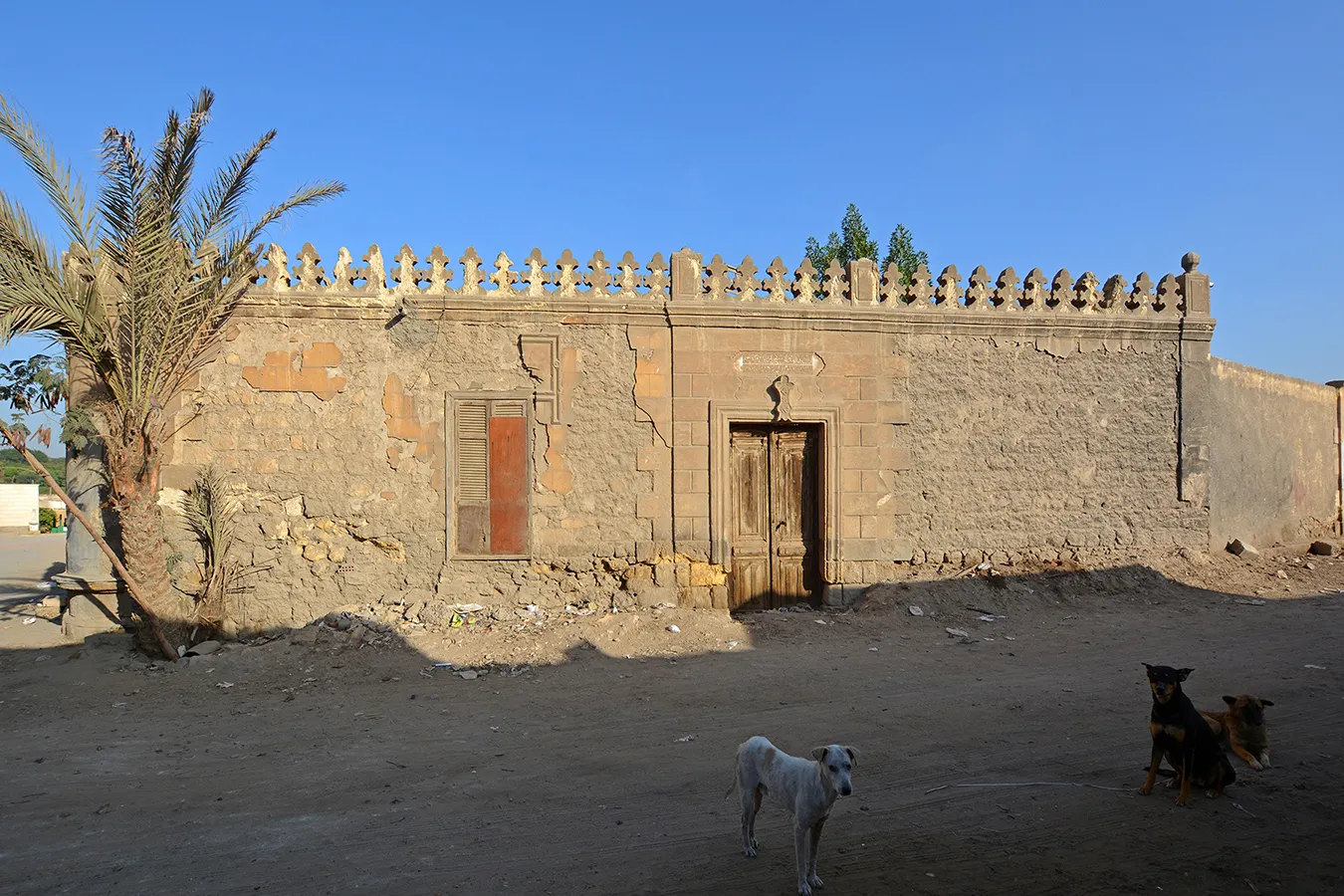
The funerary enclosure occupies a quadrilinear lot measuring approximately 13 x 6 – 14 metres, with western, southern, and northern walls meeting at right angles, and the eastern wall oblique. It faces streets on the southern and eastern sides, and borders on neighbouring funerary enclosures on the other sides.
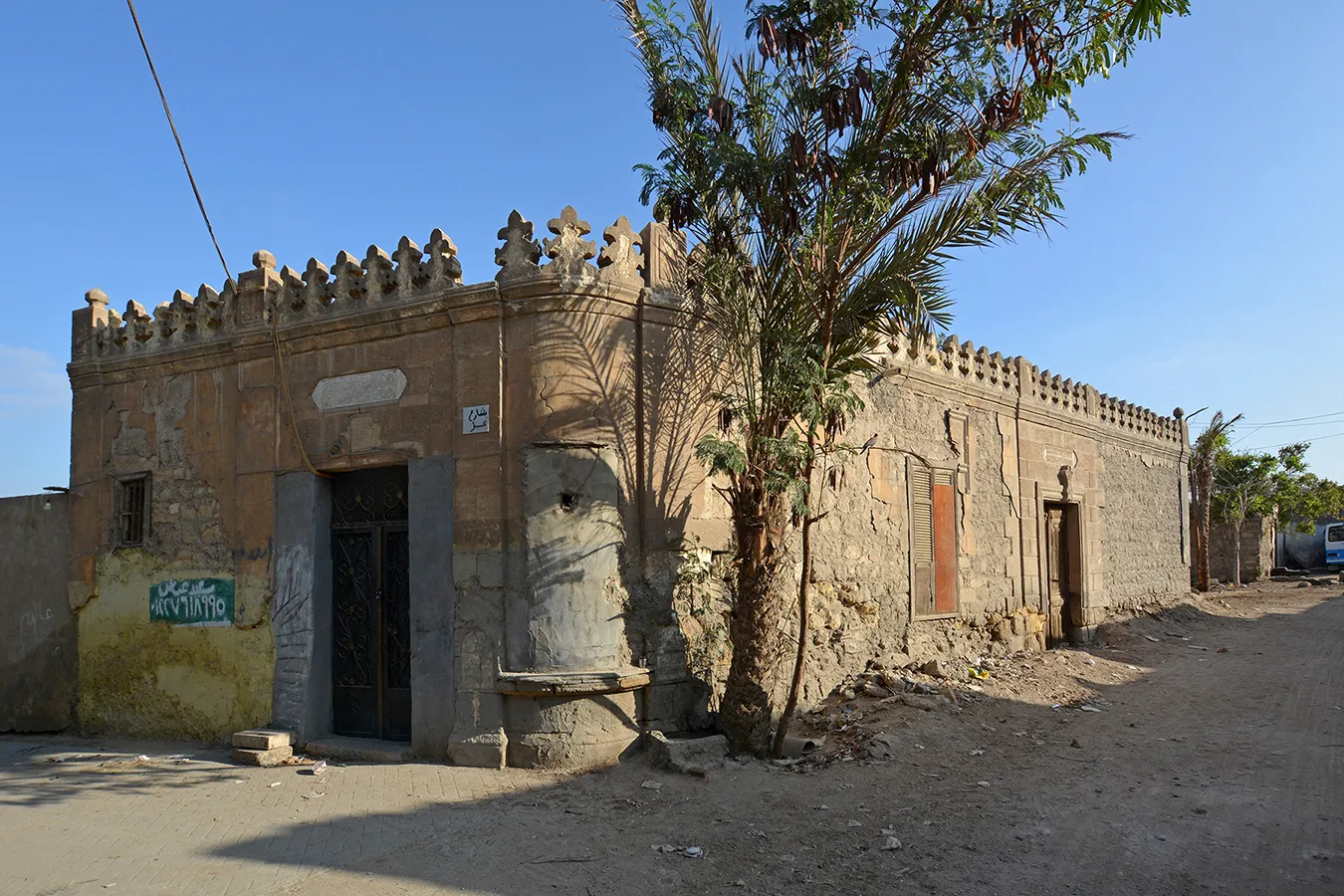
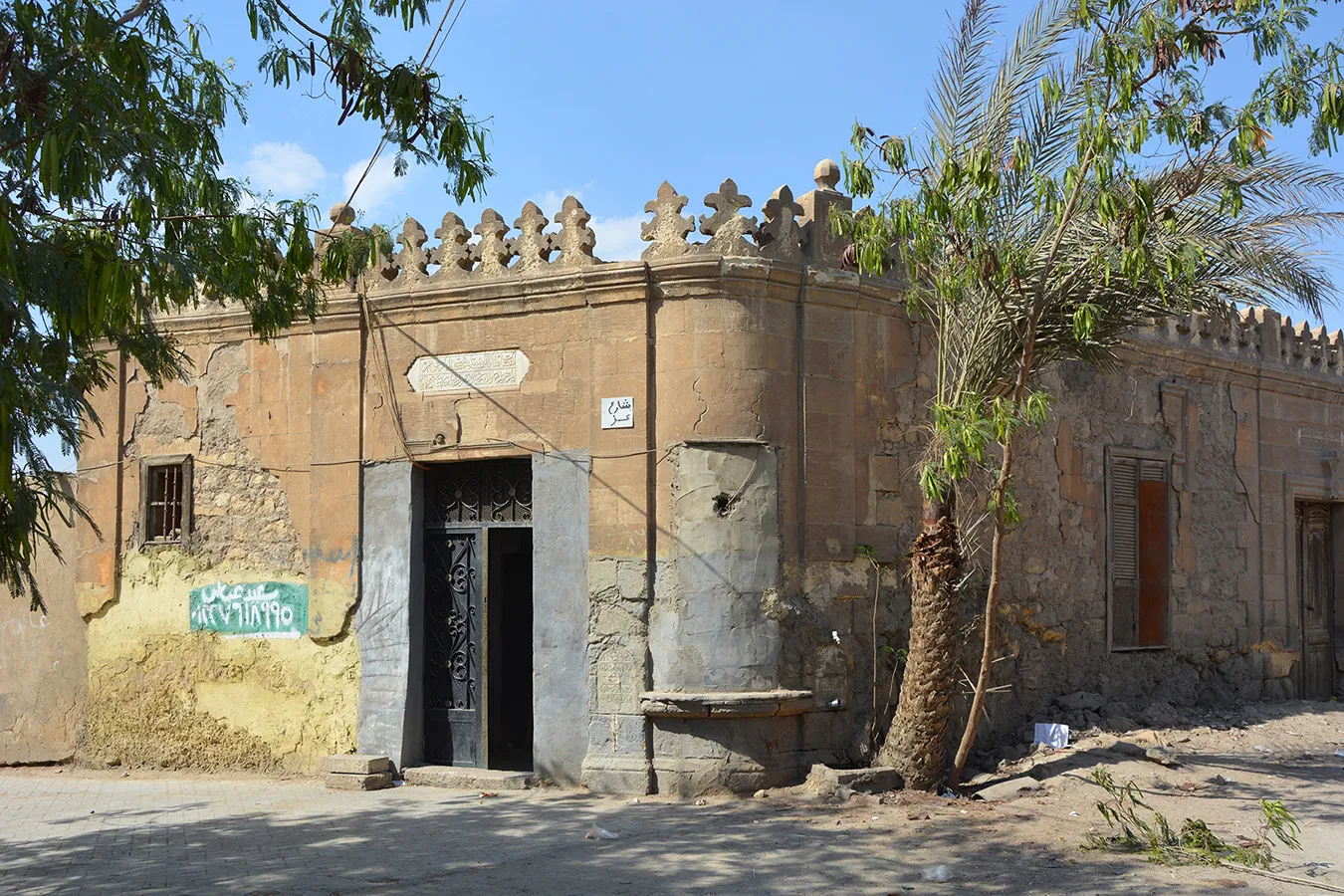
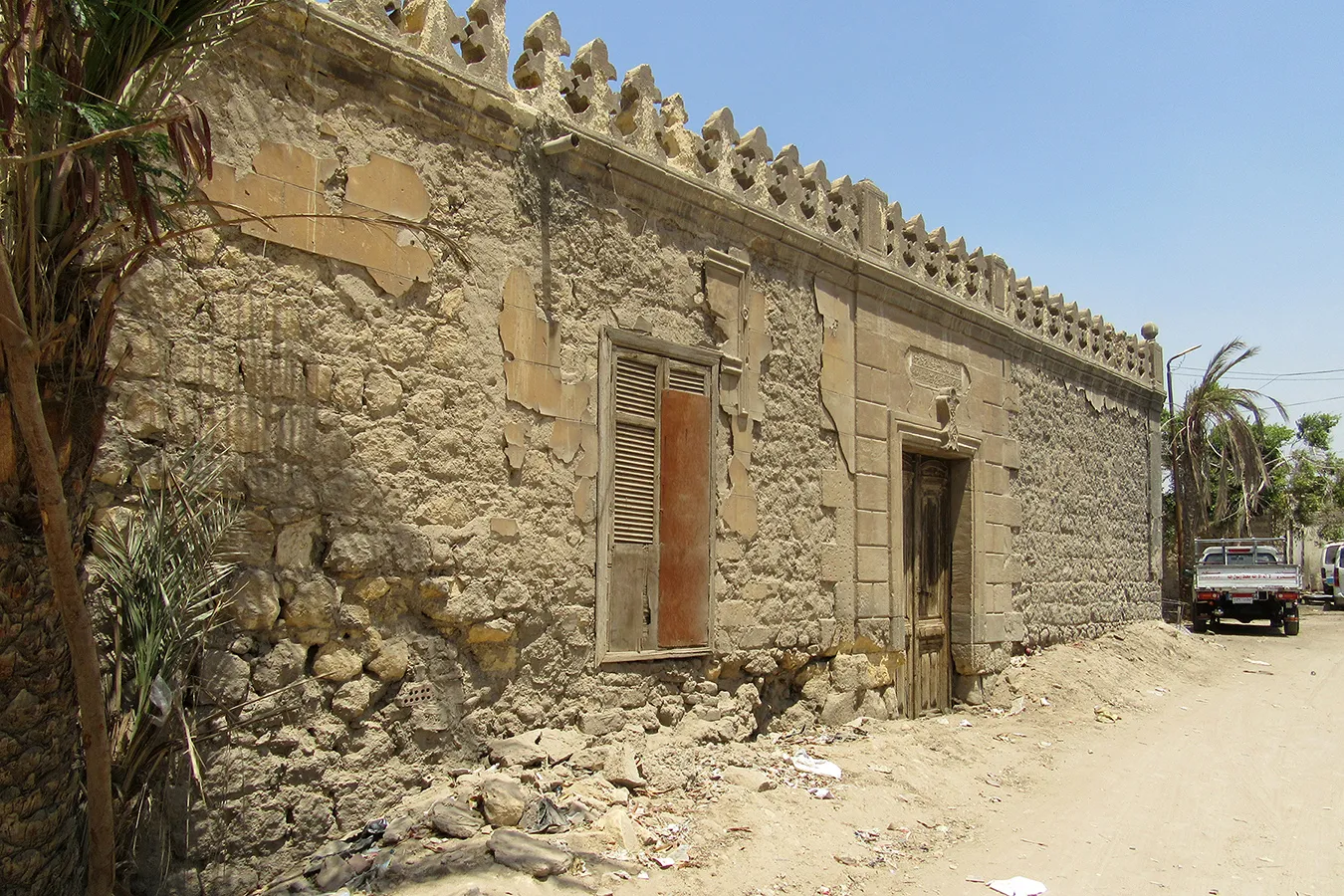
In the southern part of the enclosure is a residential unit accessed through a gate in the southern façade; the north-western corner is taken by a burial chamber, and to the east of it is a small triangular courtyard accessed by a gate in the eastern façade. The corner where the southern and eastern façades meet at an obtuse angle is rounded and contains a sabil window (now walled up). The entrance gates sections corners of the façades and the rounded corner with a sabil are built of ashlar stone masonry, the other walls are built of rubble stone and were originally plastered, with stone courses imitated in plaster. Originally, over the window in the western façade a stone lintel and a relieving arch, and the knotted moulding framing around it were imitated in high-quality plaster; only scant remnants of this decoration remain. The gates are placed off-centre in the façades. In the longer western one there is a single large window asymmetrically placed left of the gate. In the southern façade the gate is placed close to the rounded corner with the sabil; left of the gate is a single small window of a service room.
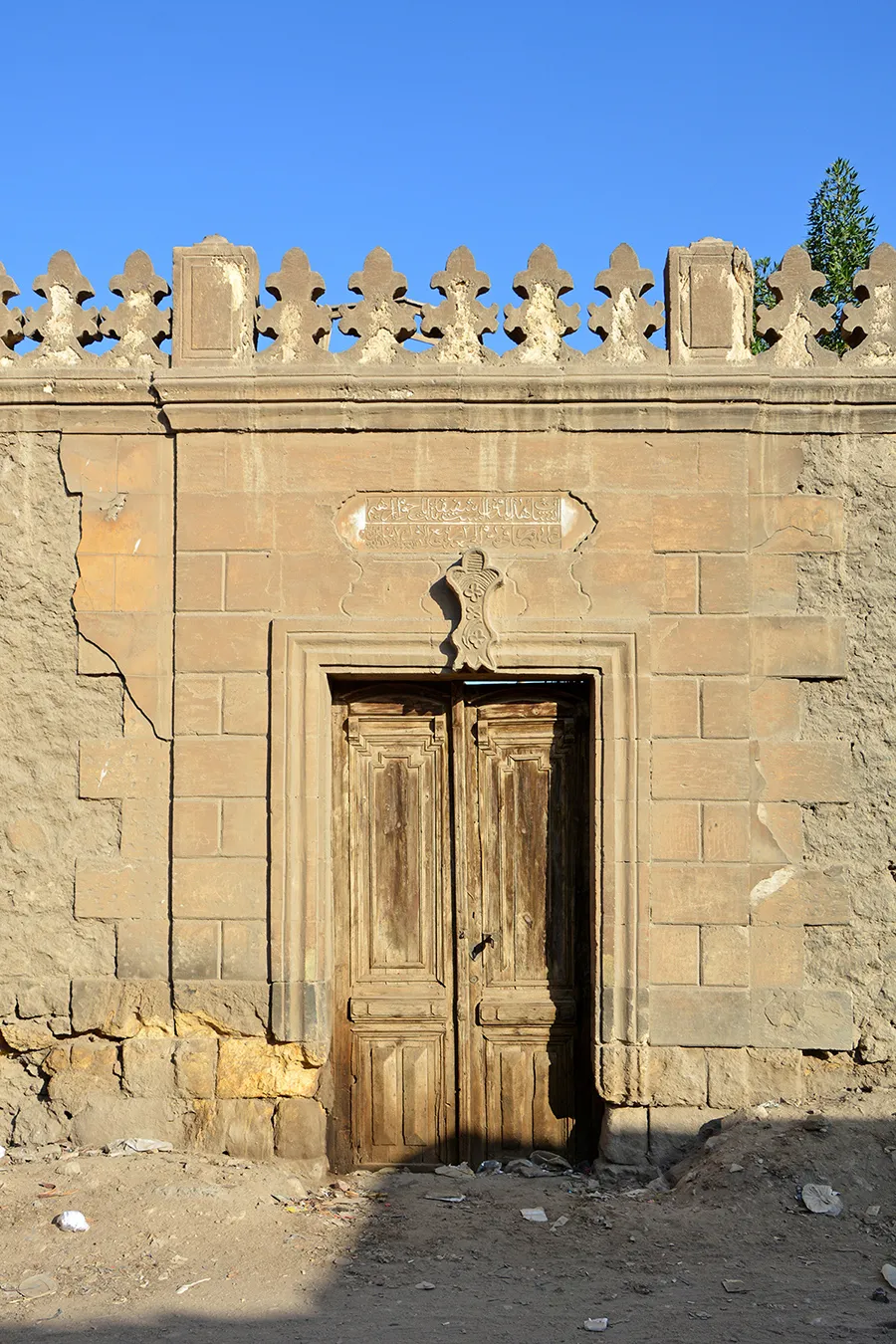
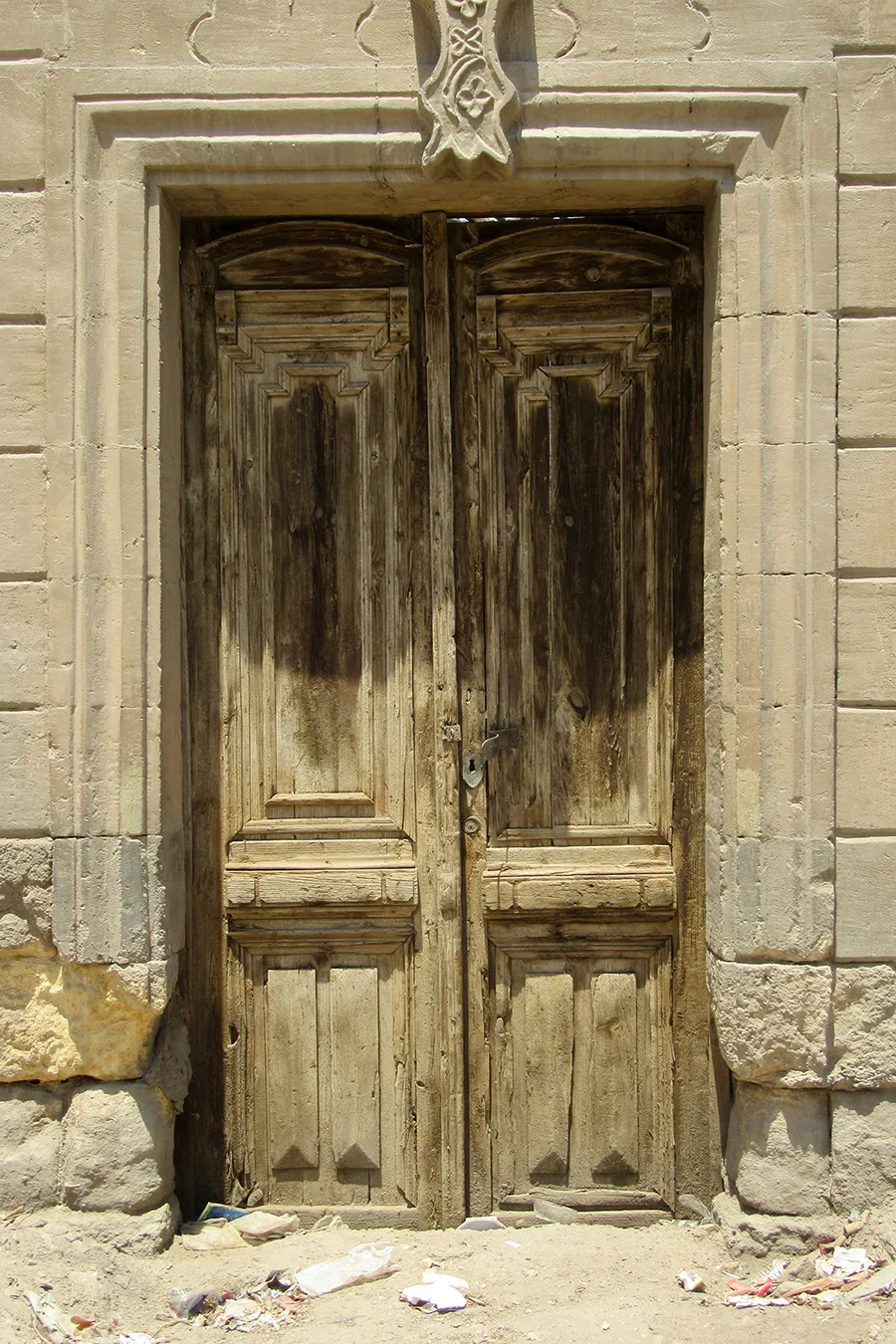
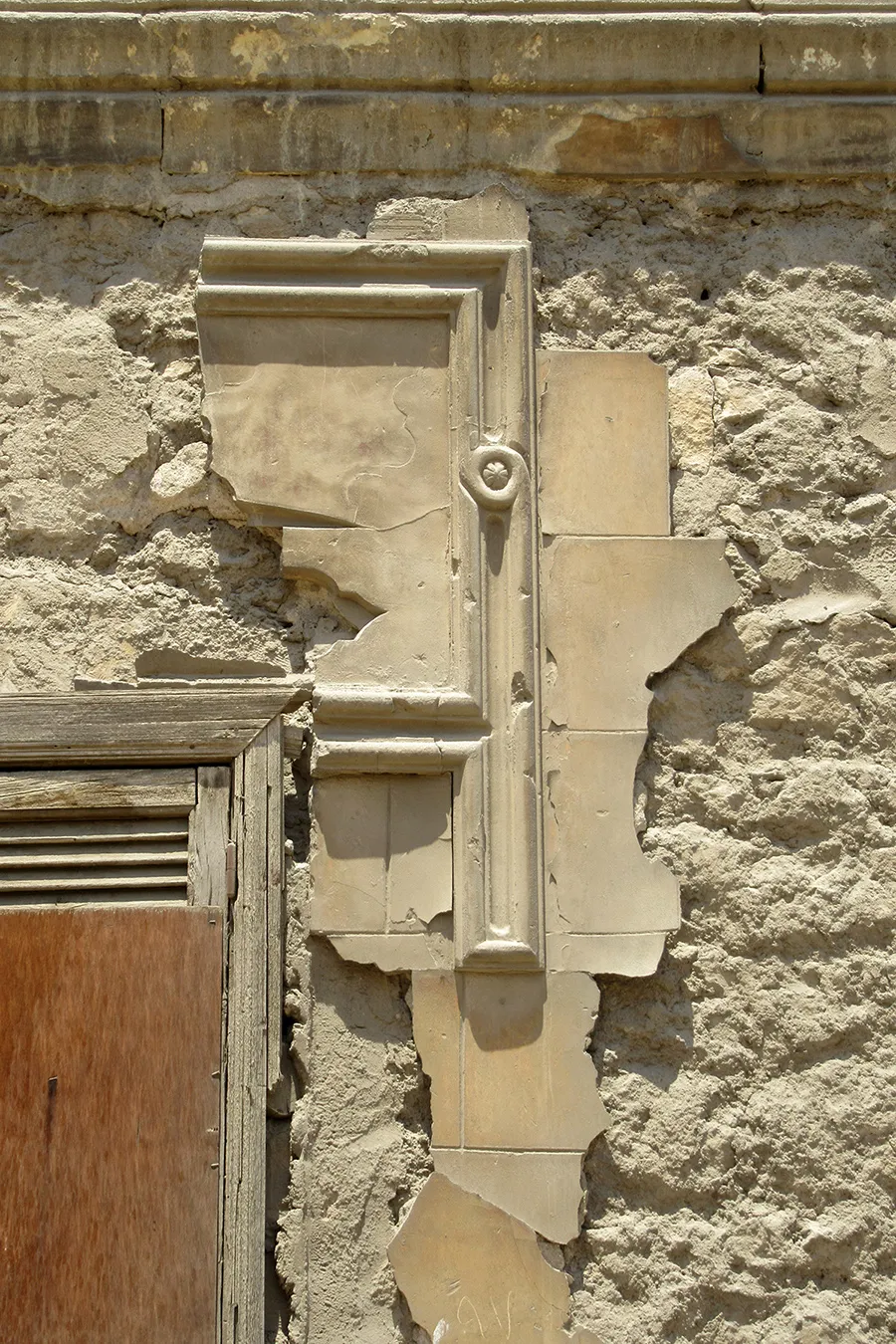
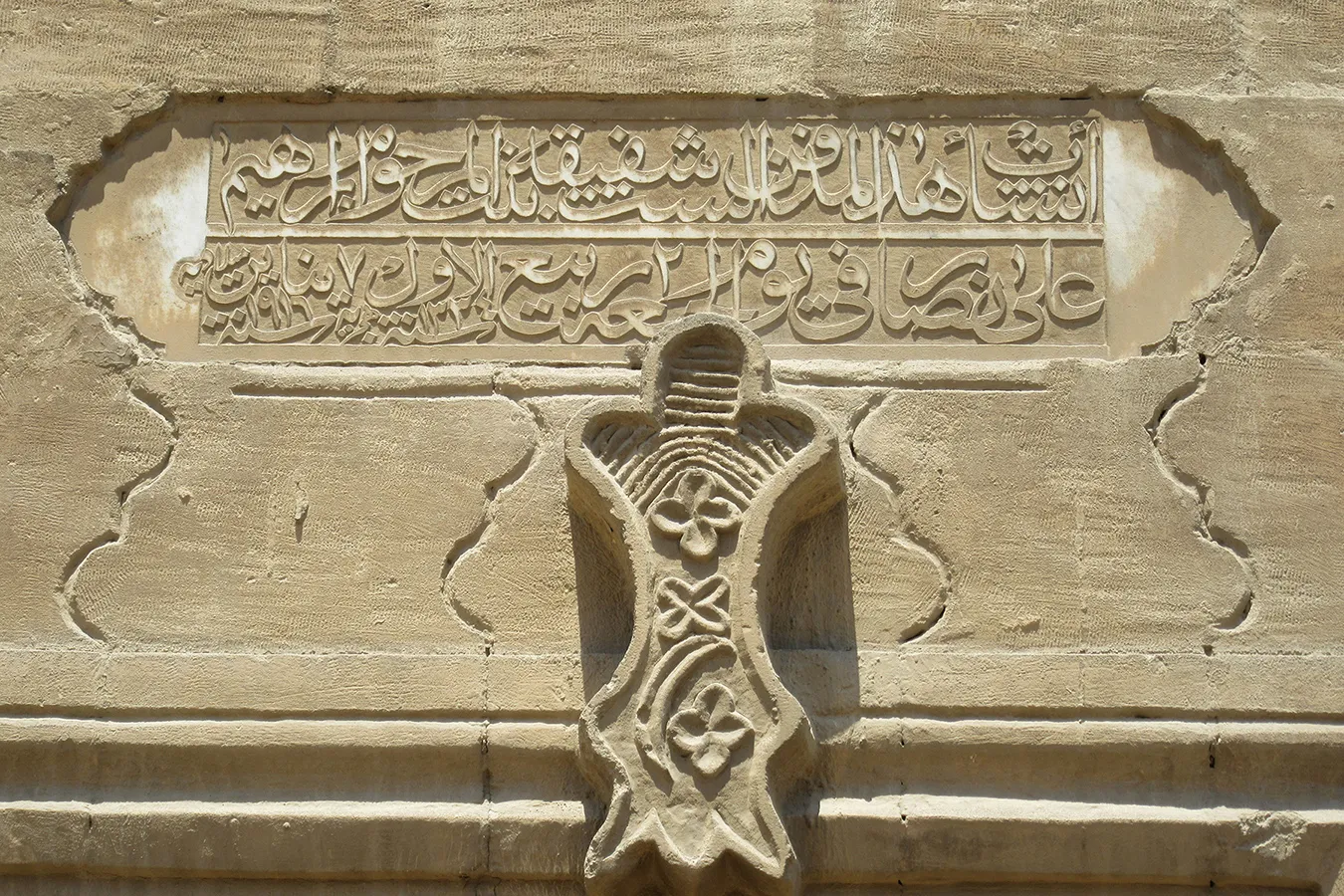
Both rectangular entrance gates were framed in simple Classical (not Mamluk-style) mouldings, in the eastern one carved in stone, in the southern one made of plaster and now almost entirely missing. Over both gates are marble inscription panels set in recesses in the walls, with two lines each of fine calligraphic lettering in raised relief. Both mention “Lady Shafiqa, daughter of the late Ibrahim ‘Ali Nassar” and give the date Friday, 2 Rabia‘ al-Awwal 1334 AH. The inscription over the western entrance also includes the corresponding date of 7 January AD 1916. The western entrance door is panelled, with simple architectural decoration in Classical (not Islamic) style. The southern door has been replaced with modern steel one.
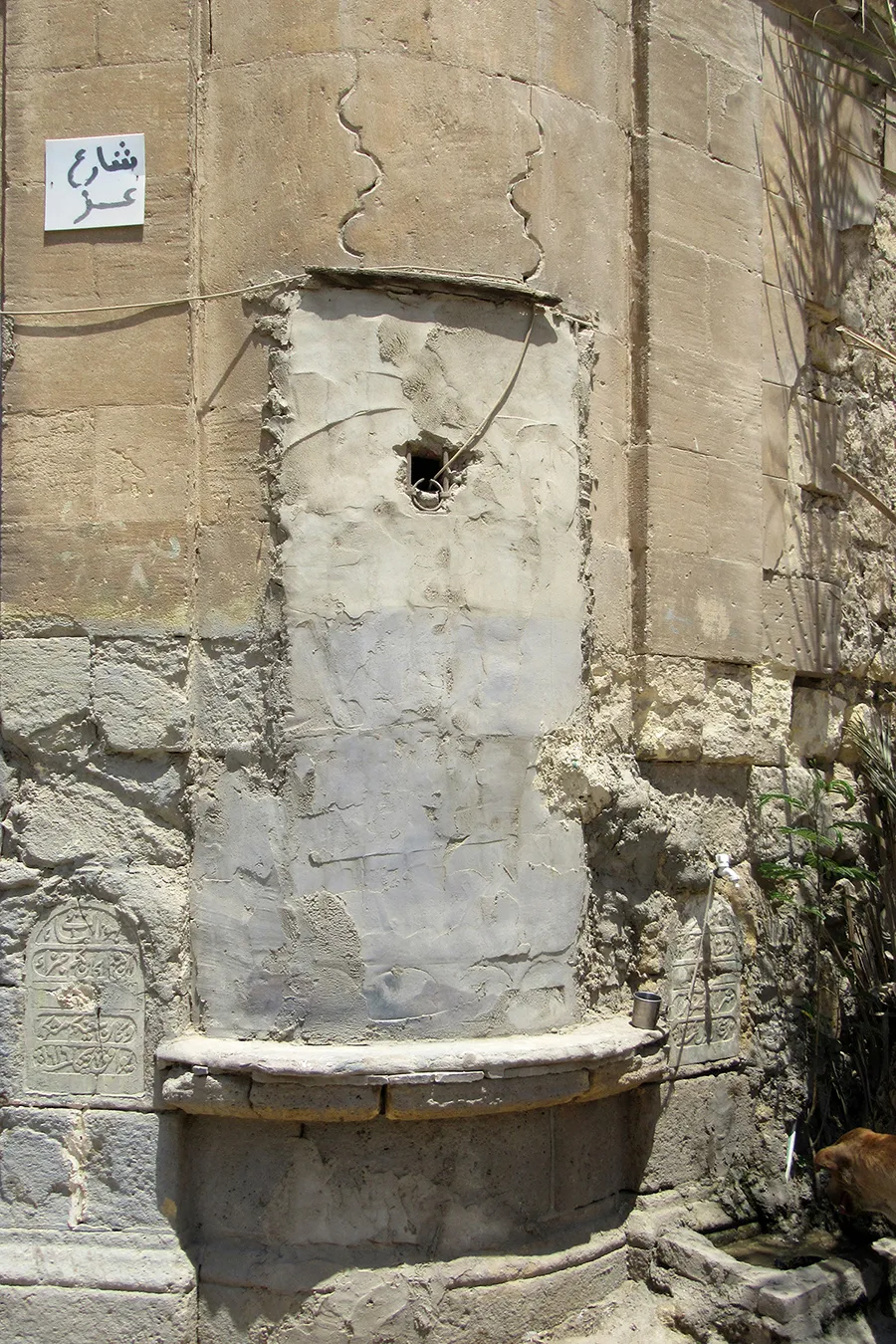
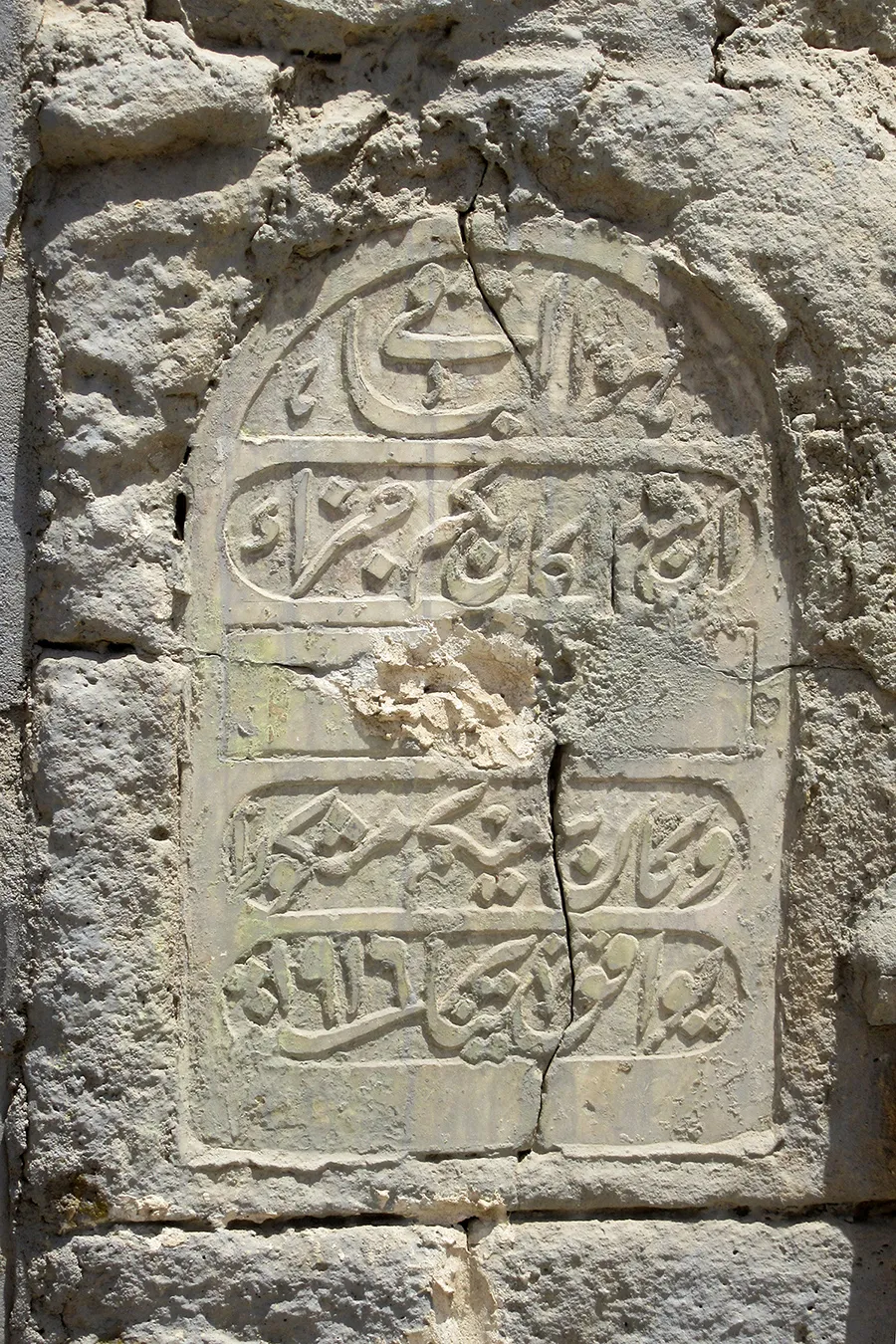
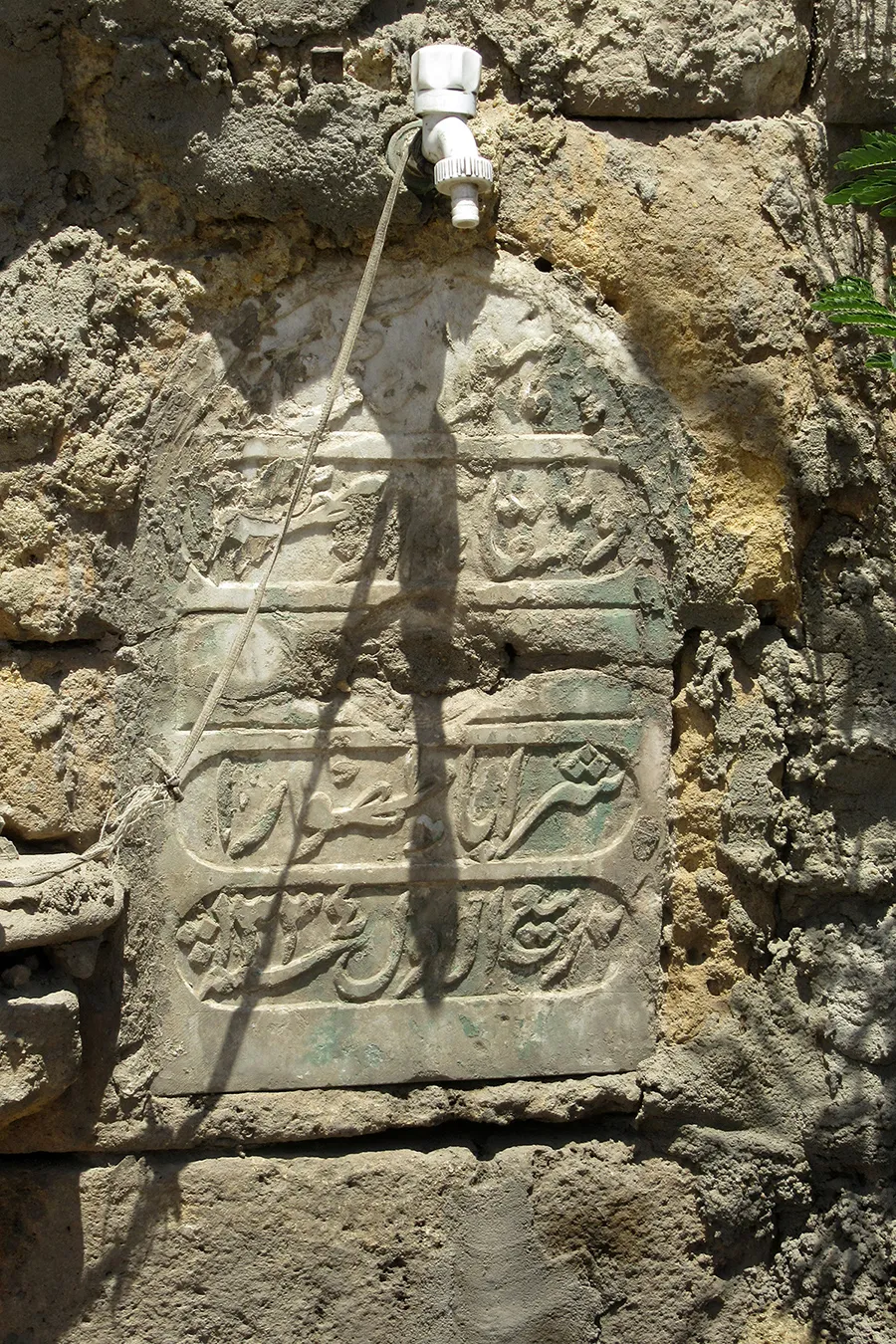
The window of the sabil in the rounded corner is rectangular and plain, without architectural decoration. It is covered with a flat arch of elaborately joggled voissoirs and has a marble ledge at the bottom. It is currently walled up, with the blocking crudely smeared with Portland cement. On both sides of the sabil are small wall-fountains in the form of marble panels with rounded tops, inscribed in raised relief and giving the same Higri and Miladi dates: 1334 / 1916. Over the western one, a modern water-tap has been installed. This is a very rare example of a historic wall fountain in Cairo that continues in use.
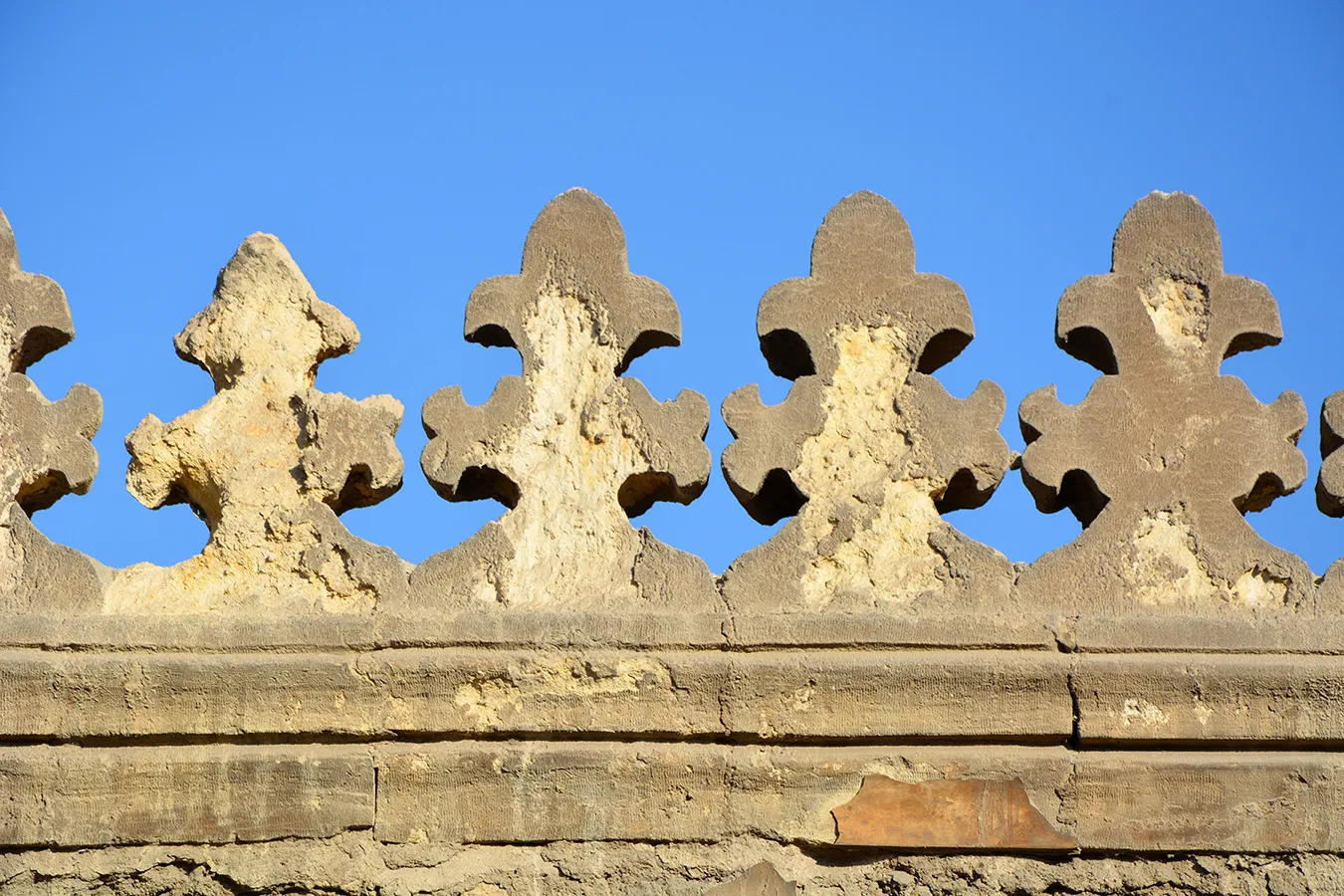
The façades are topped with a stone cornice and huge stone crenellations in late Mamluk style.
Interior was inaccessible at the time of recording.
Condition of preservation
The building is dilapidated in spite of being lived in. Most of the external plaster is missing, with some haphazard attempts at repairs. There is serious damage to the lower parts of the walls from rising damp. Water damage to crenellations indicates inadequate roof cover. The wall-fountains marble panels are affected by moisture cracked when their faucets were pried out and stolen, and disfigured by smearing with cement. Woodwork is damaged and desiccated
Information abut the founder, family history, etc.
According to the resident keeper, the tomb, which was originally in the hands of the family, has been donated to the Awqaf [ministry of religious foundations], which uses it for burials of people unrelated to the original owners.
- Field recording by
- Mohammad Esam, Esraa al-Mahdi, Hadeer Ahmad,edited by Jaroslaw Dobrowolski
- Date recorded
- August 14, 2023
- Data entered by
- Hadeer Ahmad
- Date entered
- May 7, 2024