

Unit No72
Shaykh al-Haddad
|
Coordinates of the main entrance |
30.043256N - 31.271837E |
|
Attribution |
Shaykh al-Haddad |
|
Higri (AH)Dates as given in the Inscription |
|
|
Miladi (AD)Dates as given in the Inscription |
|
|
Inscription Contemporary with the building? |
Yes |
|
Multiple date(s) In the inscription? |
Yes |
|
Assumed Date |
Early 19th century, possibly 18th c. |
|
Based on |
(based on stylistic features and building techniques) |
|
Original Use |
Funerary enclosure, mausoleum |
|
Current Use |
Funerary enclosure, mausoleum |
|
Overall condition |
Good |
Features of unit 72
| Present | Count | Material | Comments (see description for details) | |
|---|---|---|---|---|
| Free standing structure | No | |||
| Walled enclosure | Yes | 1 | stone | |
| Rooms by the perimeter wall | Yes | 1 | brick/concrete | A simple shed |
| Freestanding structure(s) in enclousure | Yes | 1 | brick/stone | A domed tomb abutting on perimeter wall |
| Dome over the tomb chamber | Yes | |||
| Neo-Mamluk architectural decoration | No | |||
| Garden layout | Yes | 1 | A small simple greenery bed | |
| Sabil(s) | No | |||
| Wall fountain(s) | No | |||
| Canopy on columns / pillars | No | |||
| Carved marble cenotaph(s) | No | |||
| Decorated limestone tomb-markers | No | |||
| Decorated gateway | Yes | 1 | stone | Entrance in the W wall of the mausoleum |
| Decorative door-leaves | No | |||
| Decorative window grilles | No | |||
| Decorative shutters | No | |||
| Painted ceiling(s) | No | |||
| Decorative paving(s) | No |
Unusual or unique features
• The empty walled enclosure contains a domed tomb, with no secondary tomb markers.
Description (The direction towards Mecca (Qibla) is described as eastern and other directions are named accordingly)
A mid-size irregular enclosure obviously remodelled many times. There are no windows in the enclosure walls.
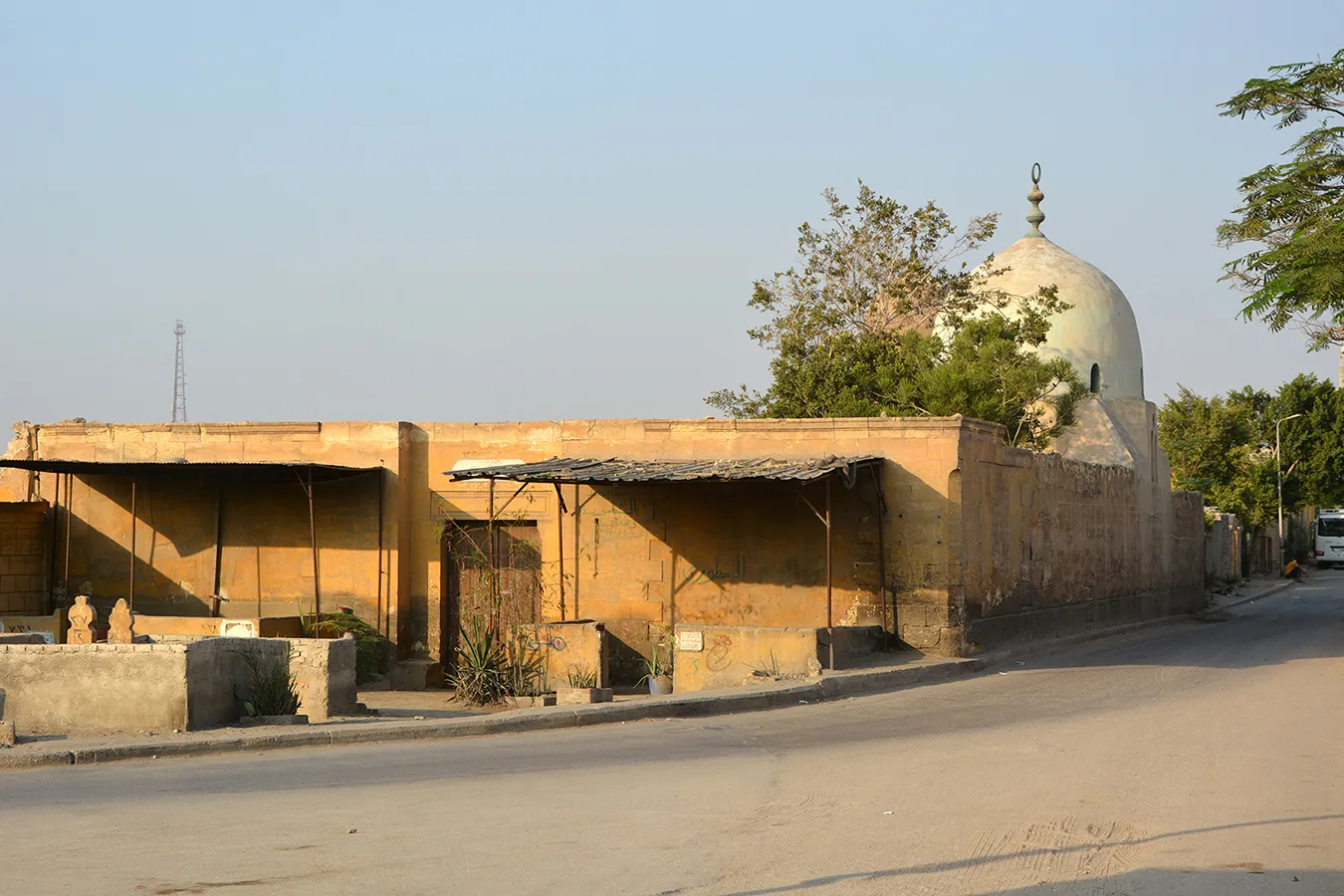
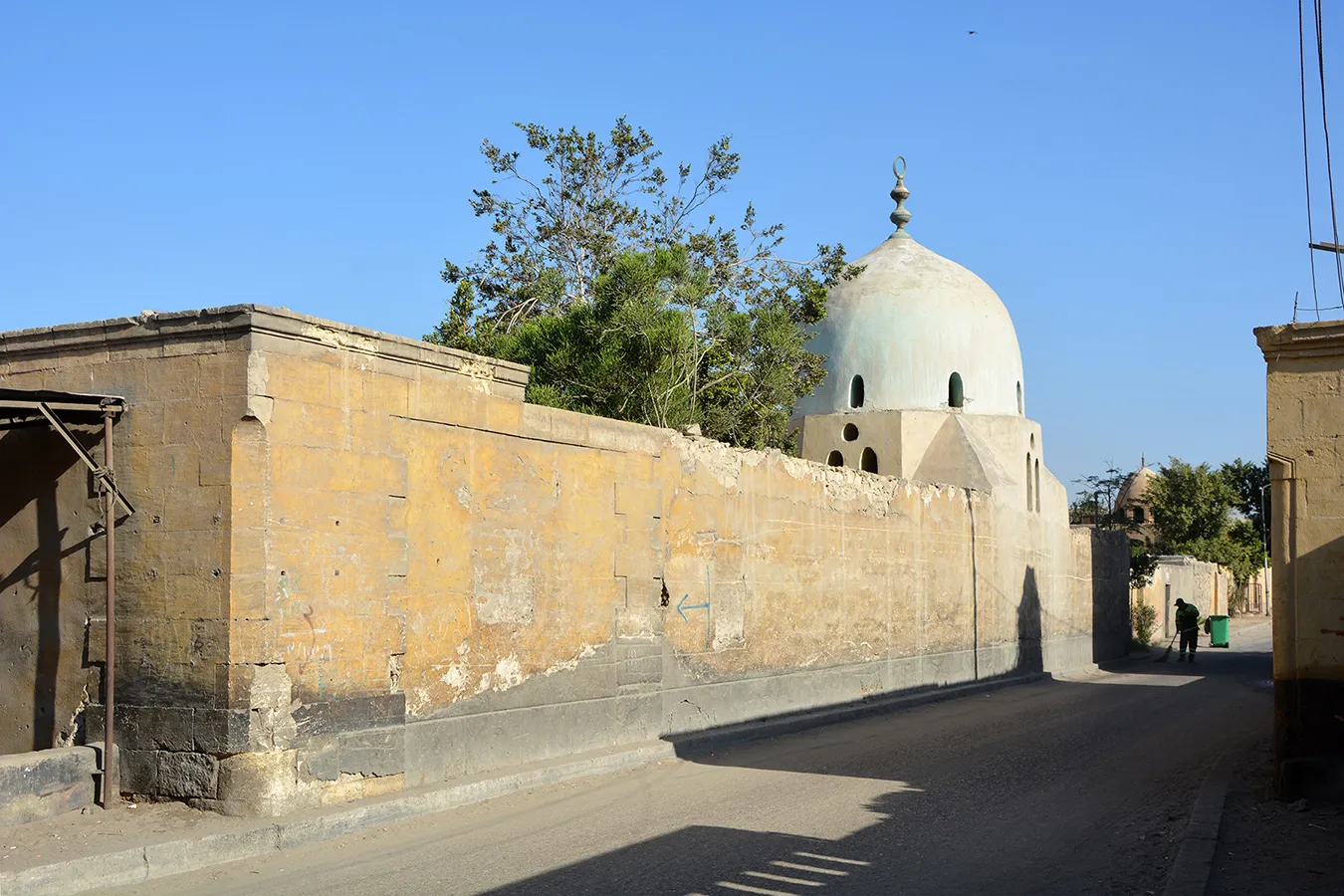
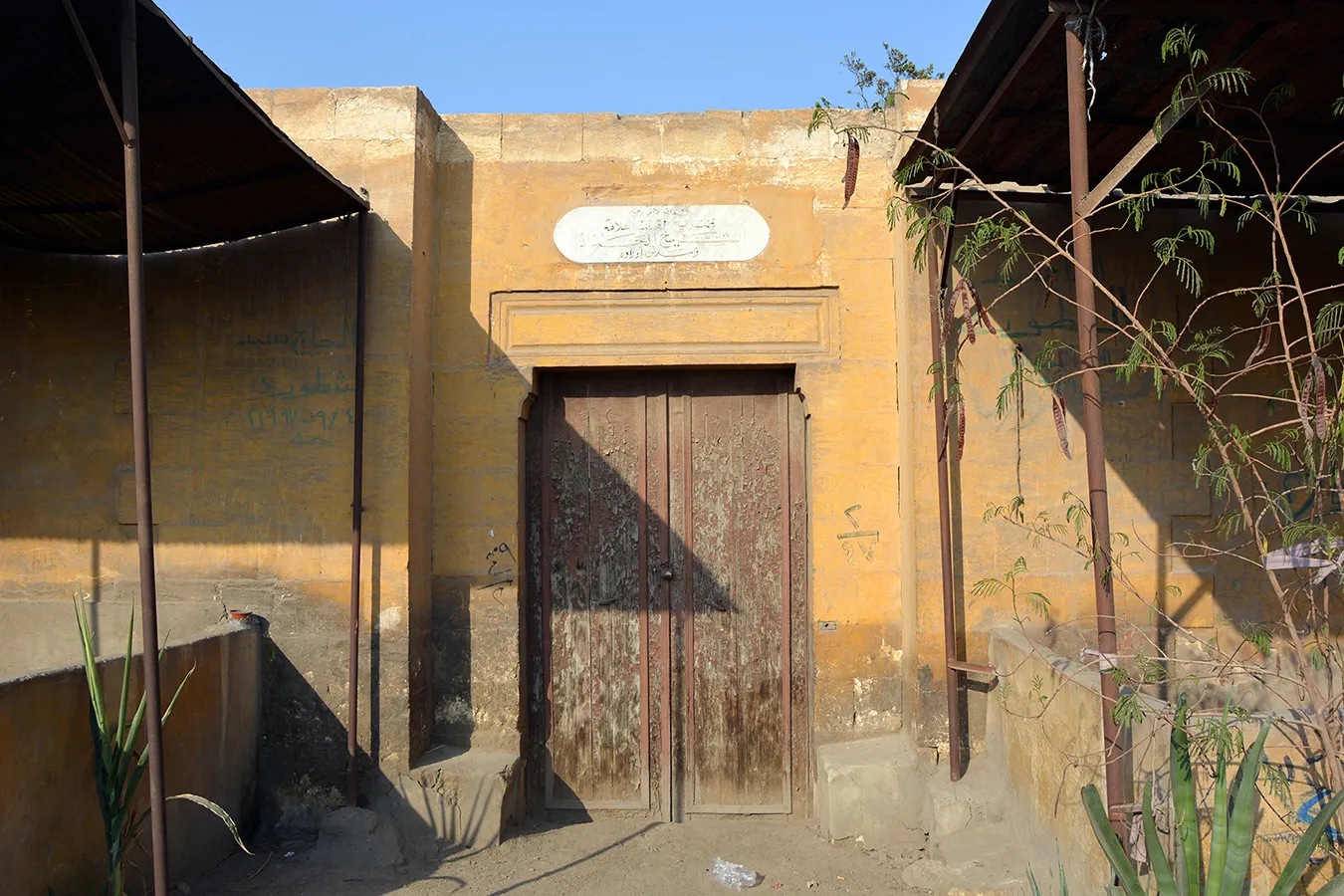
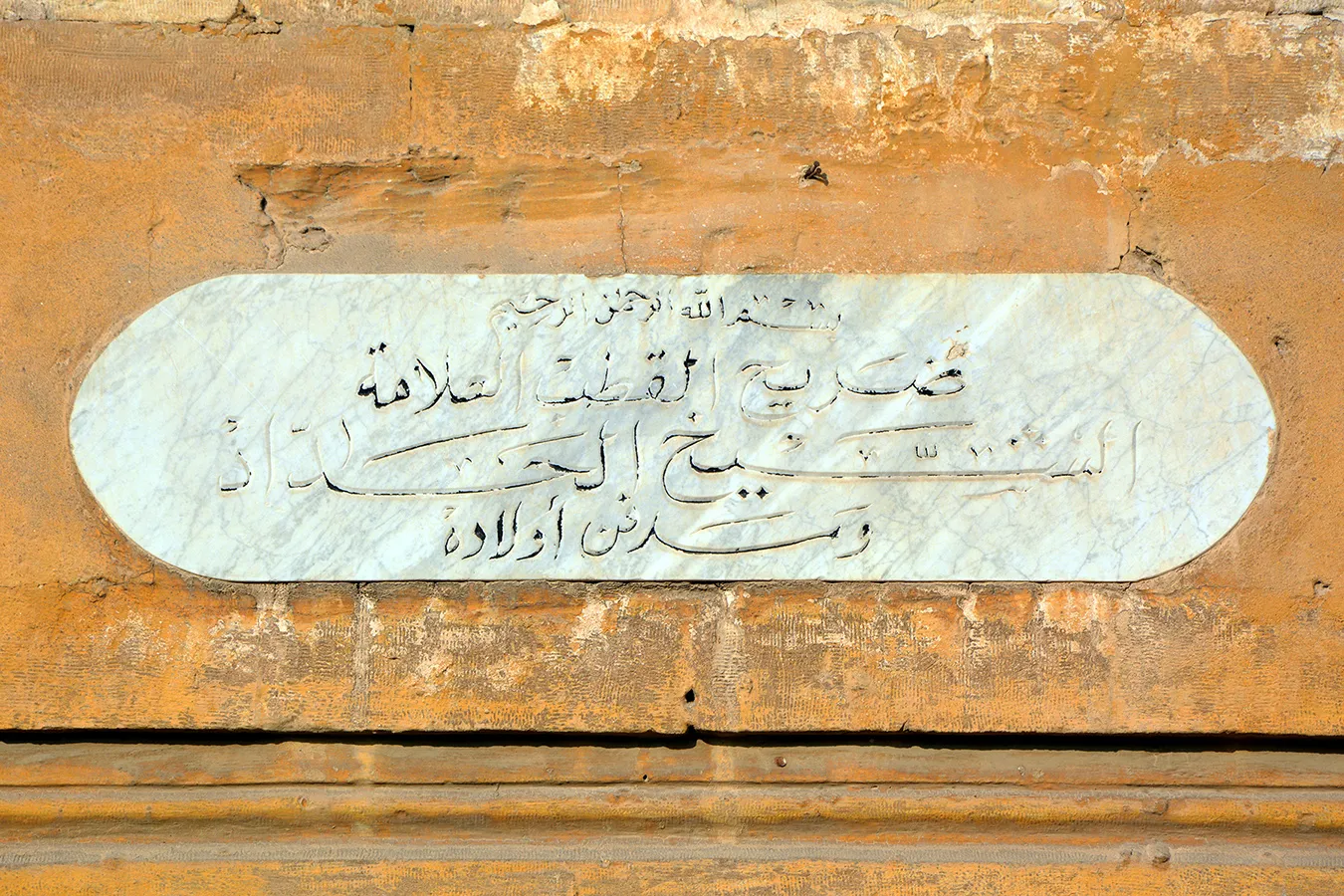
The entrance is from the southern side, in a wall apparently dating to the early 20th century, with the entrance gate, the corners, base course and cornice built of ashlar stone, and the rest of the wall built of rubble stone and plastered. The rectangular entrance door in covered with a monolithic stone lintel and is set in a recess in the wall which is not covered from above. Possibly it was originally intended as a neo-Mamluk portal taller than the rest of the wall (as in many neighbouring units) but was never completed. Over the door a modern marble plaque is mounted, with an incised inscription stating “tomb of the Pillar of Knowledge Shaykh al-Haddad and funerary enclosure of his children”. The inscription panel is apparently quite recent and mounted in a larger earlier recess over the door.
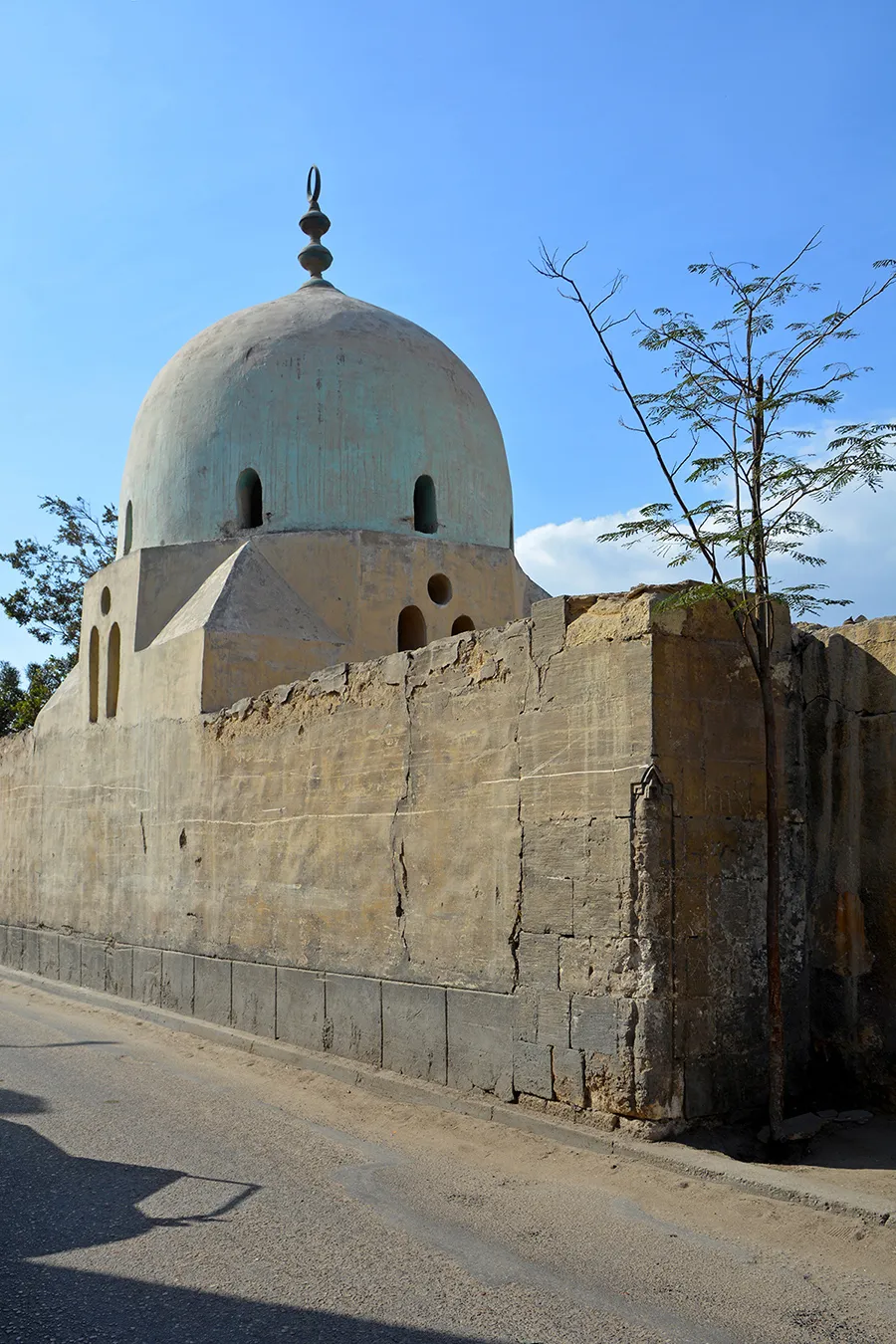
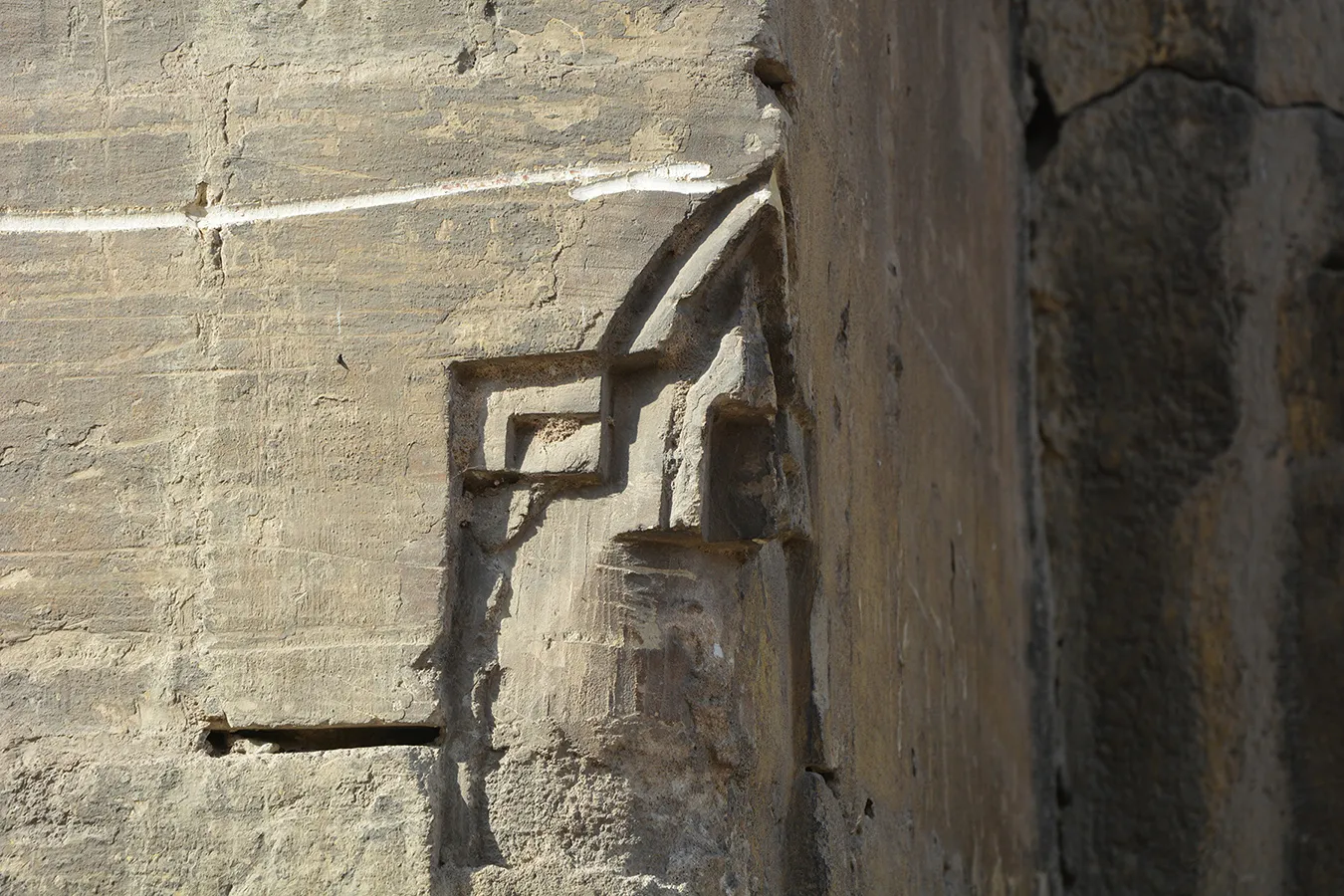
The section of the northern wall of the enclosure visible in the north-eastern corner and a short stretch of the eastern wall are built of ashlar masonry of decidedly Ottoman-period appearance and workmanship, with an engaged quarter-colonette in the corner with a simple (apparently altered) geometric-pattern capital. The wall continued further south, but was replaced with a rubble stone plastered wall that appears homogenous with the domed tomb adjoining it. To that wall the early 20th-century southern entrance façade was added.
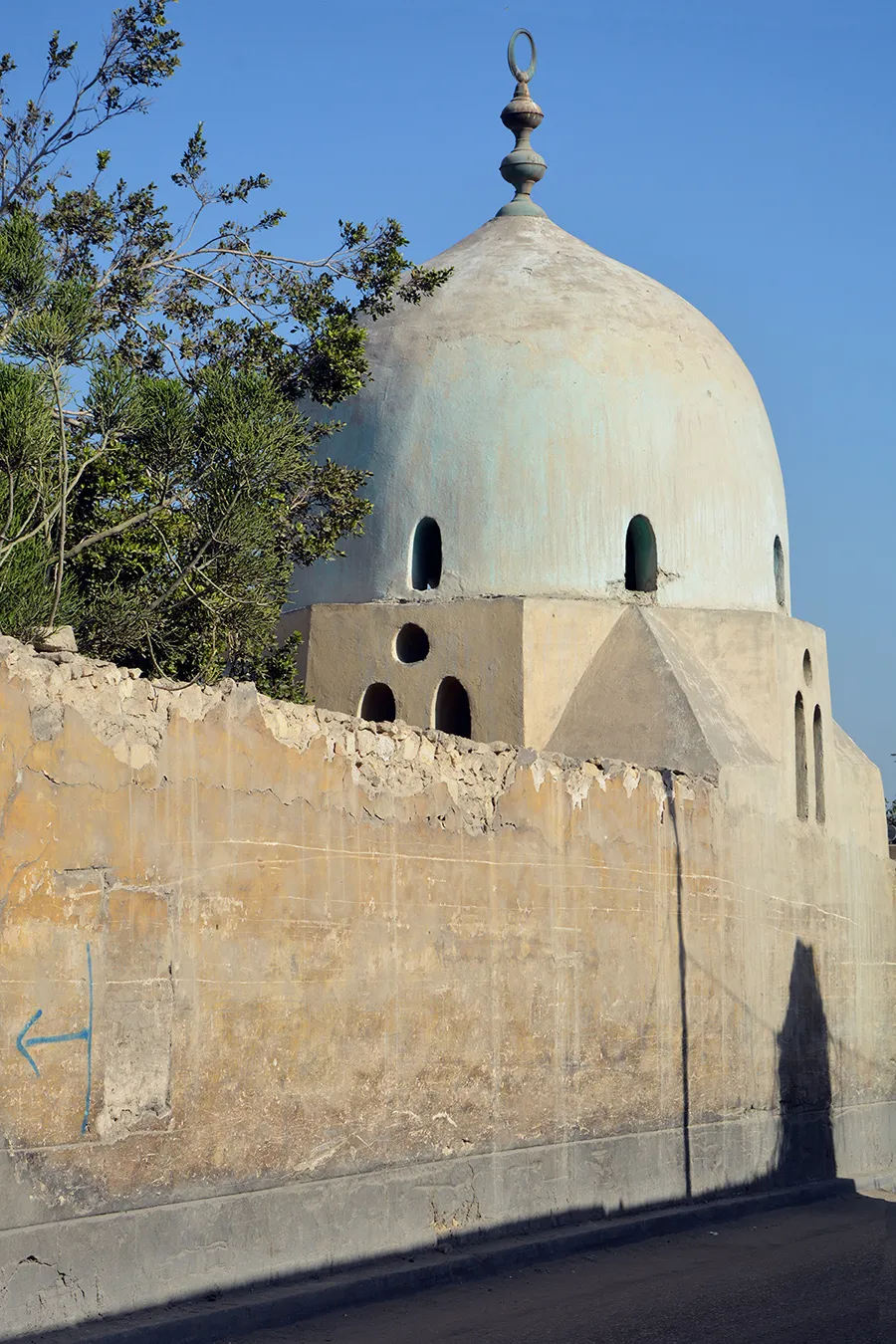
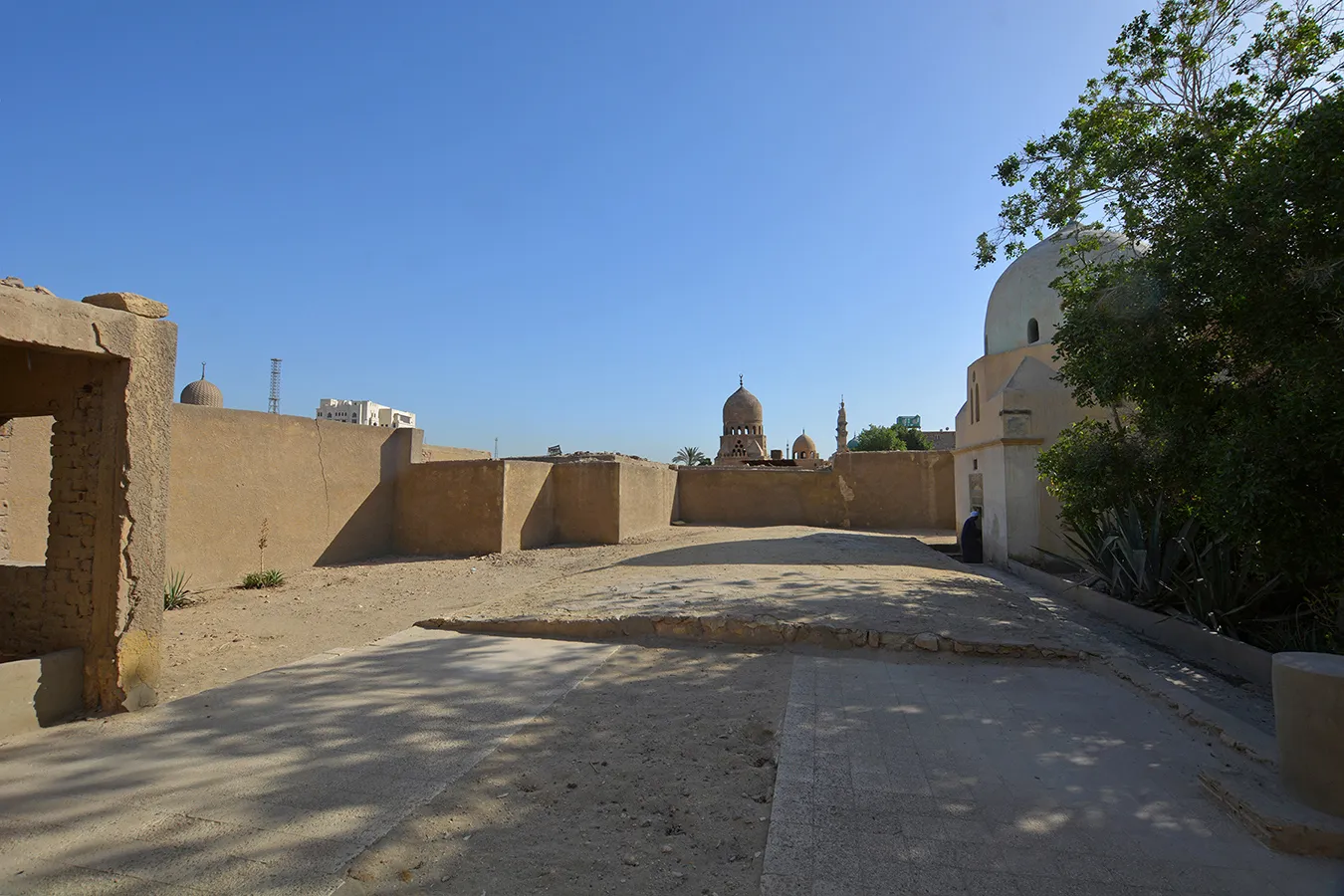
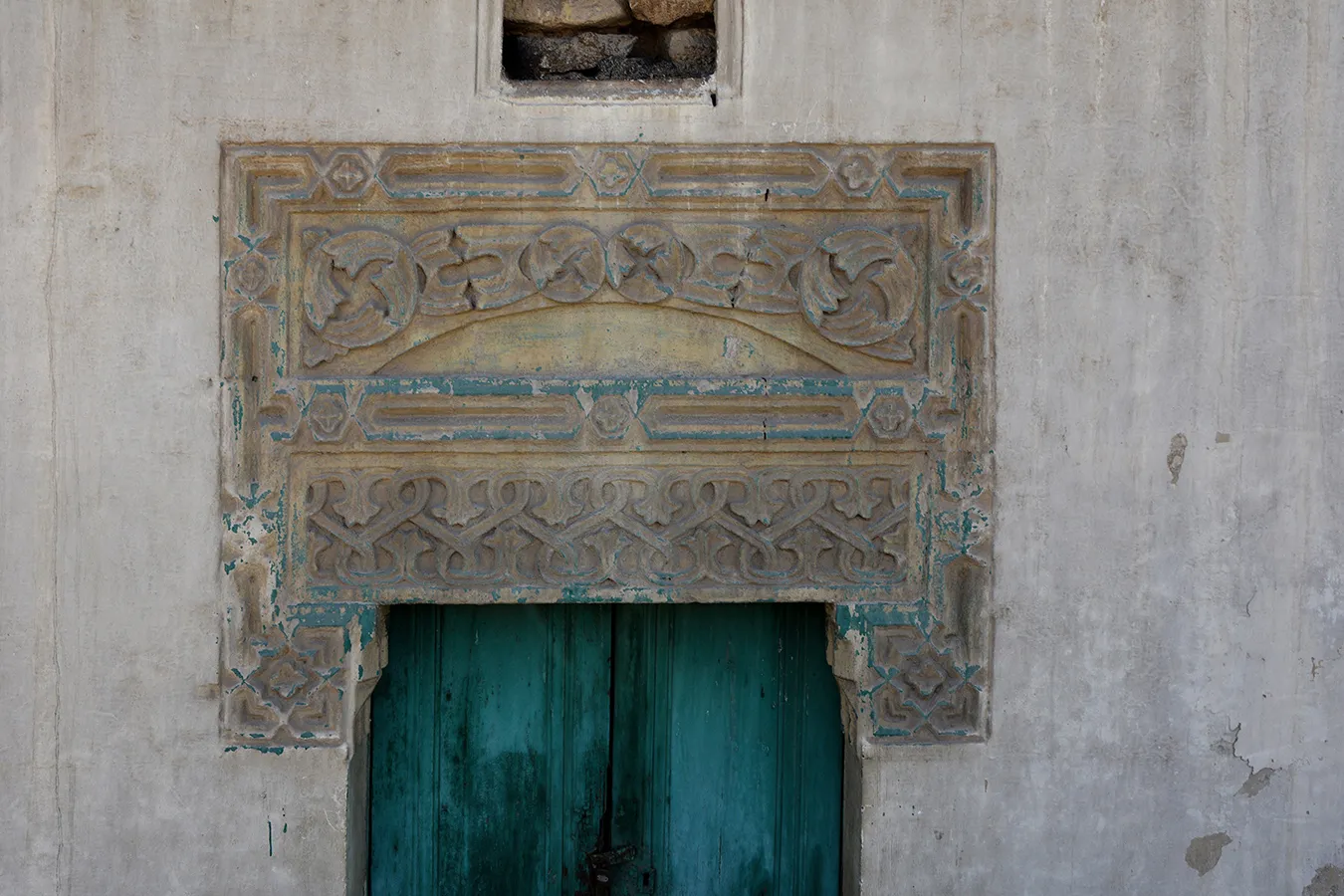
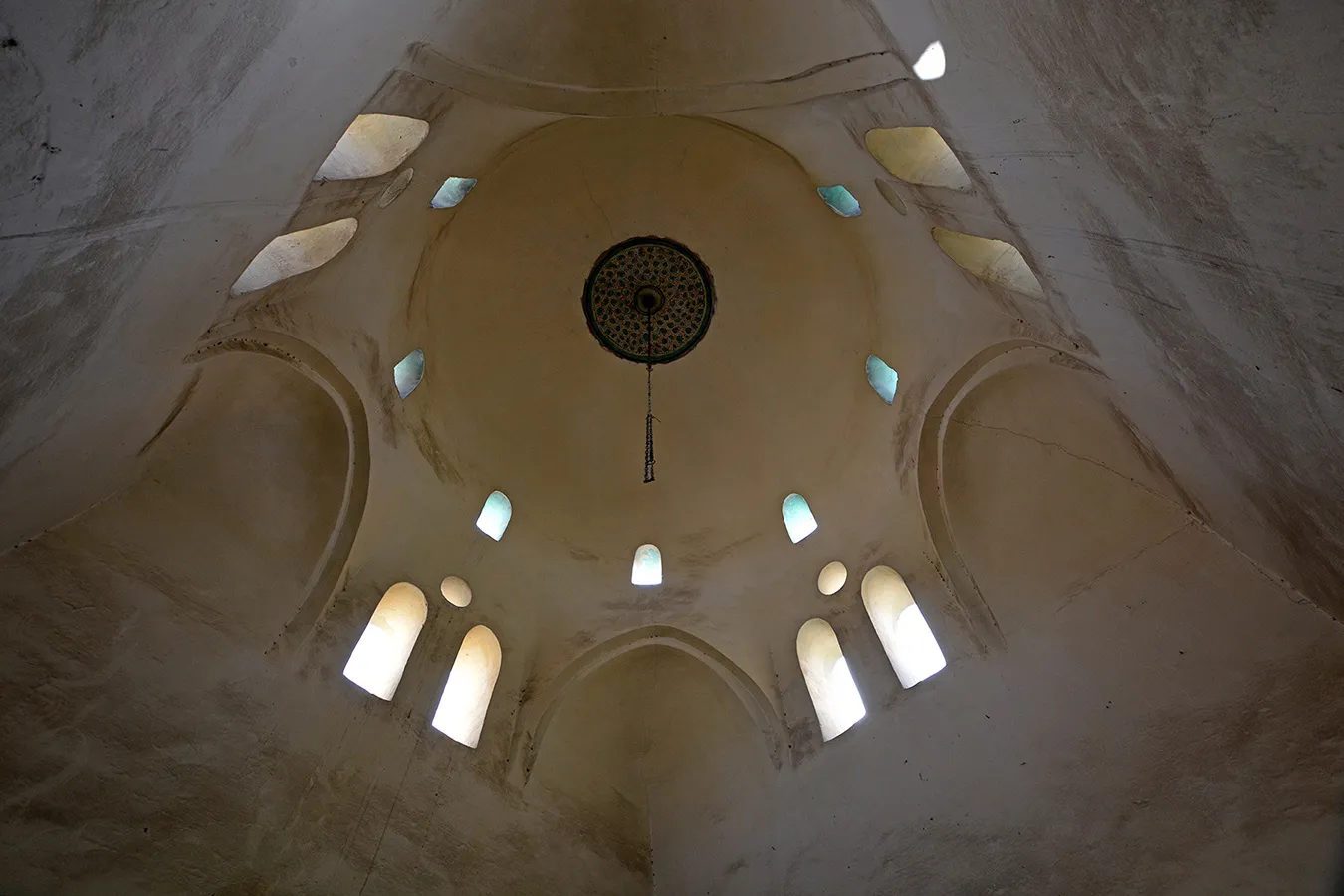
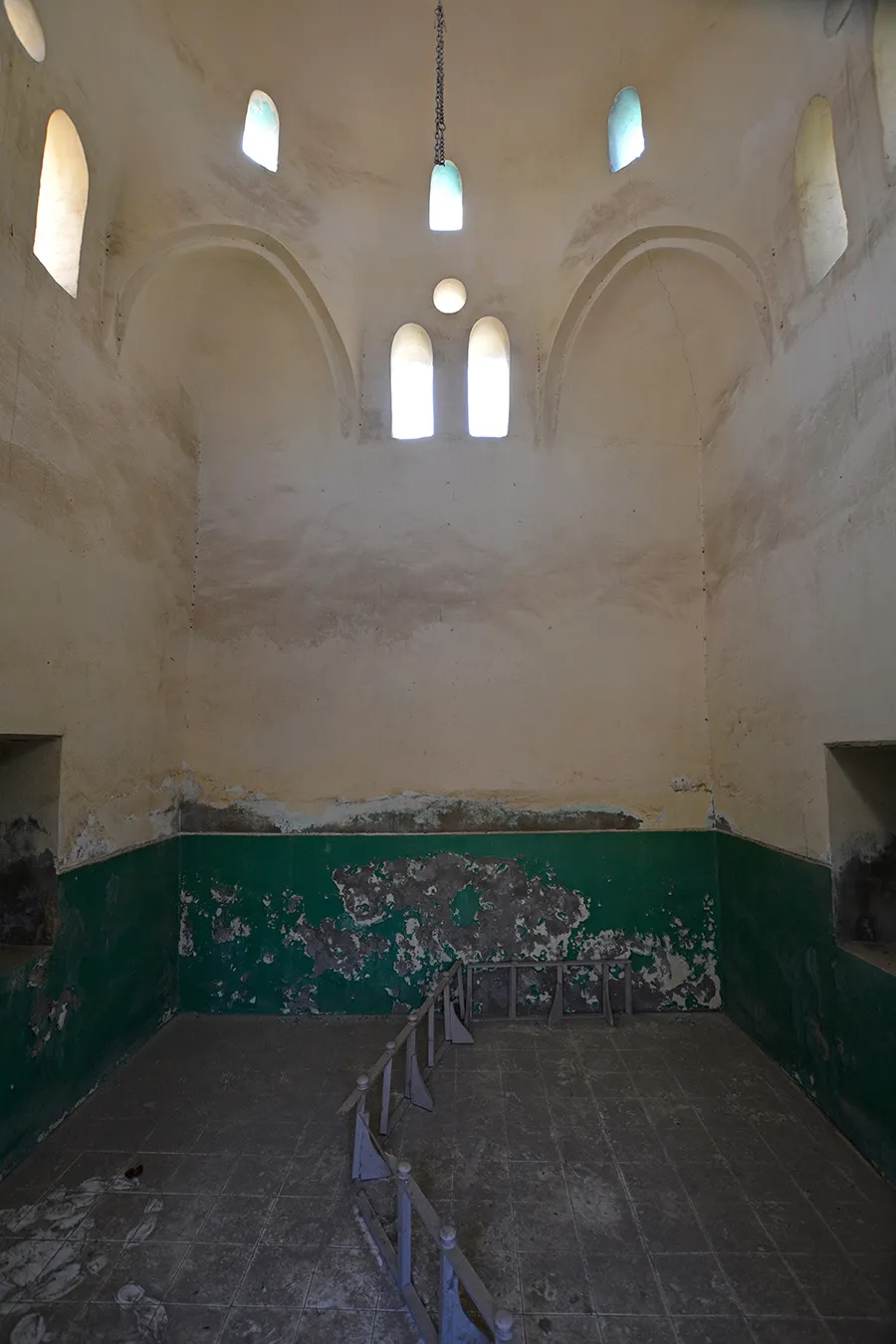
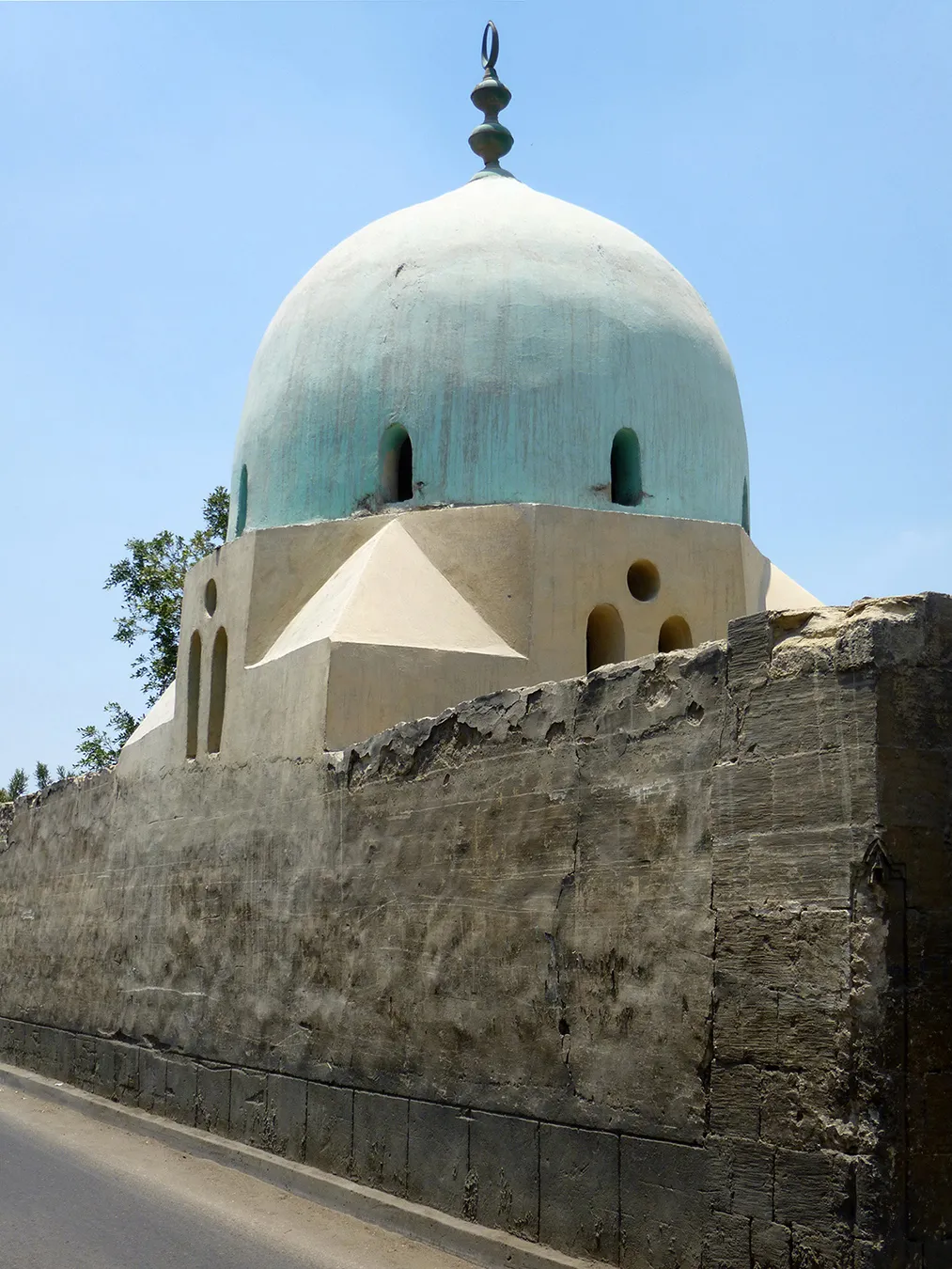
The domed tomb is a rough and simplified replica (apparently mostly in brick) of the Mamluk-period stone mausolea abundant in the neighbourhood. The zone-of-transition is not architecturally distinguished room the cubical burial chamber, and consists of undecorated pyramidal shapes that transform the square plan of the chamber into an octagon under the dome drum. The windows in the zone-of-transition (which on the outside extend down below the corner “pyramids”) replicate the Mamluk one-over-two pattern of two arched windows and an oculus. The cylindrical drum is not distinguished from the dome itself and is pierced with eight small arched windows. The dome, of a slightly pointed profile similar to the Mamluk ones in topped with a brass “hilal” crescent finial. The exterior is plain, devoid of any architectural divisions or decoration except the entrance portal. The entrance from the courtyard is in the centre of the western wall, now accessed from a few steps down as the ground level has risen. It is a rectangular door with a stone lintel and the relieving arch above it framed in knotted mouldings of complex angular shapes typical of late-Ottoman architecture in Cairo. On the lintel is carved a frieze of simplified interlocking scrolls ending with palmettes, and on the relieving arch, a simple geometric pattern made up of extremely simplified floral motifs. There are no inscriptions. The decoration is obscured by layers of plaster and paint successively applied and removed. The windows in lateral walls are rectangular and plain, partially walled up as the ground level has risen.
The interior is plastered and completely plain, devoid of any decoration save the painted medallion of crudely painted extremely simplified floral pattern at the apex of the dome. There is no mihrab prayer niche. The dome rests on simple, undecorated squinches.
In the courtyard is a large low platform built of stone. According to the keeper, fourteen tombs are underneath, but there are no tomb markers.
Along the eastern wall of the enclosure, south of the mausoleum, is a small patch with a few trees and planted greenery. In the south-western corner of the enclosure is a nondescript modern shading structure of concrete and bricks.
Condition of preservation
The unit is in good condition and maintained.
- Field recording by
- Jaroslaw Dobrowolski
- Date recorded
- May 8, 2024
- Data entered by
- Yusuf Yassir
- Date entered
- May 23, 2024