
Unit No70
Isma‘il Katkhuda Mustahfizan
|
Coordinates of the main entrance |
30.042937N - 31.274581E |
|
Attribution |
Isma‘il Katkhuda Mustahfizan |
|
Higri (AH)Dates as given in the Inscription |
|
|
Miladi (AD)Dates as given in the Inscription |
|
|
Inscription Contemporary with the building? |
Yes |
|
Multiple date(s) In the inscription? |
Yes |
|
Assumed Date |
About AH 1198 / AD 1775 and later |
|
Based on |
(date on the tomb marker of Isma‘il Katkhuda) |
|
Original Use |
Funerary enclosure |
|
Current Use |
Funerary enclosure |
|
Overall condition |
Good |
Features of unit 70
| Present | Count | Material | Comments (see description for details) | |
|---|---|---|---|---|
| Free standing structure | No | |||
| Walled enclosure | Yes | 1 | stone | |
| Rooms by the perimeter wall | No | |||
| Freestanding structure(s) in enclousure | No | |||
| Dome over the tomb chamber | No | |||
| Neo-Mamluk architectural decoration | No | |||
| Garden layout | Yes | |||
| Sabil(s) | No | |||
| Wall fountain(s) | No | |||
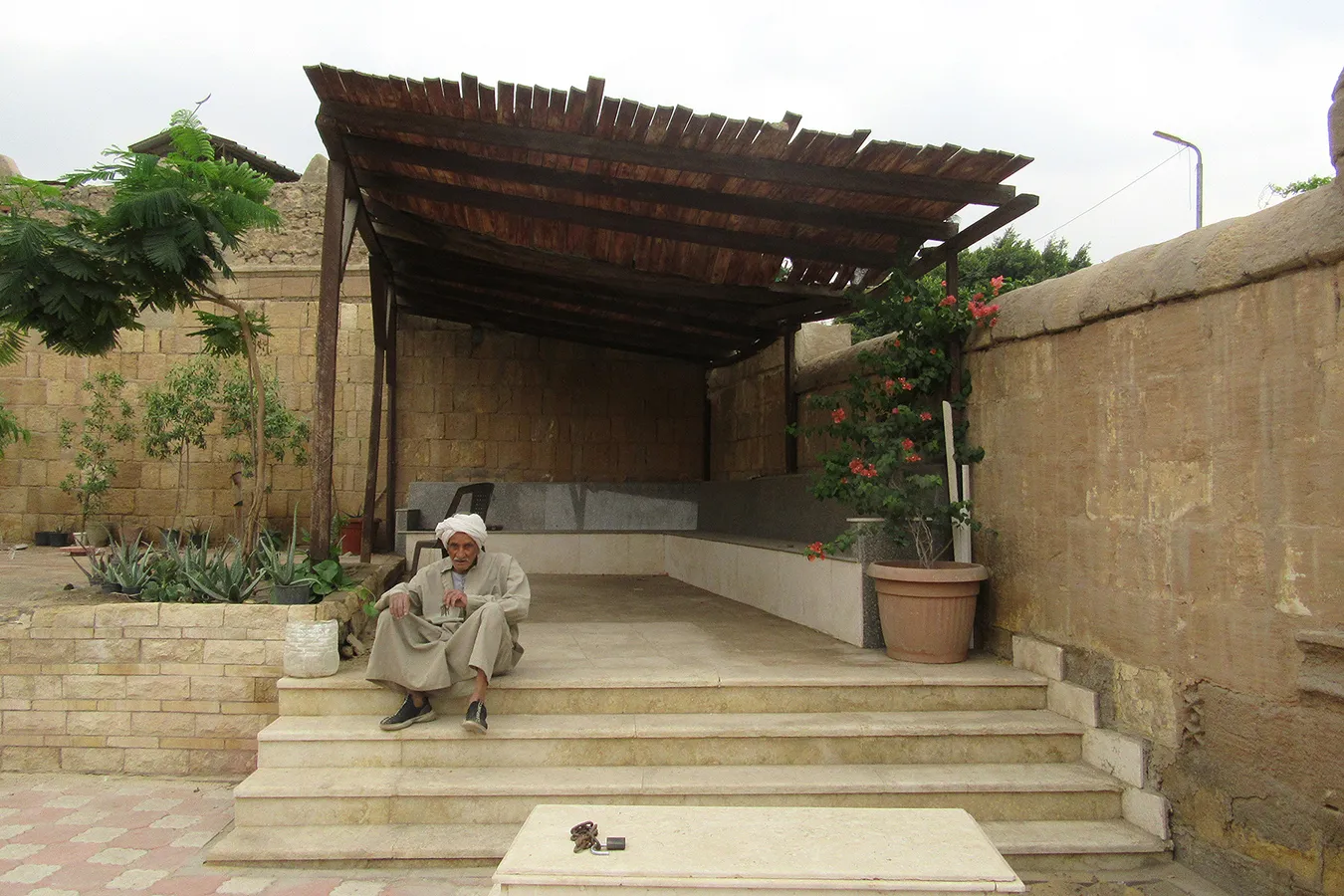
| Canopy on columns / pillars | Yes | |||
| Carved marble cenotaph(s) | Yes | 1 | 1 | Only stela preserved |
| Decorated limestone tomb-markers | Yes | 9 | limestone | Only one decorated |
| Decorated gateway | No | |||
| Decorative door-leaves | No | |||
| Decorative window grilles | No | |||
| Decorative shutters | No | |||
| Painted ceiling(s) | No | |||
| Decorative paving(s) | No |
Description (The direction towards Mecca (Qibla) is described as eastern and other directions are named accordingly)
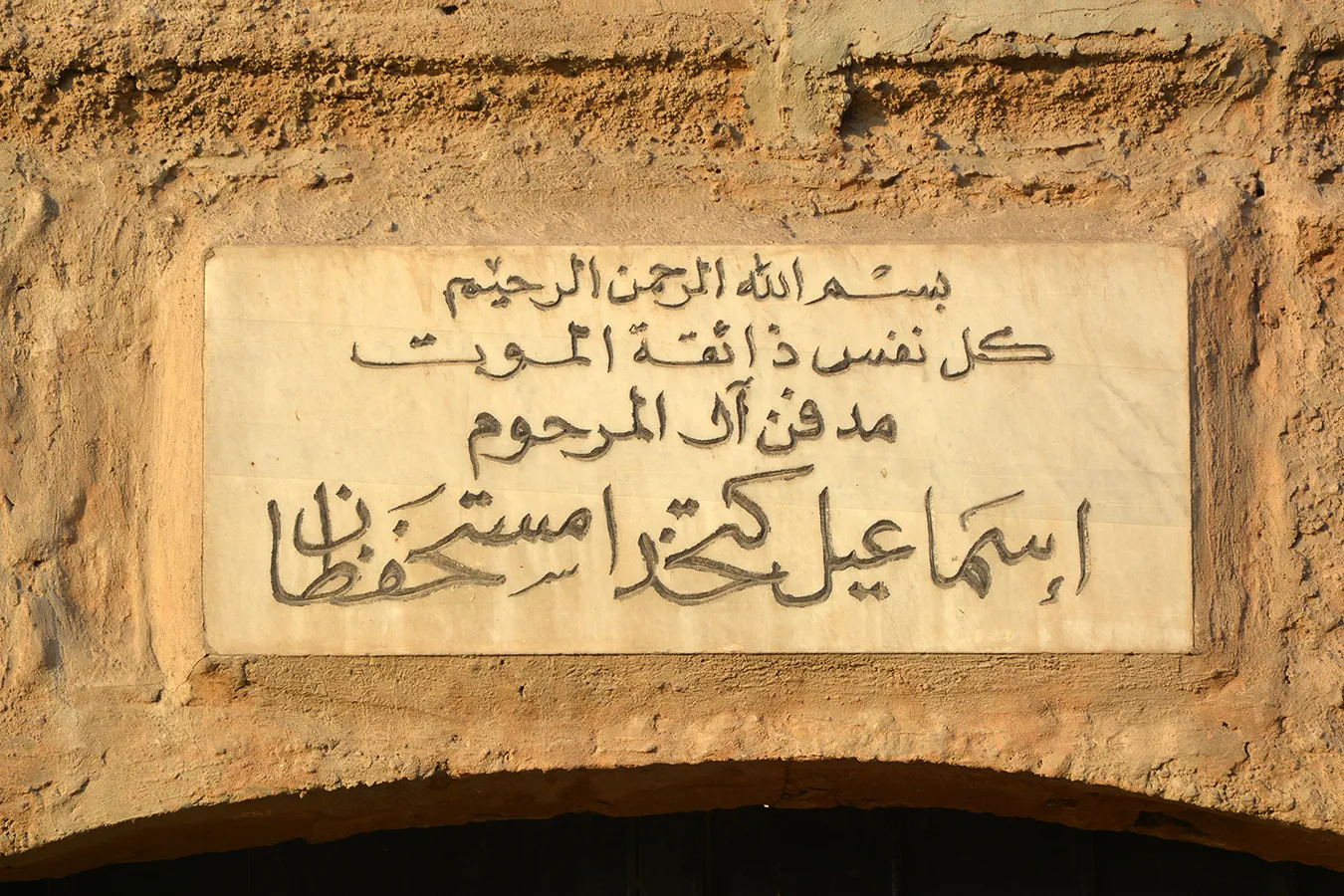
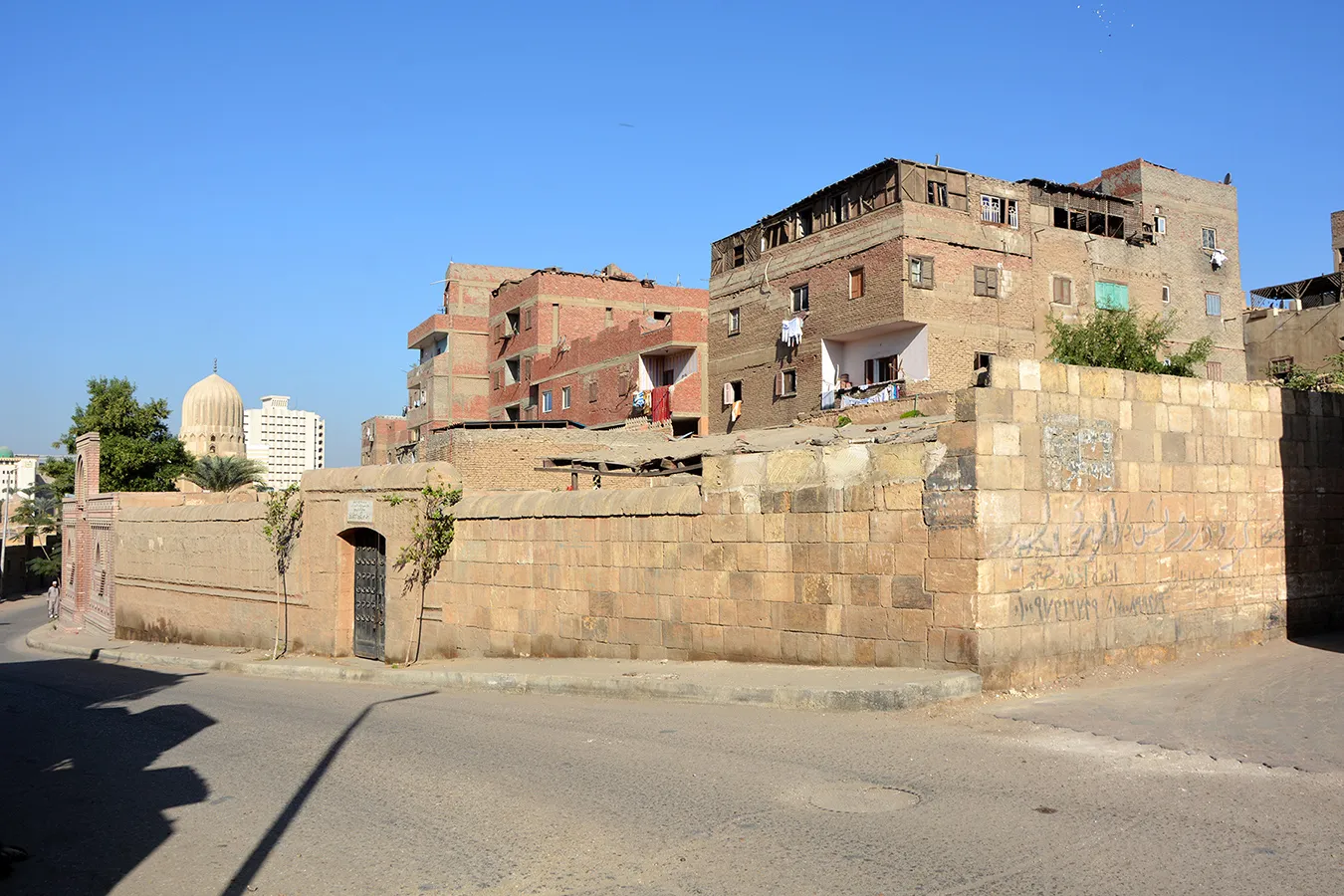
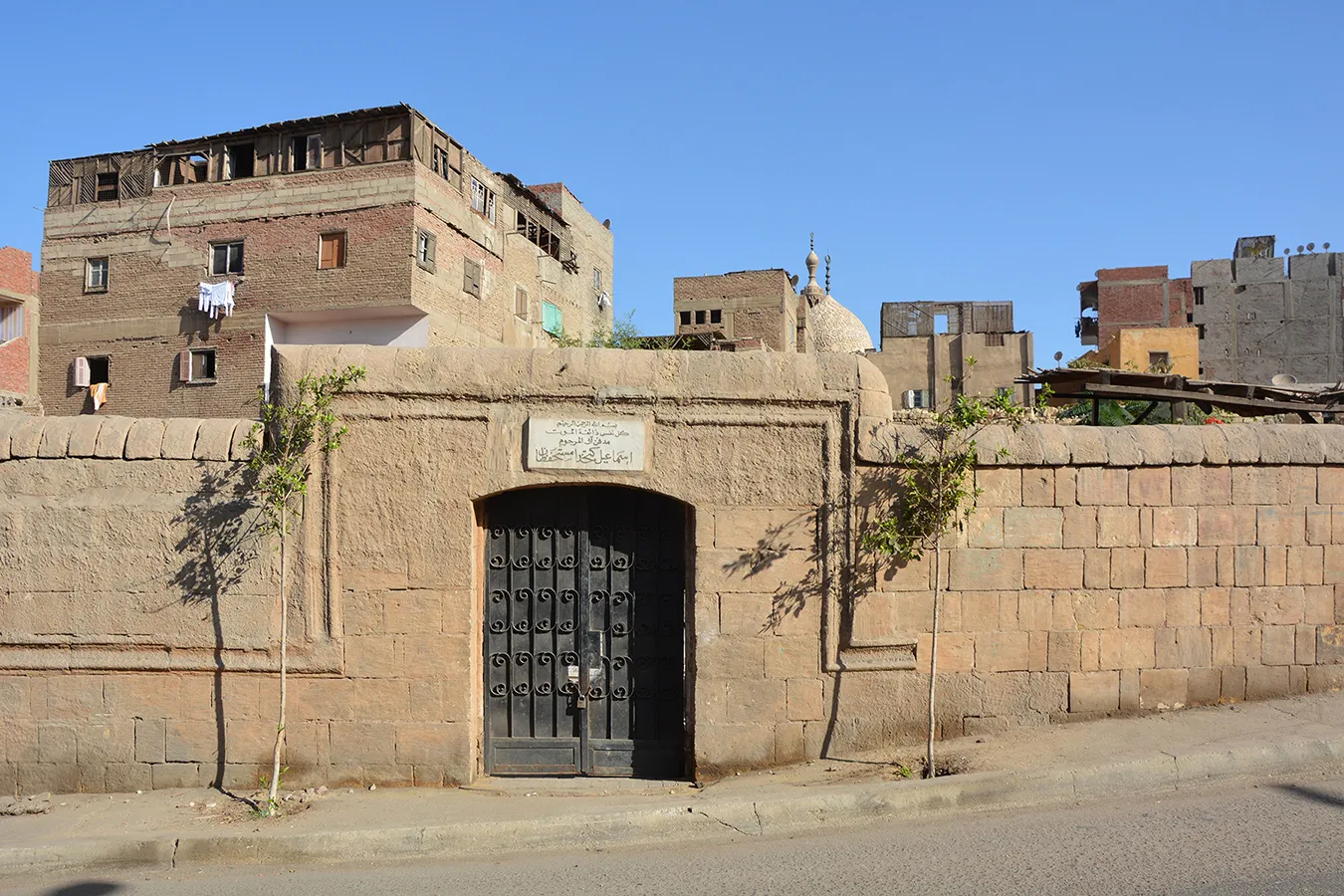
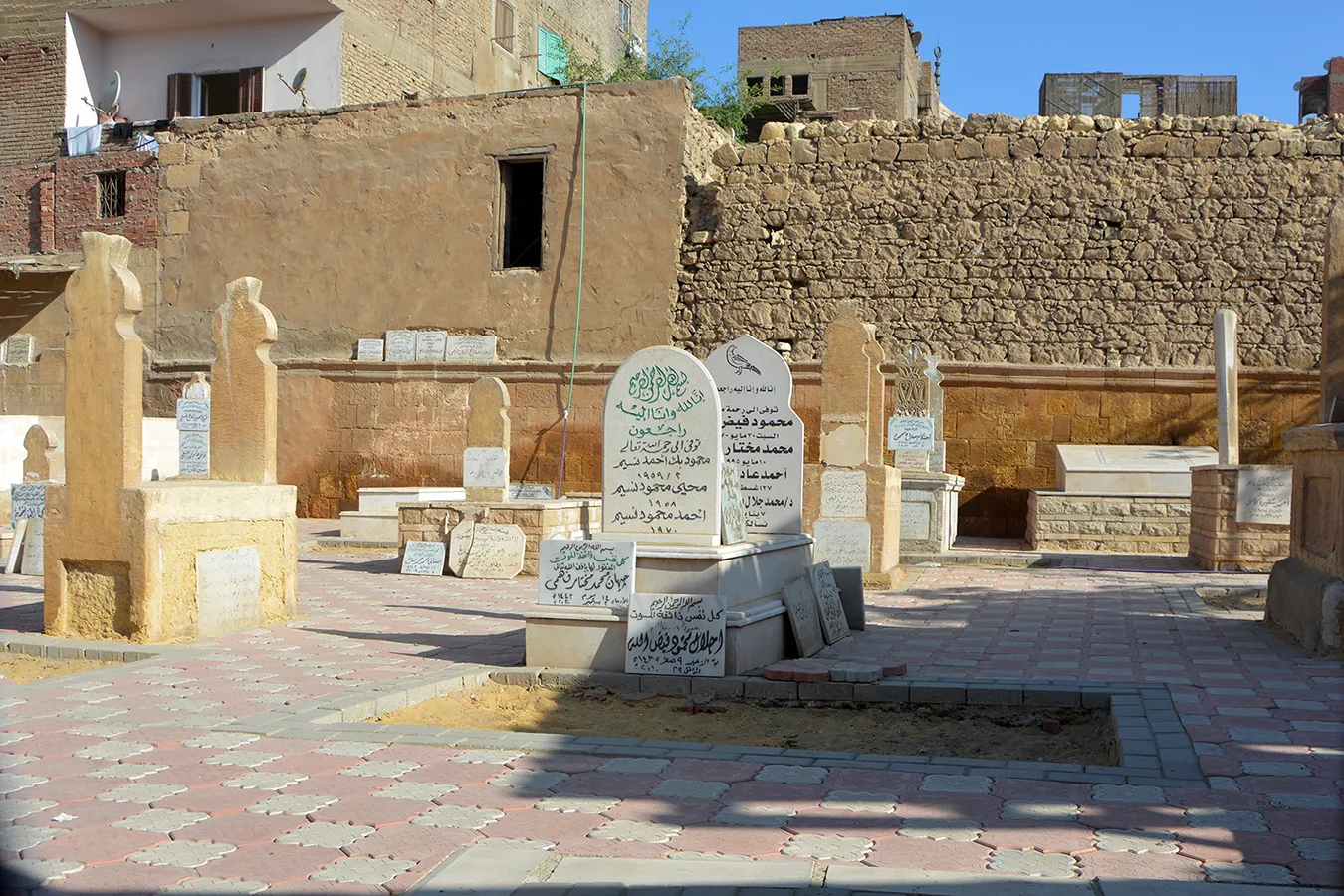
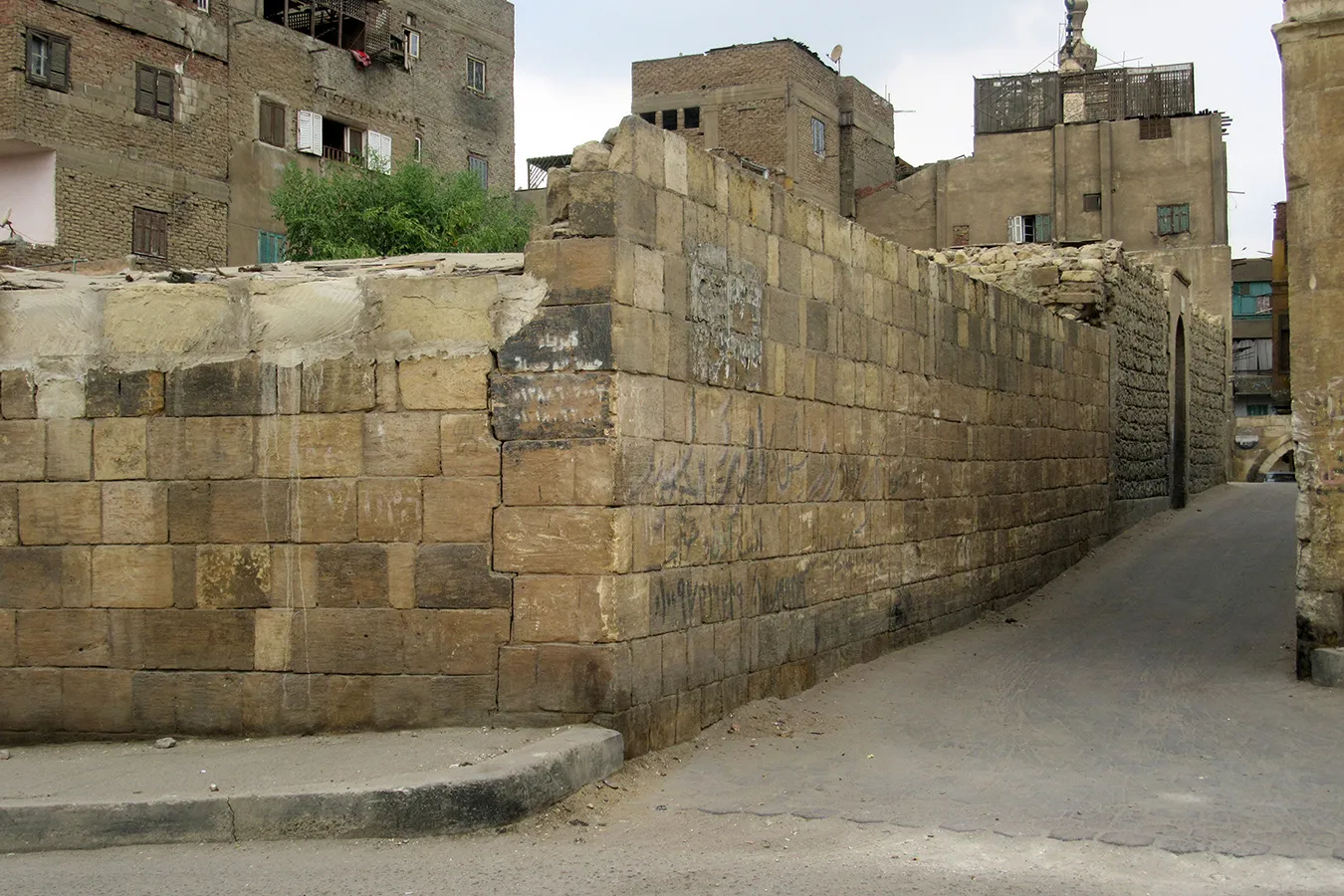
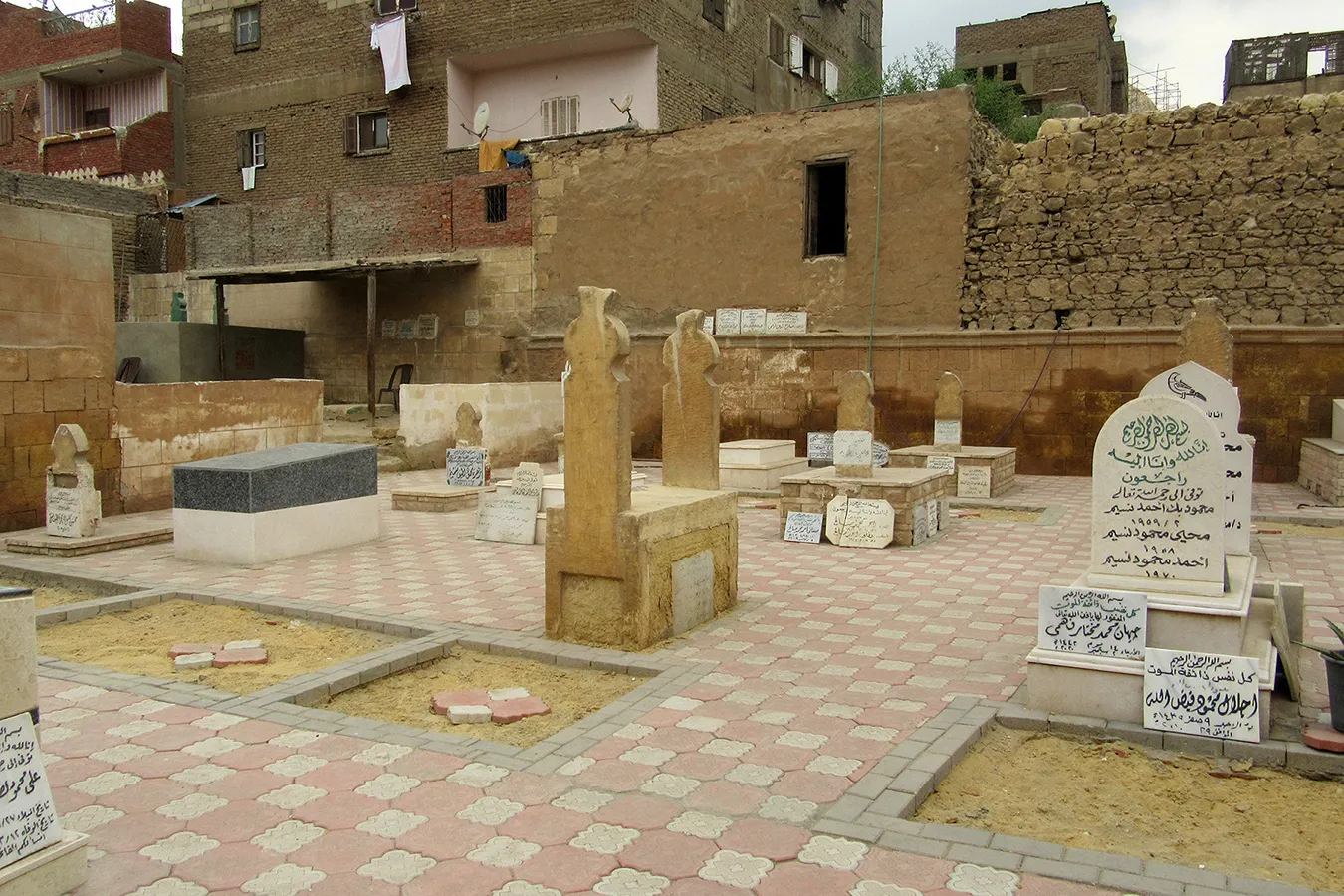
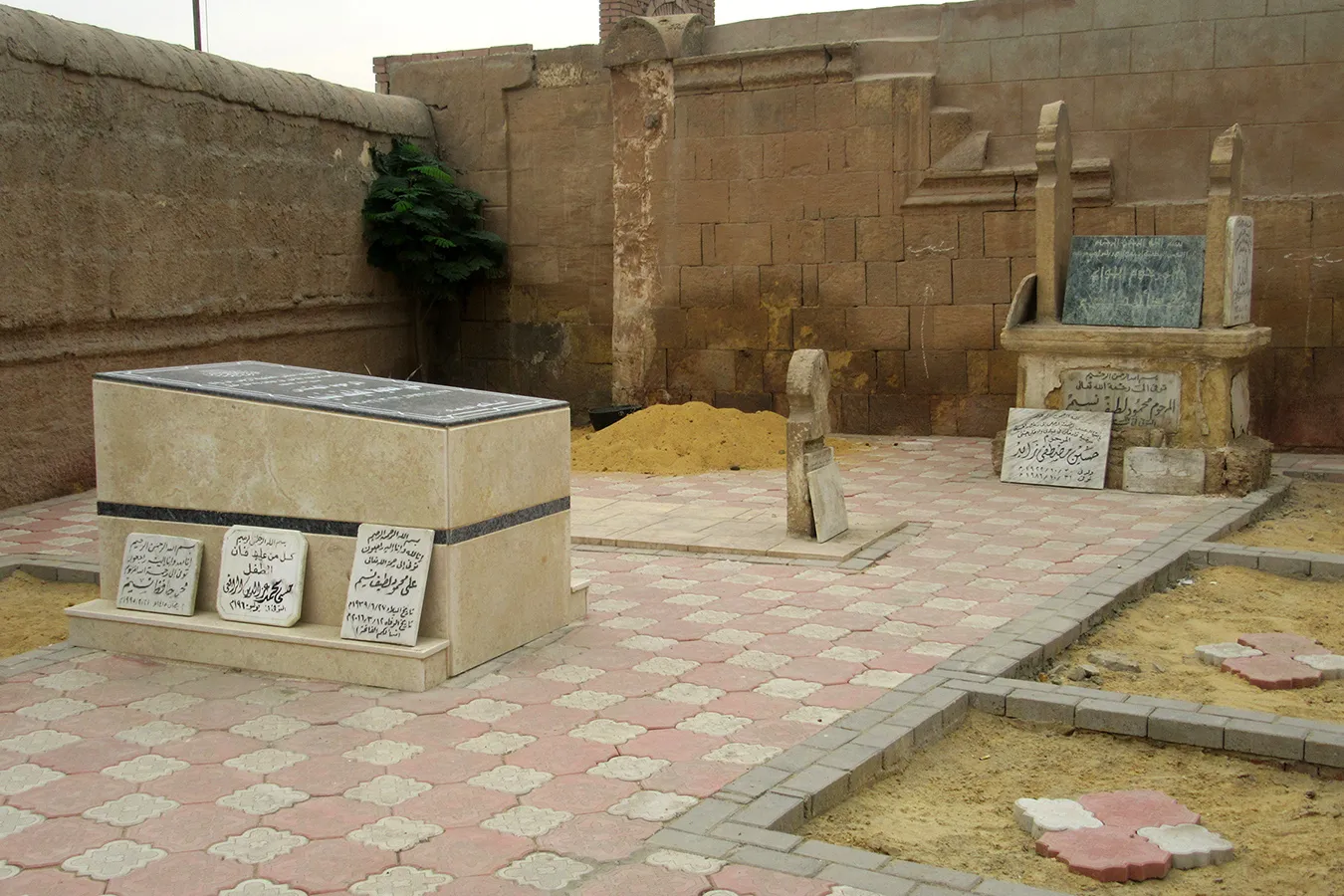
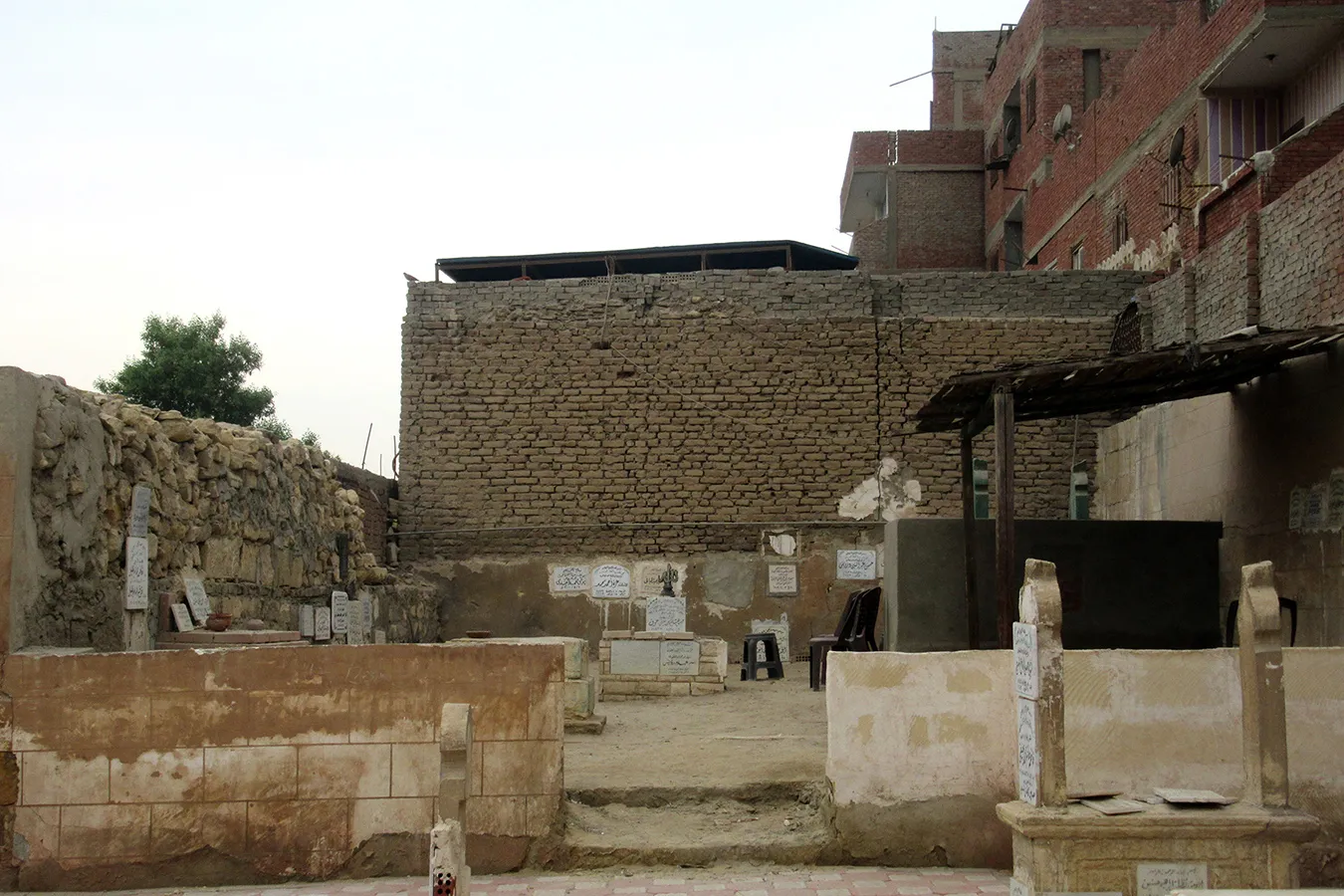
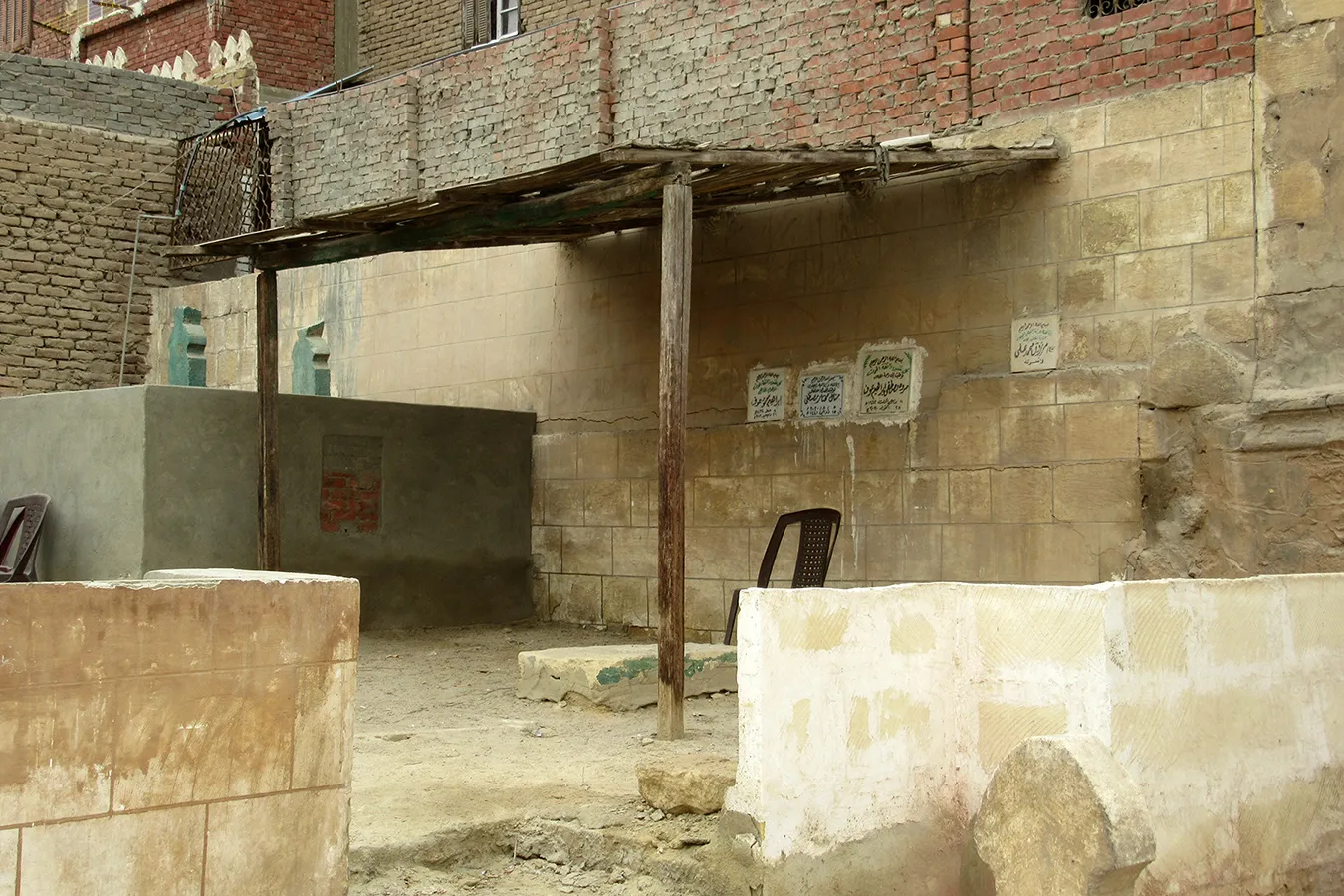
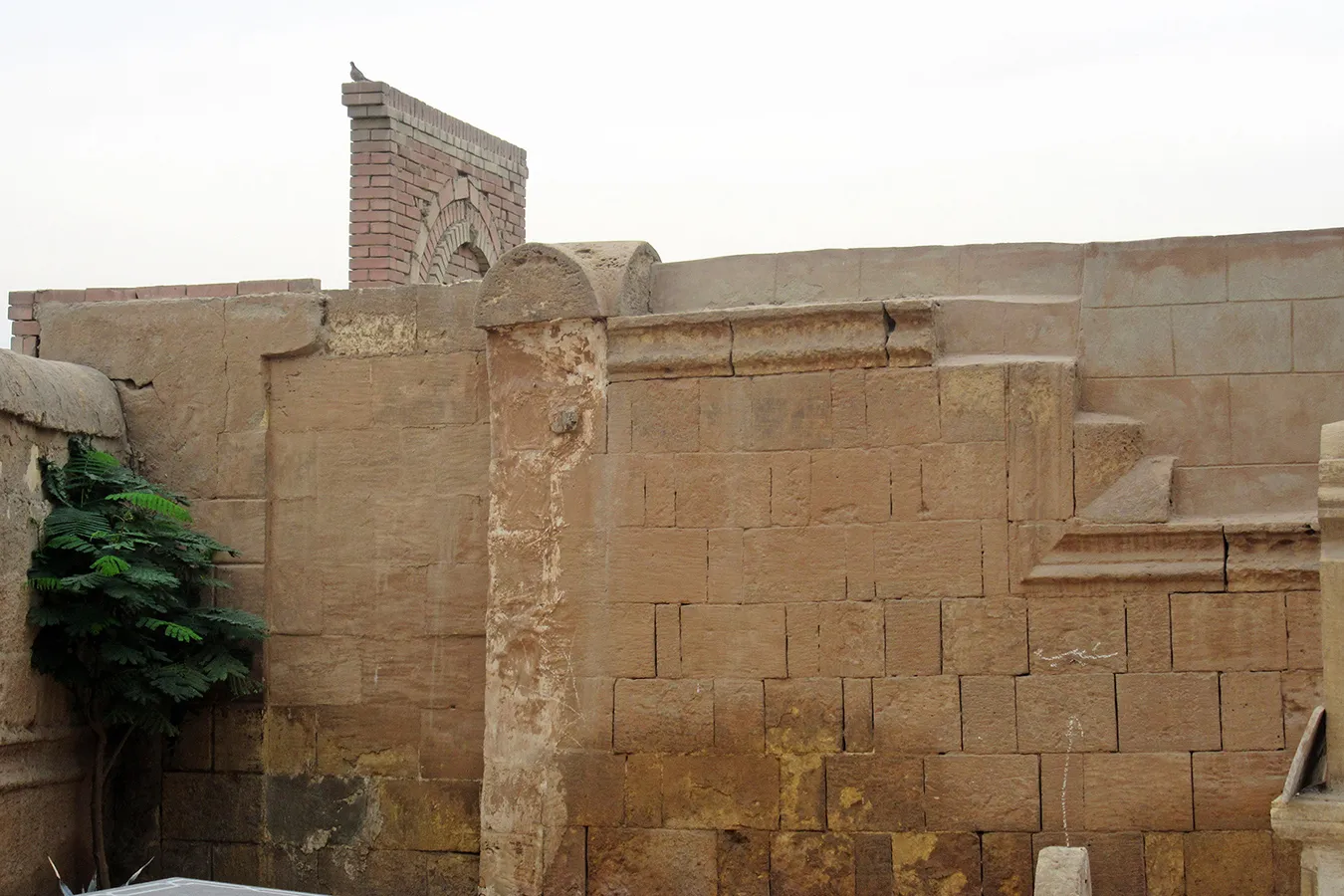
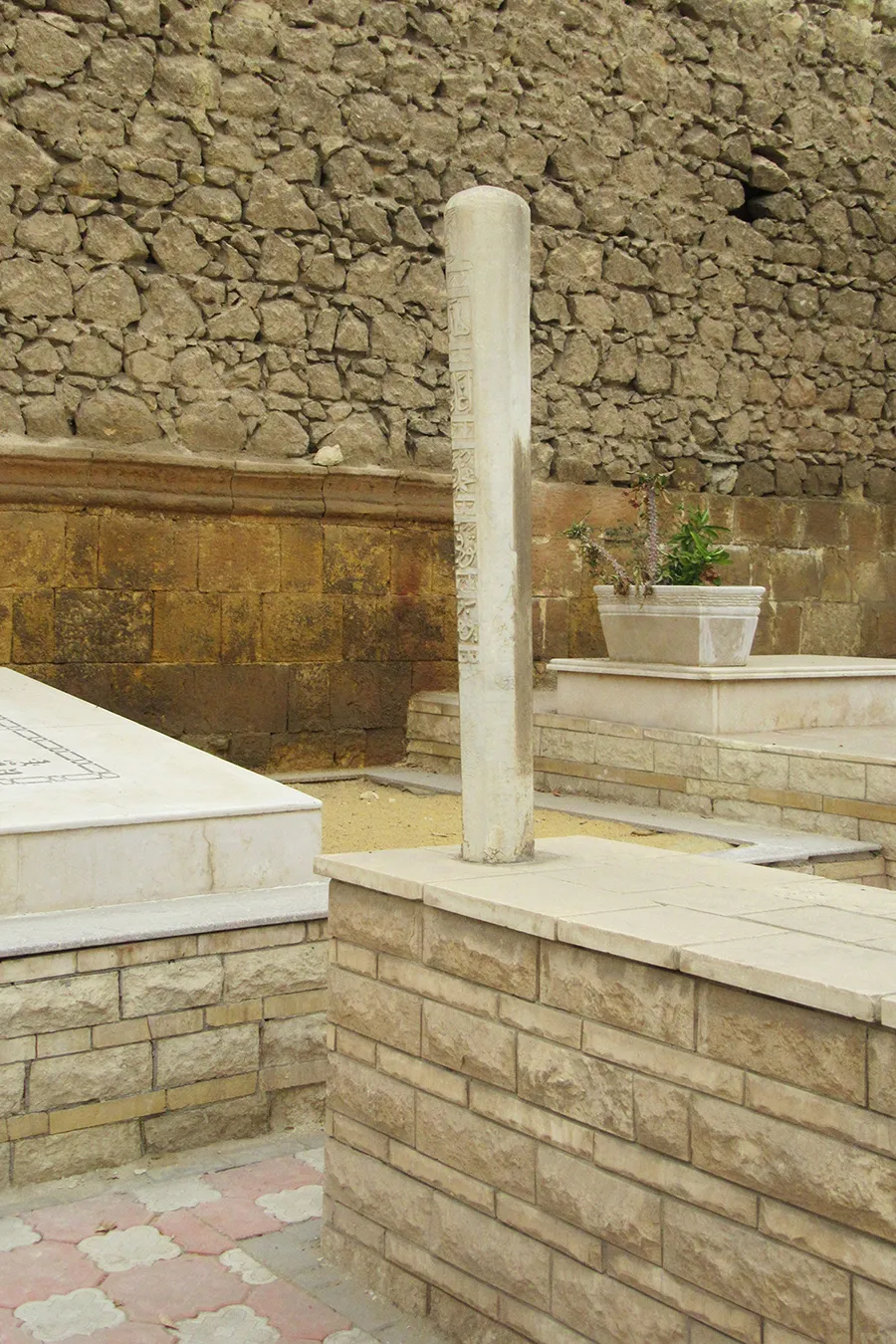
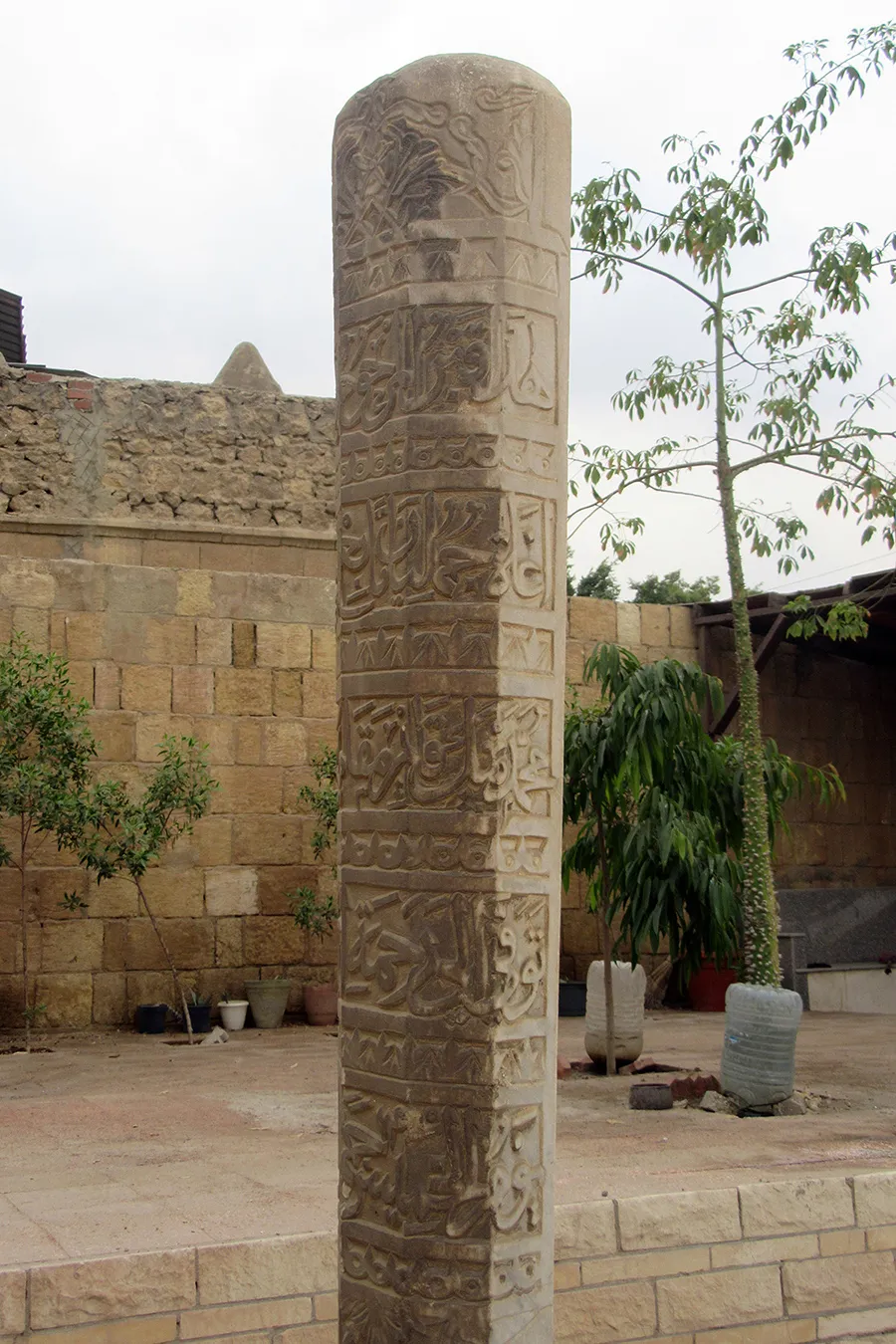
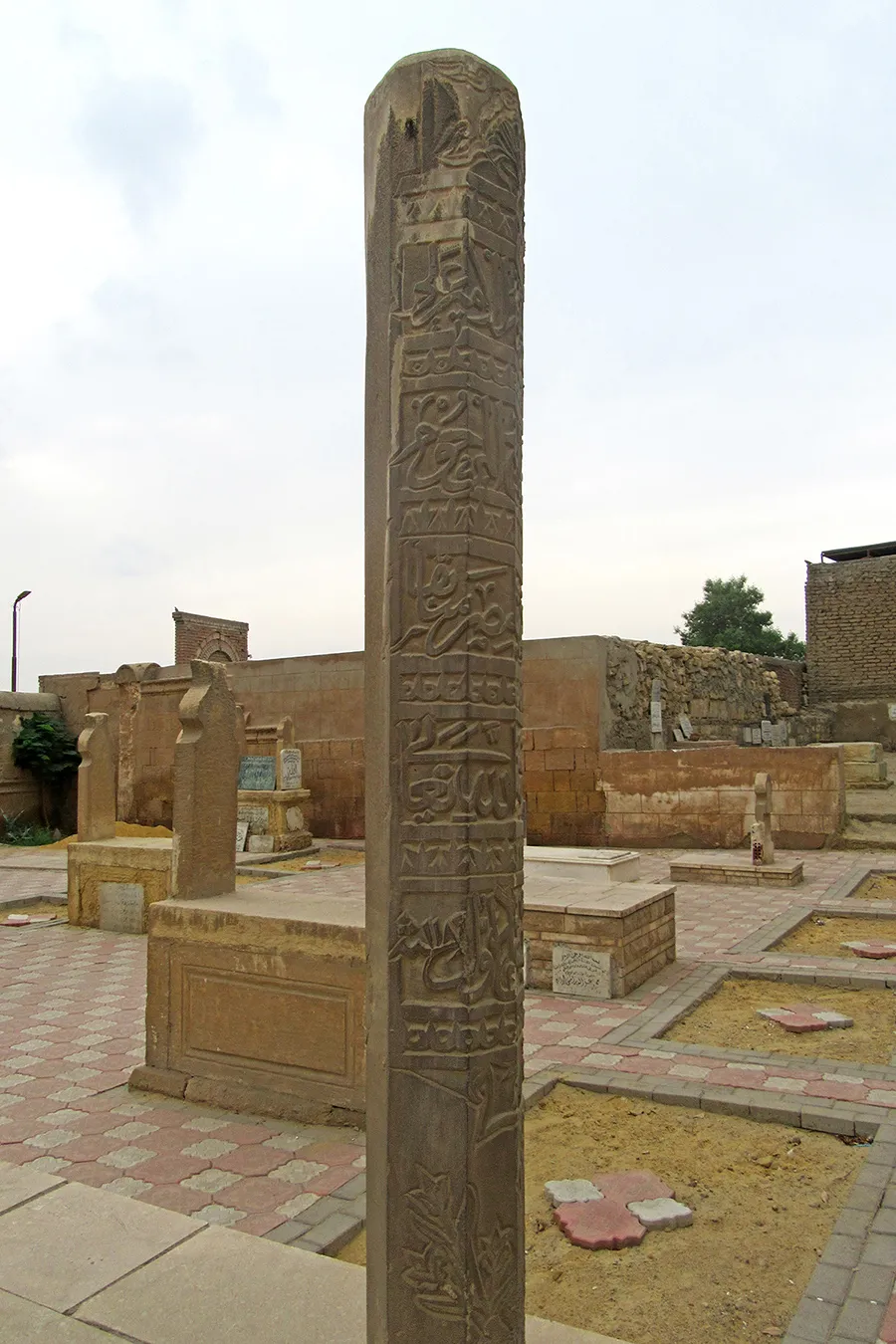
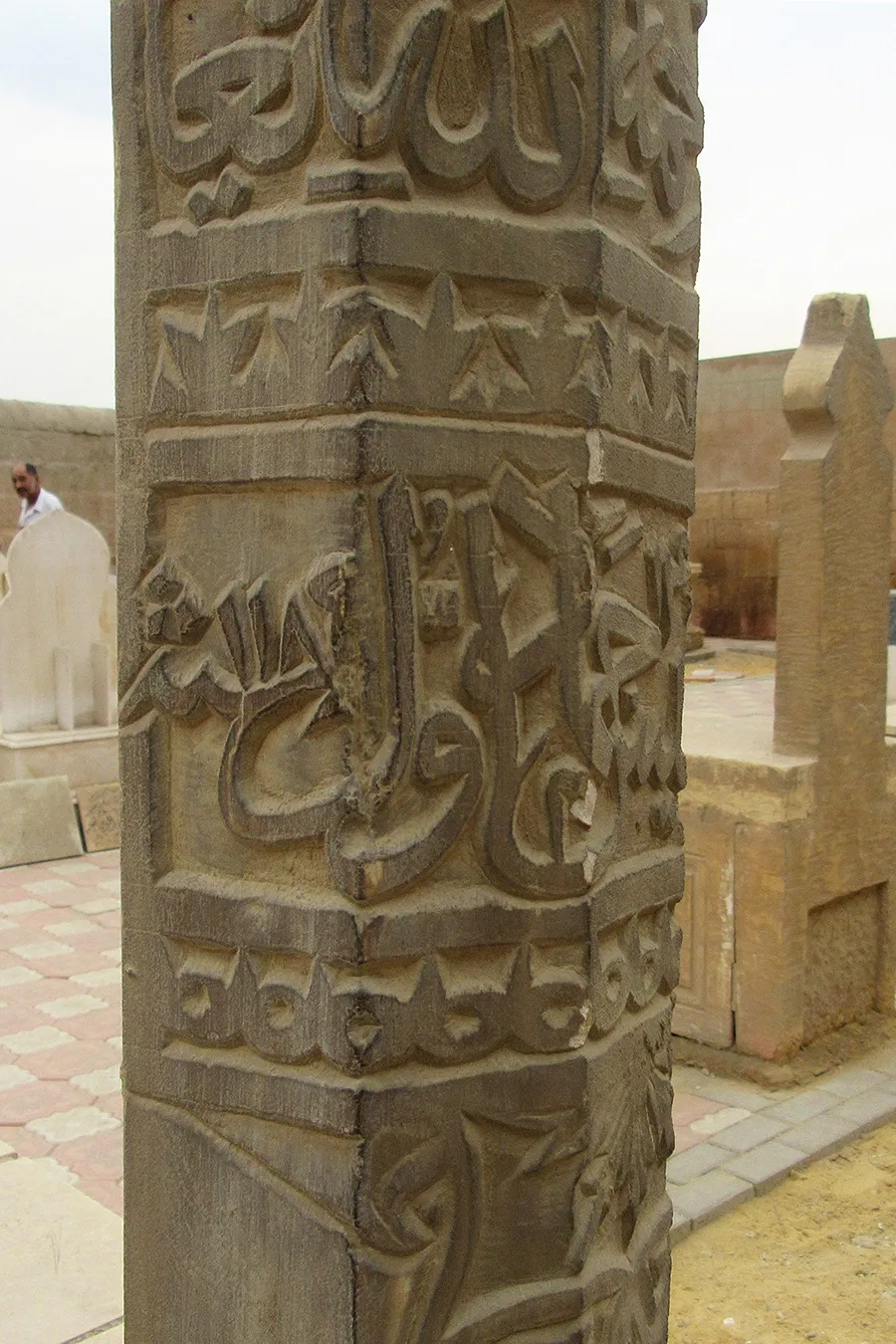
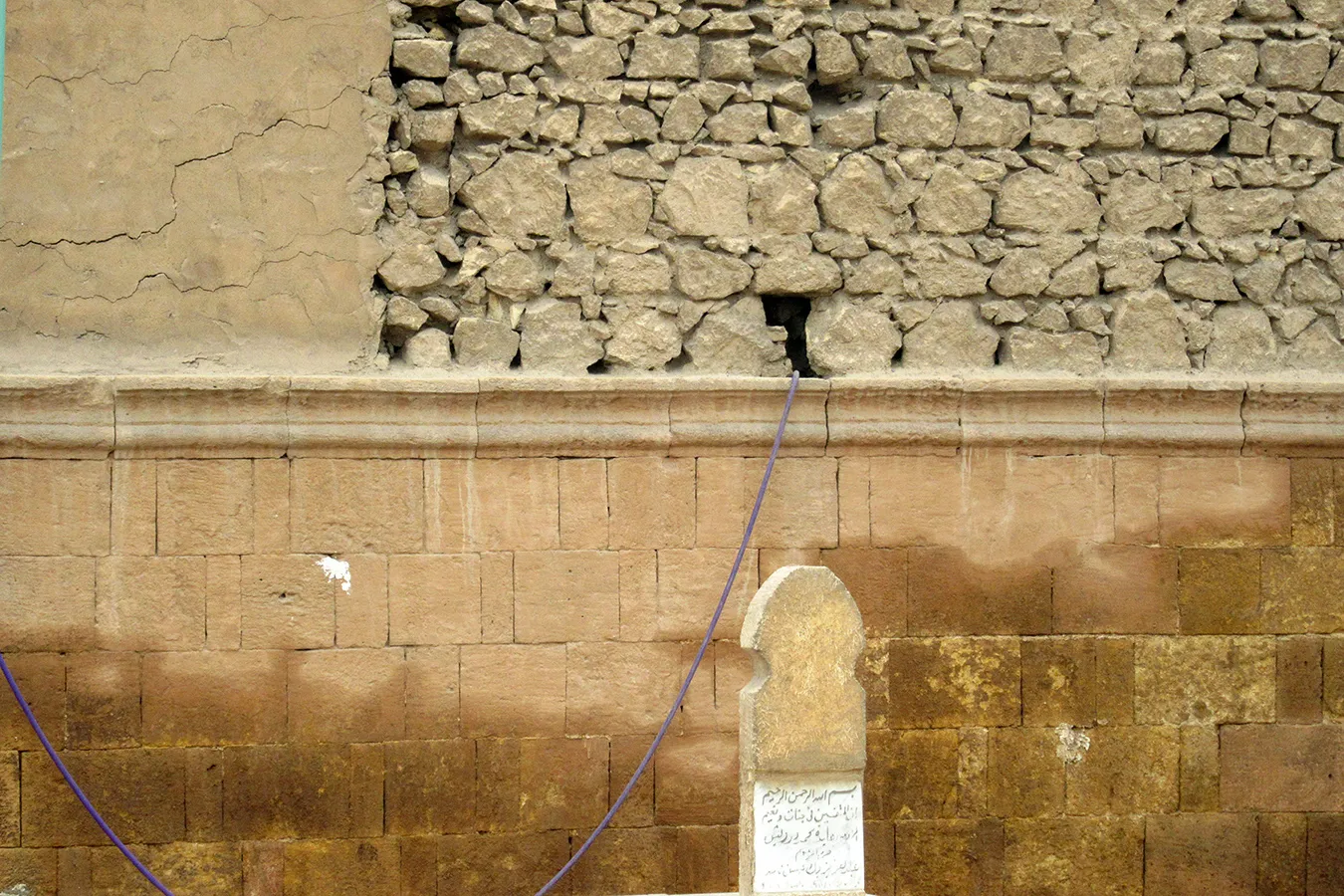
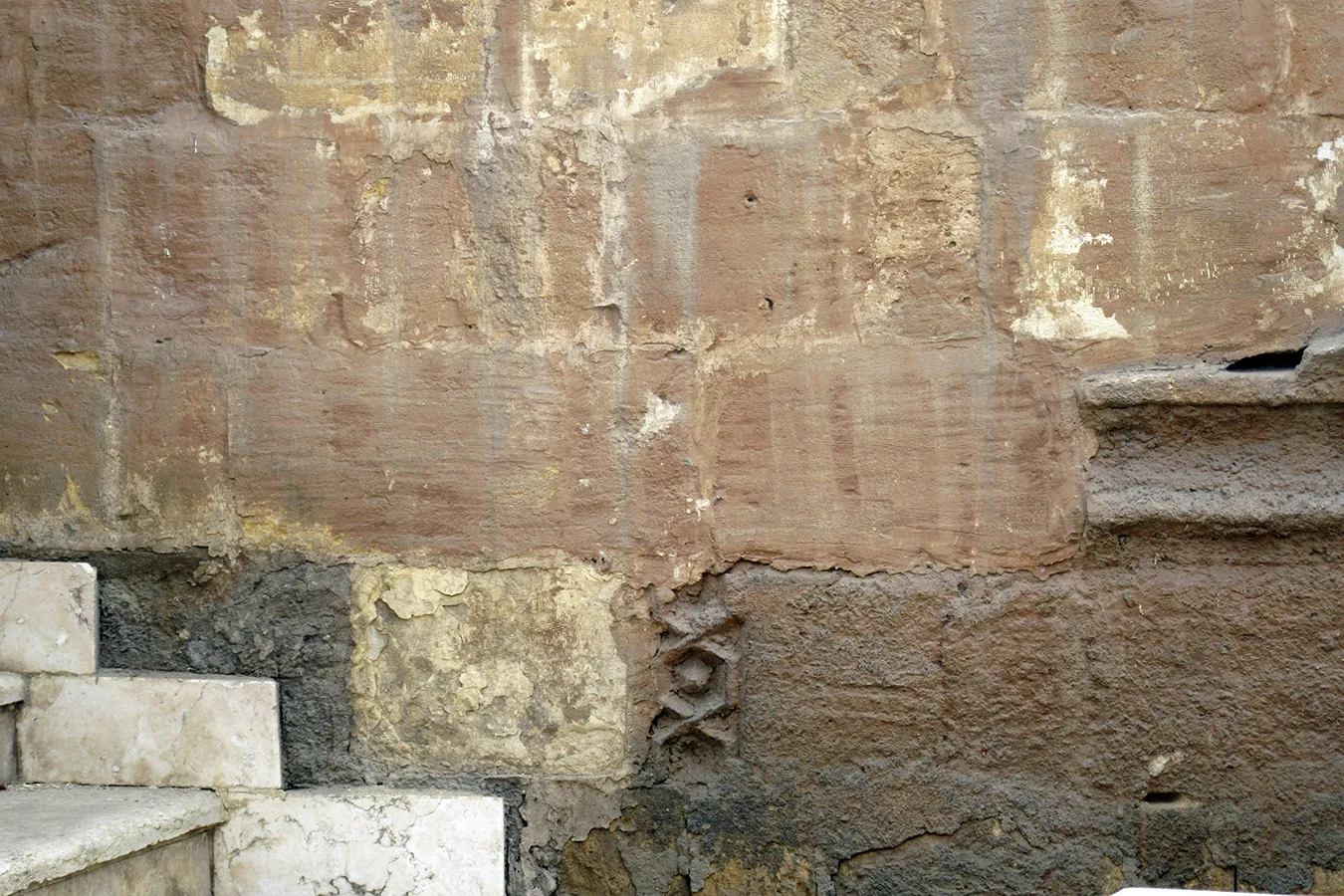
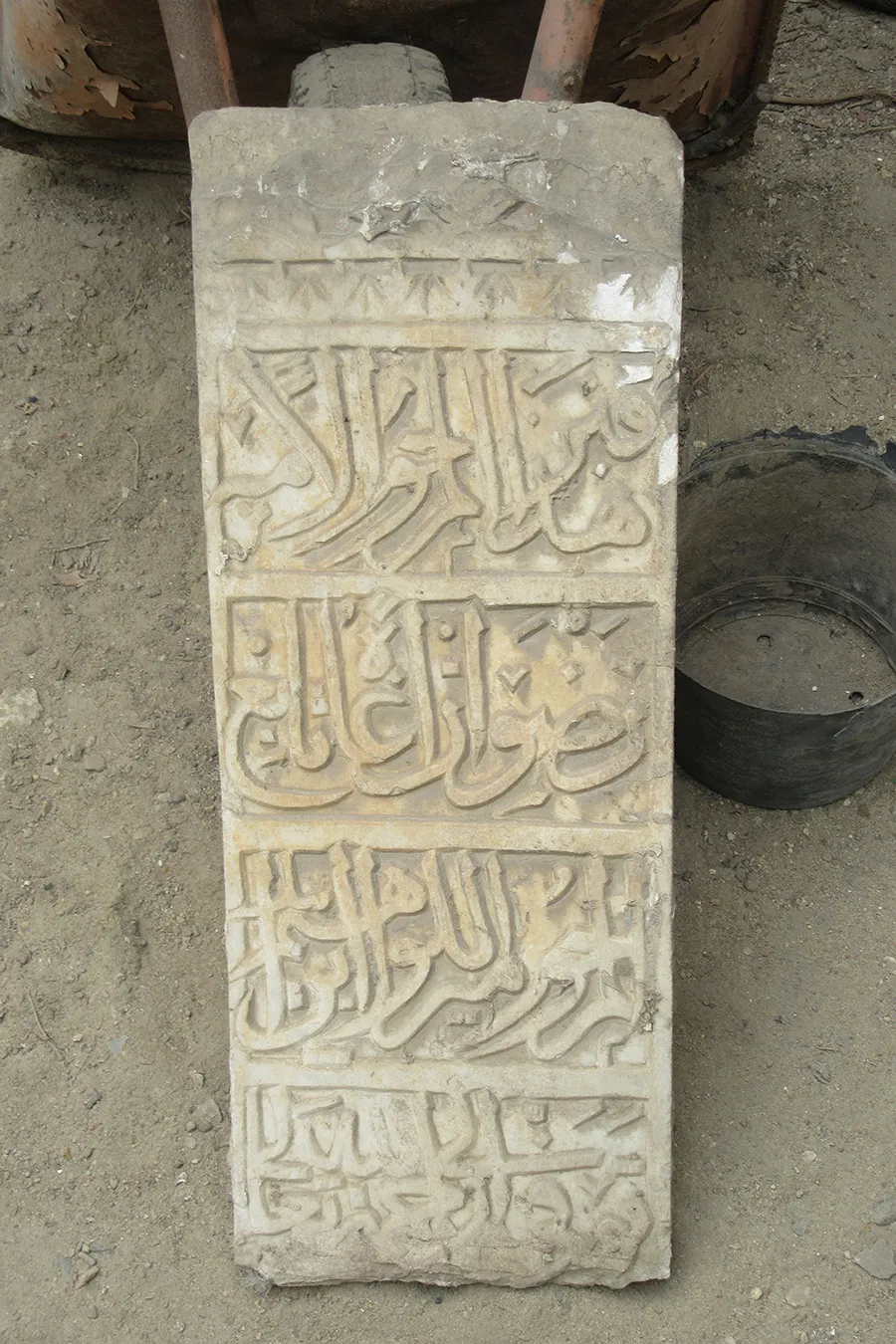
A trapezoid tetragonal enclosure measuring ca 22 x13-18 metres, with a smaller annexe at the northern end of the western side. Save the modern shed in the south-eastern corner, the enclosure is an open courtyard. The perimeter wall was evidently remodelled a number of times, and it includes features (such as bold mouldings curving around architectural features) typical of early 19th-century buildings in Cairo, e.g. the nearby funerary complex of Sulayman Agha al-Silahdar from the 1830s, or Muhammad ‘Ali’s buildings at the Citadel of Cairo. The whole eastern wall and north-eastern corner of the enclosure are clearly rebuilt, with some Ottoman-period decorated stone blocks haphazardly reused in the lower part. The simple, undecorated gate to the enclosure is covered with a segmental arch and placed in the southern wall. Inside the enclosure are numerous tomb markers with many marble plaques with incised inscriptions, of recent date. The tomb markers and plaques have been evidently rearranged and remodelled quite recently. A marble stela in the form of a post tapering towards the base and octagonal in section bears five band of calligraphic inscriptions in raised relief, including the date 1198 AH [=AD 1775]. The floral decoration on the stela is in the style consistent with this date, resembling e.g. the buildings of ‘Abd al-Rahman Katkhkuda. The stela has been mounted on a modern tomb marker.
Condition of preservation
The enclosure has been remodelled many times. Apparently quite recently it has undergone a renovation programme that included rebuilding or re-facing of many tomb markers, rearranging of inscription plaques and new paving in cement tiles.
Information abut the founder, family history, etc.
The title katkhuda mustahfizan in Ottoman Egypt signified the commander of the members of the janissary corps, who were locally called mustahfizan, meaning “guardians” [of the gates to the Northern Enclosure in the Citadel of Cairo, where they were stationed.] This was a very high position in the power structure of the Beylicate, a group of high military officers who by the eighteen century were often the effective rulers of Egypt. (Williams, p.307)
References in published/primary sources
• Wucher King, Joan Historical Dictionary of Egypt, American University in Cairo Press 1984, p. 206, 370-1, 384
• Williams, Caroline, Islamic Monuments in Cairo, American University in Cairo Press, 2018 (7th ed.), p.309
- Field recording by
- Muhammad Esam , Esraa al-Mahdy, Hadeer Ahmad
- Date recorded
- October 2, 2023
- Data entered by
- Hadeer Ahmad
- Date entered
- May 1, 2024