
Unit No66
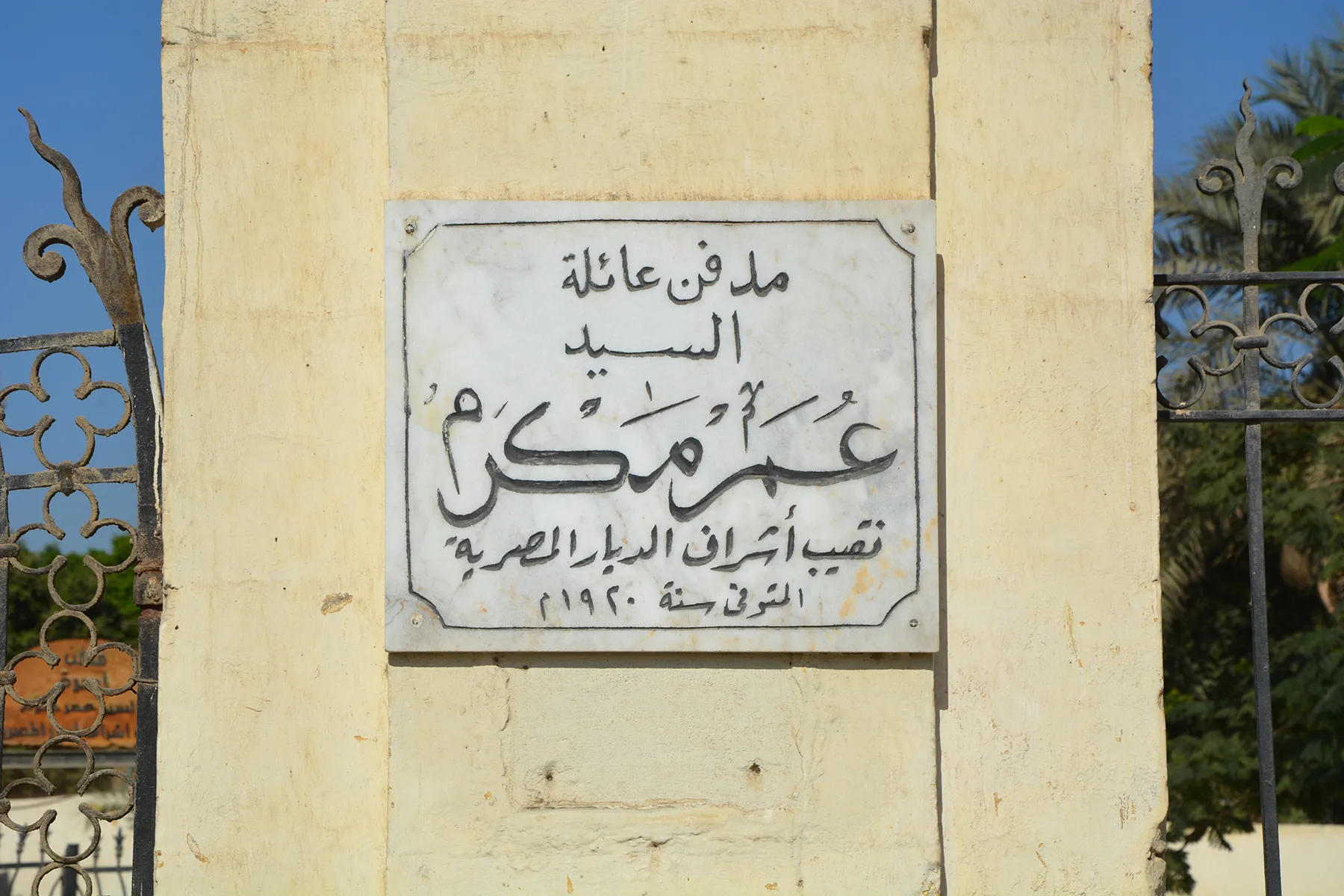
Omar Makram Family
|
Coordinates of the main entrance |
30.049792N - 31.277014E |
|
Attribution |
Omar Makram Family |
|
Higri (AH)Dates as given in the Inscription |
1338 |
|
Miladi (AD)Dates as given in the Inscription |
|
|
Inscription Contemporary with the building? |
Yes |
|
Multiple date(s) In the inscription? |
Yes |
|
Assumed Date |
see section "History" |
|
Based on |
|
|
Original Use |
Funerary enclosure |
|
Current Use |
Funerary enclosure, residence of the keepers |
|
Overall condition |
Good |
Features of unit 66
| Present | Count | Material | Comments (see description for details) | |
|---|---|---|---|---|
| Free standing structure | No | |||
| Walled enclosure | Yes | 1 | stone | |
| Rooms by the perimeter wall | Yes | stone | Inaccessible | |
| Freestanding structure(s) in enclousure | Yes | 1 | Inaccessible | |
| Dome over the tomb chamber | No | |||
| Neo-Mamluk architectural decoration | Yes | |||
| Garden layout | Yes | |||
| Sabil(s) | Yes | 1 | A separate dedicated structure | |
| Wall fountain(s) | No | |||
| Canopy on columns / pillars | No | |||
| Carved marble cenotaph(s) | No | Possibly present, interiors inaccessible | ||
| Decorated limestone tomb-markers | Yes | 3 | Possibly more, interiors inaccessible | |
| Decorated gateway | Yes | 4 | stone | 2 street entrances + 2 to the back yard |
| Decorative door-leaves | Yes | 8 | wrought iron | |
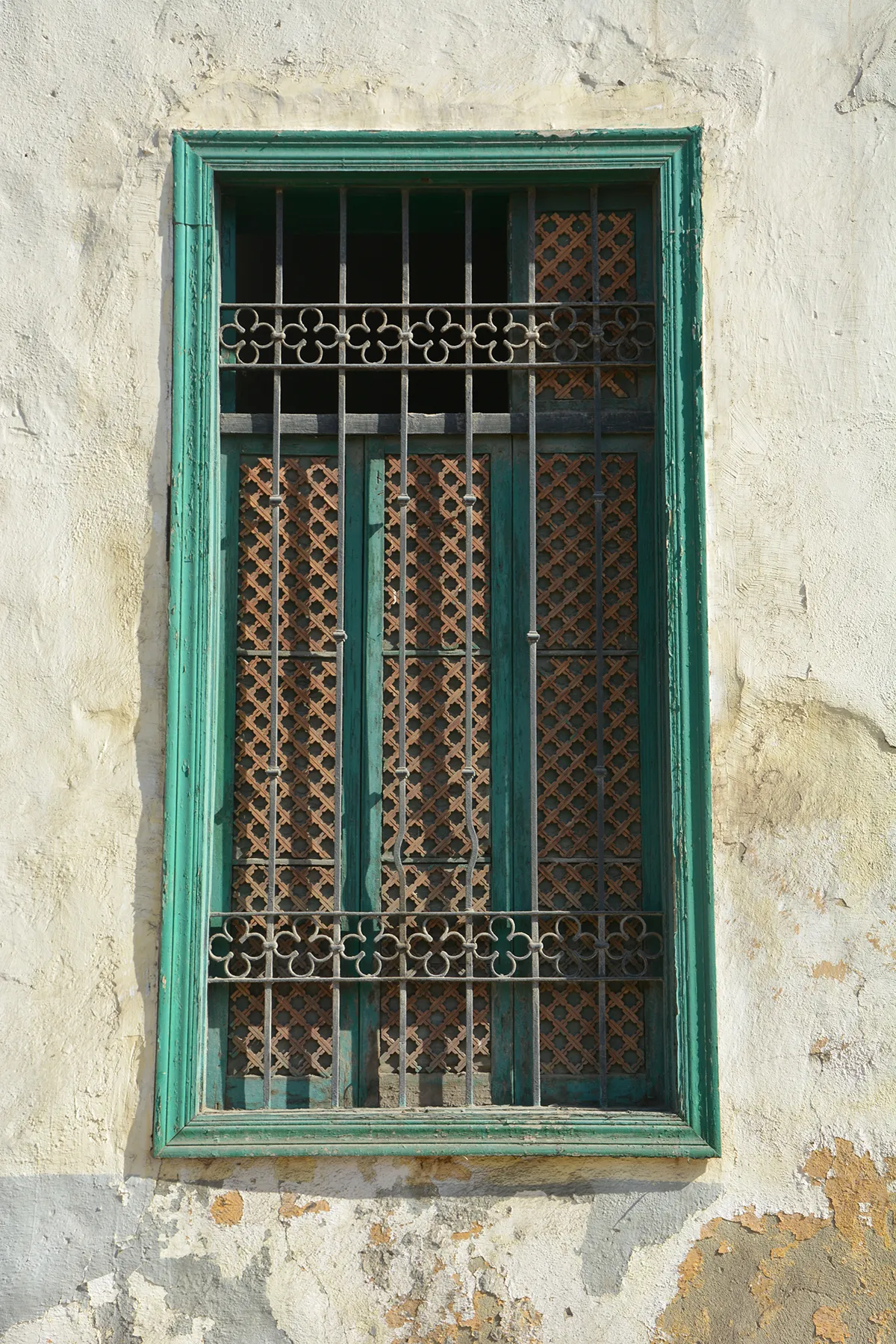
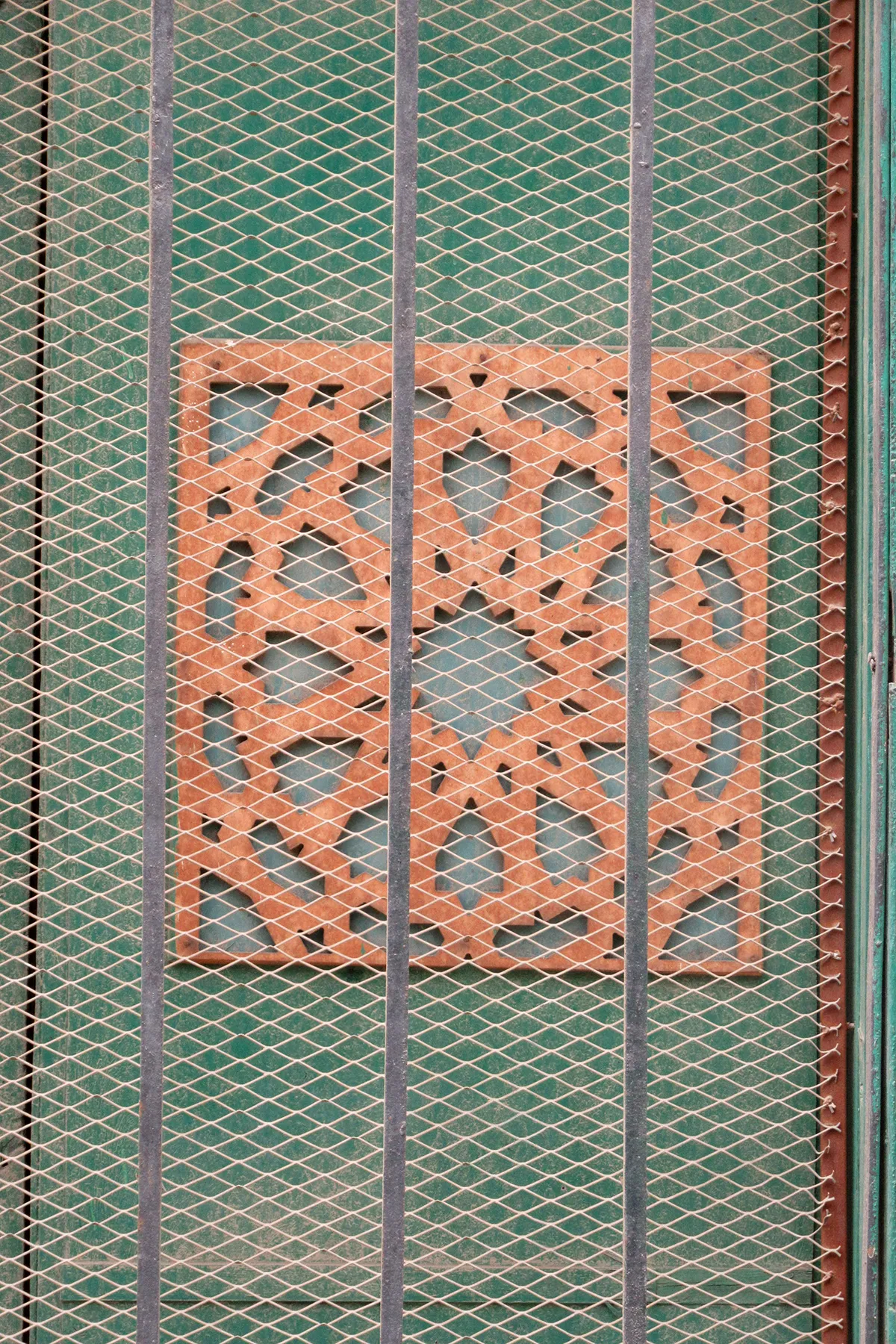
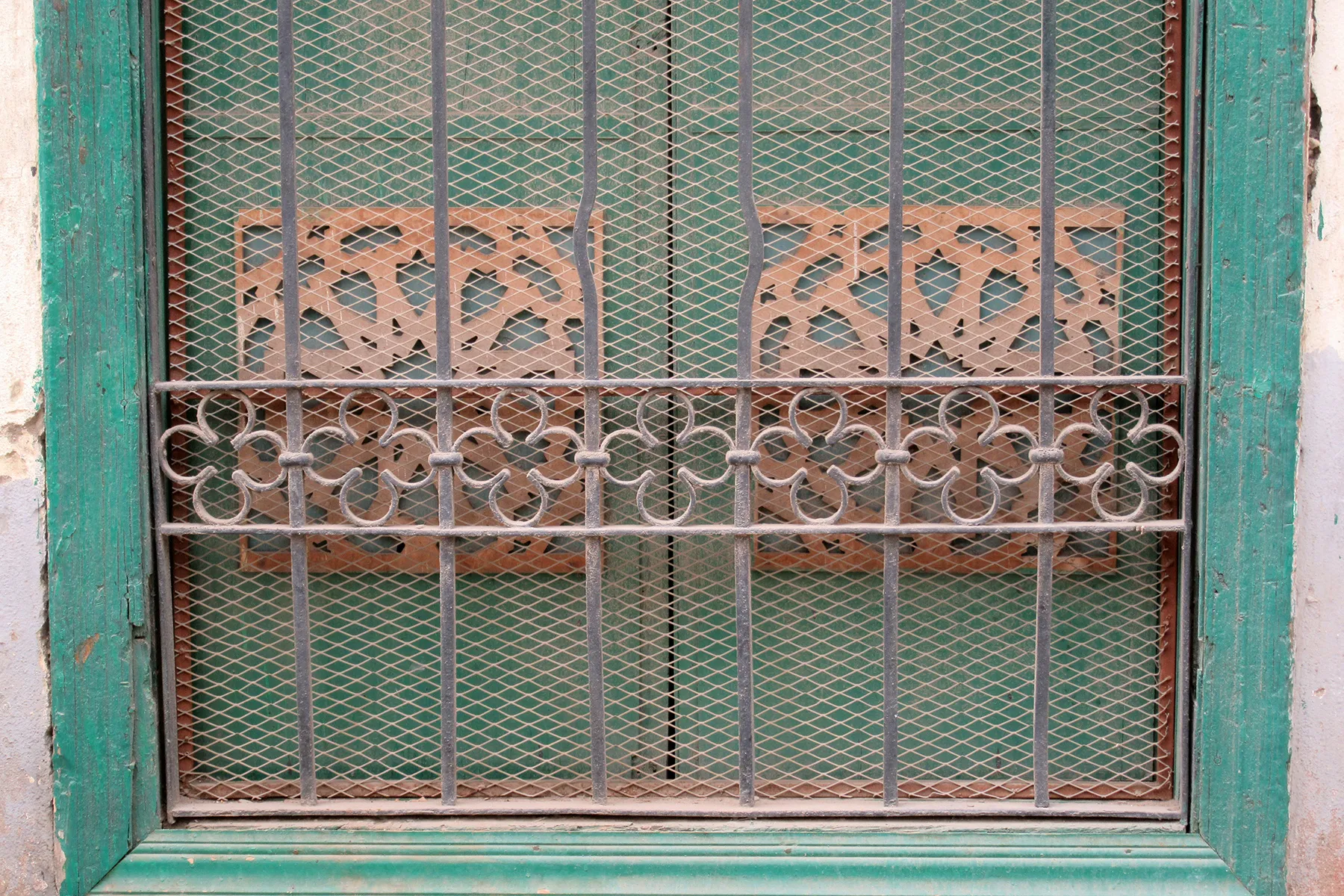
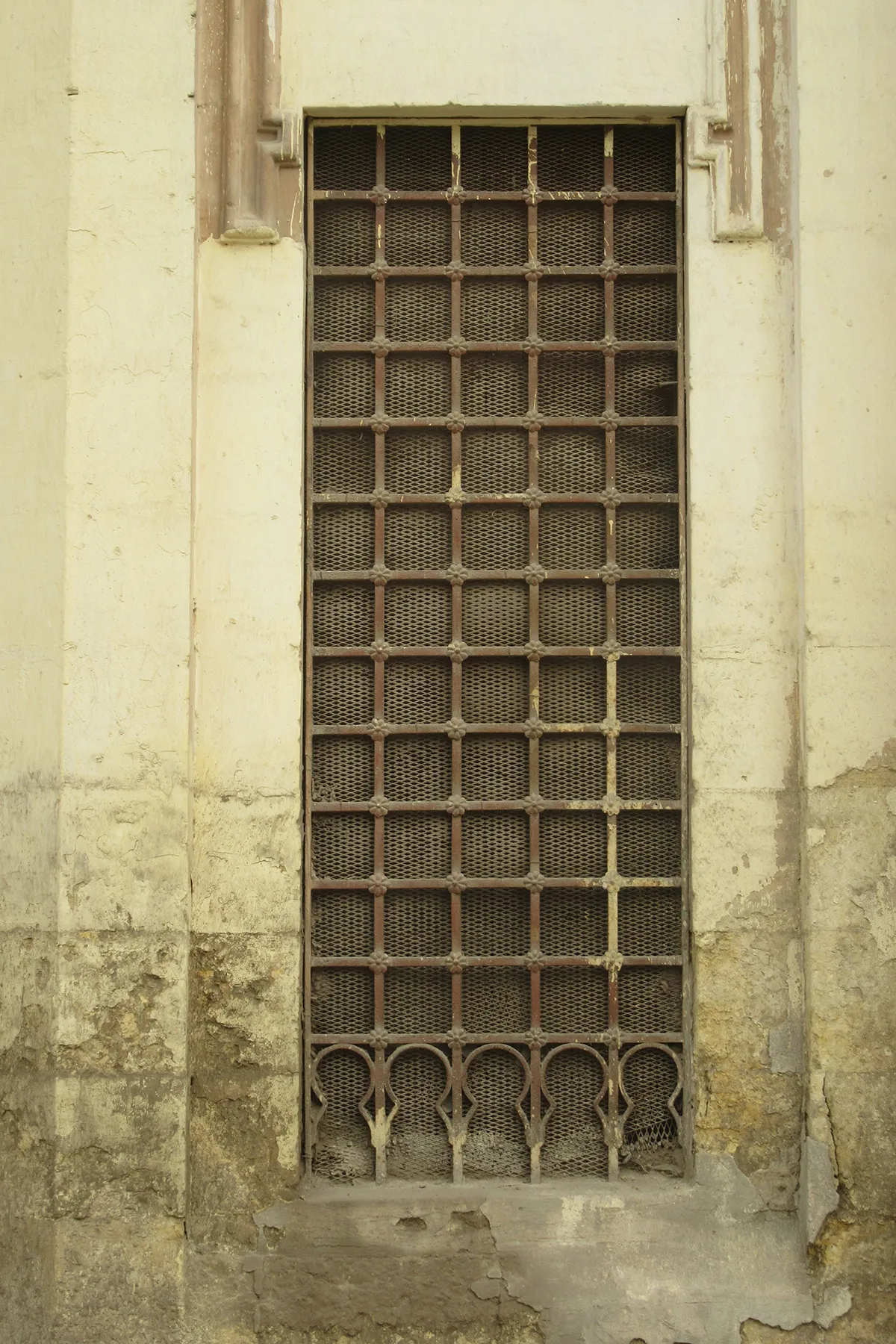
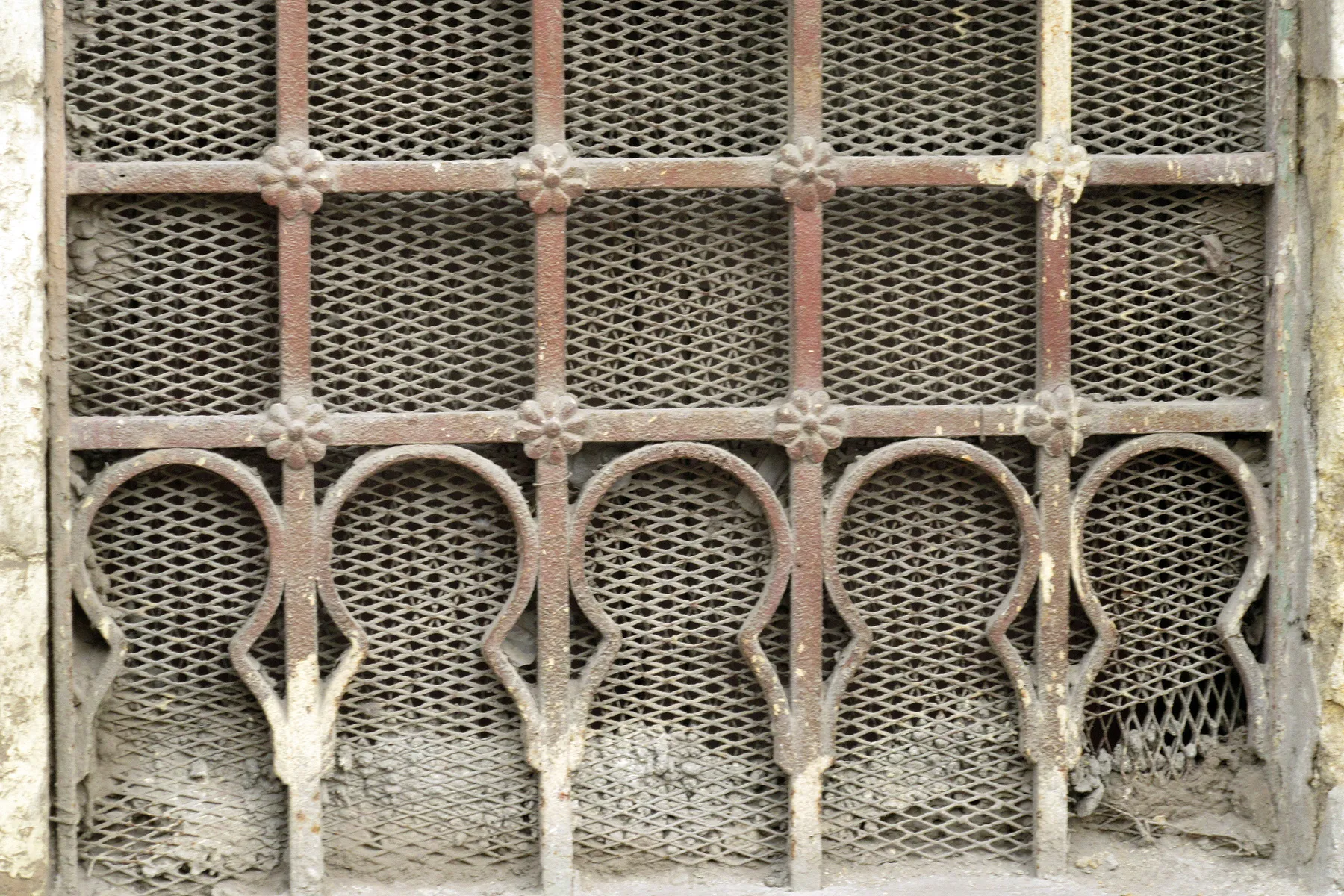
| Decorative window grilles | Yes | wrought iron | Throughout the complex | |
| Decorative shutters | Yes | wood | Throughout the complex | |
| Painted ceiling(s) | No | Possibly present, interiors inaccessible | ||
| Decorative paving(s) | No | Possibly present, interiors inaccessible |
Unusual or unique features
• Unusually large scale
• Unusually complex layout
• The free-standing mausoleum inside the enclosure at an angle in relation to perimeter walls to conform with the qibla direction.
Description (The direction towards Mecca (Qibla) is described as eastern and other directions are named accordingly)
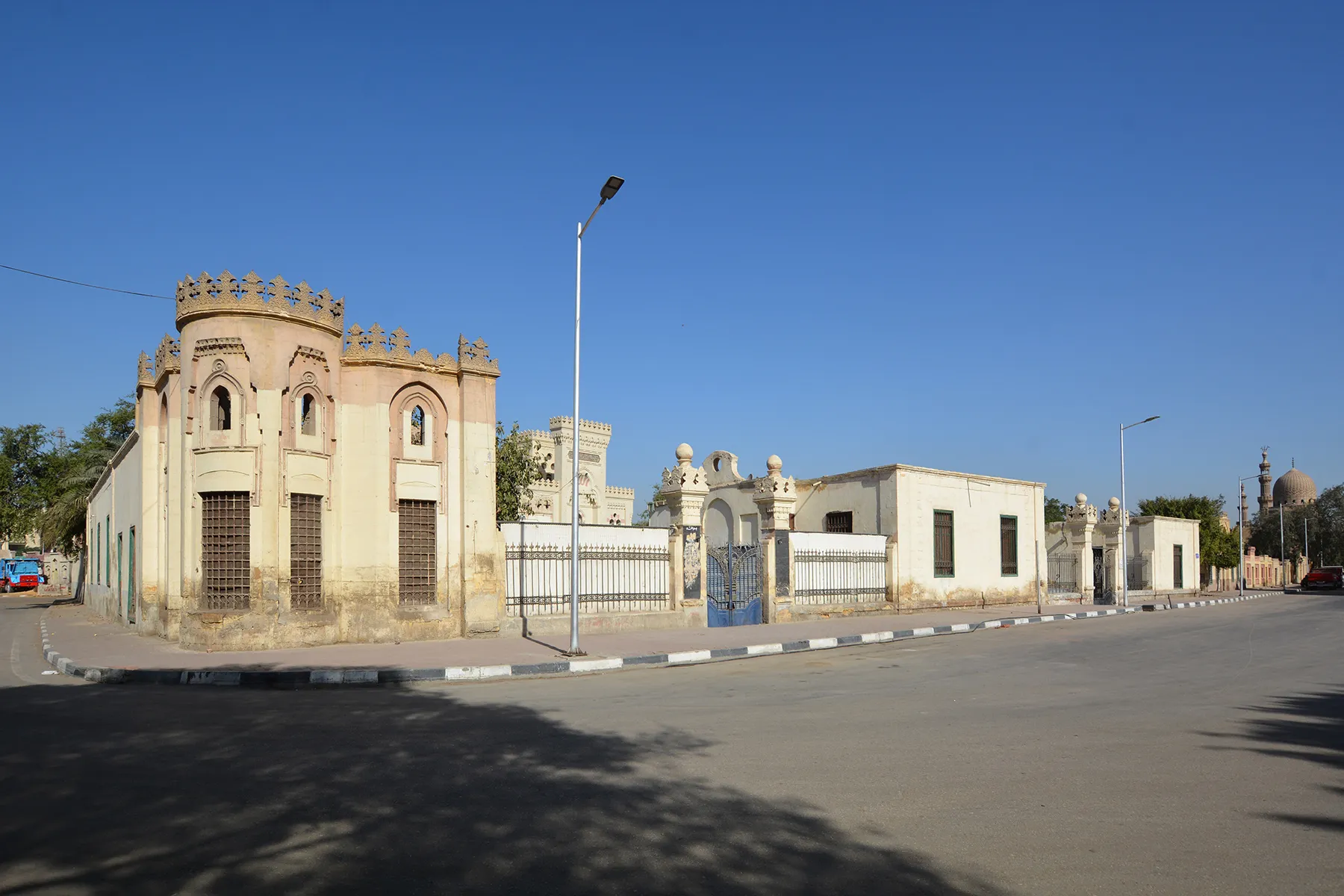
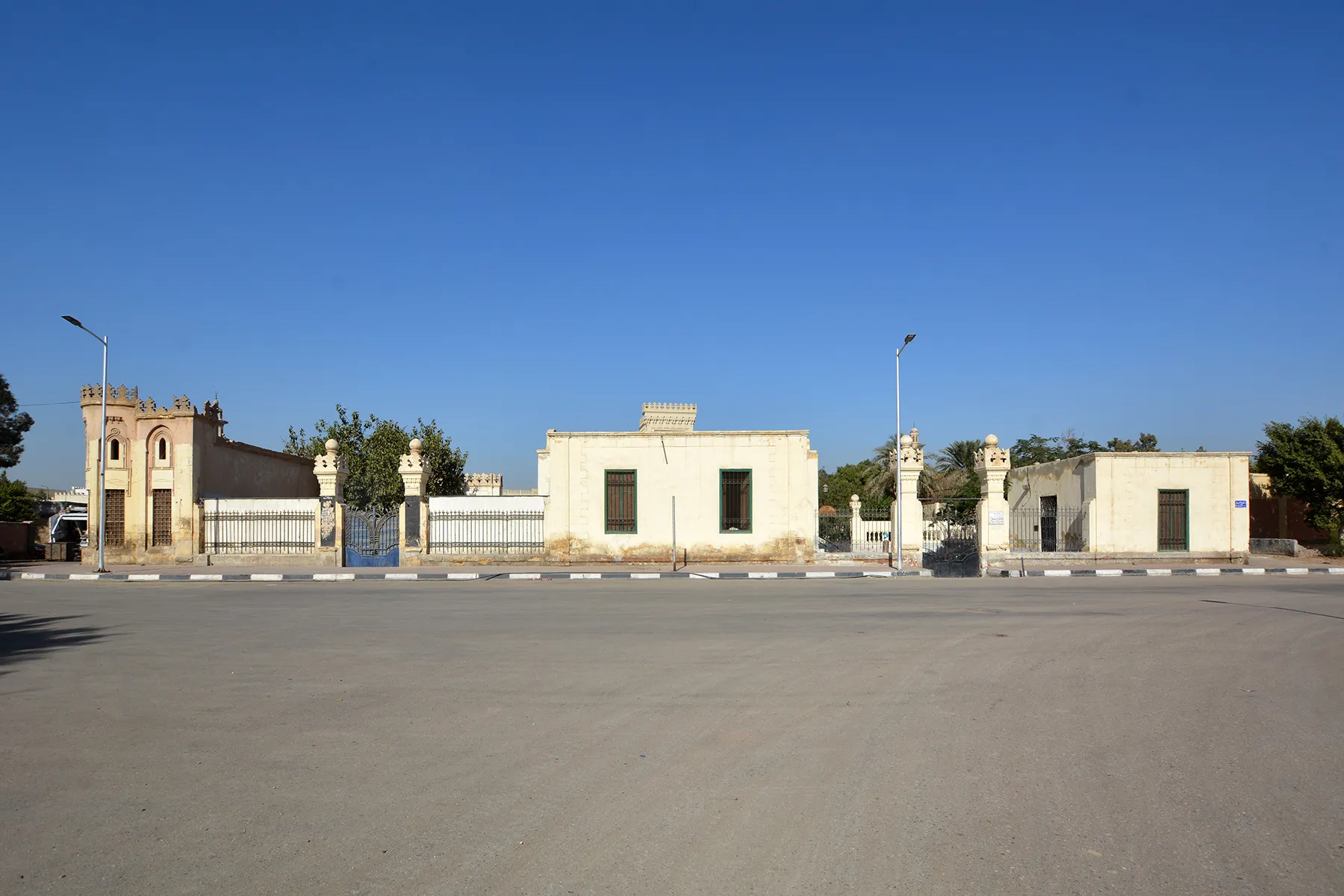
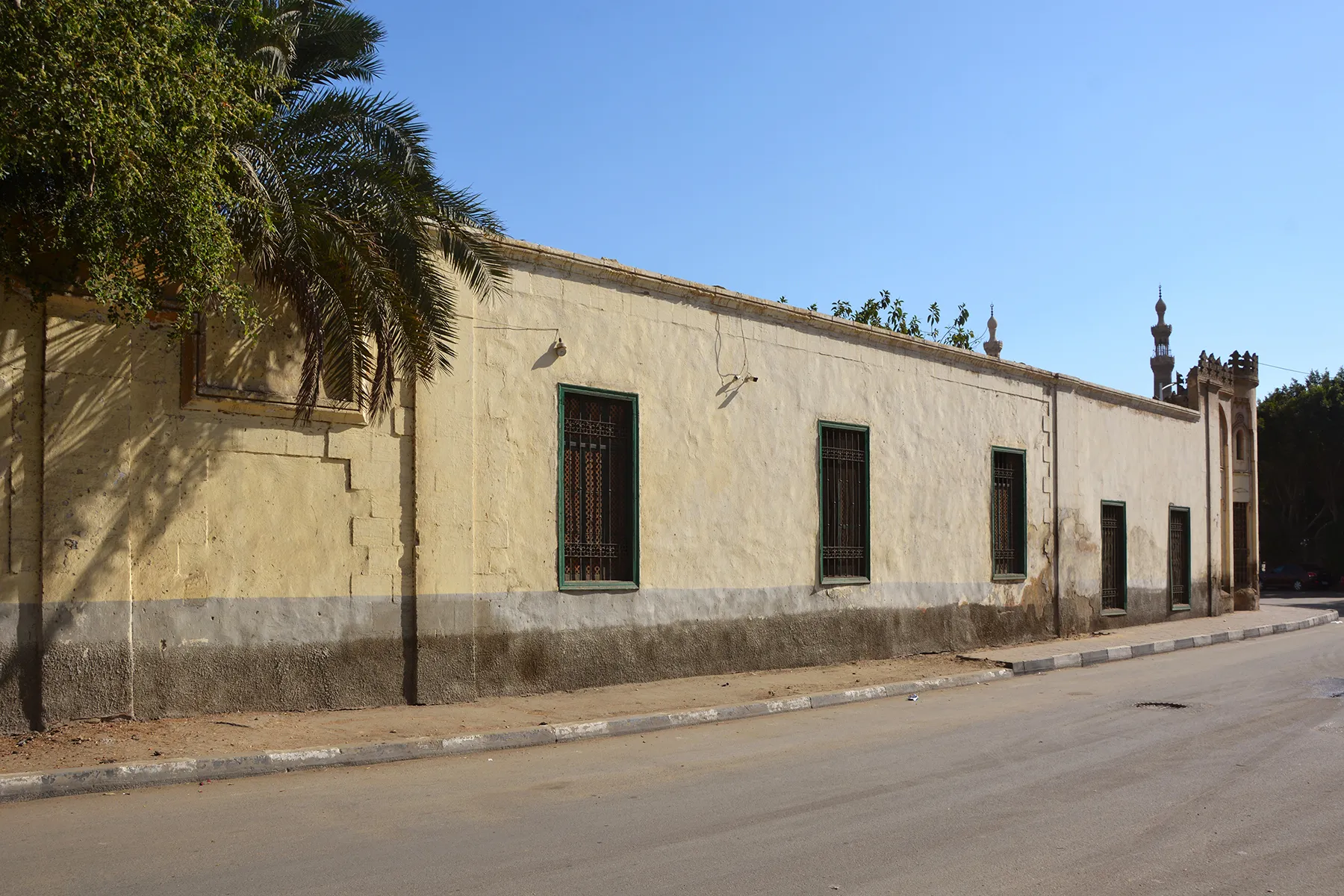
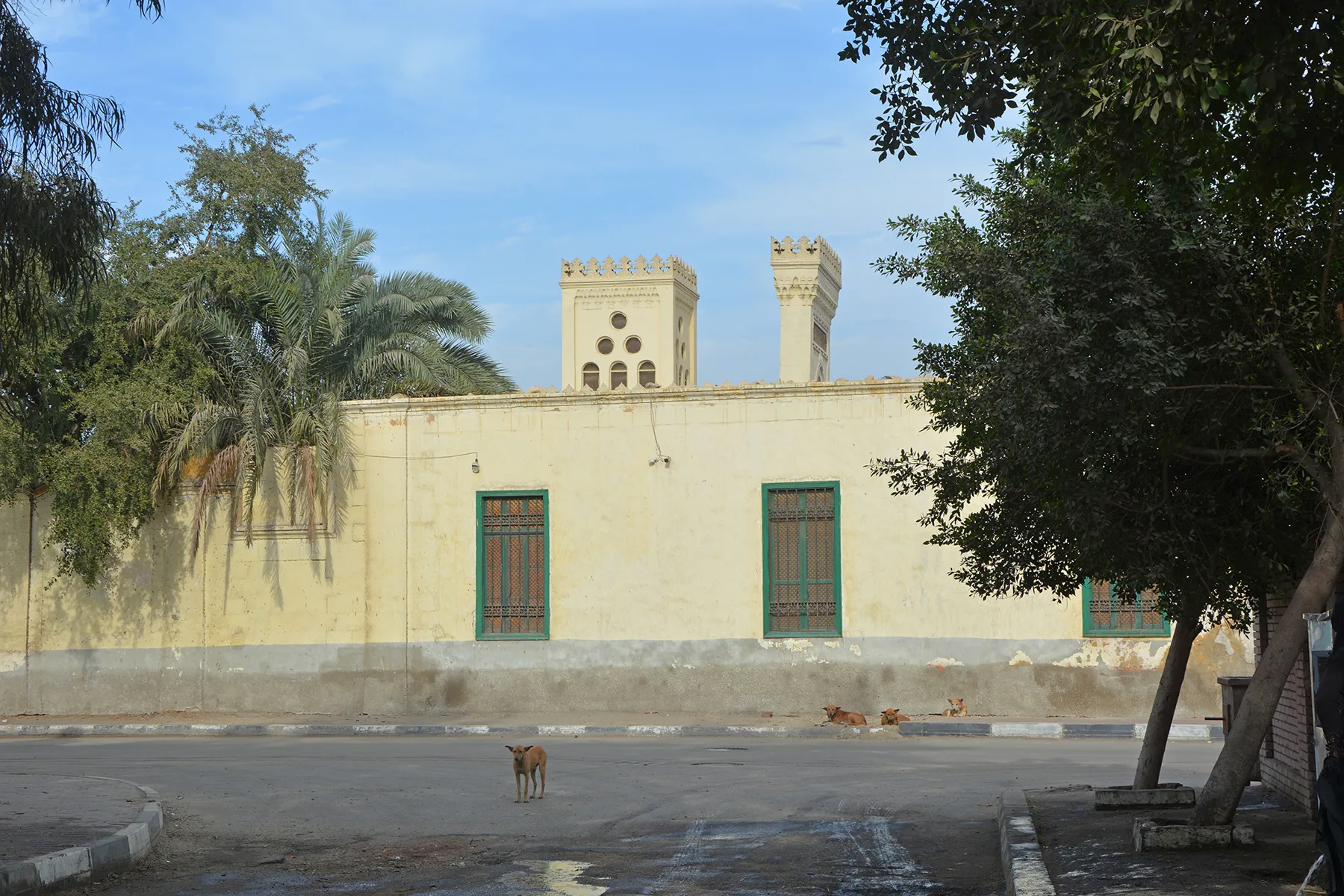
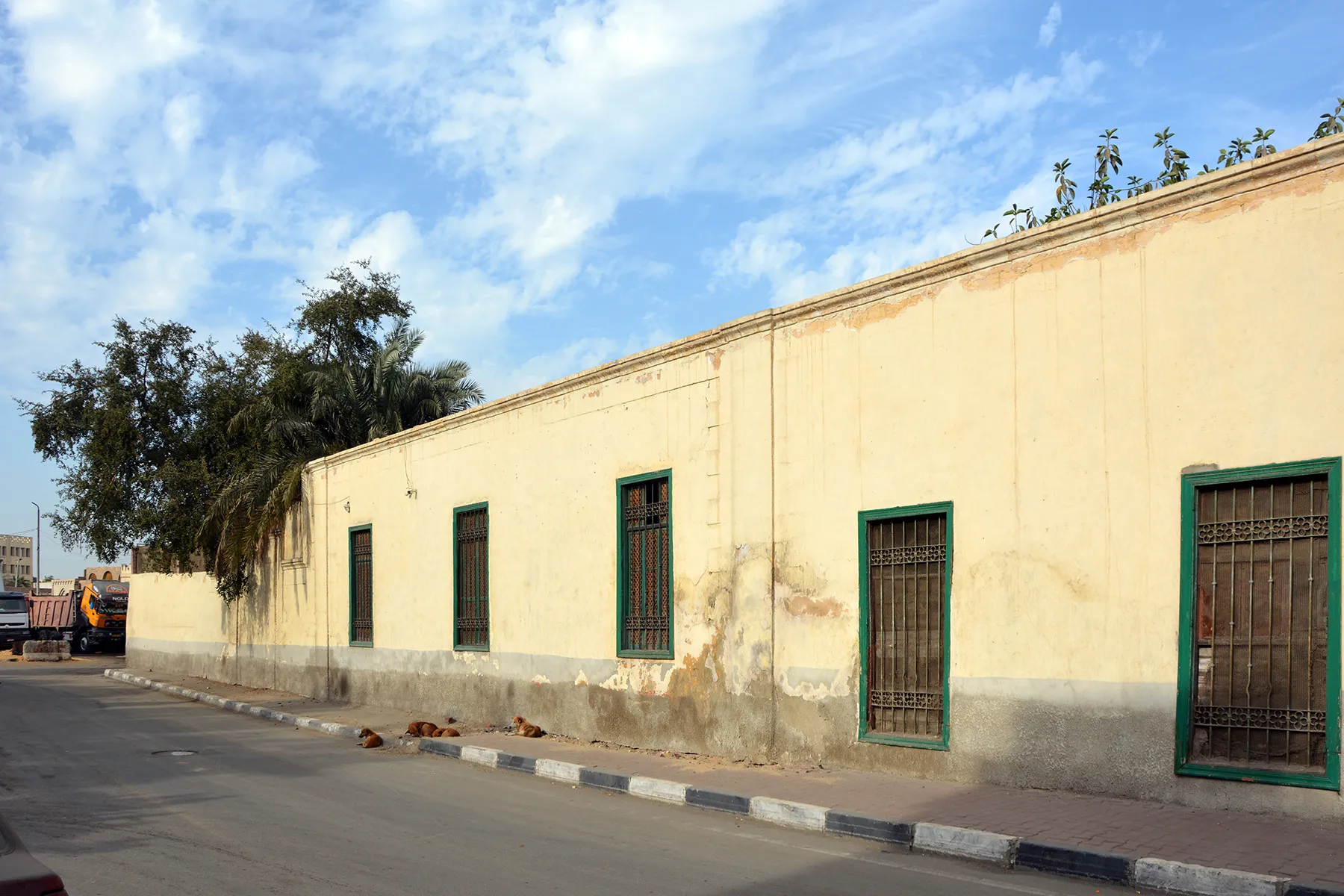
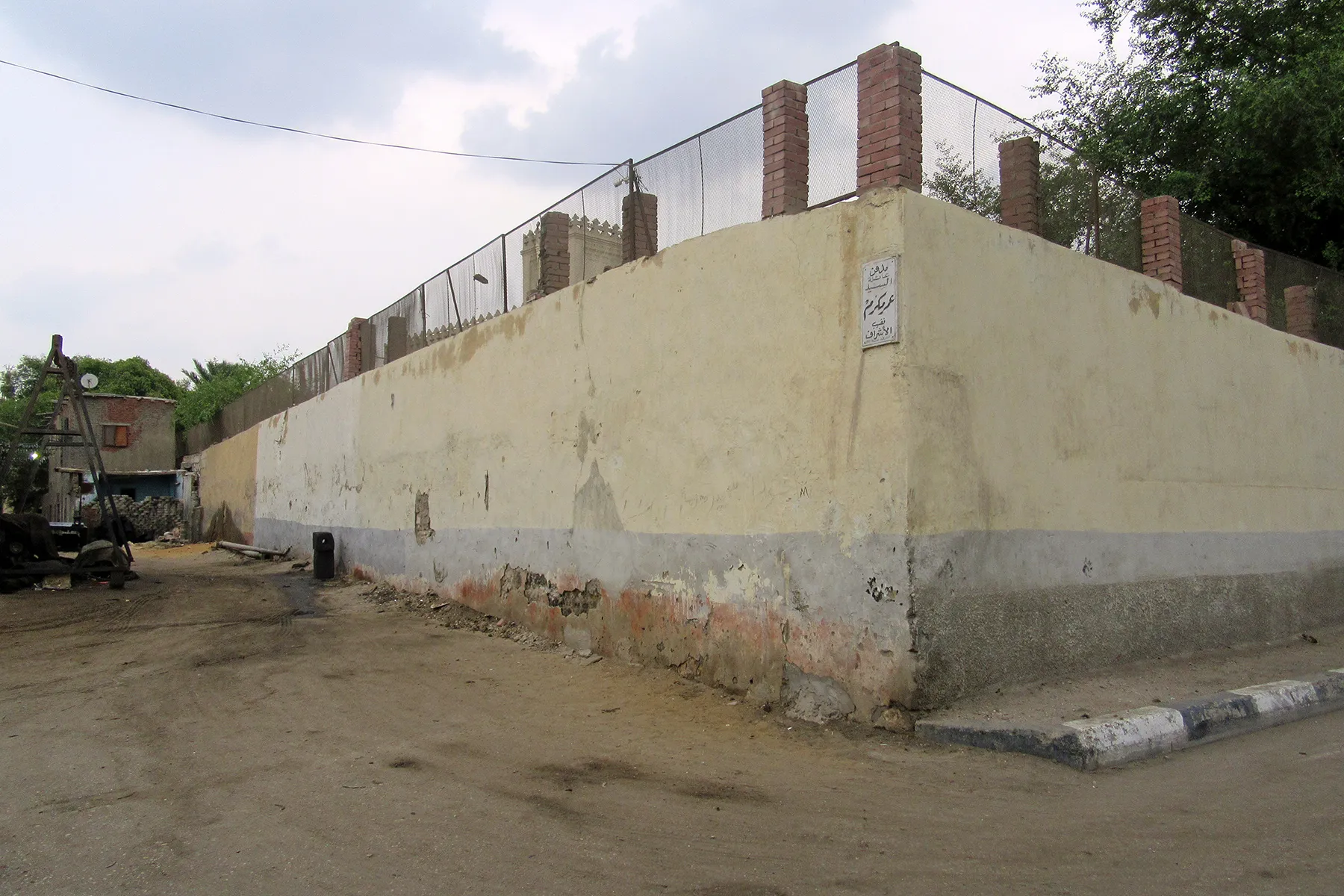
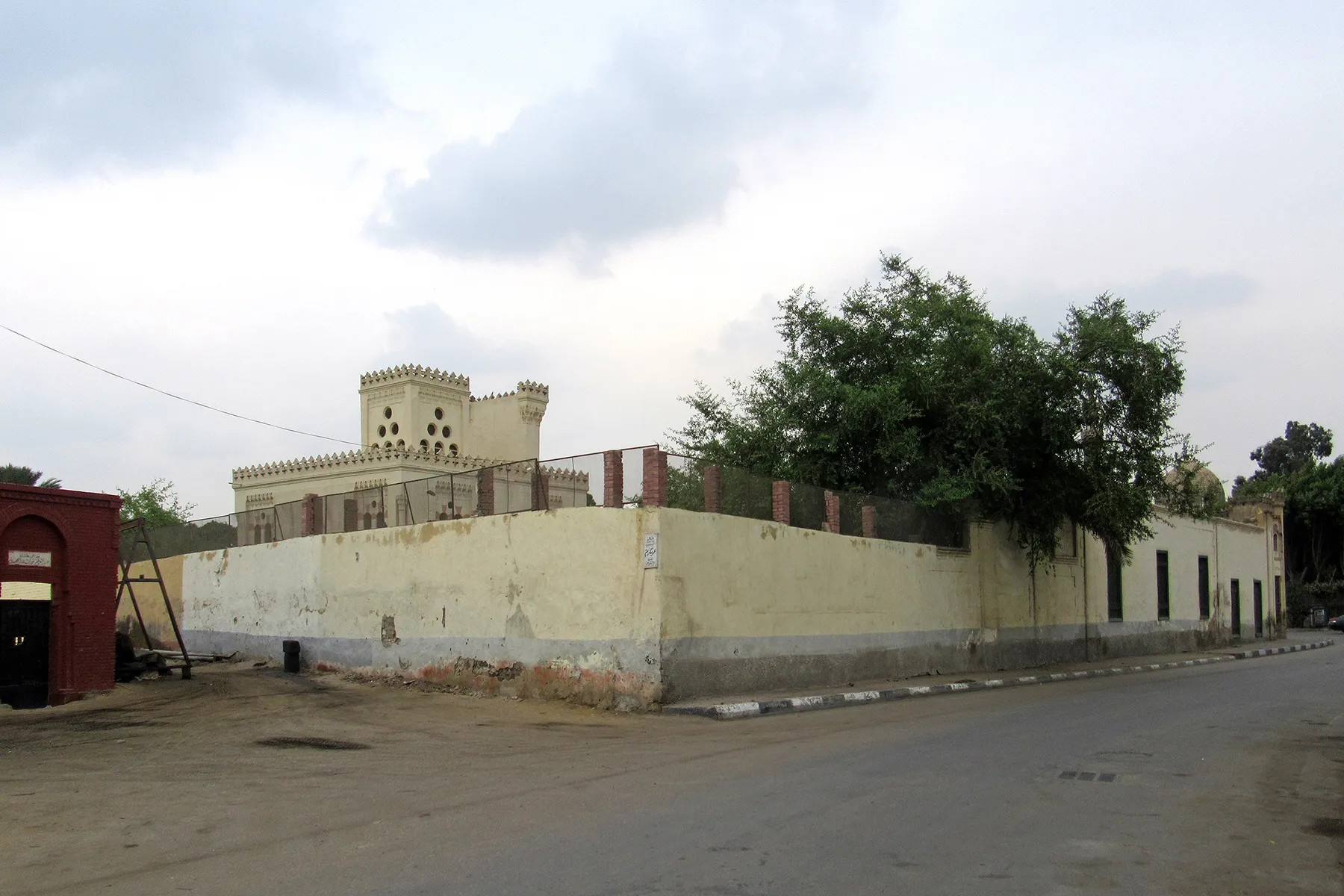
A large, roughly square, slightly askew enclosure measuring ca 50 x 50 metres, facing streets on all four sides. The main (entrance) façade faces east.
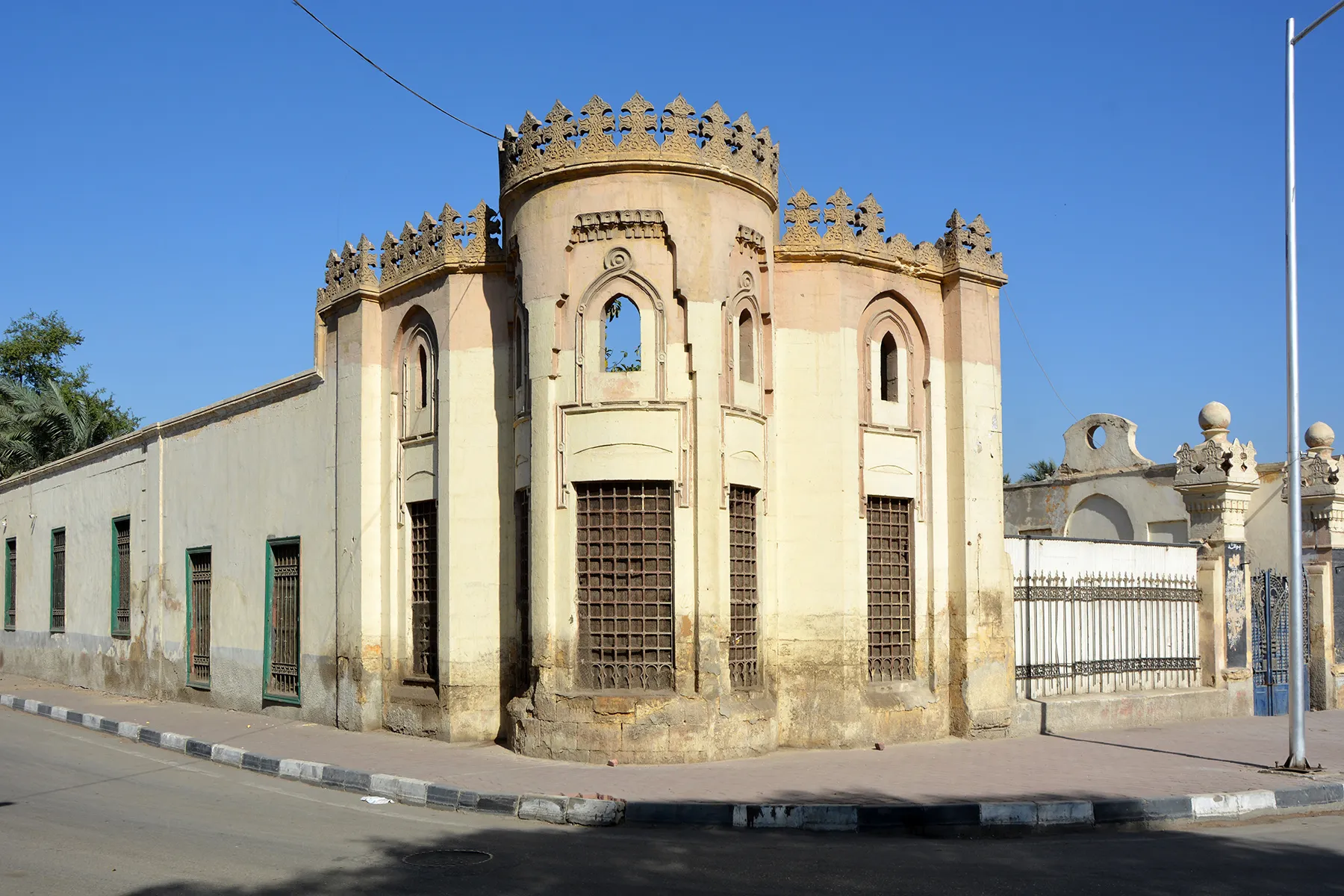
The complex is divided into a huge rectangular courtyard taking the western part of the enclosure and a narrower eastern section. The eastern section consists of (1) the northern courtyard accessed through a gate in its eastern wall, with a small single-storey service building in the north-eastern corner; (2) the southern courtyard, also accessed through a gate in its eastern wall, and with a tract of rooms by its southern side that includes a round-fronted sabil in the south-eastern corner of the enclosure. The courtyards are separated by a building that was apparently originally accessed from either of them.
The western courtyard is accessible through the gates in the western walls of courtyards (1) and (2), and originally also directly through two gates in its southern and northern walls (now walled up.) The western courtyard contains (3) a free-standing mausoleum; (4) a service building by the southern wall; (5) an open burial area in the north-western corner of the enclosure.
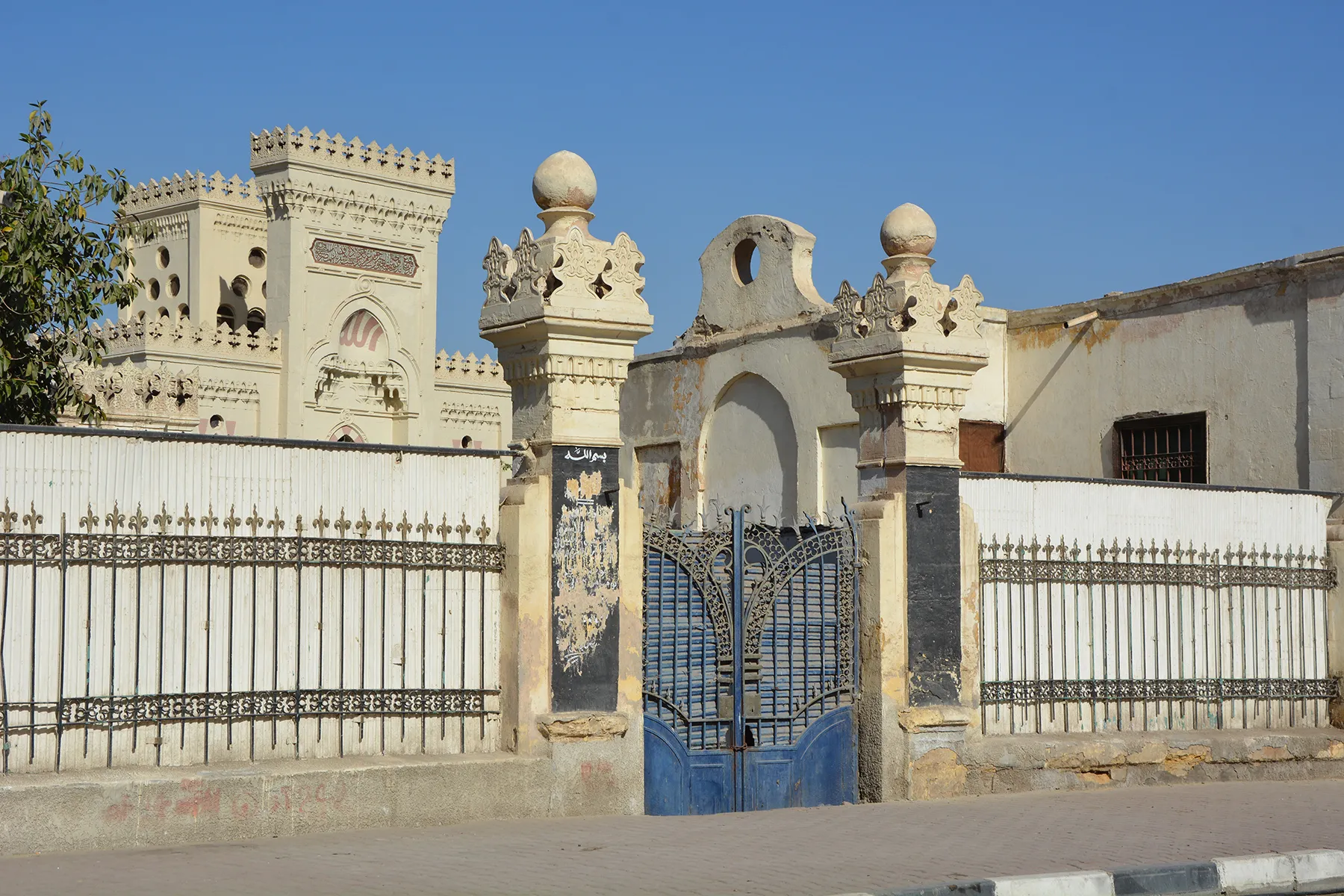
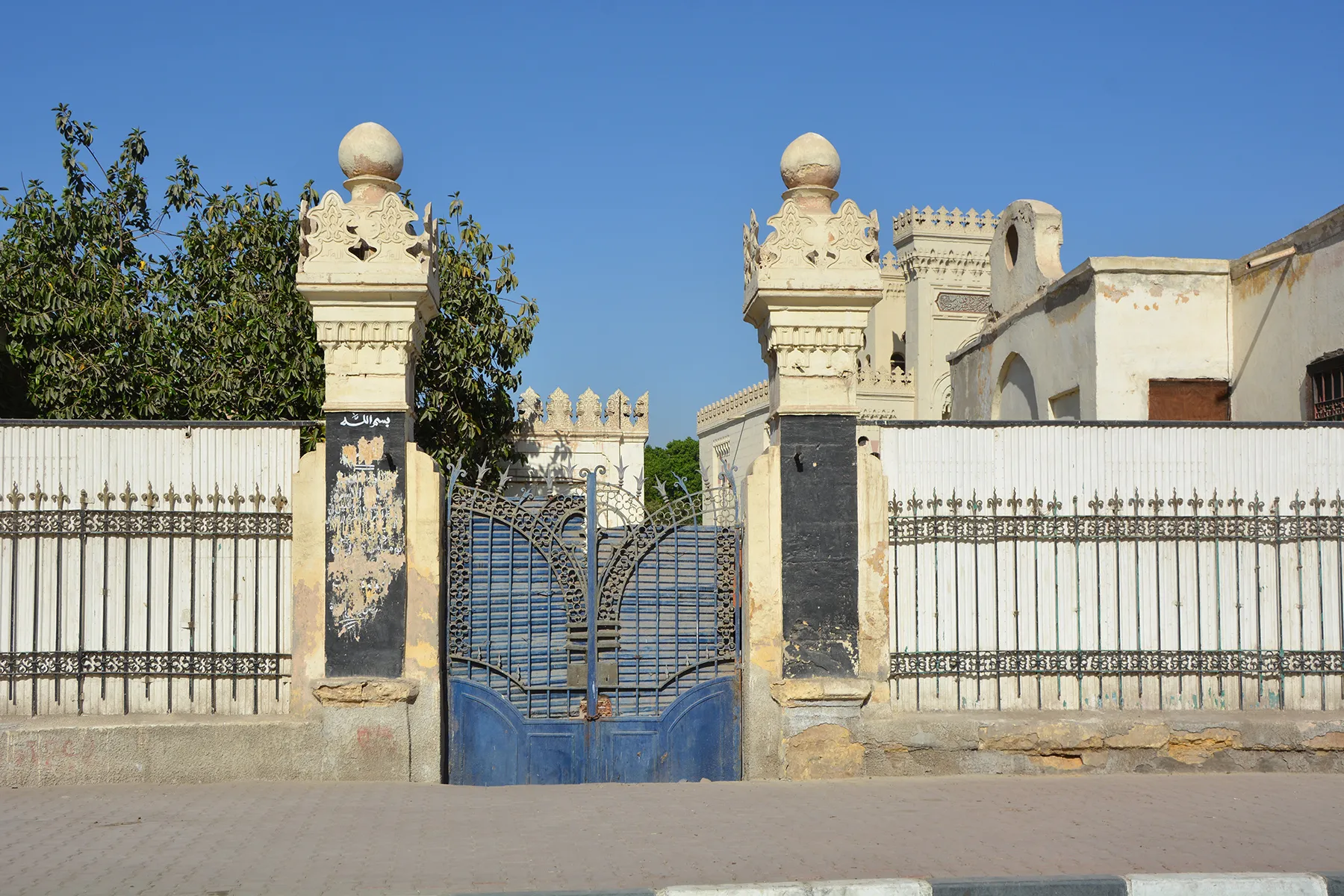
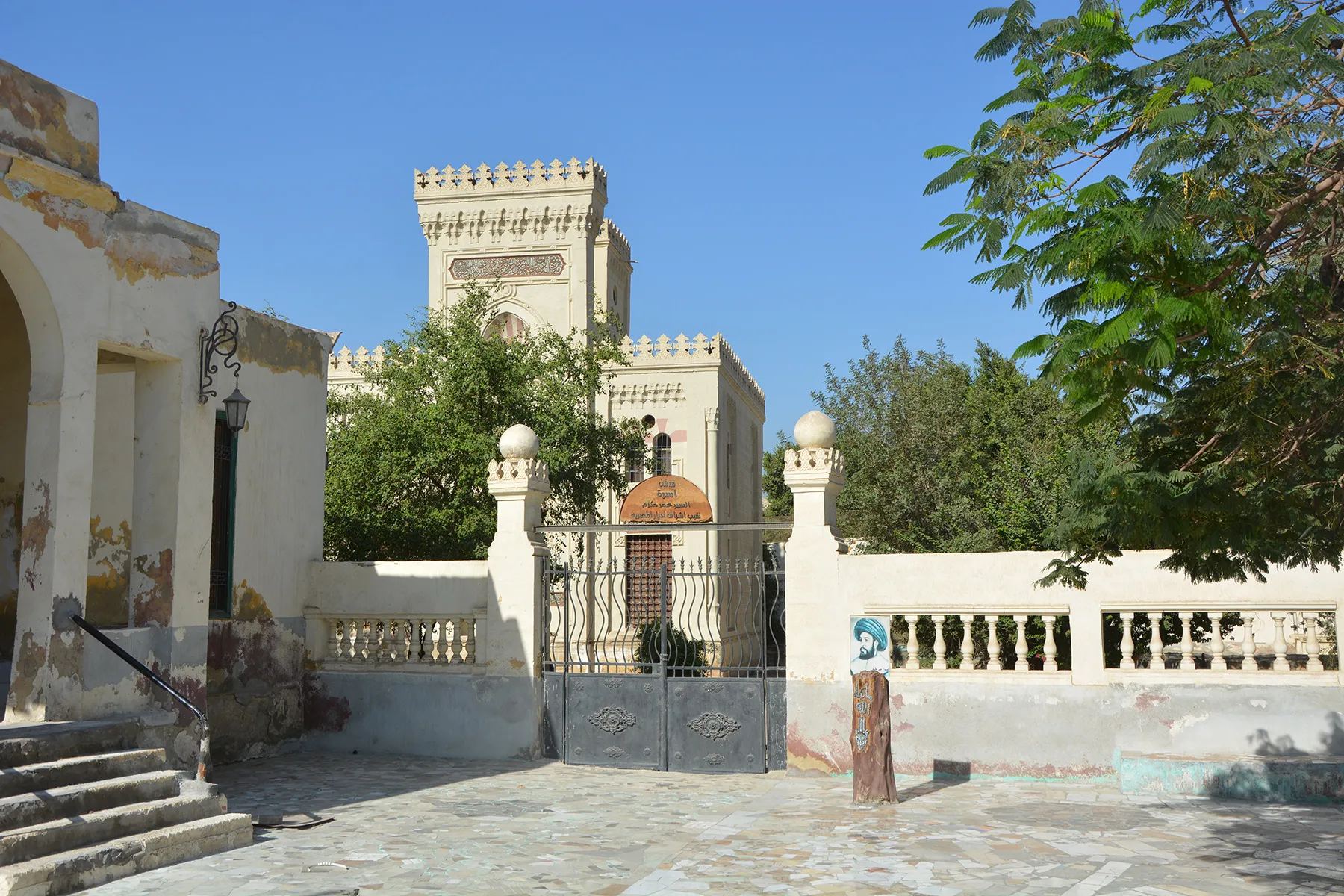
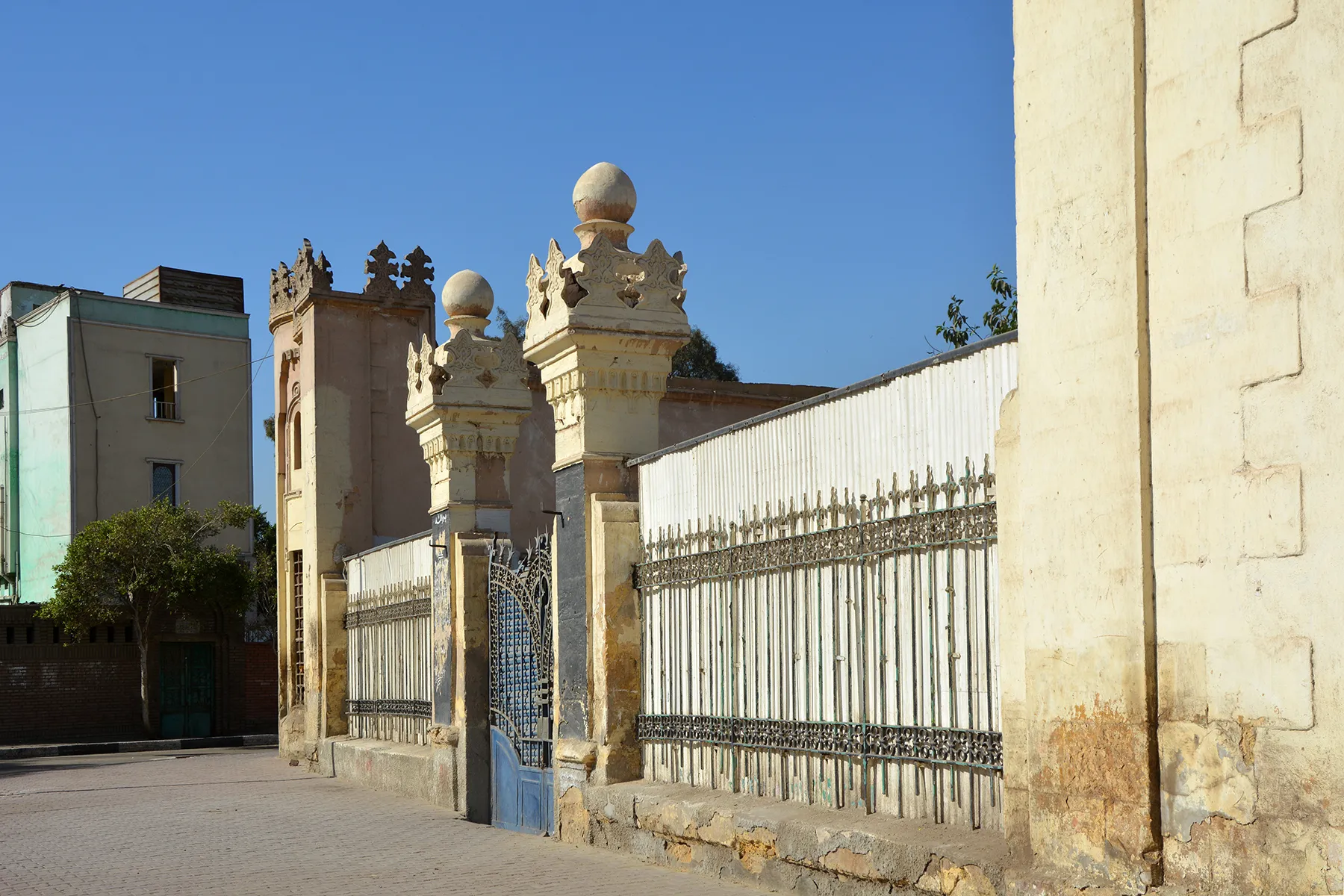
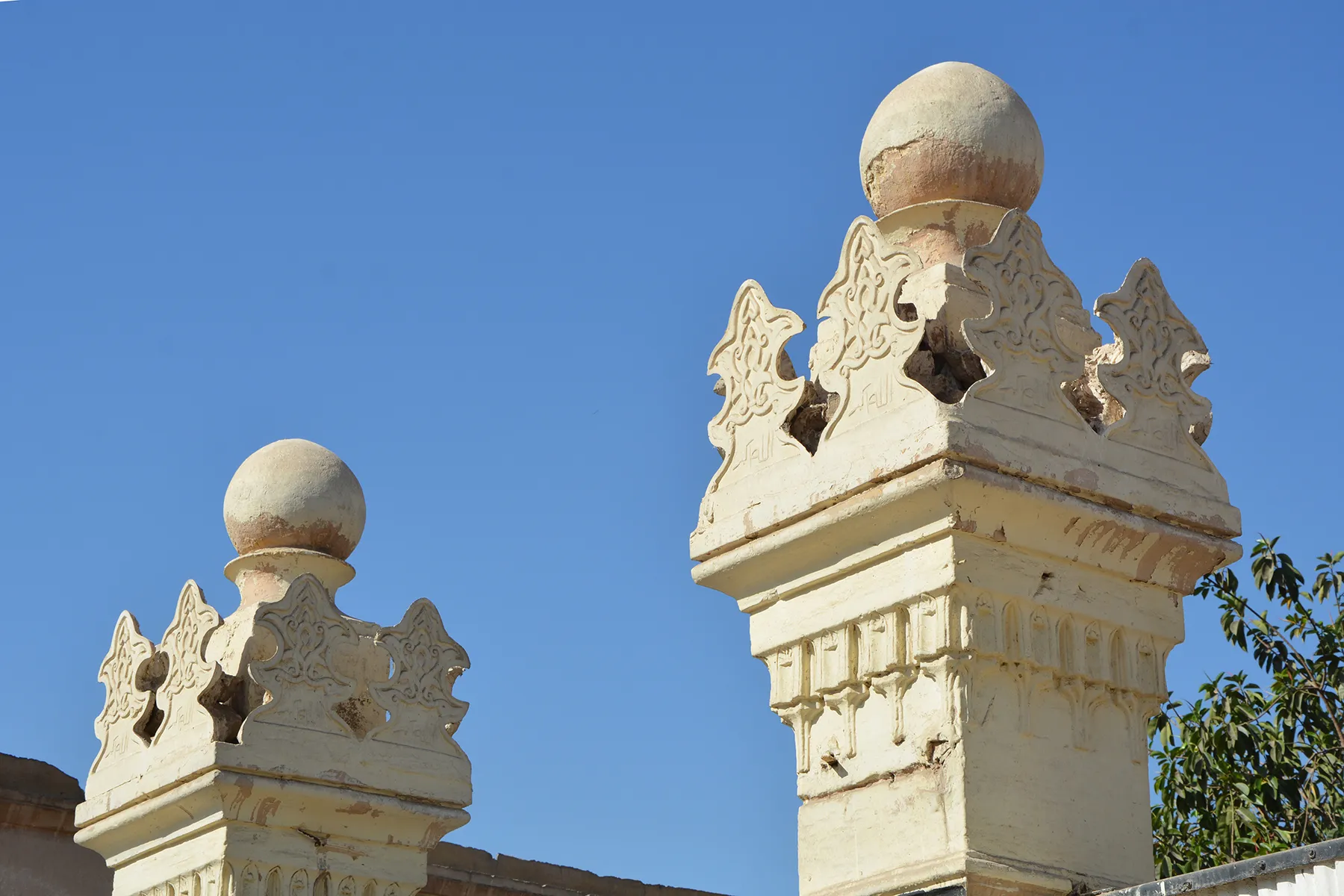
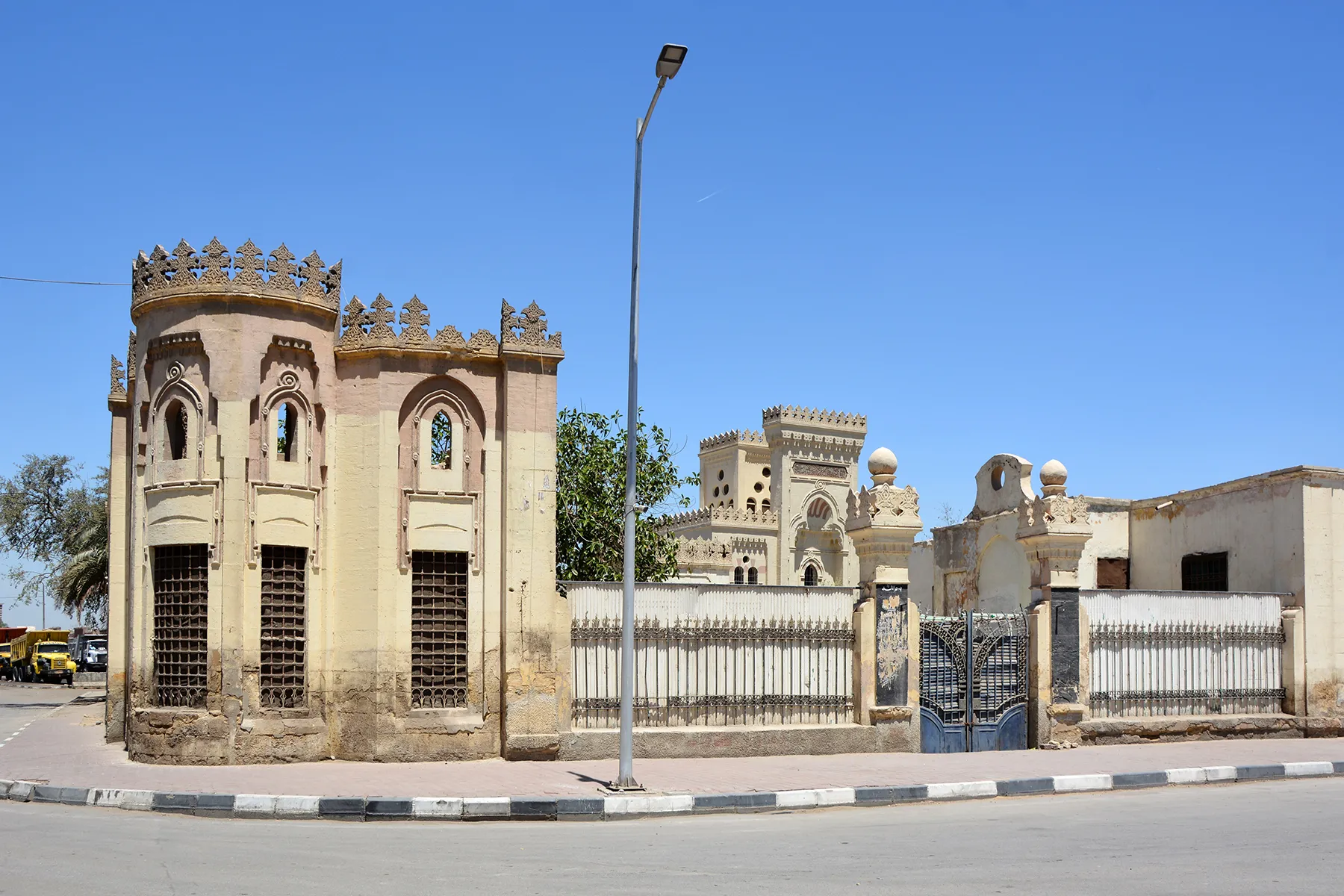
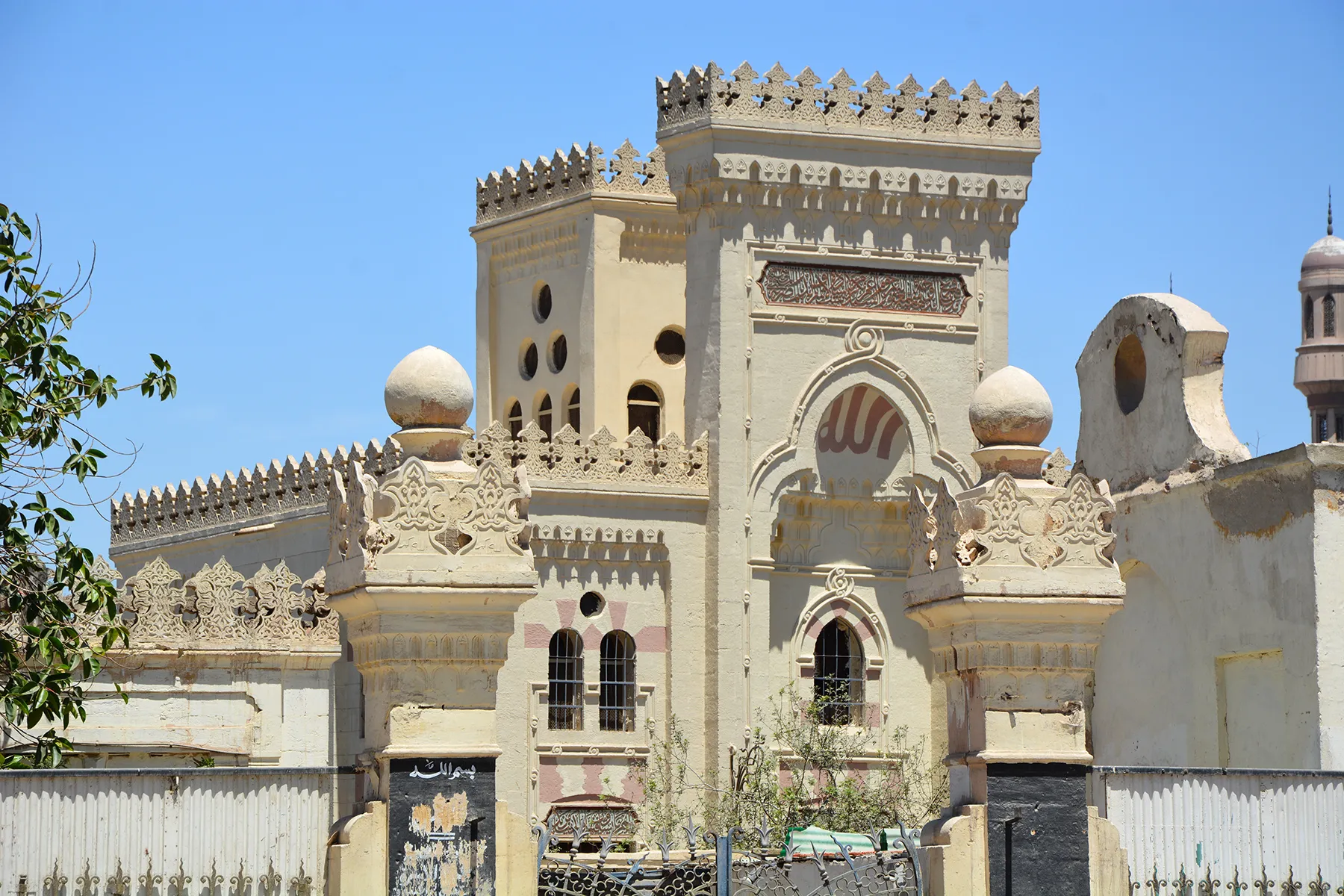
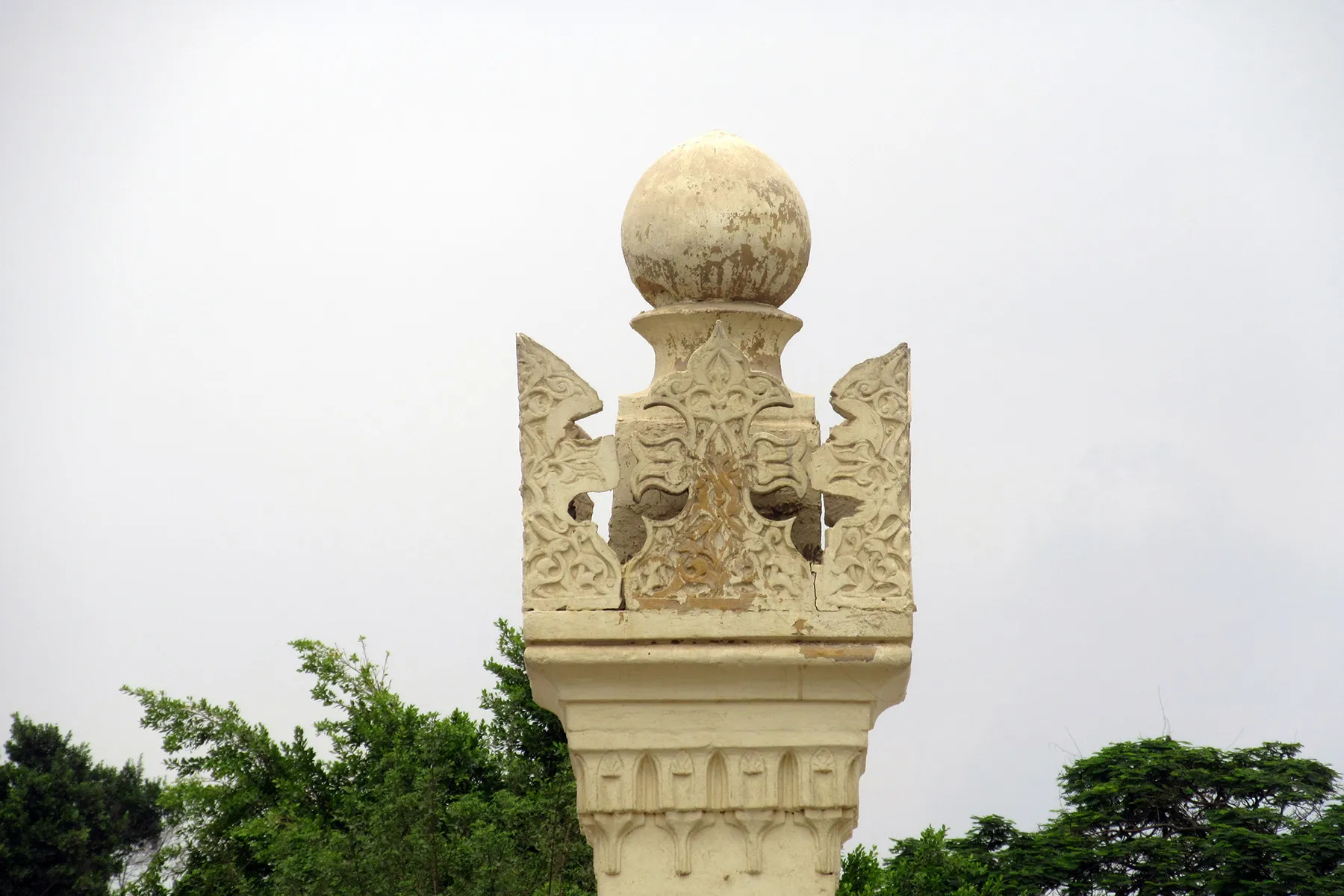
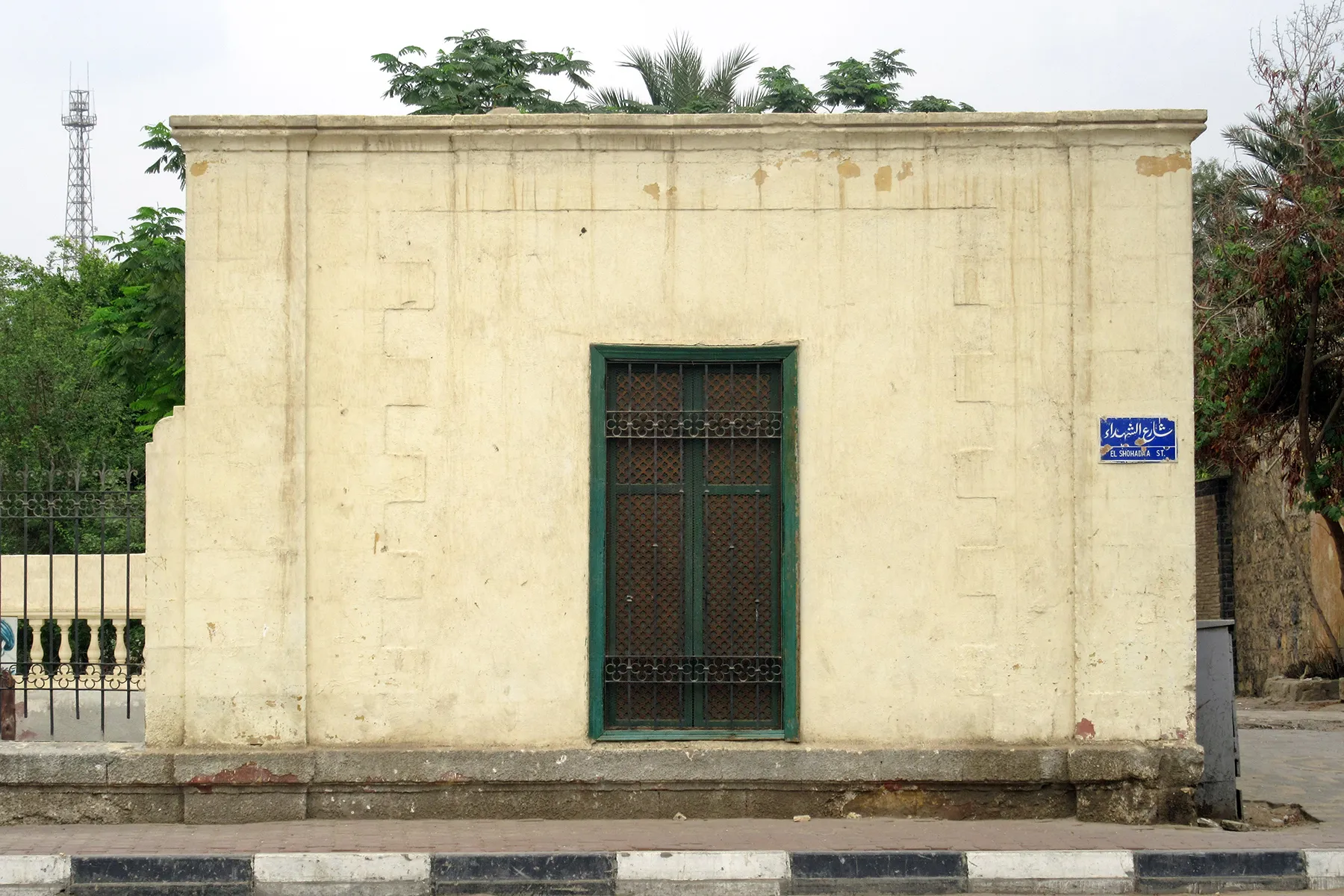
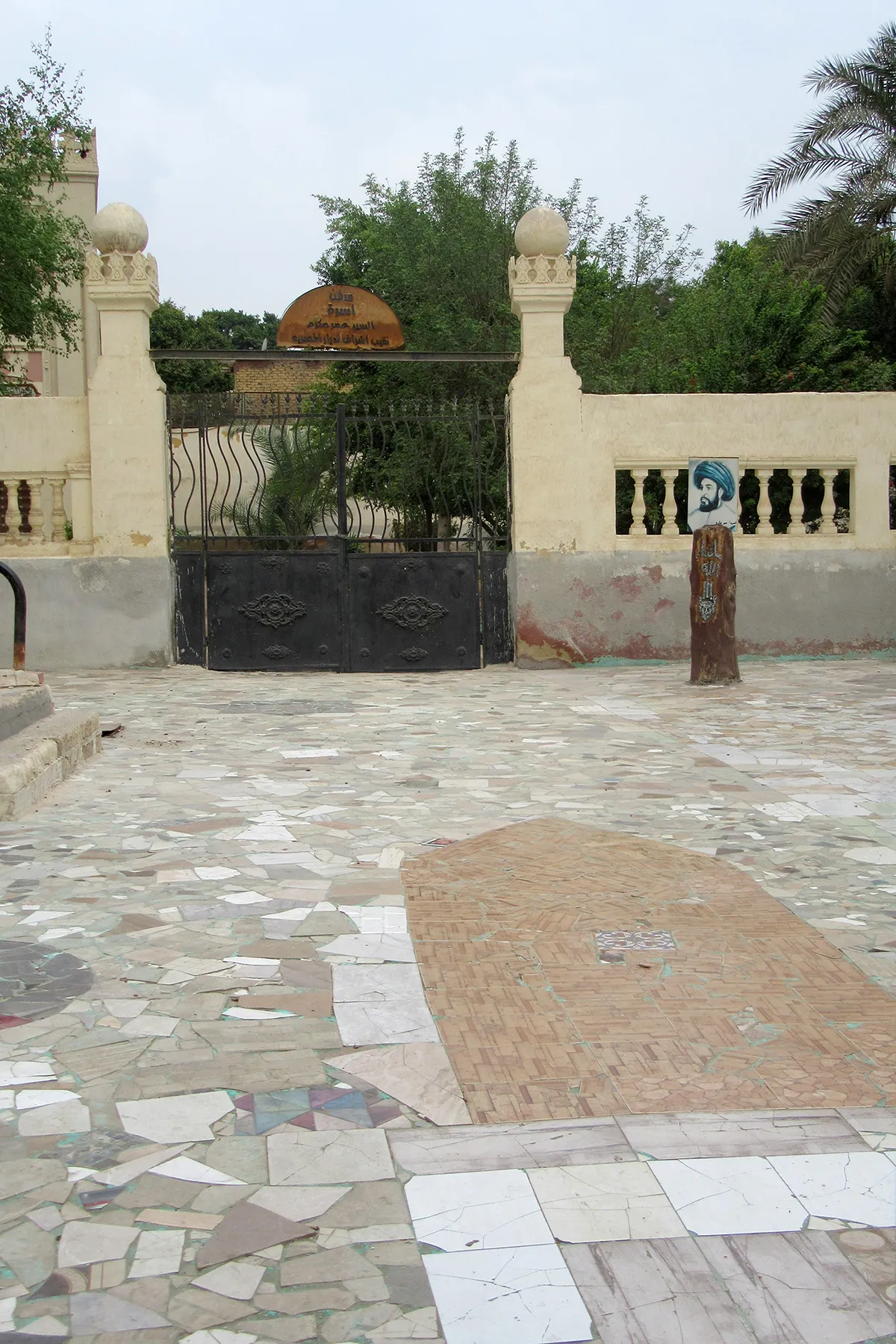
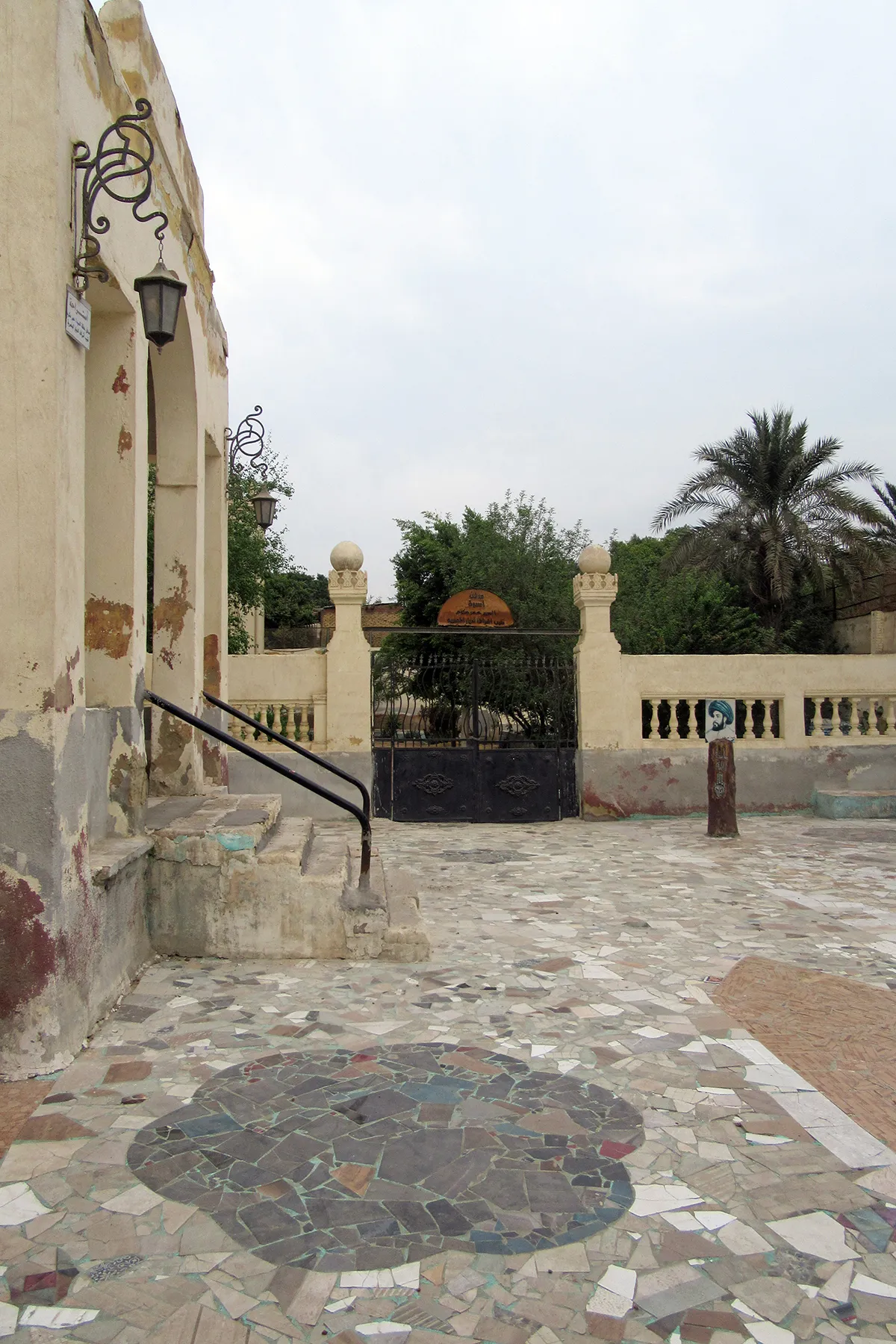
(1) The northern courtyard is separated from the street with a picket fence of wrought iron with simple decorative patterns, with a two-leaved wrought iron gate between two square pillars of stonemasonry with prominent cornices on muqarnas corbels with two merlons of elaborate fleur-de-lys crenellation on each side, with bulbous ornaments on top (which amounts to a rather top-heavy design.) The single-storey service building in the north-eastern corner is simple and undecorated, with the entrance in the southern wall and a single plain window in the northern and eastern walls. The western side of the courtyard is a low wall with a balustrade of classical (not Islamic) balusters (the wall was recently heightened over the balustrade.) A gate of two wrought iron and sheet metal leaves placed between pillars similar to those in the front gate (but with lighter crenellations) leads to the western courtyard.
The southern side of the courtyard is the northern wall of the single-storey building standing between the southern and northern courtyards. The simple, undecorated symmetrical façade features an entrance porch elevated about one metre above the courtyard level, with rectangular openings to the sides and two rectangular openings flanking an arched one at the front (in an extremely simplified version of a Venetian window arrangement.) On the sides of the porch are mounted two hanging lamps on elaborate Art Nouveau wrought iron brackets. There is a simple rectangular window in the façade on each side of the porch. Apparently, the building was topped with a simple cornice, which has now mostly been removed, except from the street-facing façade, which is plain and simple, with two rectangular windows.
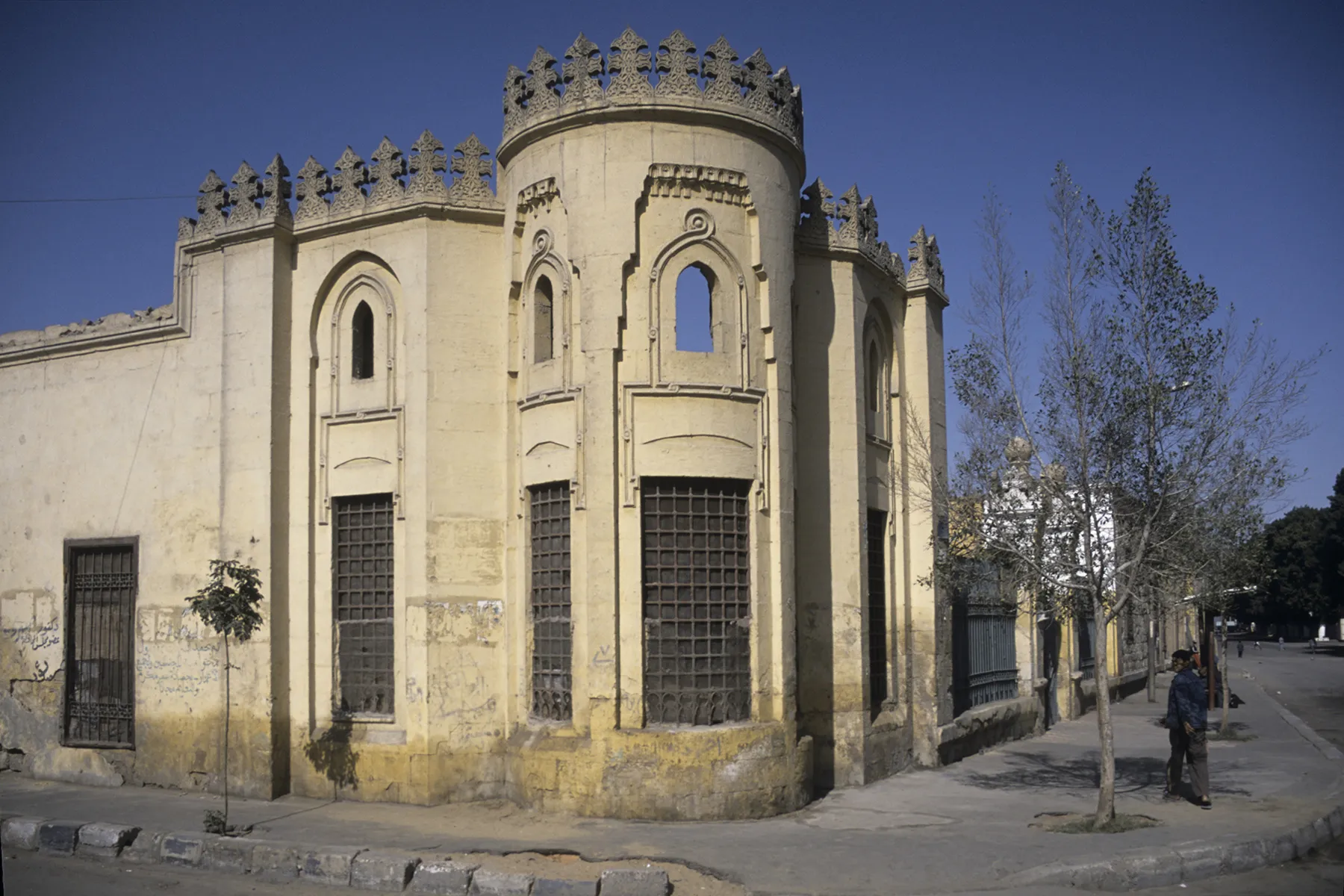
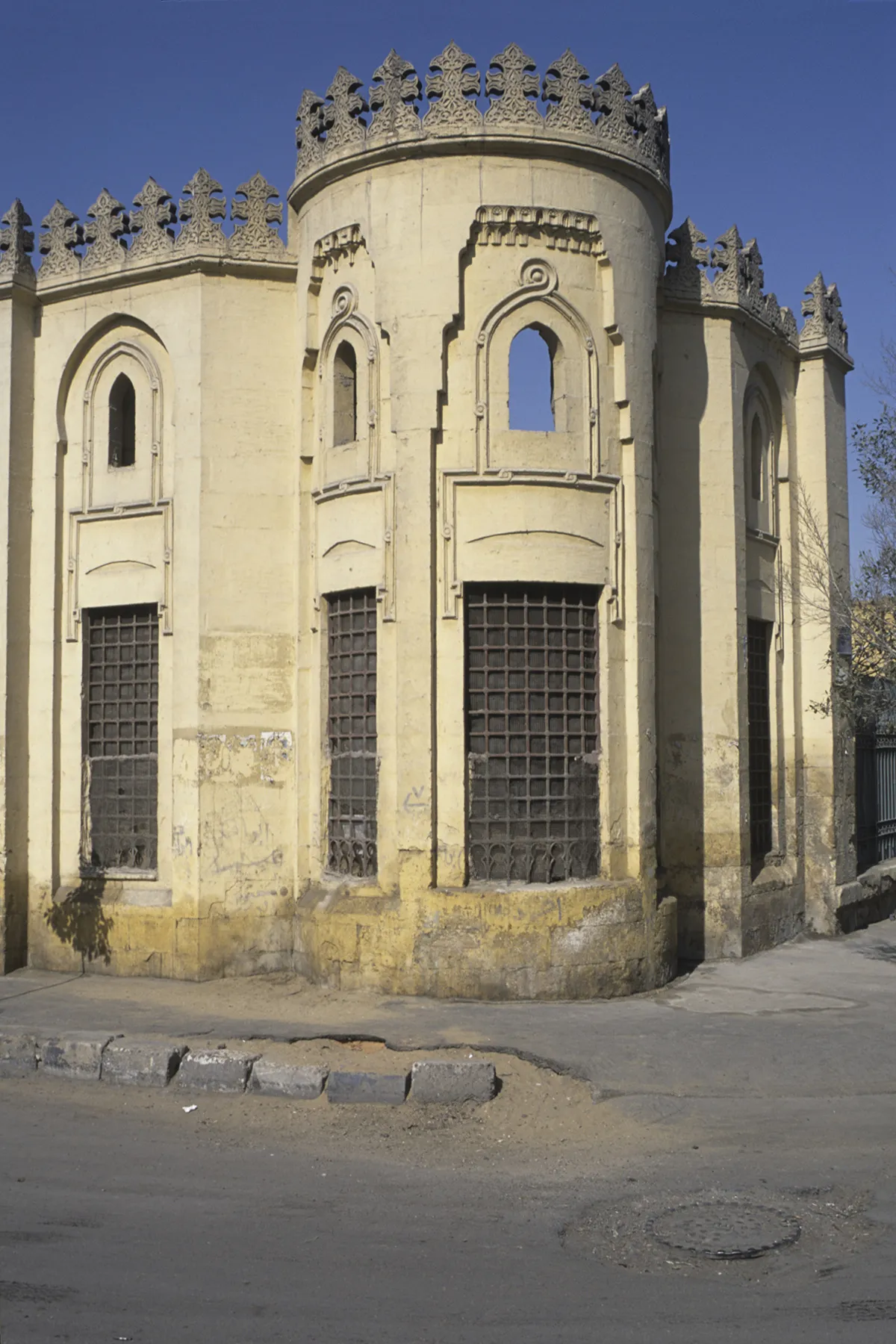
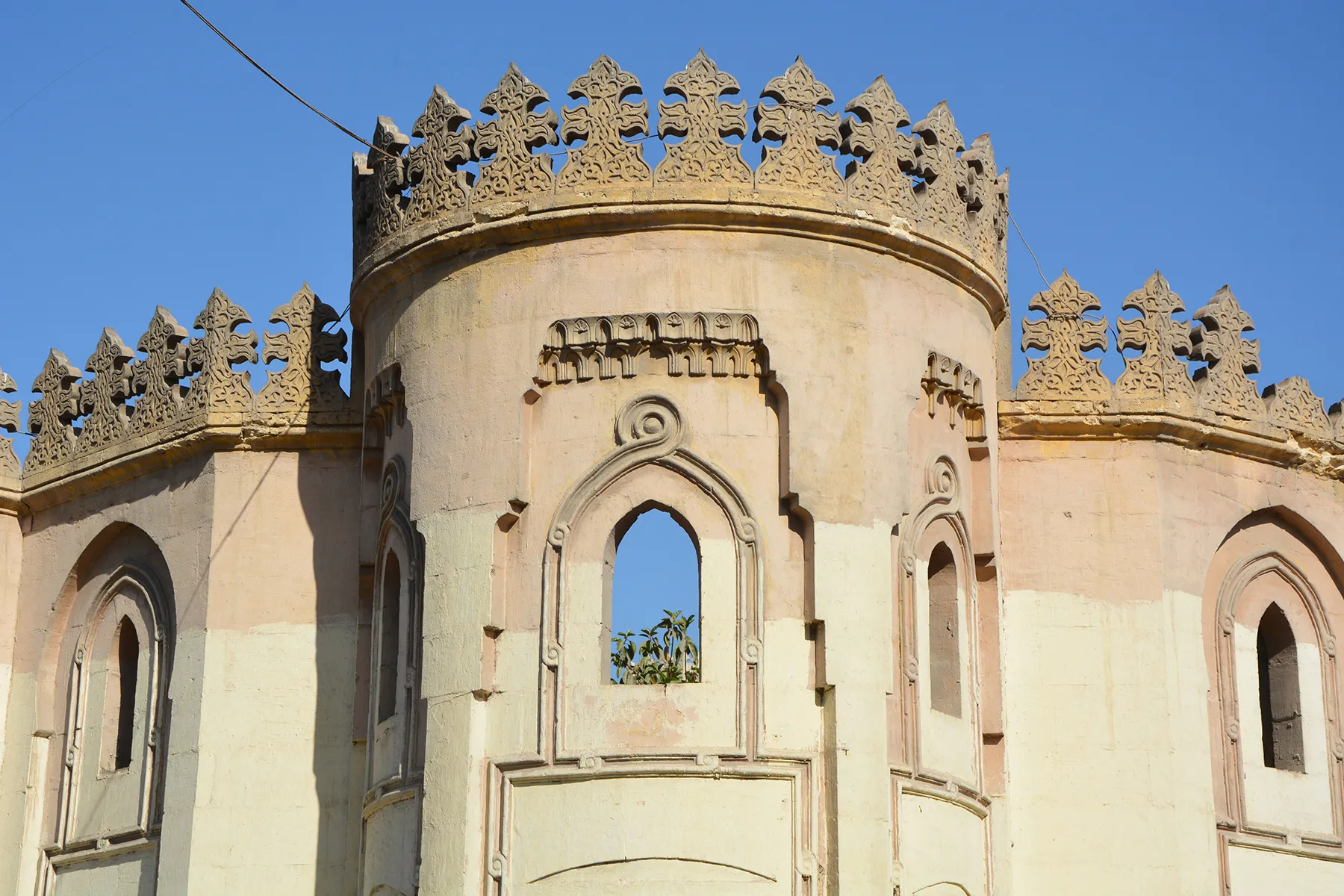
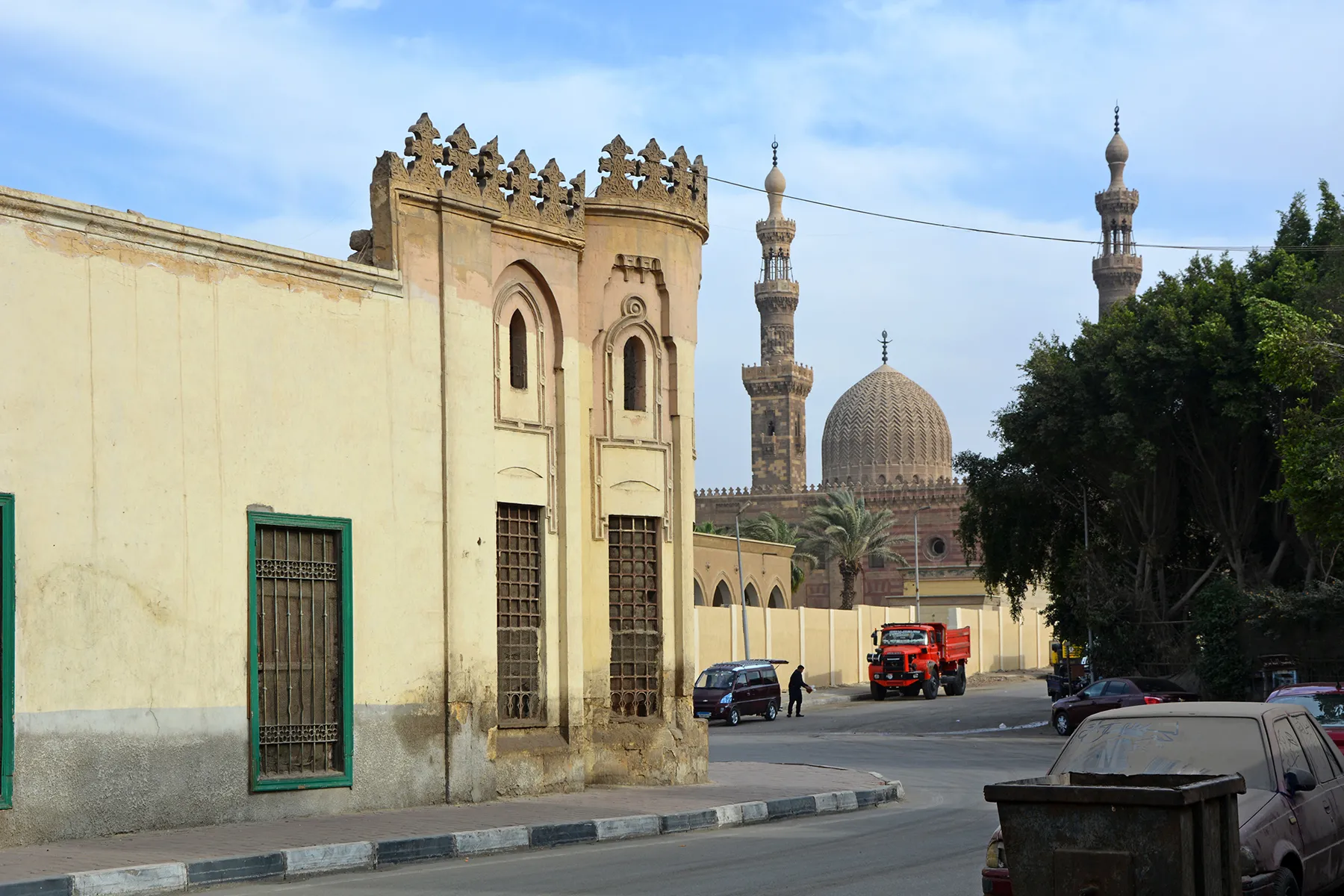
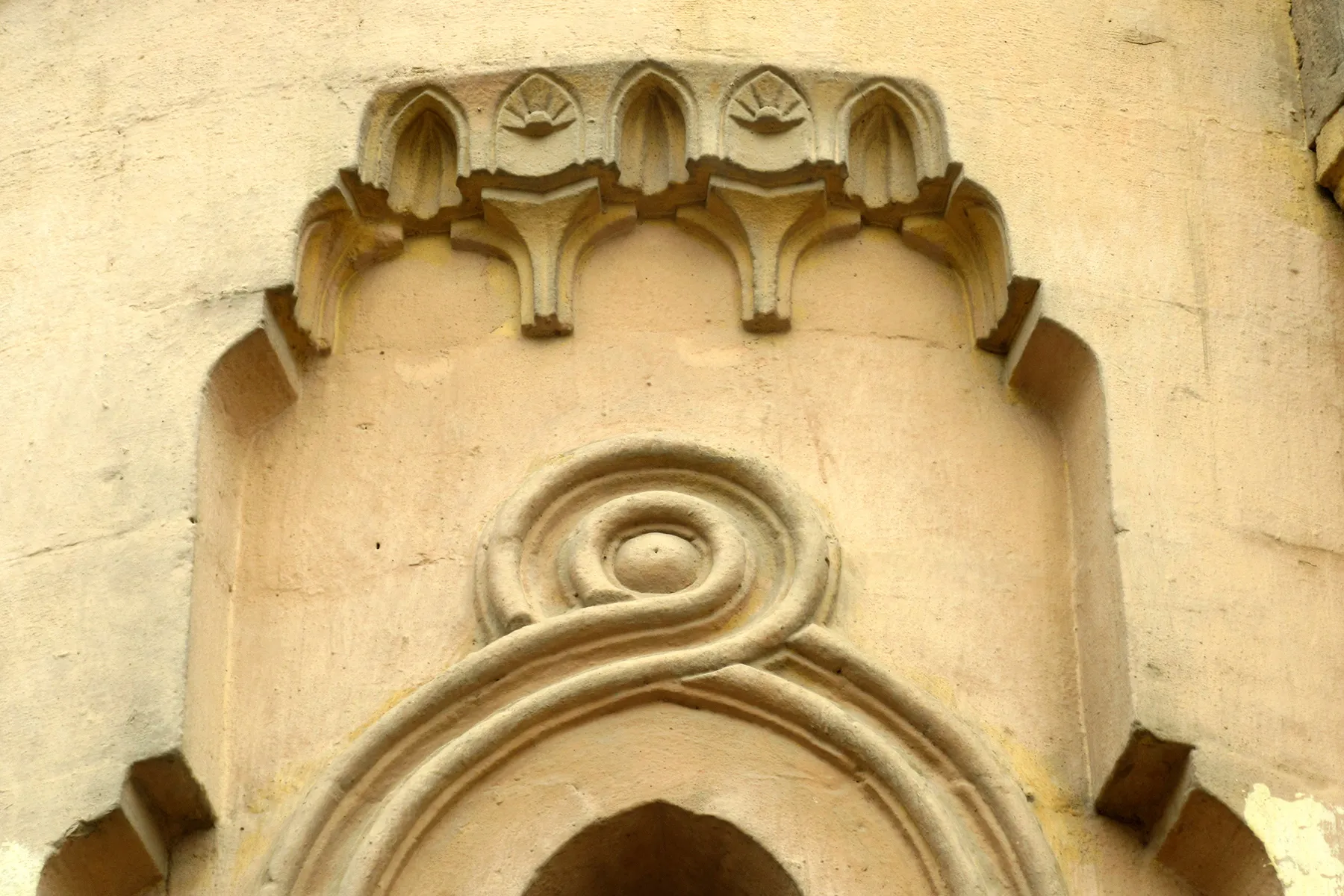
(2) The southern courtyard was designed as essentially symmetrical to the northern one, with the difference that the whole southern side is taken by a tract of rooms, and the gate in back (western) side leading to the western courtyard is covered with a segmental arch, flanked by simplified pilasters, and topped with crenellations. The entrance porch of the building to the north has been walled up, and modern nondescript shacks built against it. The sabil in the south-eastern corner of the enclosure is a round-fronted structure with three rectangular sabil windows fitted with iron grilles, set between two short side wings with another sabil window in each. Above, there is an upper tier of pointed-arch windows. However, there is no upper storey, so the upper windows are opening in a tall parapet. The windows of the sabil are framed in knotted mouldings and set in shallow recesses that taper in steps towards the top and are covered with muqarnas friezes in the round part, and with simple pointed horseshoe arches in the straight sections. The walls of the sabil are crowned with elaborate fleur-de-lys muqarnases.
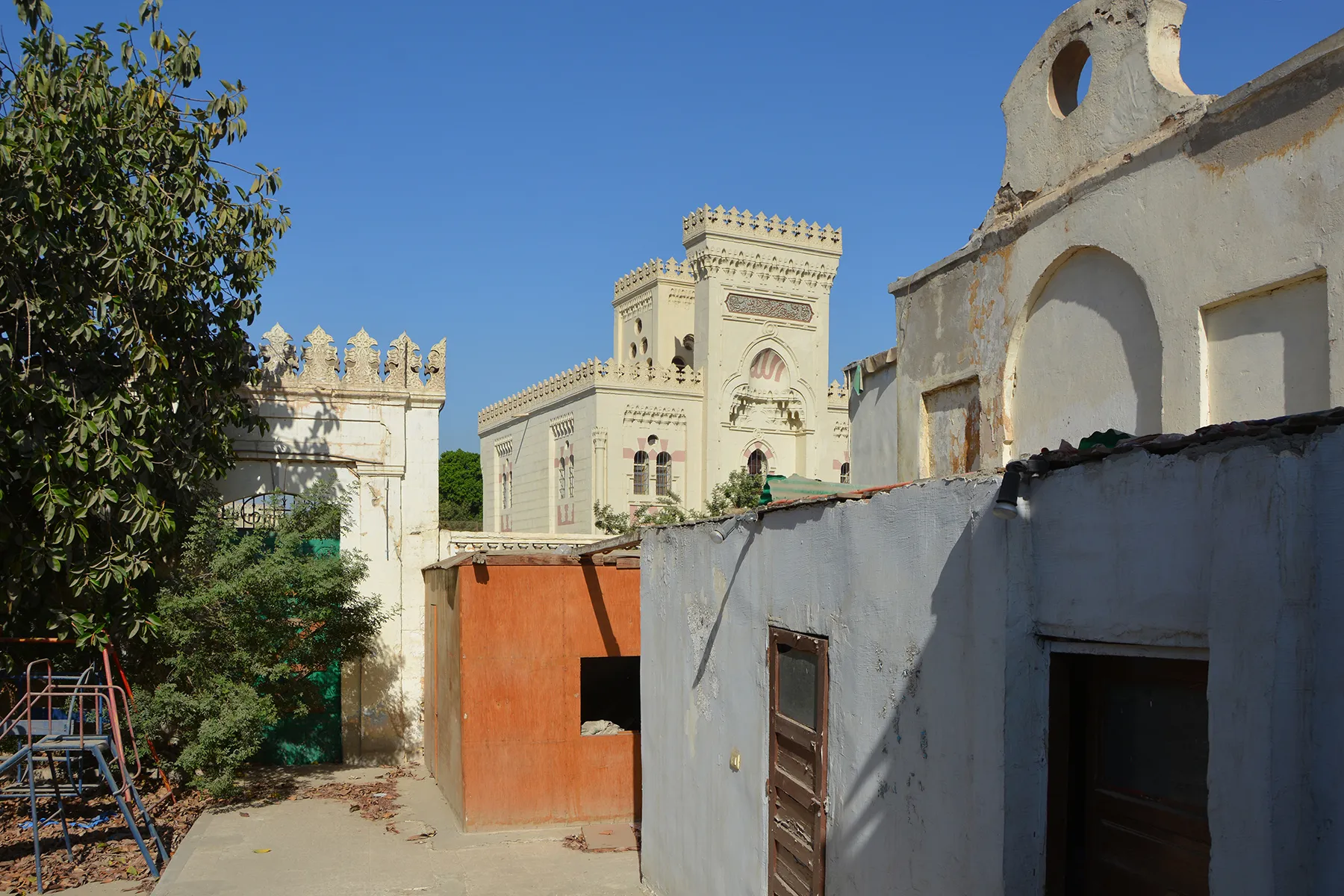
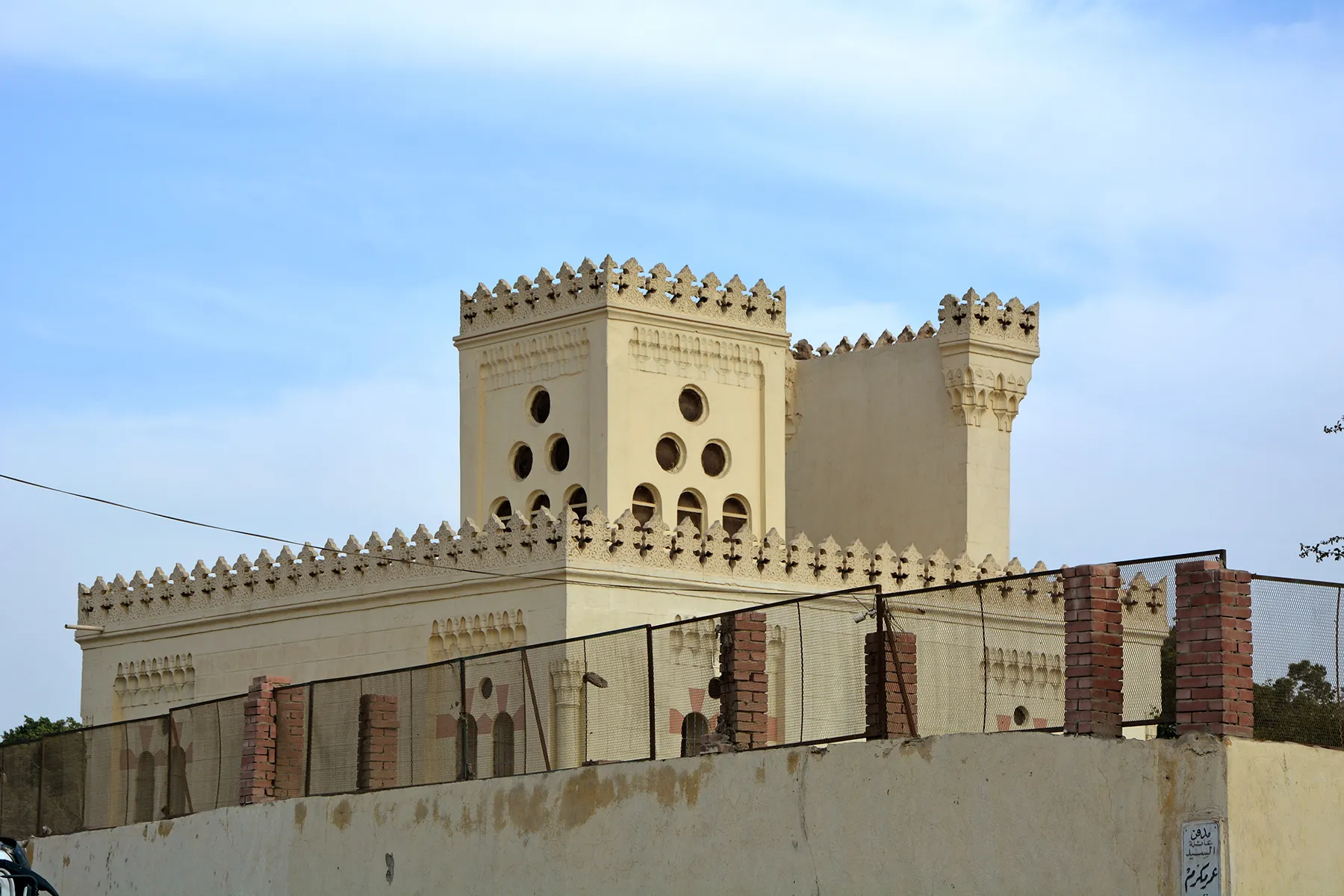
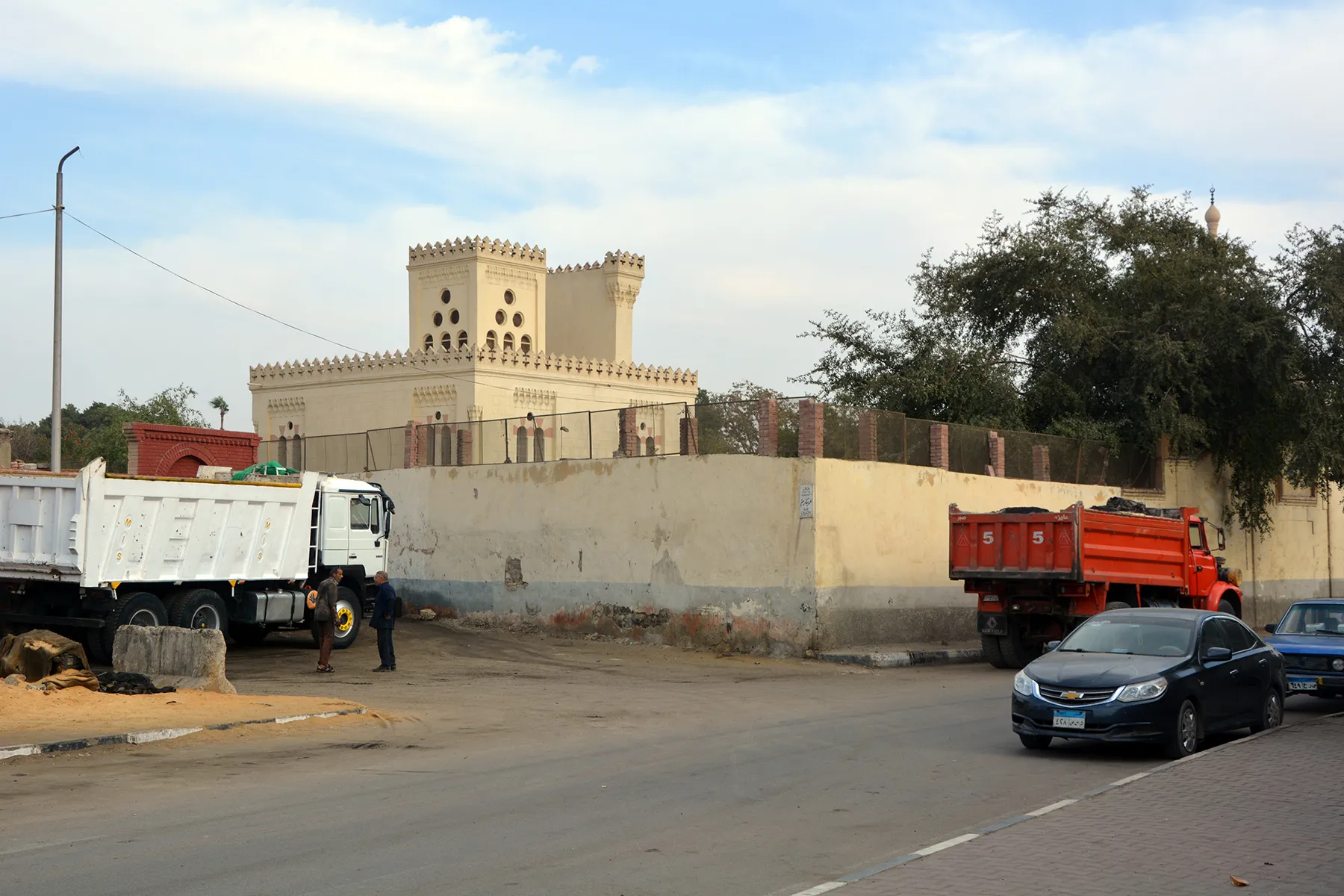
(3) The mausoleum is square in plan, and positioned at an angle to the perimeter walls and other buildings in the complex to conform to the direction towards Mecca. This is surprising, considering that the Mecca-facing wall is the entrance façade, with the door where a prayer niche would typically be placed. The design of the mausoleum is strictly axially symmetrical. The entrance portal forms a pishtaq much taller than the other façades. The entrance is placed in a recess topped with a trefoil hood with a pointed semi-dome in the upper part (in which the word “Allah” is boldly painted) resting on a very elaborate muqarnas frieze with “stalactite” muqarnases. The composition follows closely the forms of Mamluk-period architecture in Cairo. Over the entrance recess is a panel with a very elaborate calligraphic dedicatory inscription that includes the date 1338 AH [= AD 1920]. The recess and the inscription panel are framed in knotted mouldings. Over the entrance door (which could not be accessed for description) is a pointed-arch window framed in knotted mouldings. The entrance section is crowned with an elaborate muqarnas frieze.
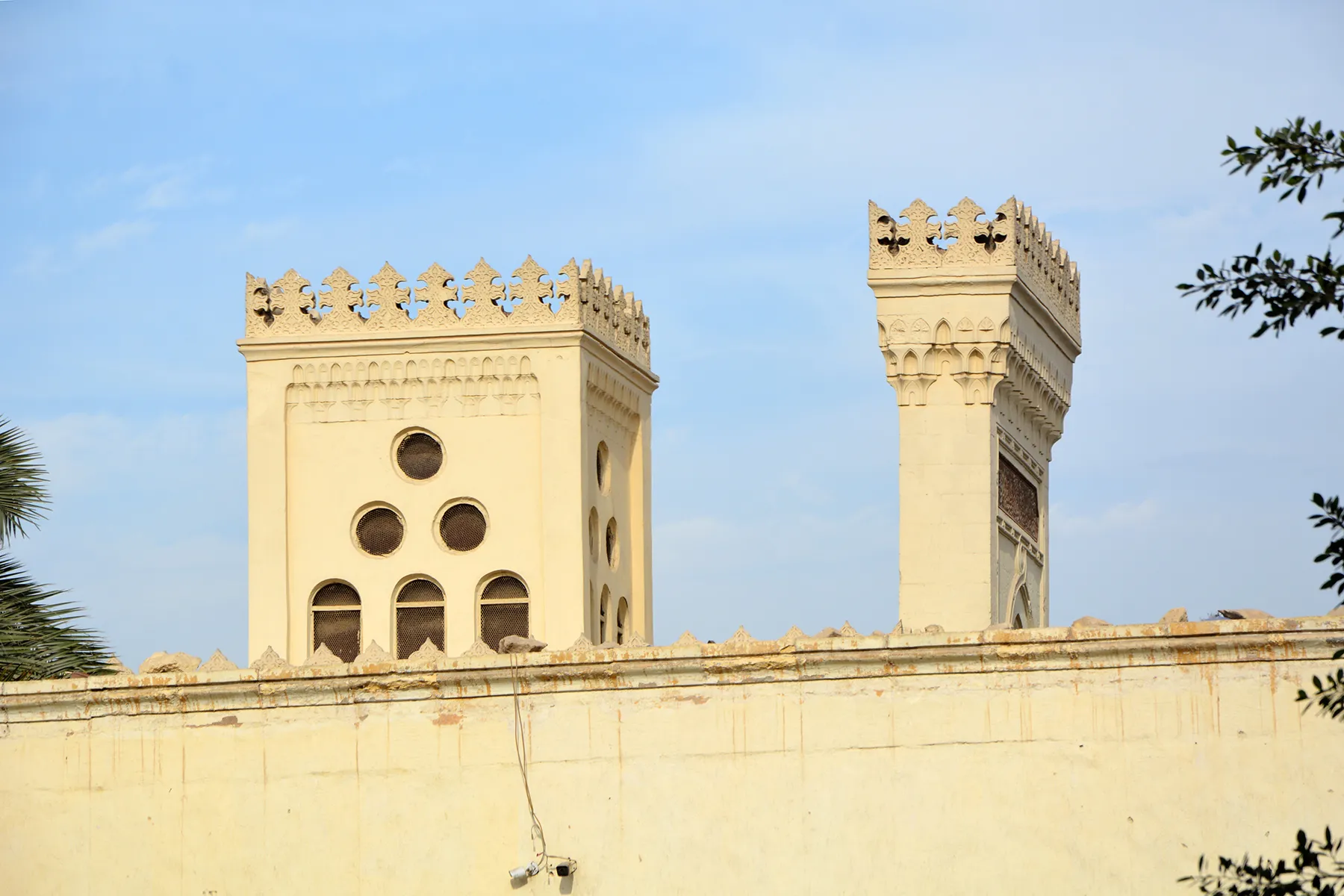
The windows of the mausoleum are placed in shallow rectangular recesses topped with muqarnas friezes and are placed in two tiers; the lower ones are rectangular, with relieving arches of joggled voussoirs, and the upper ones are twinned and covered with semi-circular arches with an oculus above in a one-over-two arrangement. The lintels, relieving arches above them and lower parts of the upper tier windows are framed in knotted mouldings in the front façade (but not in the side and back façades.) There are two window recesses in each façade, with the entrance portal between them in the eastern façade, and with blank walls in the other façades. In the corners of the mausoleum are engaged columns with muqarnas capitals. Over the middle of the mausoleum chamber is a tall roof lantern, square in plan and covered with a flat slab. Its four walls are pierced with plain triple windows covered with semi-circular arches with oculi above in a one-over-two-over-three arrangement. The windows are placed in flat recesses topped with muqarnas friezes at the top of the walls. The mausoleum walls, its lantern, the western gate in the southern courtyard, and the pillars of the two gates in the eastern façade of the enclosure are topped with large crenellations of complex fleur-de-lys based forms reminiscent of the late-Mamluk forms typical of the reign of Sultan Qansuh al-Ghuri (reigned 1501 – 1516.)
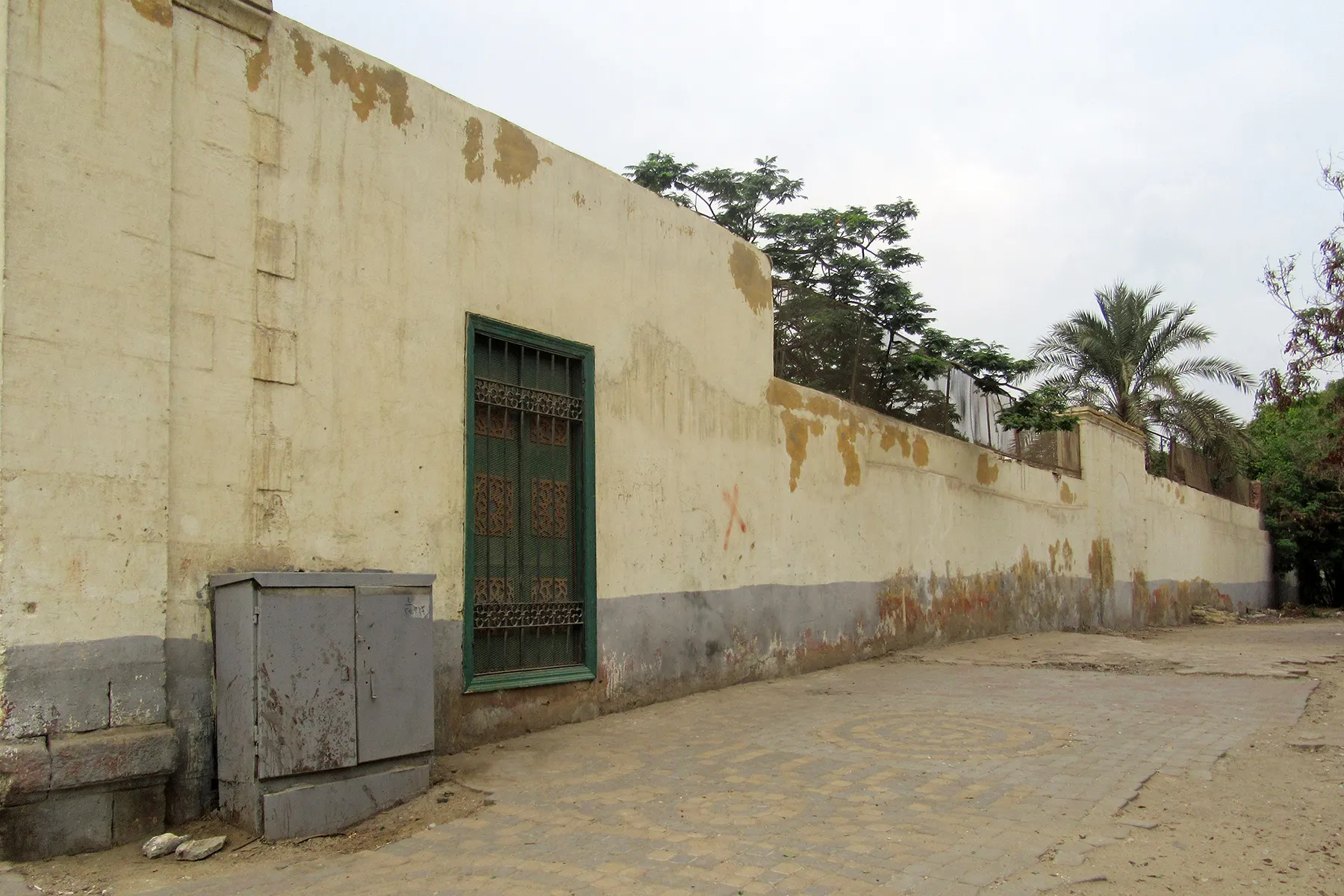
(4) The building in the south-eastern corner of the western courtyard is simple, with the northern façade identical with this of the building between the eastern-side courtyards, i.e., with an entrance porch, and three simple large windows in the southern façade facing the street.
(5) In the open rectangular burial area in the north-western corner of the western courtyard stand three tomb markers (inaccessible for closer inspection).
The mausoleum, the sabil, gates, corners of the enclosure, etc. are built of ashlar stone, other walls are constructed of rough stone and plastered. The northern and southern gates of the enclosure (now walled up) were taller than the adjoining walls and arched.
Condition of preservation
The complex is in good condition and continuously maintained. The lower parts of the walls, especially in the sabil, are damaged by rising damp.
Information abut the founder, family history, etc.
Omar Makram was the Naqib al-Ashraf, or the leader of those who claim descent from the Prophet Muhammad, during the French occupation of Egypt in 1798-1801. He was the leader of poplar opposition to the occupation, and after the French withdrawal was instrumental in promoting the installation of Muhammad ‘Ali as the viceroy of Egypt, although their relationship later deteriorated. He has been widely perceived as the precursor by Egyptian nationalists (Wucher King, 415-16, Vatikiotis, p.39, 51). He died in 1811 and is buried in the Eastern Cemetery just over a kilometre to the south of the family enclosure; his tomb has recently (around 2020) been registered as a national monument, based on the historical importance of the deceased, not on architectural merit. It is not known why the family did not transfer his body to the sumptuous mausoleum.
Until ca 2020, a children day care centre operated in the complex.
References in published/primary sources
• Wucher King, Joan Historical Dictionary of Egypt, American University in Cairo Press 1984, p. 415-16
• Vatikiotis, P. J., The History of Modern Egypt from Muhammas Ali to Mubarak, 4th ed.,The Johns Hopkins University Press, Baltimore 1991, p. 39, 51
- Field recording by
- Muhammad Esam
- Date recorded
- August 3, 2022
- Data entered by
- Yusuf Yassir
- Date entered
- May 21, 2024