
Unit No62
Unknown
|
Coordinates of the main entrance |
30.046756N - 31.274531E |
|
Attribution |
Unknown |
|
Higri (AH)Dates as given in the Inscription |
|
|
Miladi (AD)Dates as given in the Inscription |
|
|
Inscription Contemporary with the building? |
Yes |
|
Multiple date(s) In the inscription? |
Yes |
|
Assumed Date |
Early 20th century |
|
Based on |
(based on the neighbouring dated enclosures that are apparently contemporary, with standardised identical details) |
|
Original Use |
Funerary enclosure |
|
Current Use |
Funerary enclosure |
|
Overall condition |
Poor |
Features of unit 62
| Present | Count | Material | Comments (see description for details) | |
|---|---|---|---|---|
| Free standing structure | No | |||
| Walled enclosure | Yes | 1 | stone | |
| Rooms by the perimeter wall | Yes | stone | ||
| Freestanding structure(s) in enclousure | No | |||
| Dome over the tomb chamber | No | |||
| Neo-Mamluk architectural decoration | No | |||
| Garden layout | Yes | Trees planted in the enclosure | ||
| Sabil(s) | Yes | 1 | ||
| Wall fountain(s) | No | |||
| Canopy on columns / pillars | No | |||
| Carved marble cenotaph(s) | No | Possibly present (interior inaccessible) | ||
| Decorated limestone tomb-markers | No | Possibly present (interior inaccessible) | ||
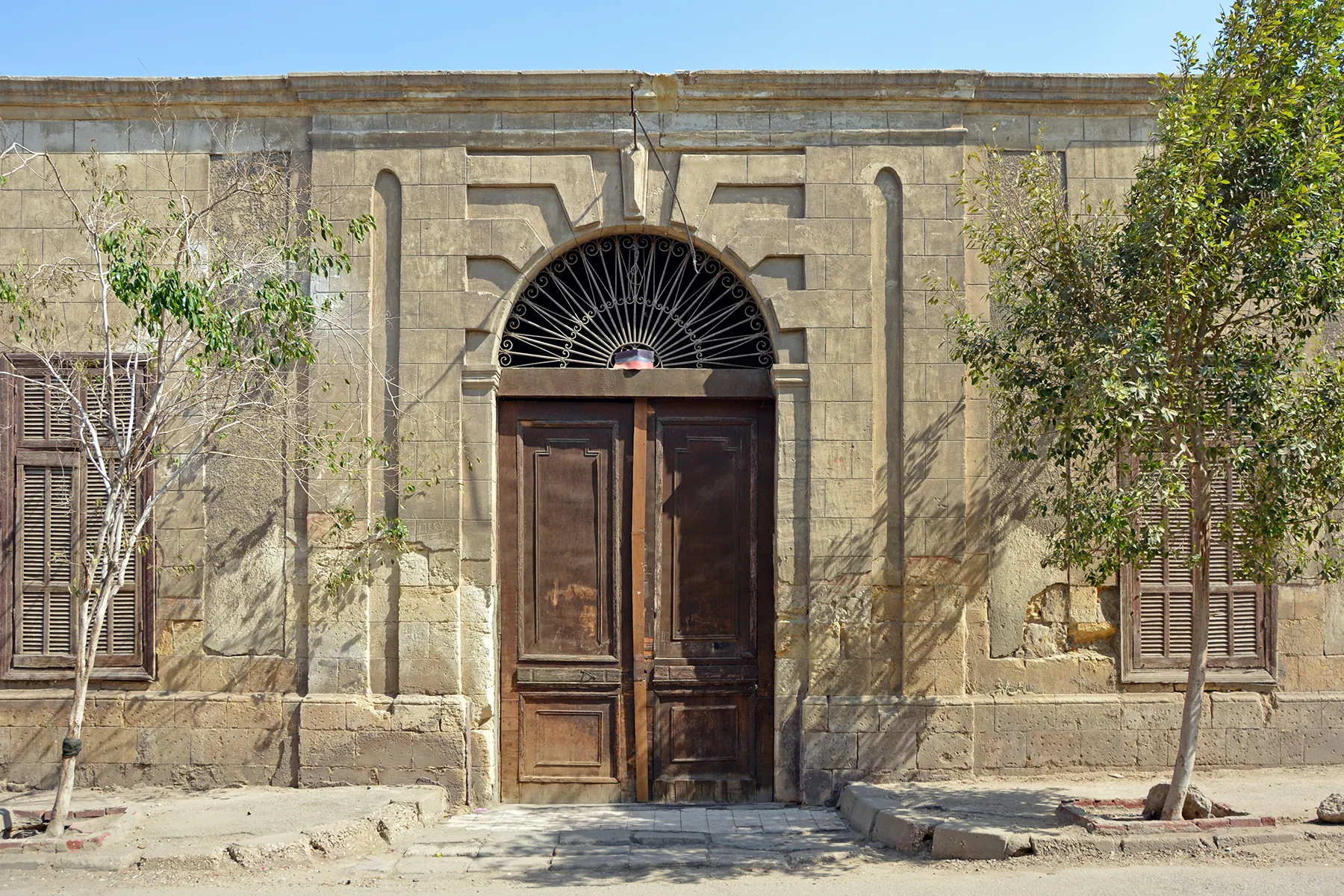
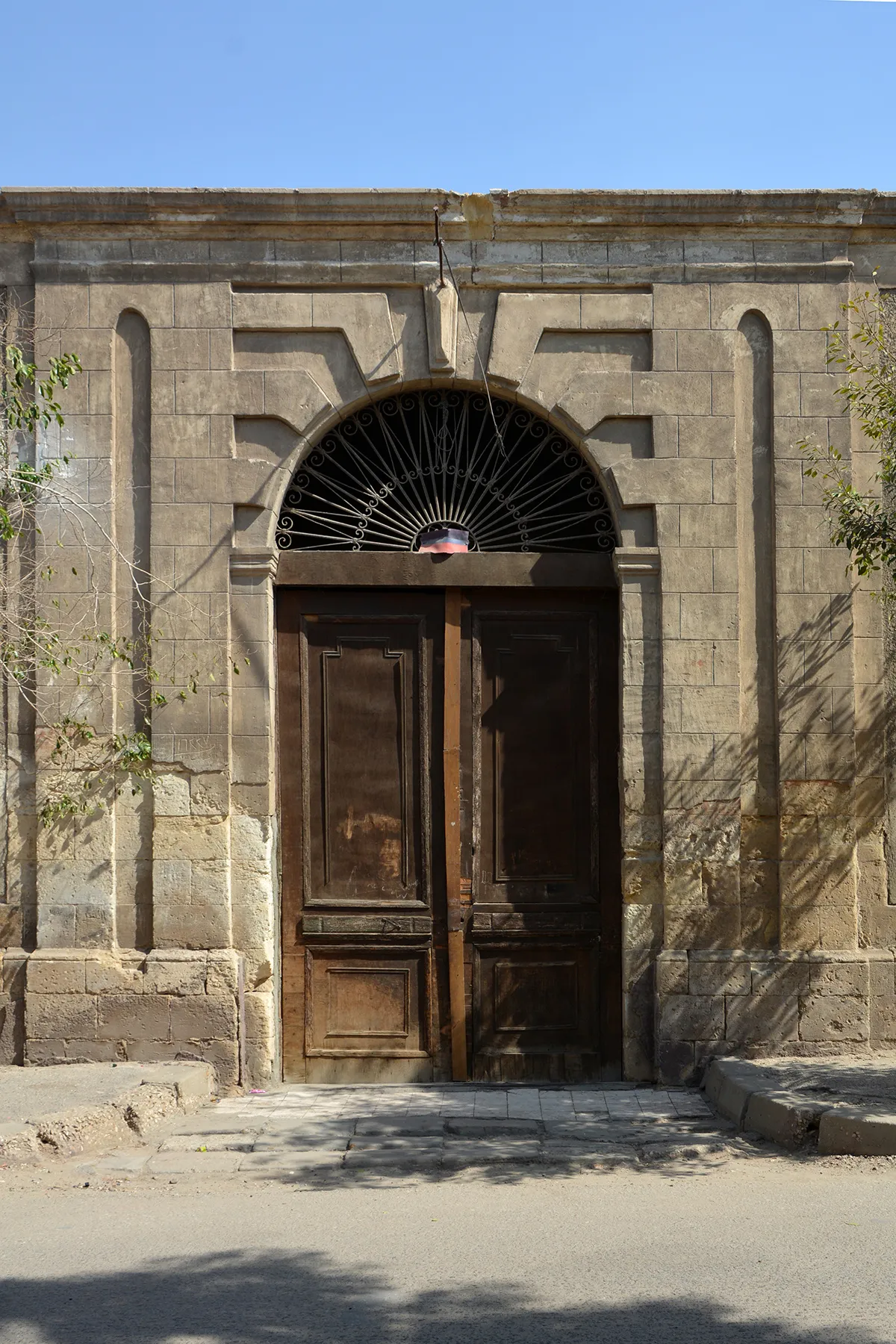
| Decorated gateway | Yes | 1 | stone | A simple Classically-based main gate |
| Decorative door-leaves | No | |||
| Decorative window grilles | No | |||
| Decorative shutters | No | |||
| Painted ceiling(s) | No | Possibly present (interior inaccessible) | ||
| Decorative paving(s) | No | Possibly present (interior inaccessible) |
Description (The direction towards Mecca (Qibla) is described as eastern and other directions are named accordingly)
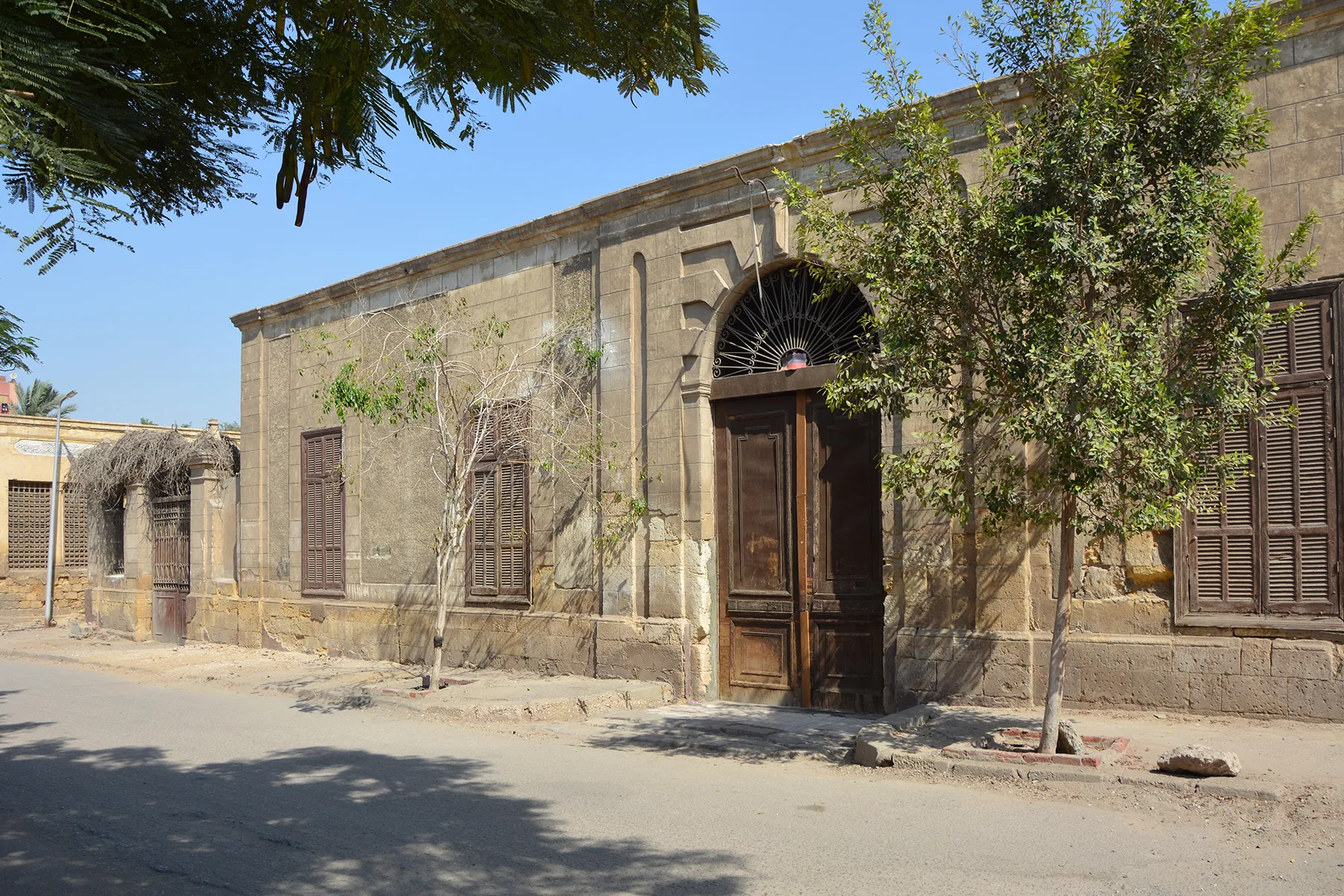
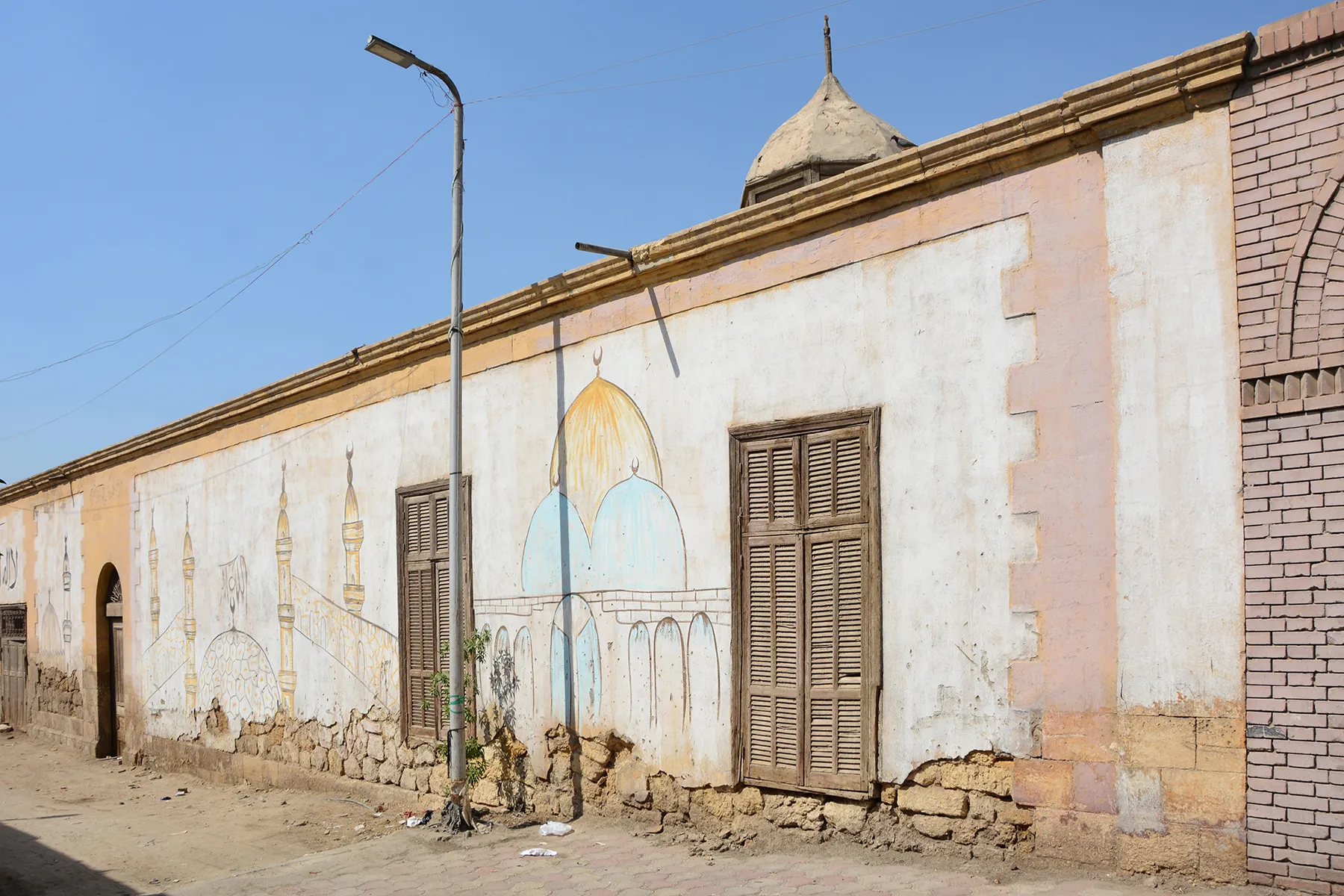
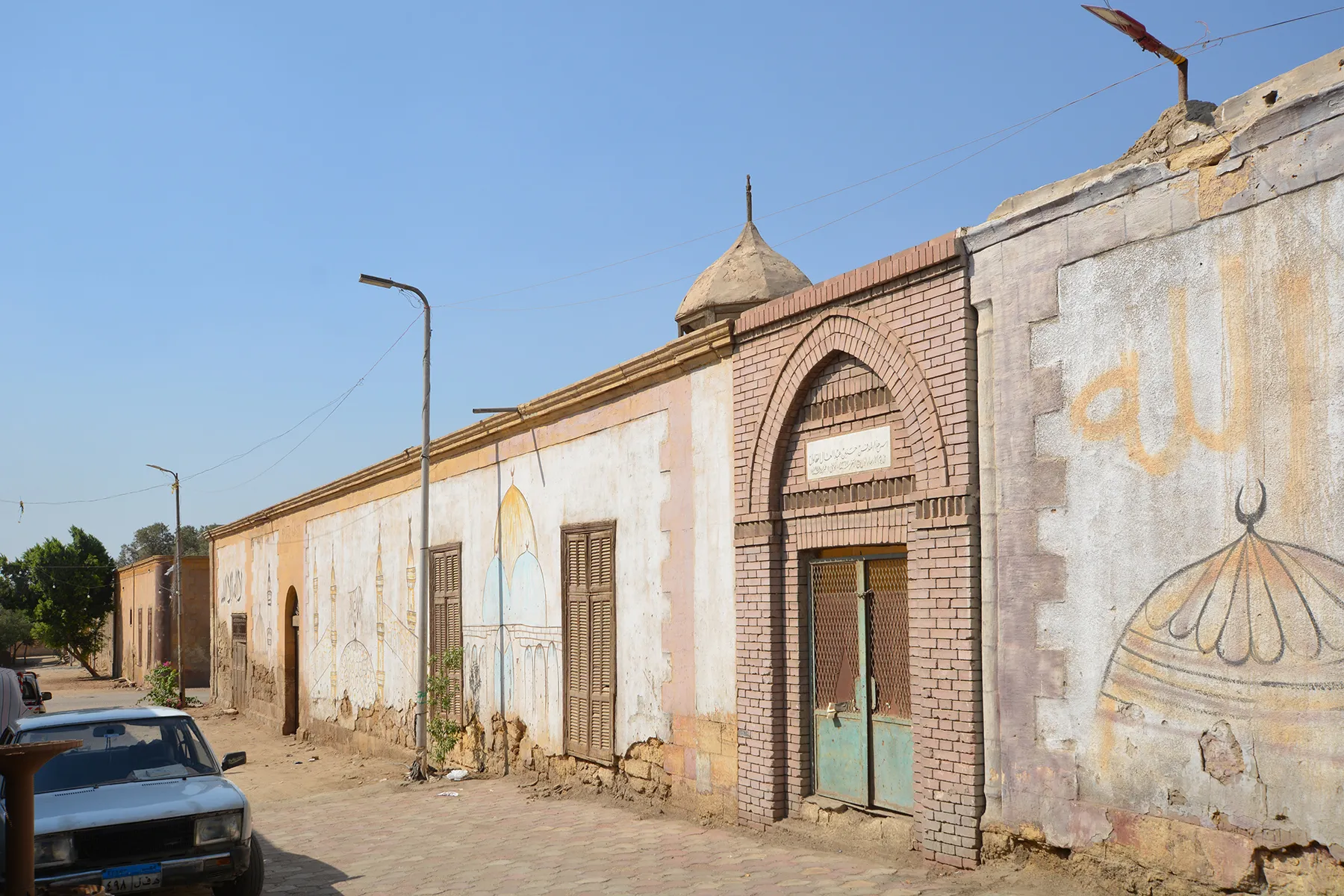
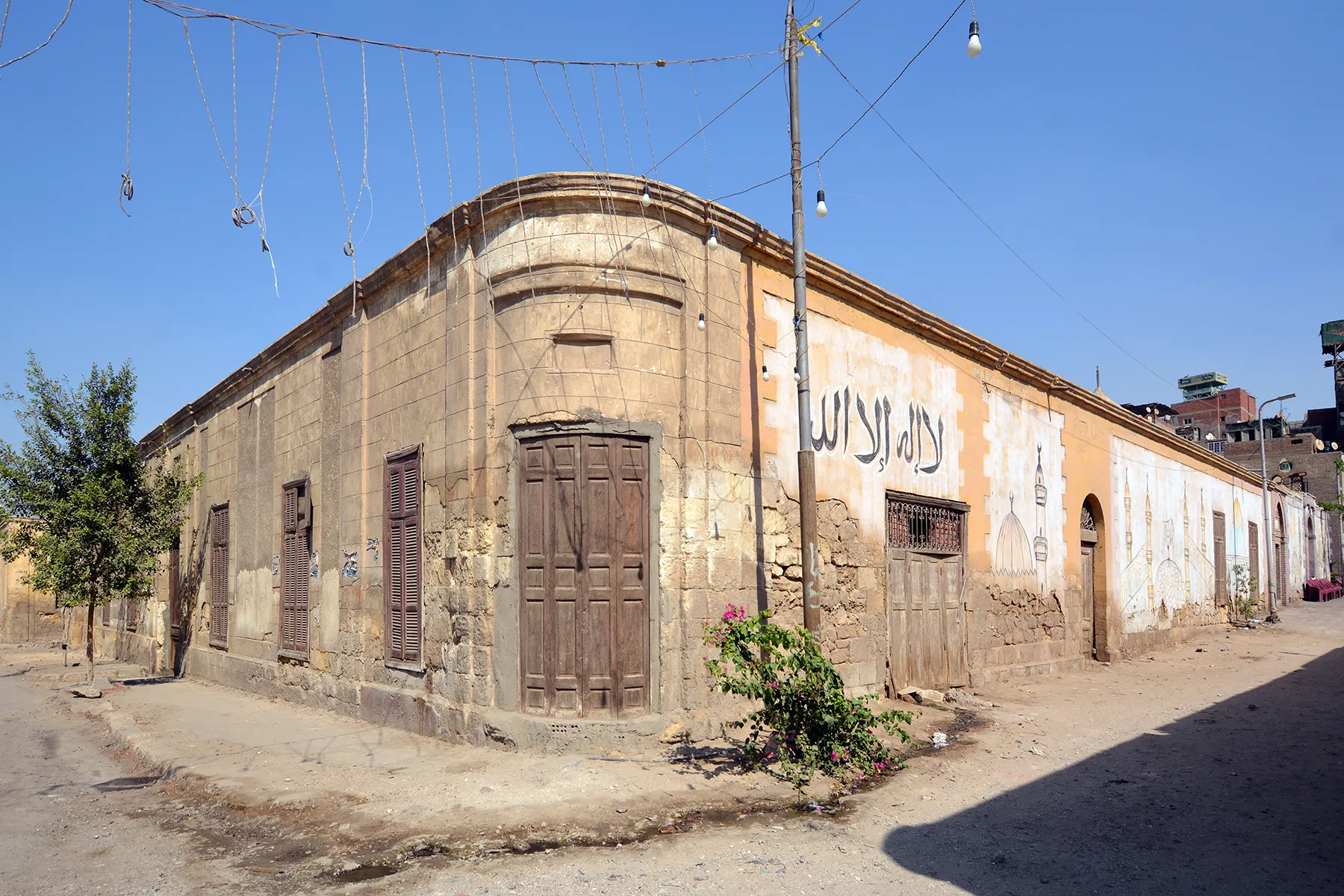
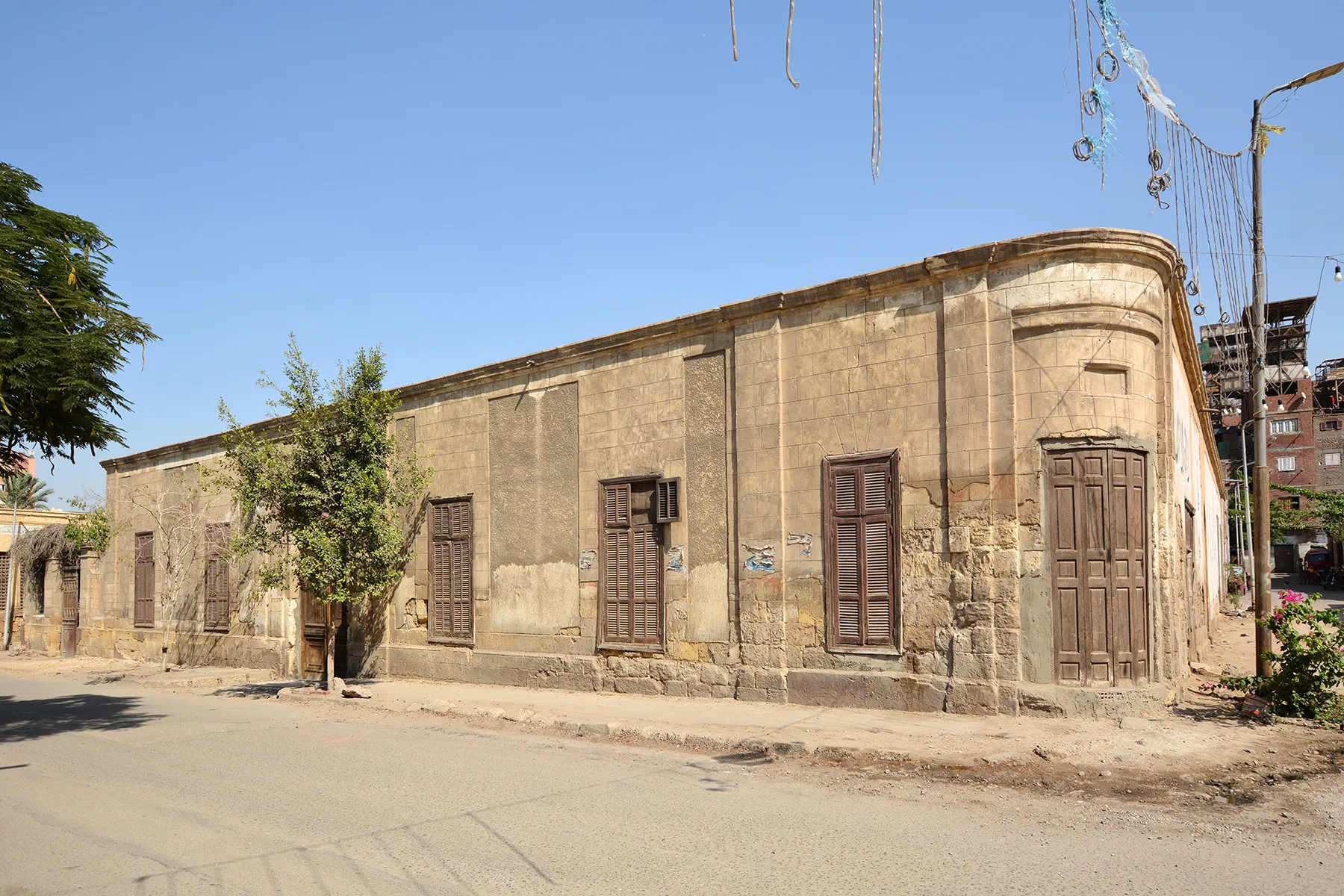
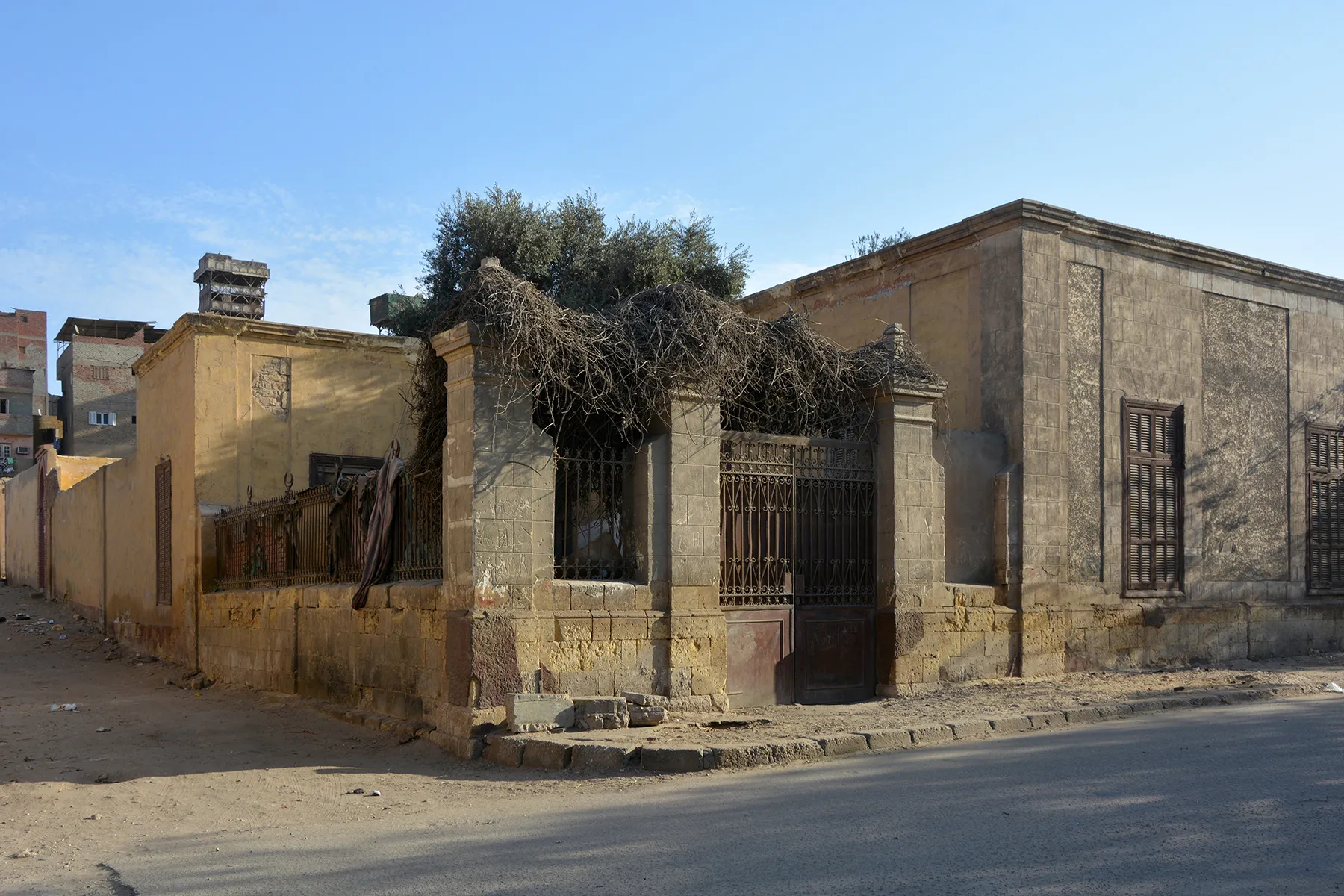
A sizeable rectangular walled enclosure measuring ca. 35 x 31 m, with southern, western and northern façades facing the streets, and bordering to the east on a narrow alley (now blocked and partly built up) separating from smaller enclosures to the east. The architecture of the complex is in a highly simplified, Classically-inspired style, without any neo-Mamluk or otherwise Islamic elements.
The unit comprises a single-storey building in the western part of the lot, facing the street, a small rectangular courtyard in the north-western corner of the enclosure (north of the main building), with a small single-storey building on the eastern side, and a huge rectangular courtyard in the eastern part of the lot, planted with trees. In the south-eastern corner of the courtyard is a rectangular hall (apparently a burial chamber) of the same height as the main building, with an octagonal lantern in the roof covered lath a wooden dome of lath-and-plaster construction.
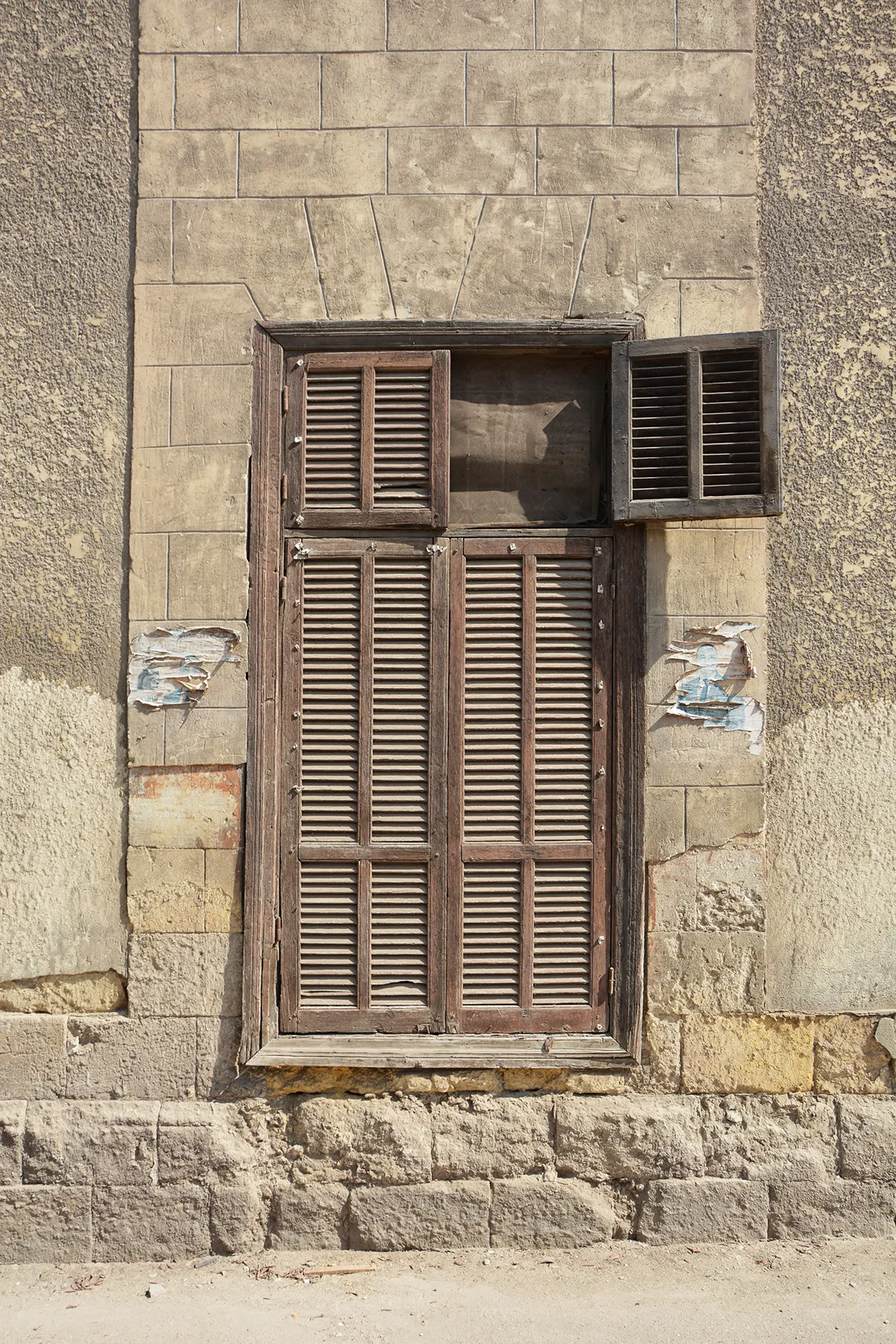
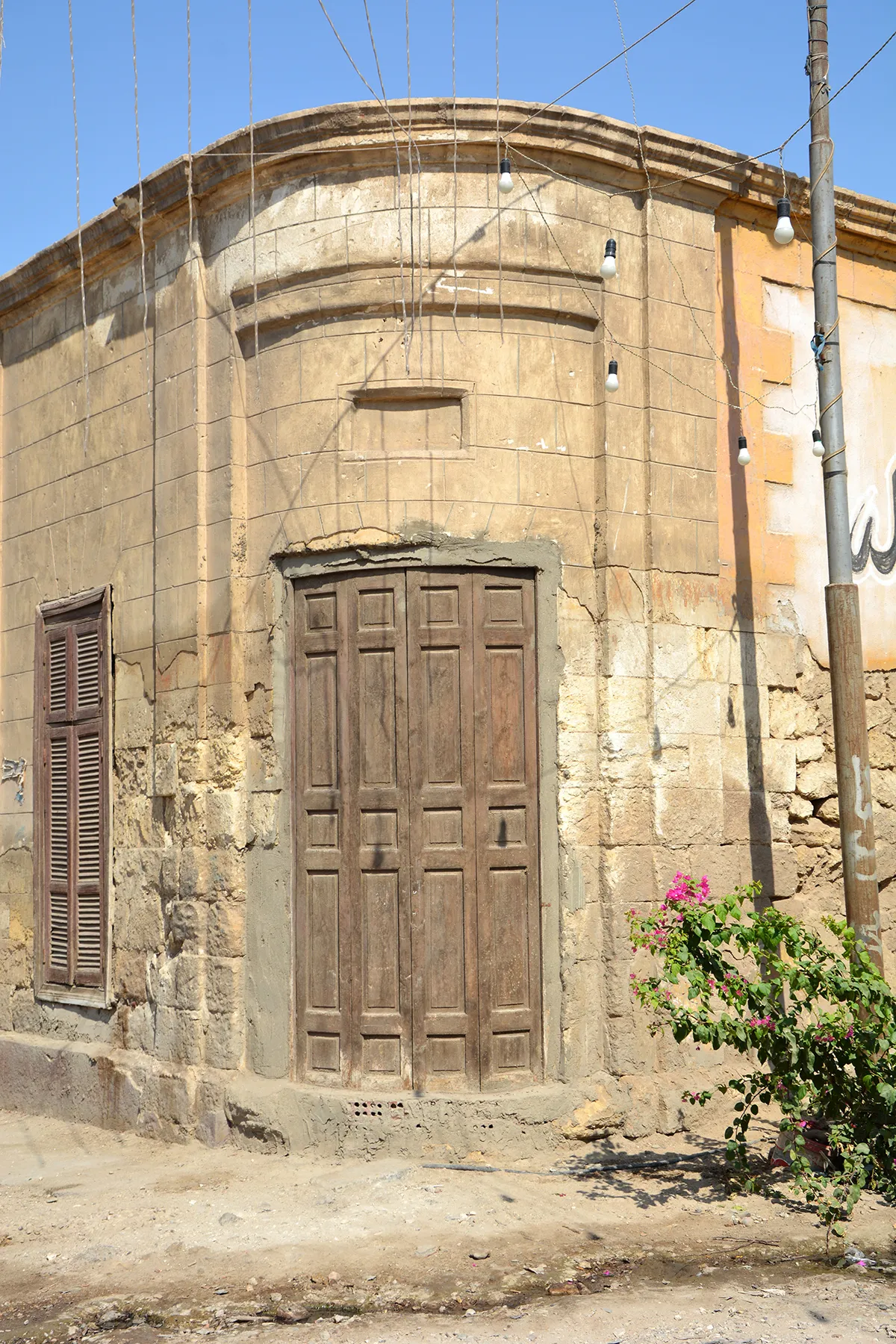
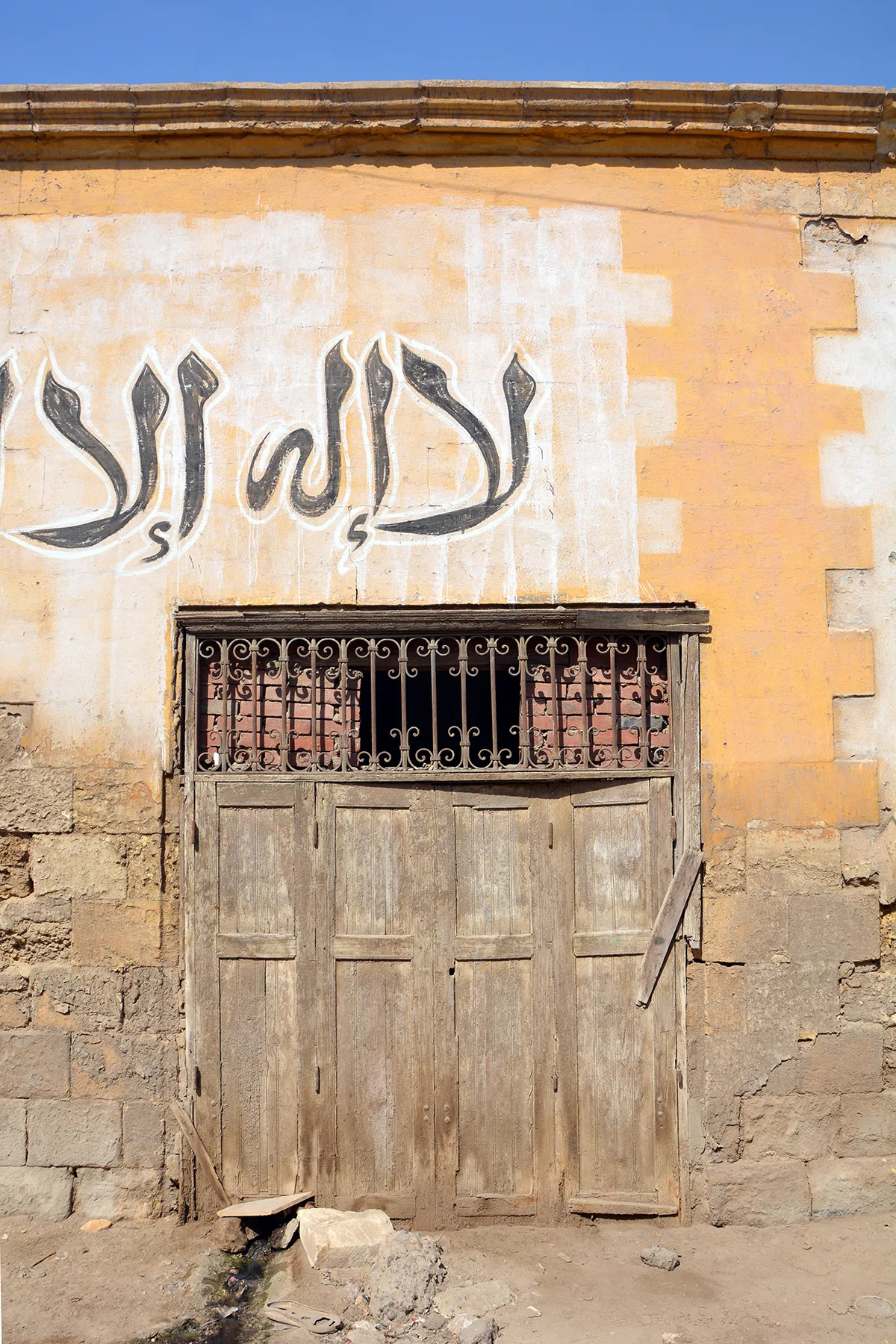
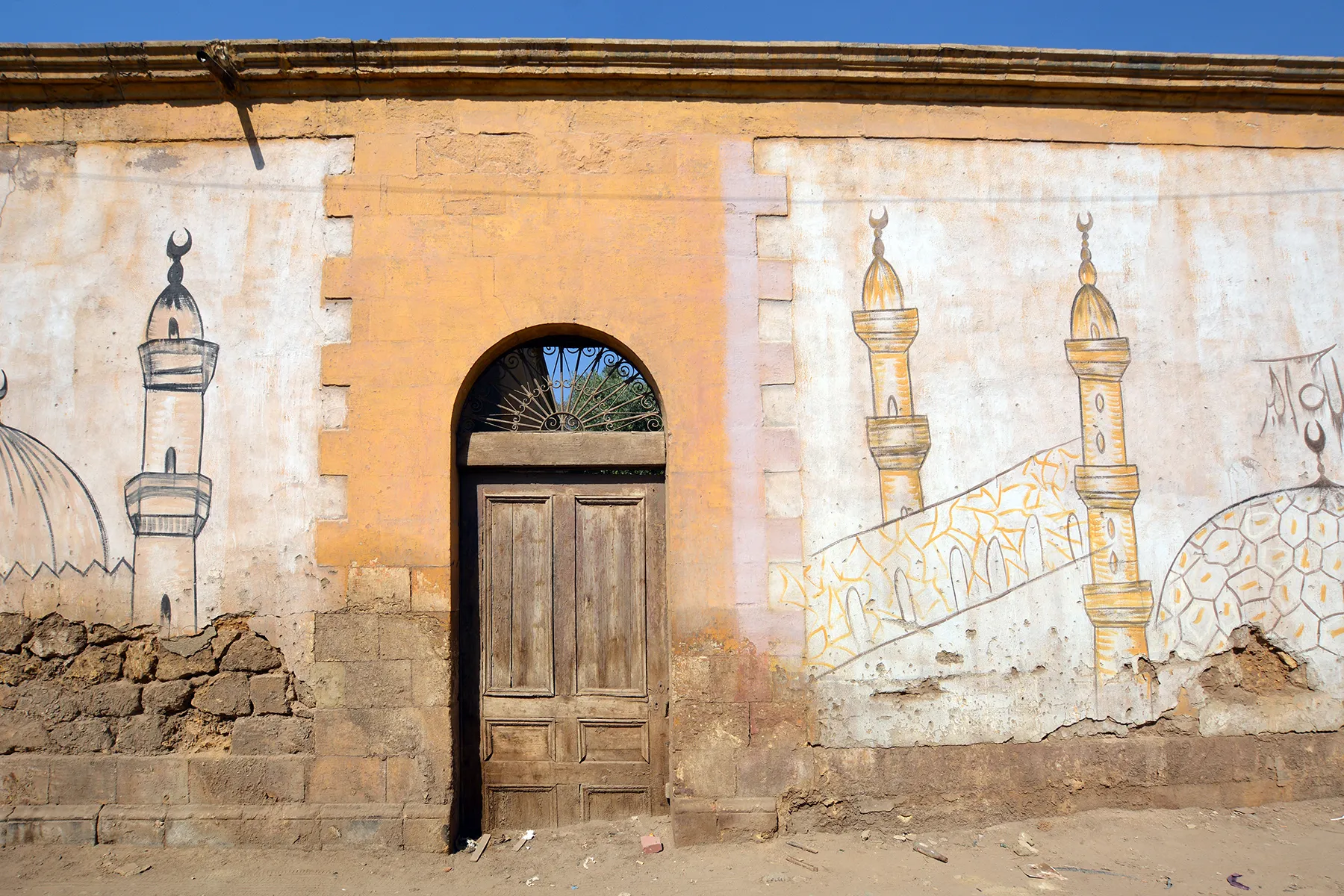
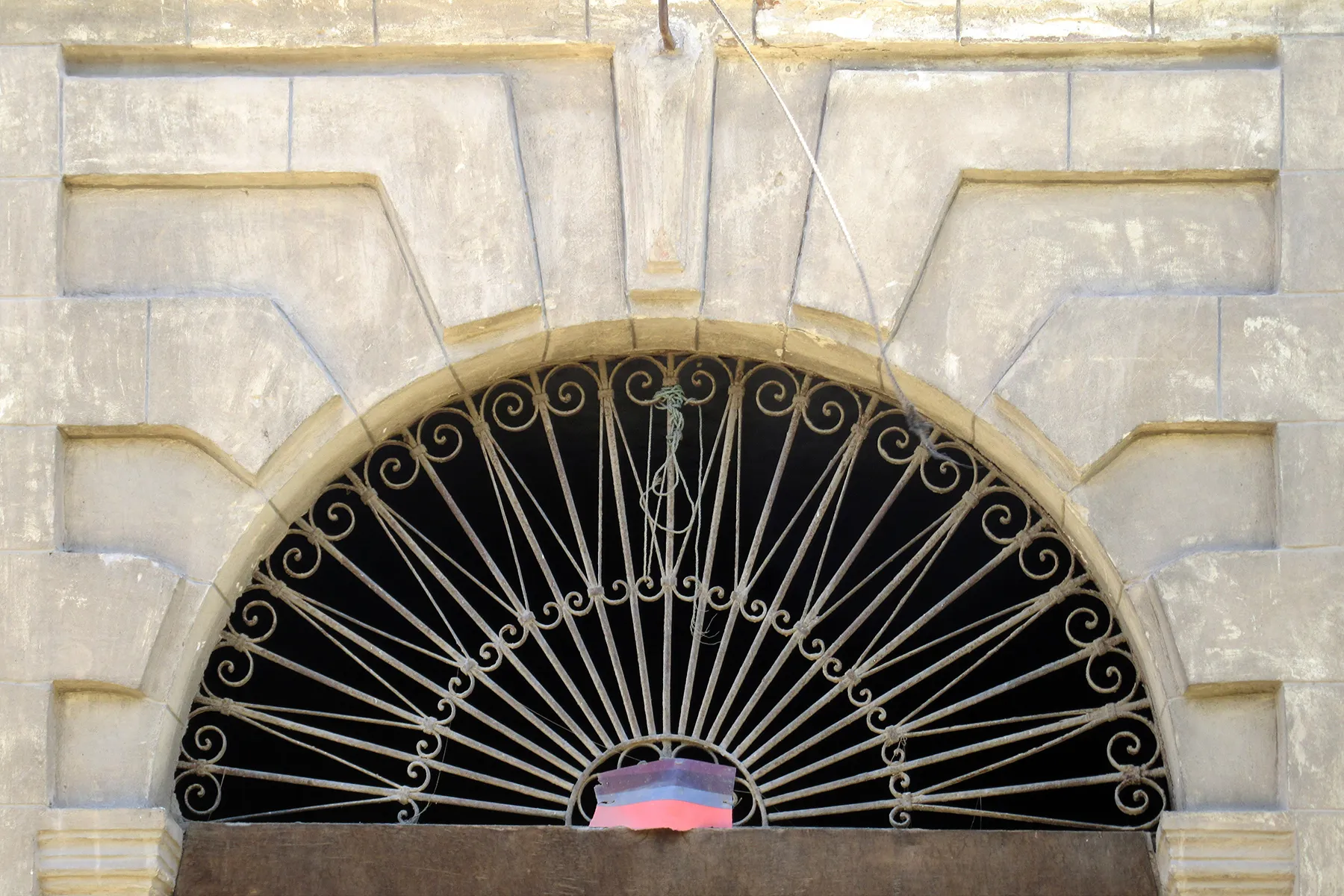
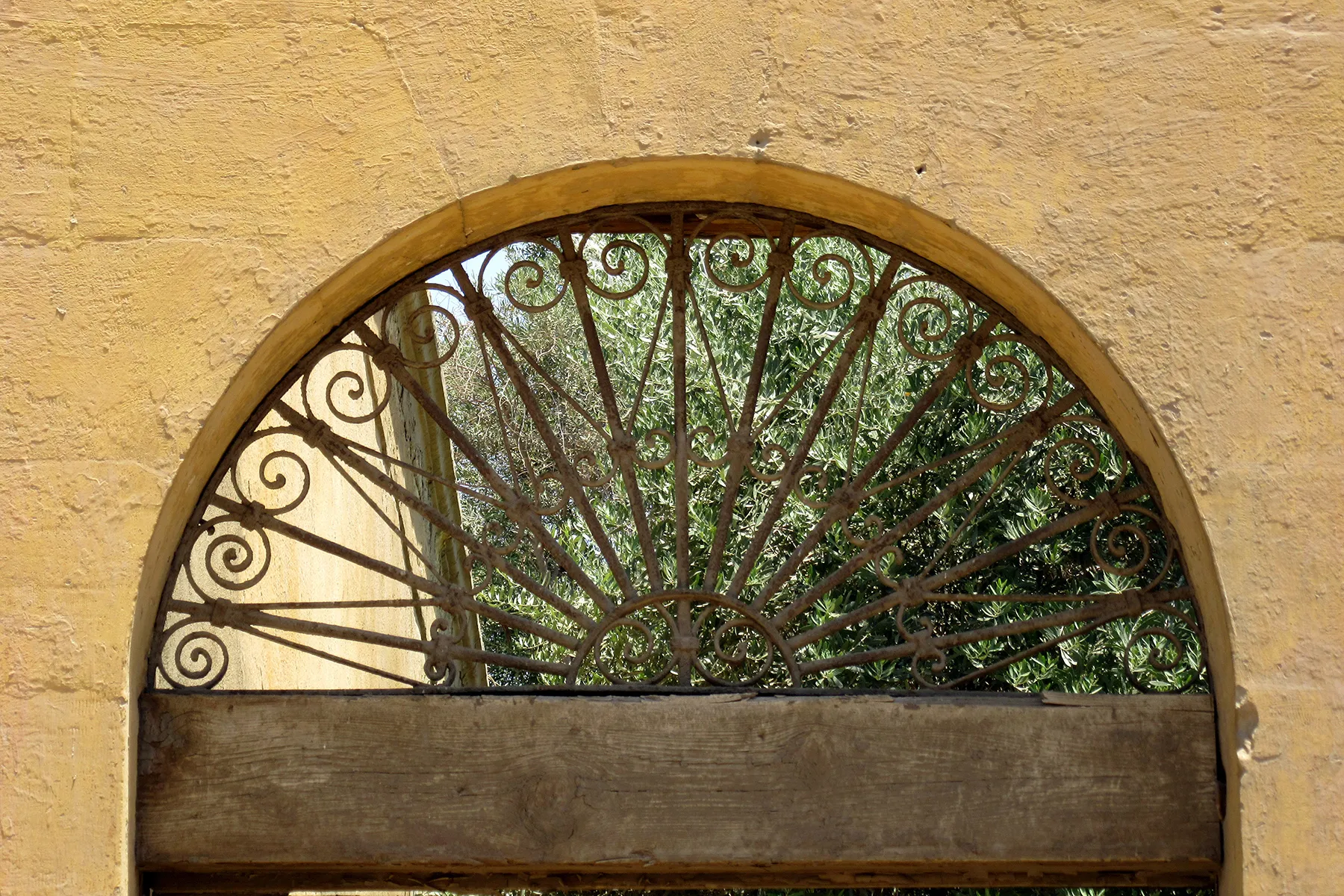
The main façade faces west (i.e., Sultan Ahmad Street). Its central part comprises an entrance gate topped with a boldly rusticated semi-circular arch, with simple wooden door and a simple decorative wrought iron grille in the arch above. There are two huge plain rectangular windows to the left (north) of the gate and three to the right (south), all fitted with simple, plain louvre shutters. The outermost windows are flanked with very flat pilaster-like bands of masonry. The south-western corner is rounded, with a huge, plain rectangular sabil window with simple panelled shutters. There is a simple rectangular recess over the sabil window, evidently intended for an inscription panel, but now empty. The main façade and the western part of the southern facade are built of ashlar masonry, but are covered with plater with delicate rustication marking the joints – possibly this was an attempt to mask the damage to the stone from rising damp and rainwater.
The southern façade is pierced with four irregularly placed openings: a wide rectangular door close to the south-western corner, apparently leading to a room in the south-eastern part of the front building deigned as a garage for vehicles bringing the visitors; a plain arched gate further east in an ashlar stone-built section of the wall, leading to the courtyard; and two windows in the eastern end belonging to the burial chamber in the south-eastern corner of the enclosure. The southern façade is built of rough stone and plastered. The western and southern façades are topped with simple classical cornice in stone.
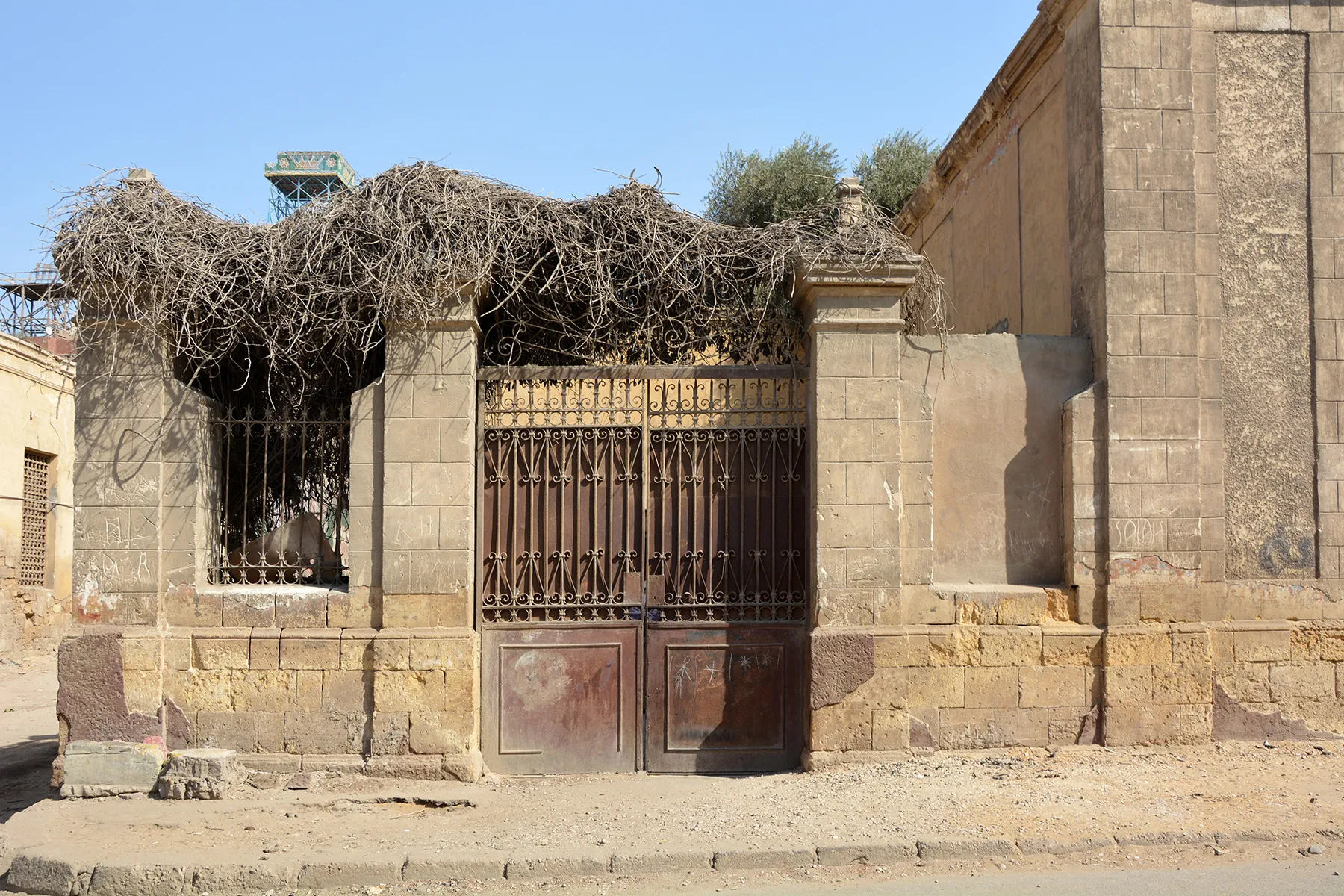
The front courtyard in the north-western corner of the enclosure is separated from the street with a simple decorative openwork wrought-iron fence, with its own gate on the western side.
(Interior inaccessible, description based on aerial photography.)
Condition of preservation
Severe damage from rising damp, cracks in stone, front courtyard used as a garage.
Information abut the founder, family history, etc.
The complex is one of similar neighbouring ones on regularly laid out lots apparently resulting from a larger-scale urban planning of the neighbouring area (possibly at the time of laying of the Sultan Ahmad Street.) This group of funerary enclosures have highly standardised building techniques and architectural details. The smaller enclosures to the east, beyond the narrow back alley, are dated by inscriptions to AD 1918 (in “Hindu” numerals, but in miladi date).
According to a resident in the enclosure, it was built for a member of the royal family called Ginnadi, and the building is a waqf (religious endowment) property.
- Field recording by
- Hadeer Amad, Muhammad Esam and Esraa al-Mahdi
- Date recorded
- August 3, 2022
- Data entered by
- Yusuf Yassir
- Date entered
- May 21, 2024