



Unit No53
Funerary enclosure of Kazaruni Family
|
Coordinates of the main entrance |
30.049703N - 31.276494E |
|
Attribution |
Funerary enclosure of Kazaruni Family |
|
Higri (AH)Dates as given in the Inscription |
|
|
Miladi (AD)Dates as given in the Inscription |
|
|
Inscription Contemporary with the building? |
Yes |
|
Multiple date(s) In the inscription? |
Yes |
|
Assumed Date |
The 1940s or 1950s |
|
Based on |
(based on stylistic features); [probably incorporated an earlier building of late 19th – early20th cent]. |
|
Original Use |
Funerary enclosure |
|
Current Use |
Funerary enclosure |
|
Overall condition |
Good |
Features of unit 53
| Present | Count | Material | Comments (see description for details) | |
|---|---|---|---|---|
| Free standing structure | No | |||
| Walled enclosure | Yes | 1 | stone | |
| Rooms by the perimeter wall | Yes | stone / brick | Inaccessible | |
| Freestanding structure(s) in enclousure | No | |||
| Dome over the tomb chamber | No | |||
| Neo-Mamluk architectural decoration | No | |||
| Garden layout | Yes | |||
| Sabil(s) | No | |||
| Wall fountain(s) | No | |||
| Canopy on columns / pillars | No | |||
| Carved marble cenotaph(s) | Yes | 1 | 1 | Apparently present: interiors Inaccessible |
| Decorated limestone tomb-markers | No | Possibly present: interiors Inaccessible | ||
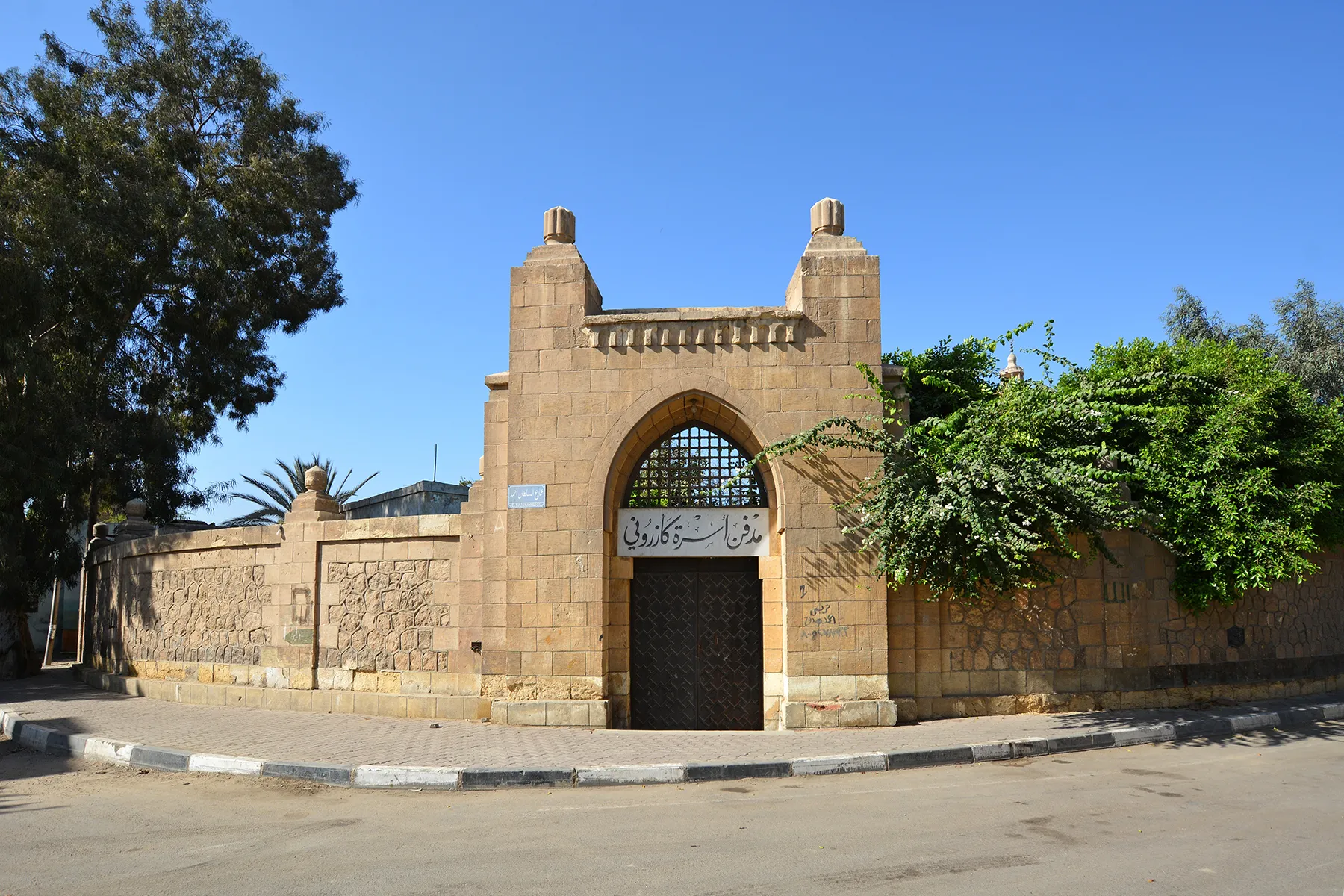
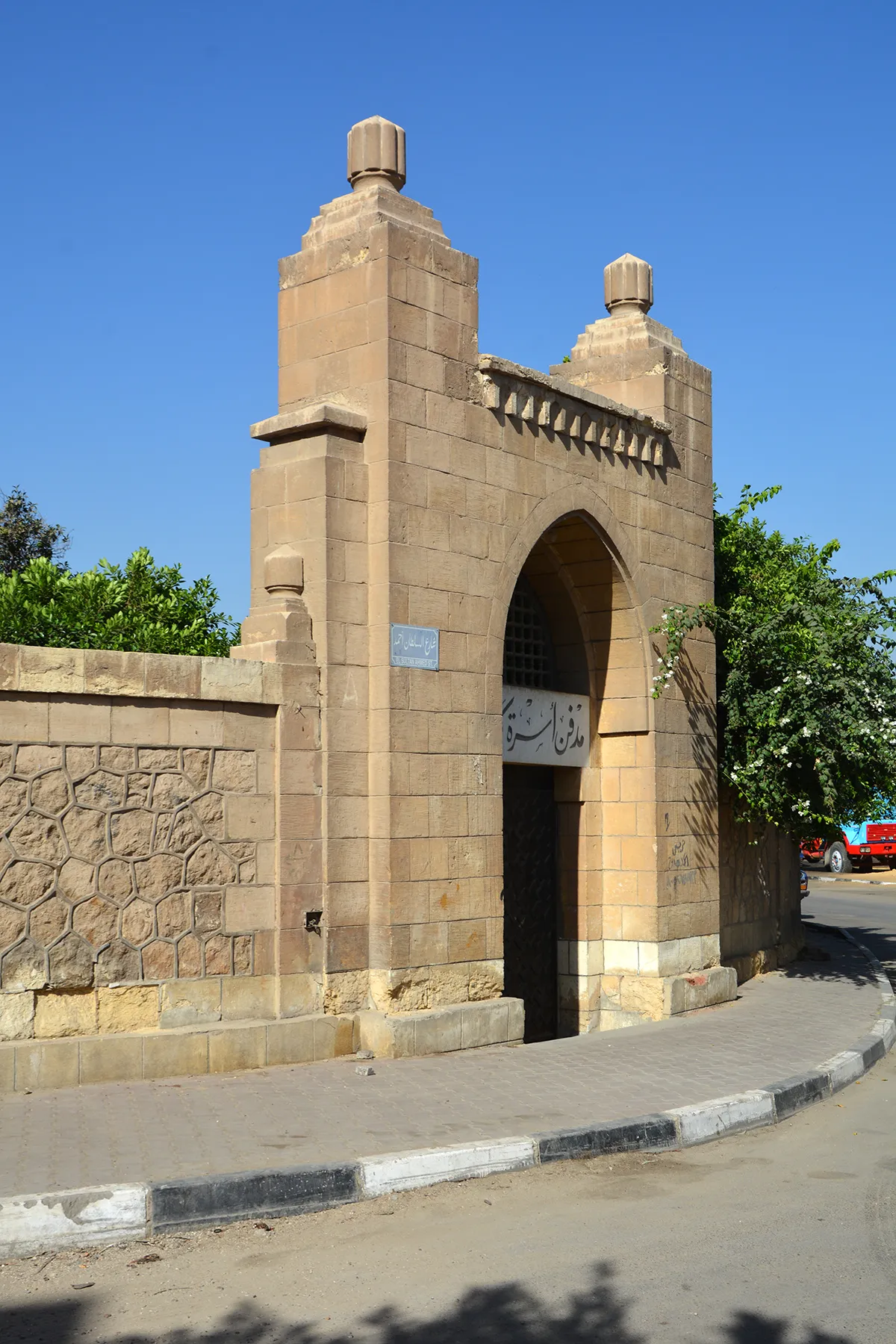
| Decorated gateway | Yes | 1 | stone | Main gateway |
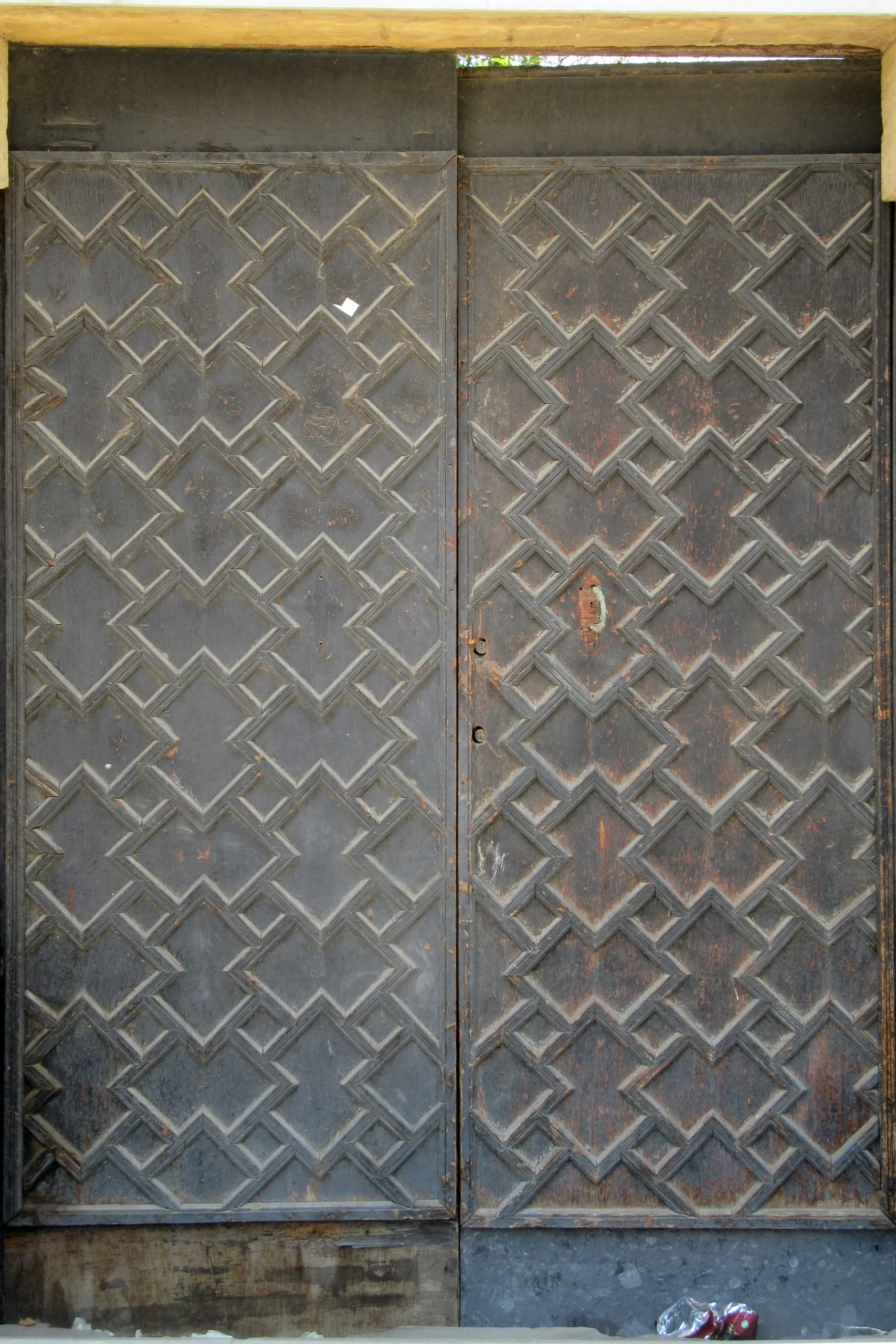
| Decorative door-leaves | Yes | 2 | wood | Main gate, simple geometric pattern |
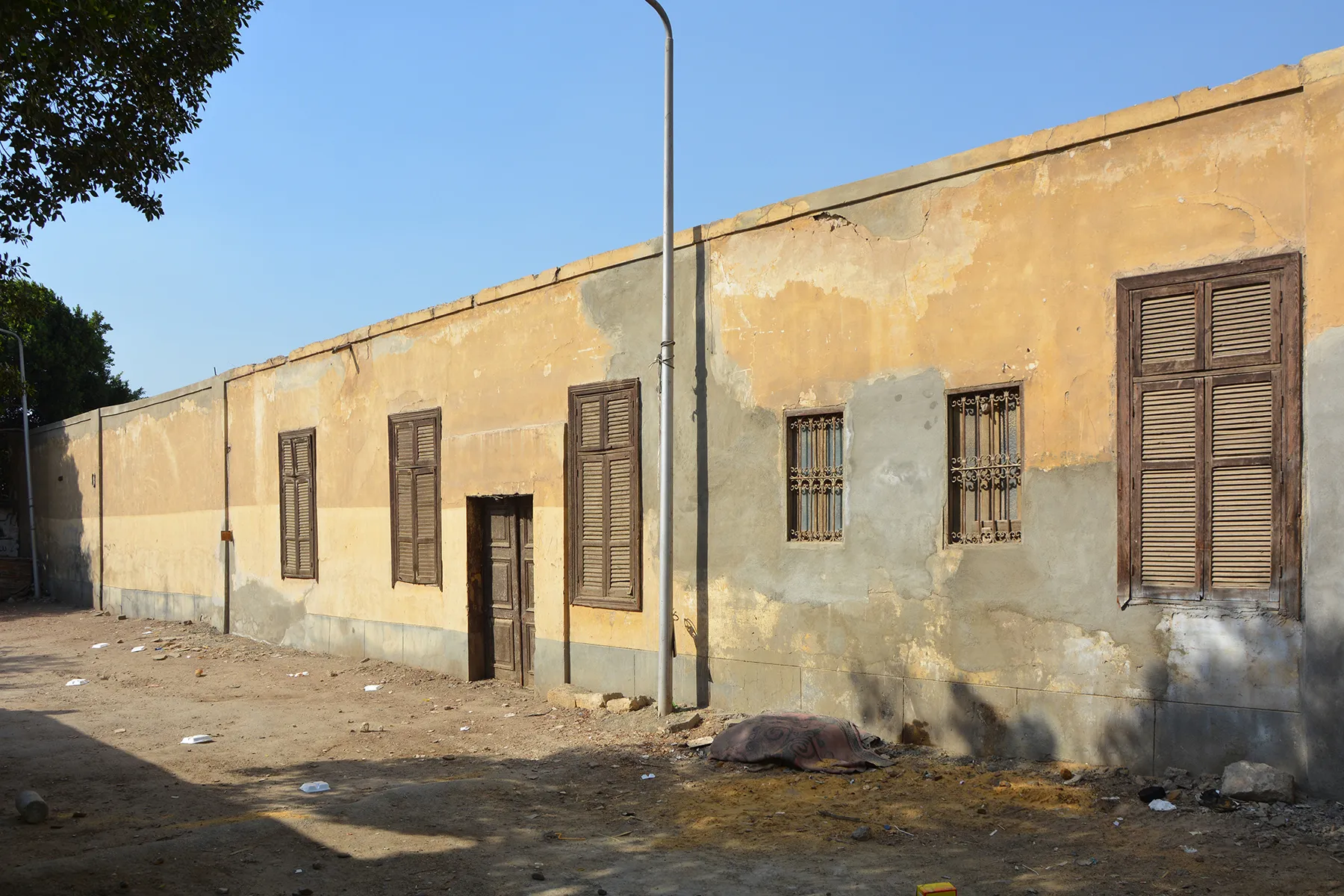
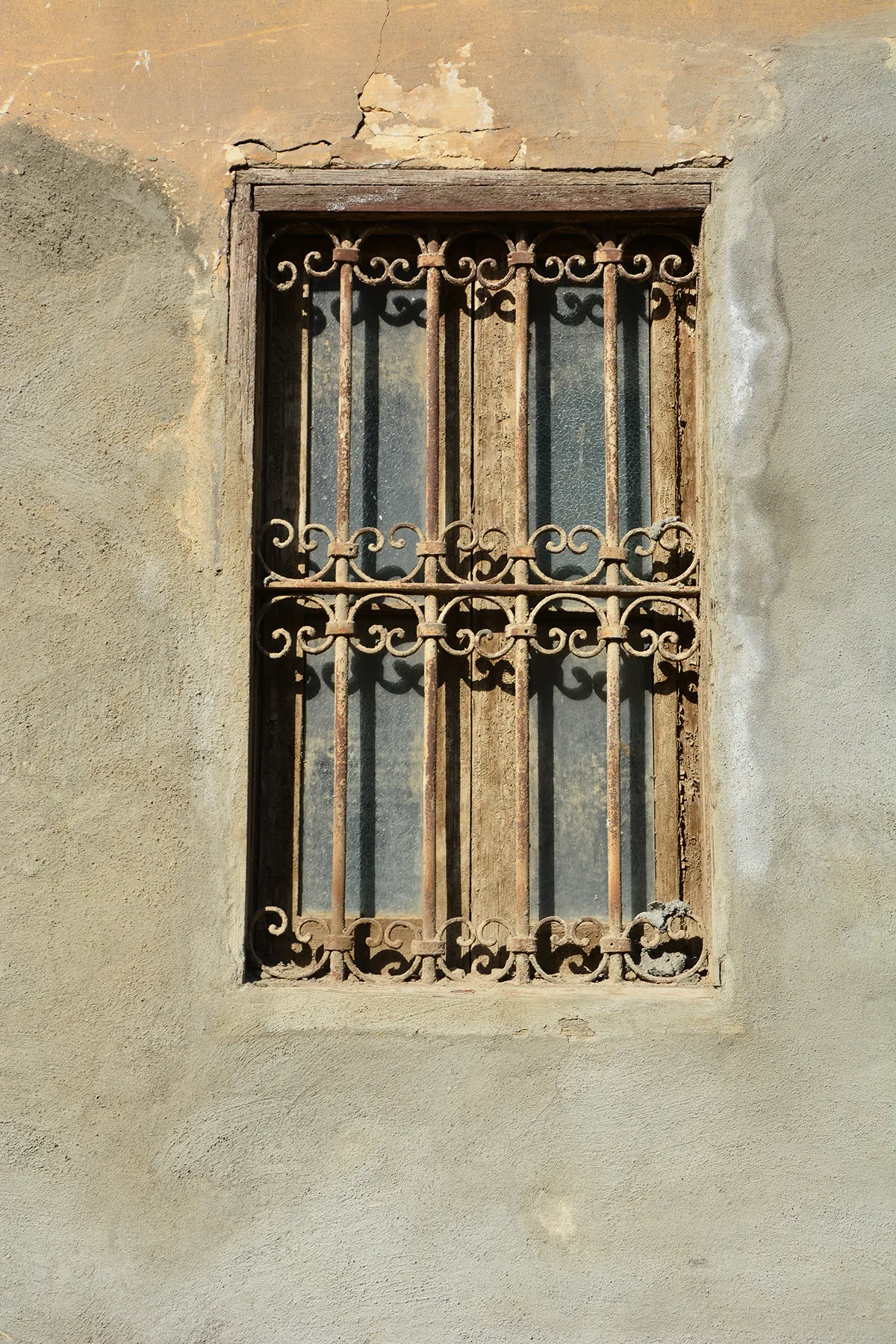
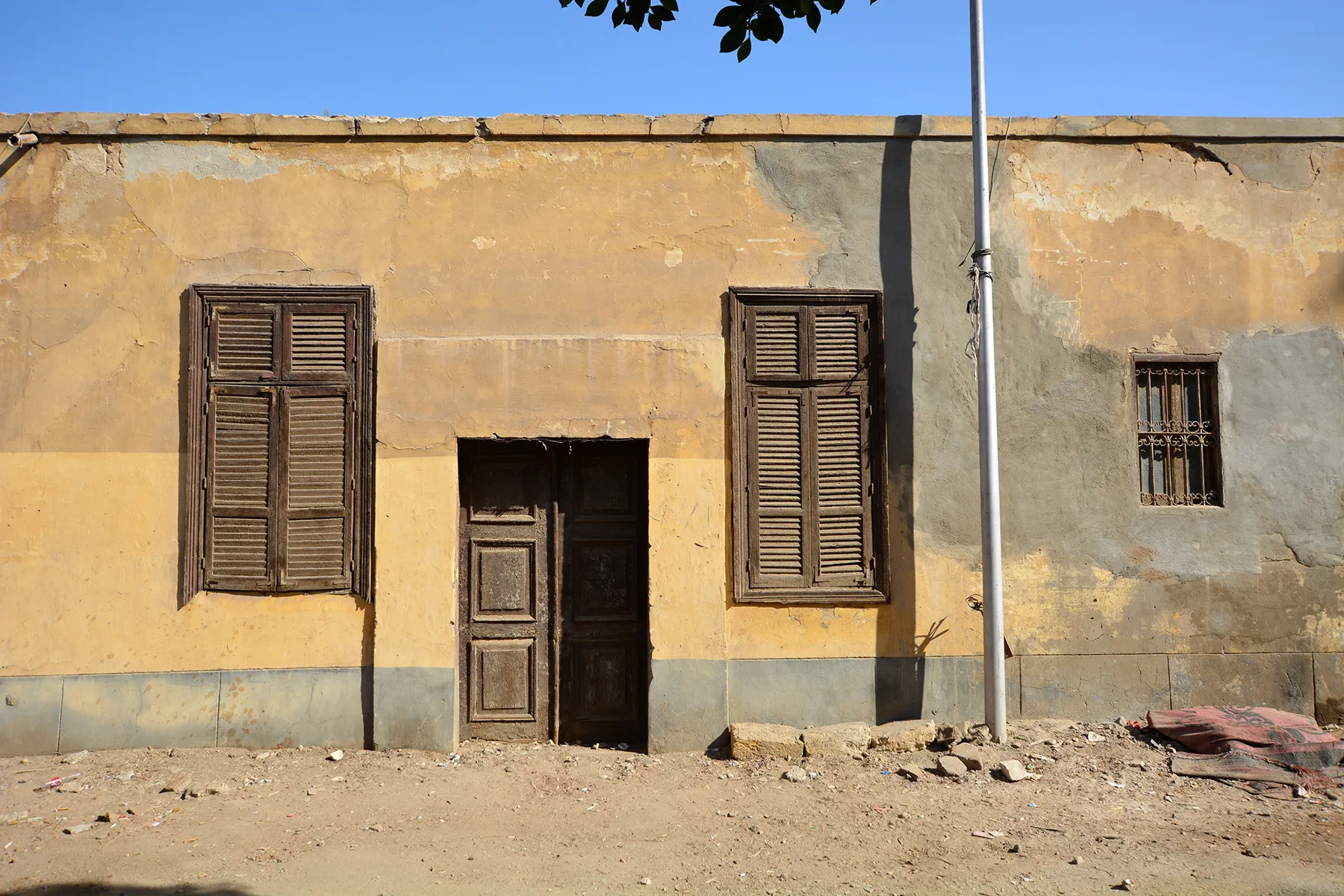
| Decorative window grilles | Yes | 3 | wrought iron | In the back wall of the building |
| Decorative shutters | No | |||
| Painted ceiling(s) | No | ?? - Interior inaccessible | ||
| Decorative paving(s) | No | ?? - Interior inaccessible |
Unusual or unique features
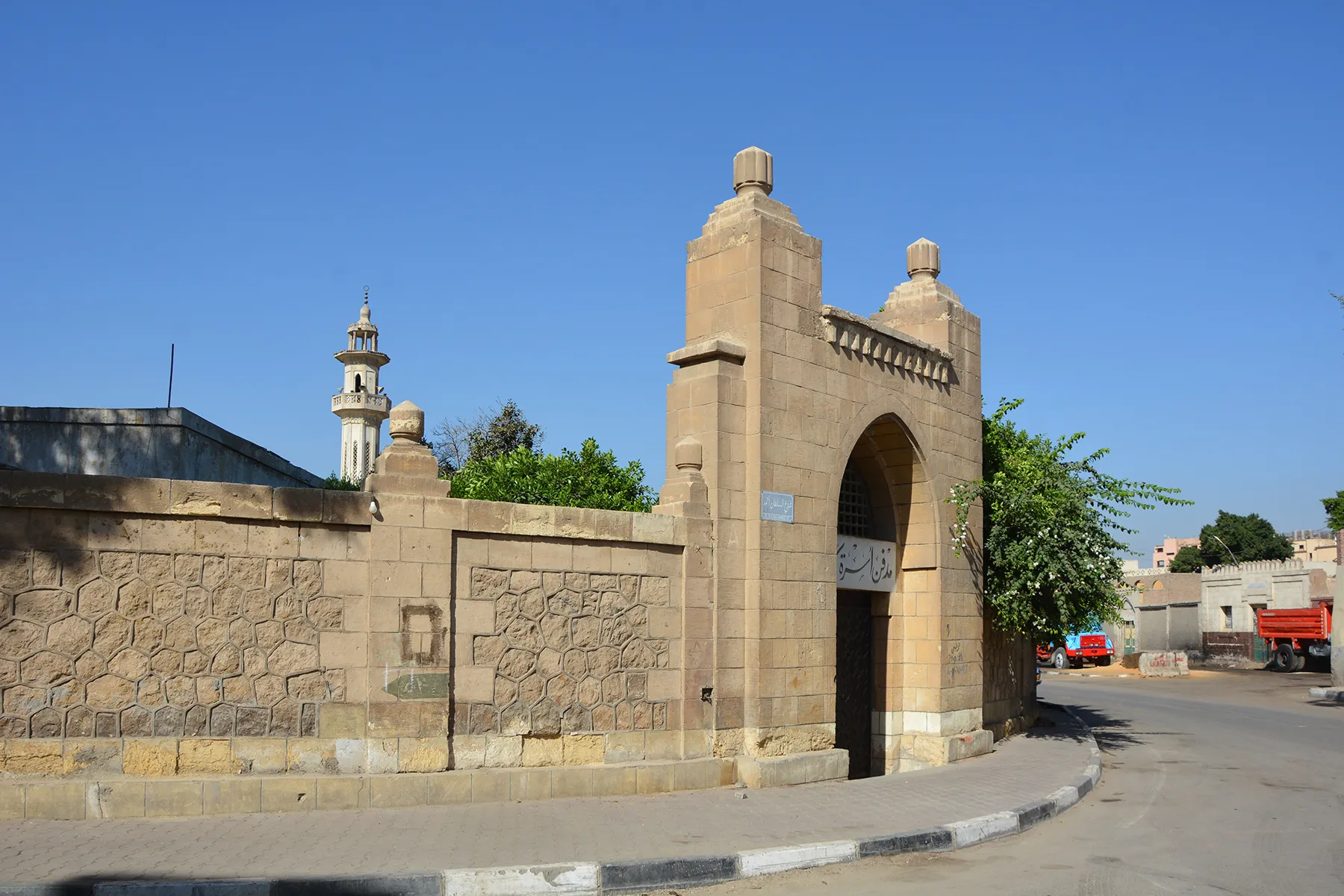
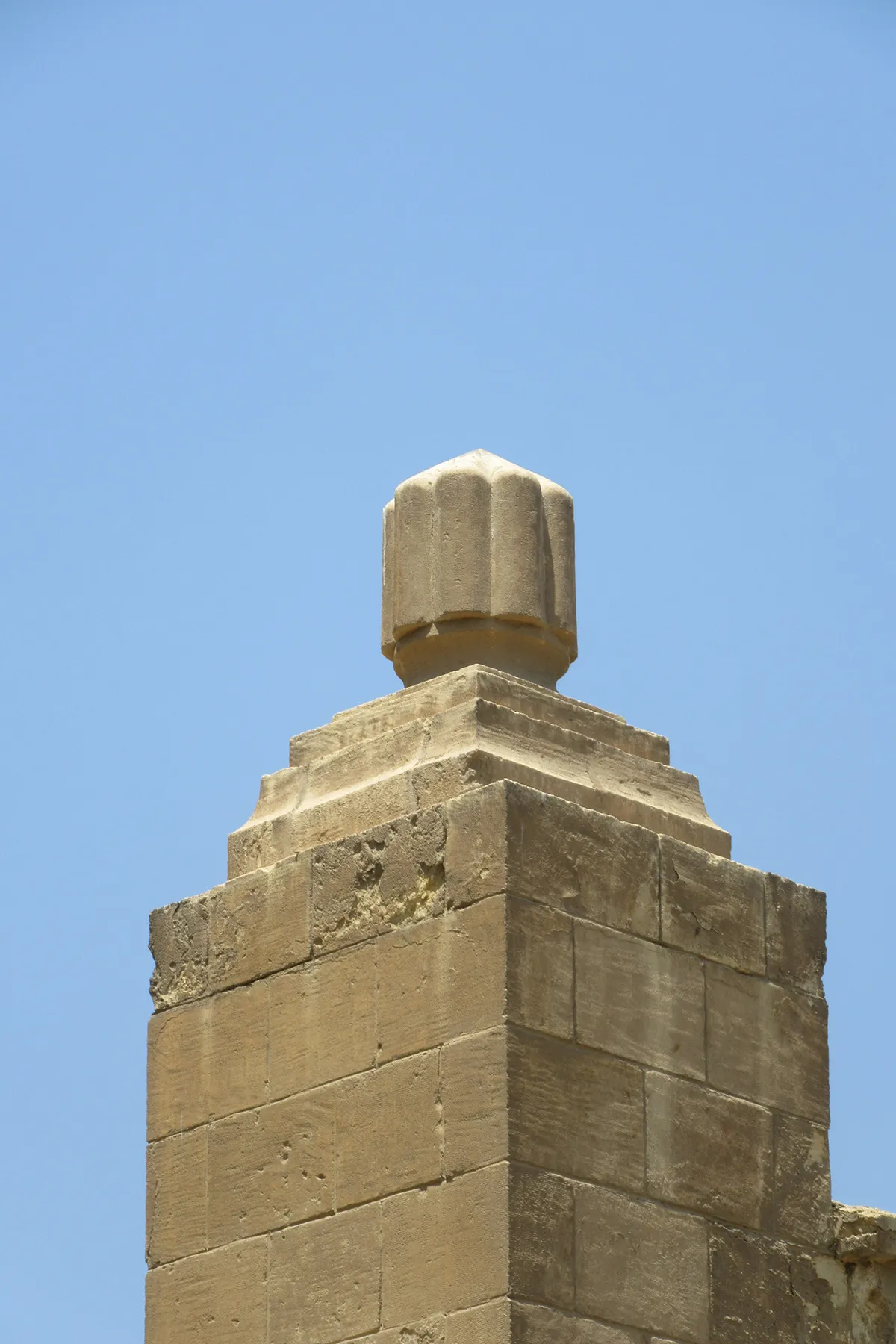
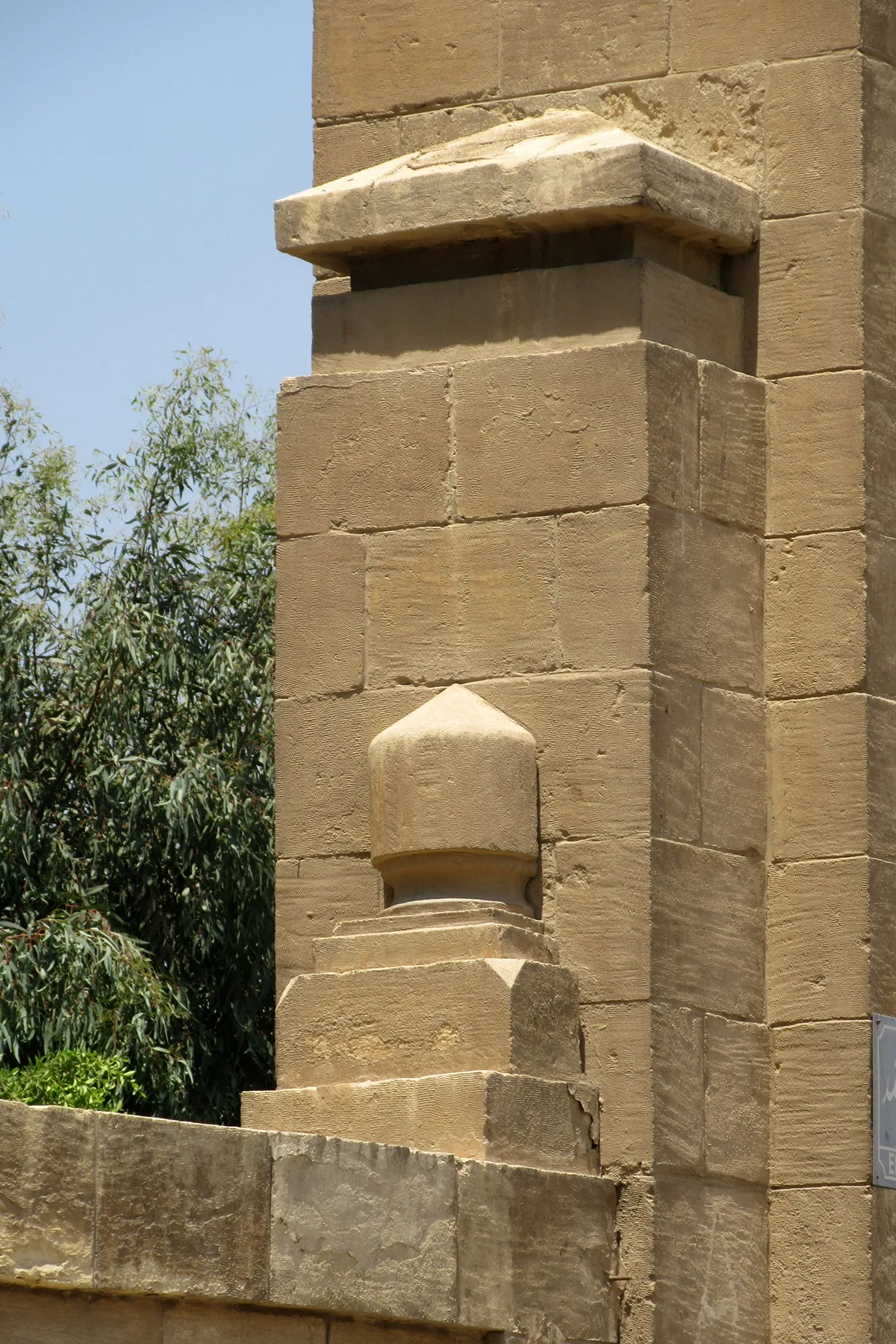
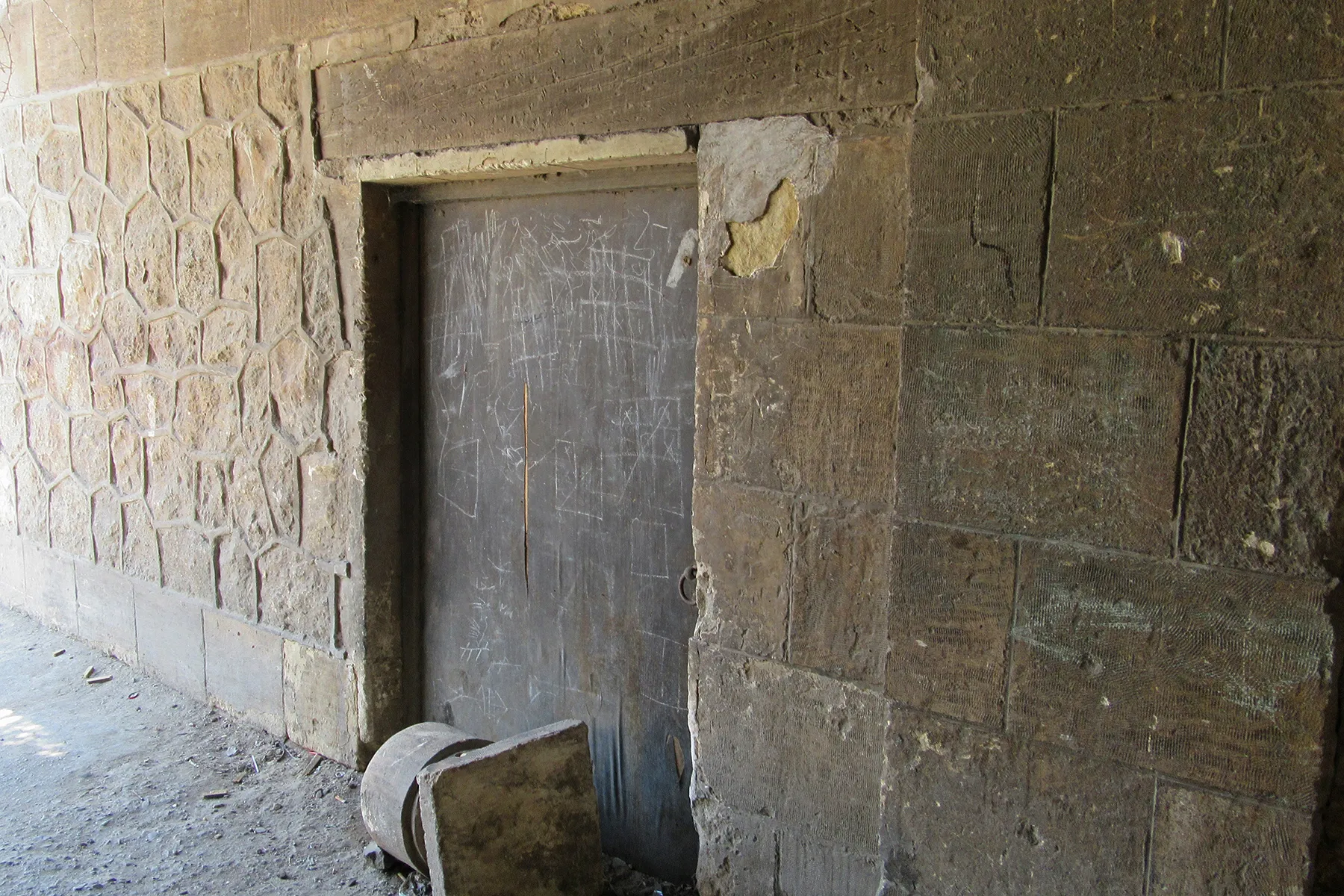
• Uncoursed rough stone masonry used in the façade of the perimeter wall.
• Partially circular layout of the perimeter wall
Description (The direction towards Mecca (Qibla) is described as eastern and other directions are named accordingly)
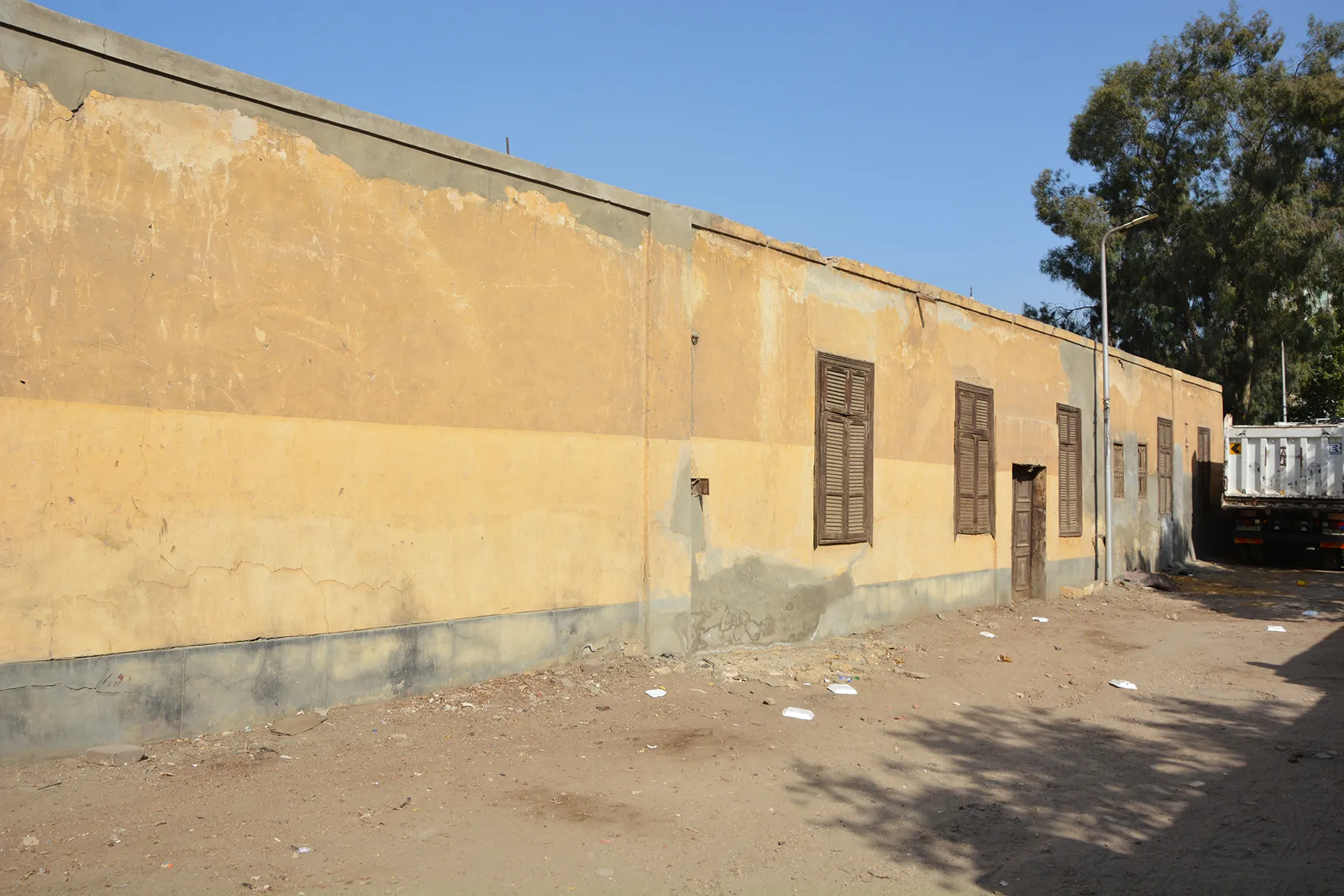
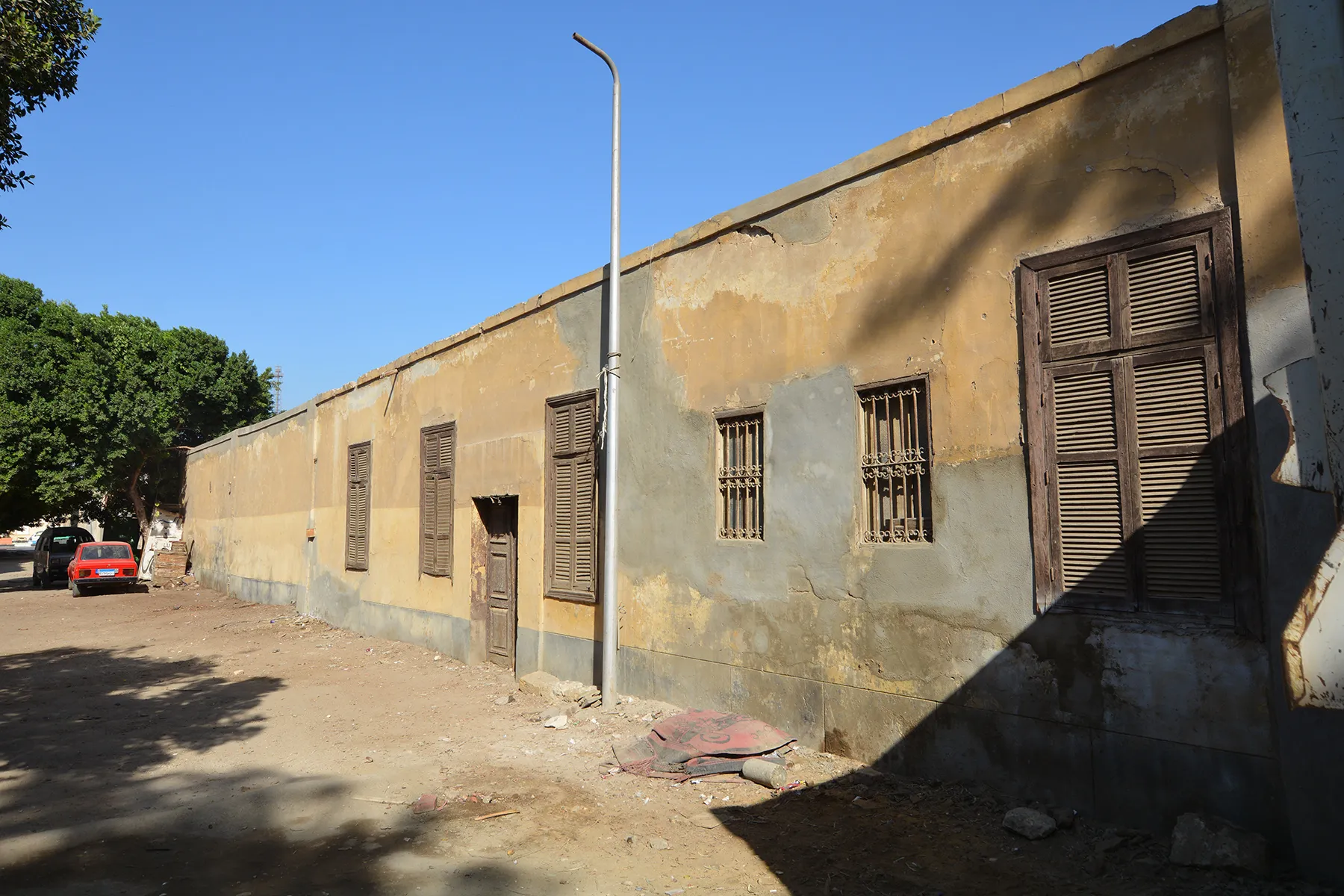
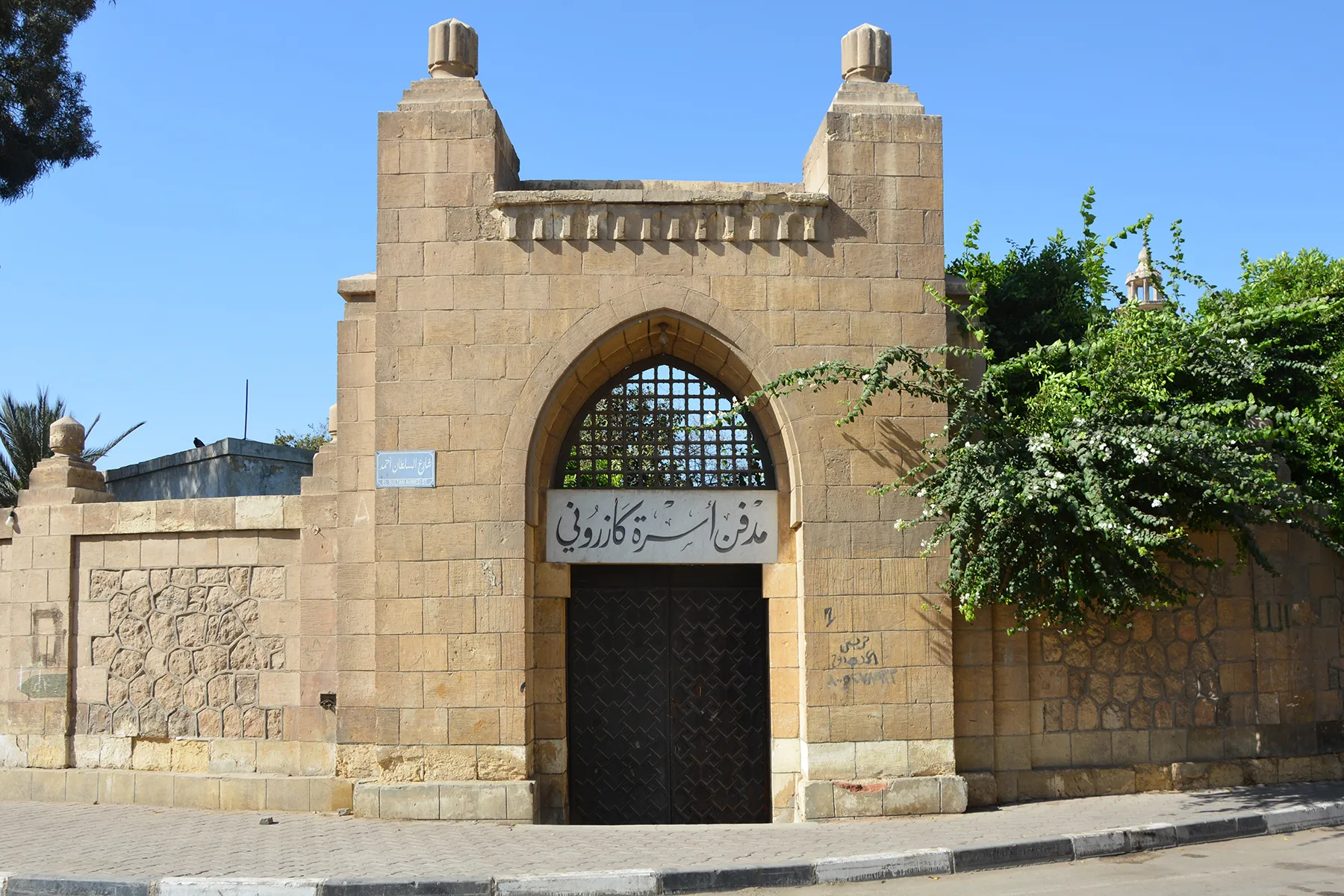
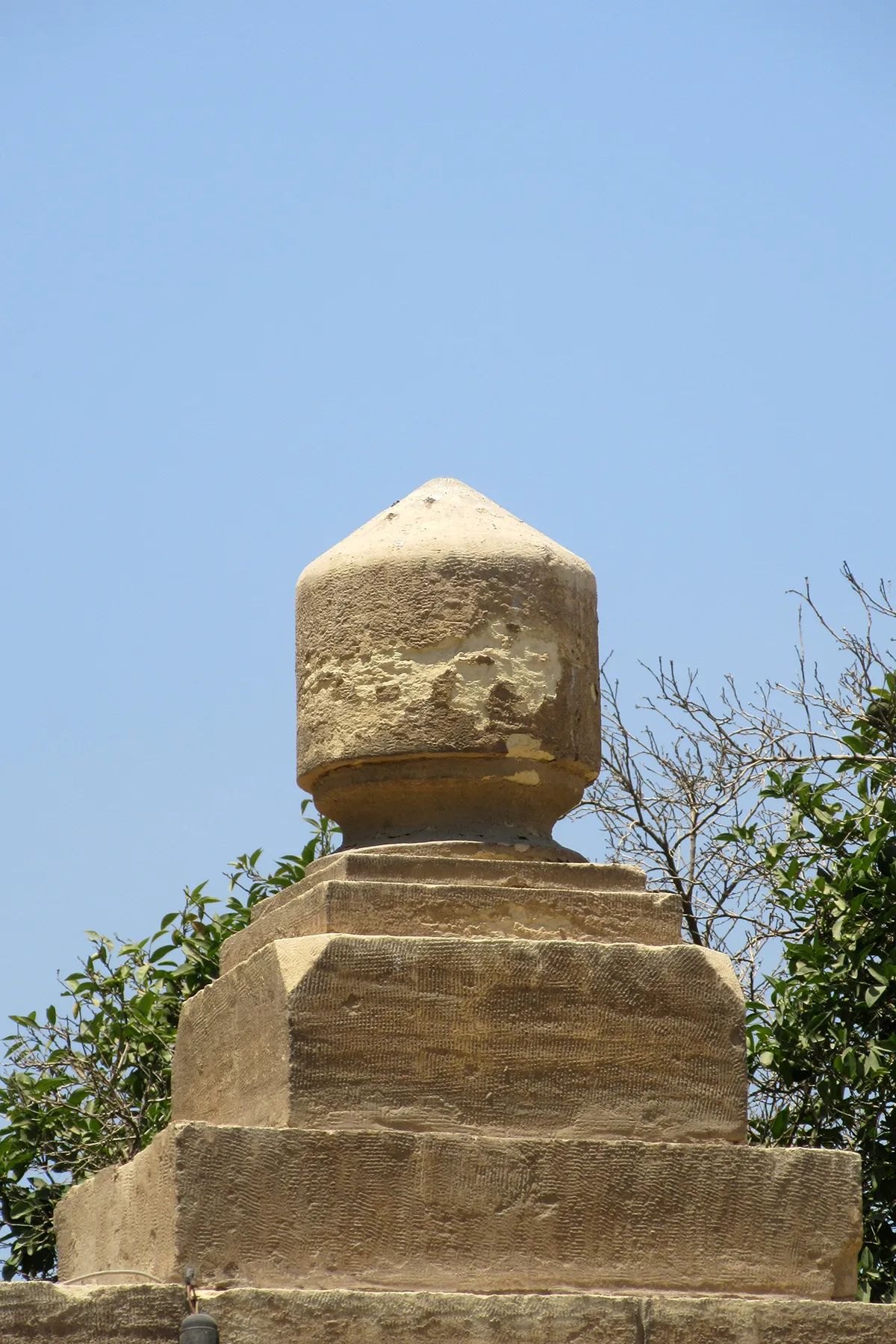
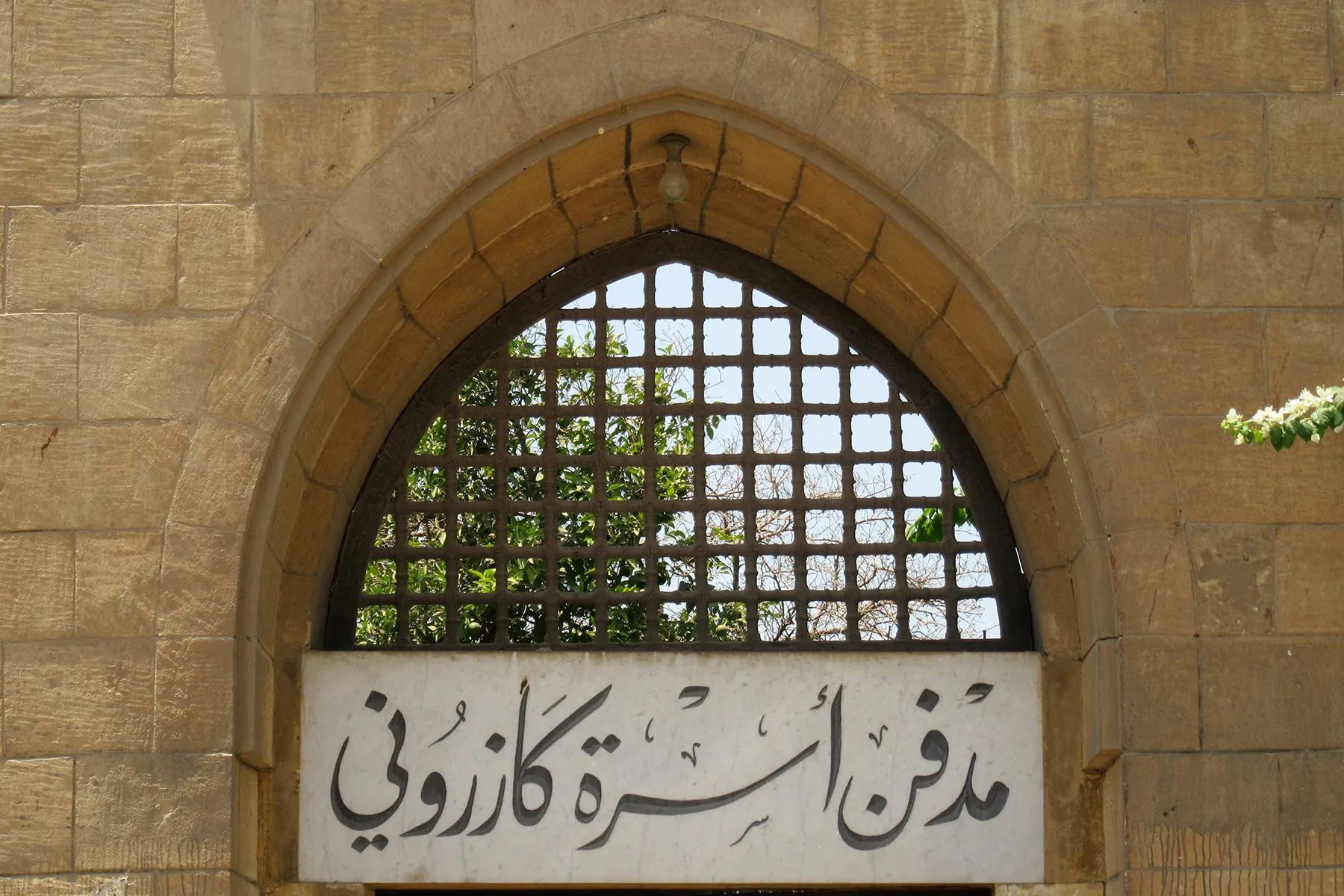
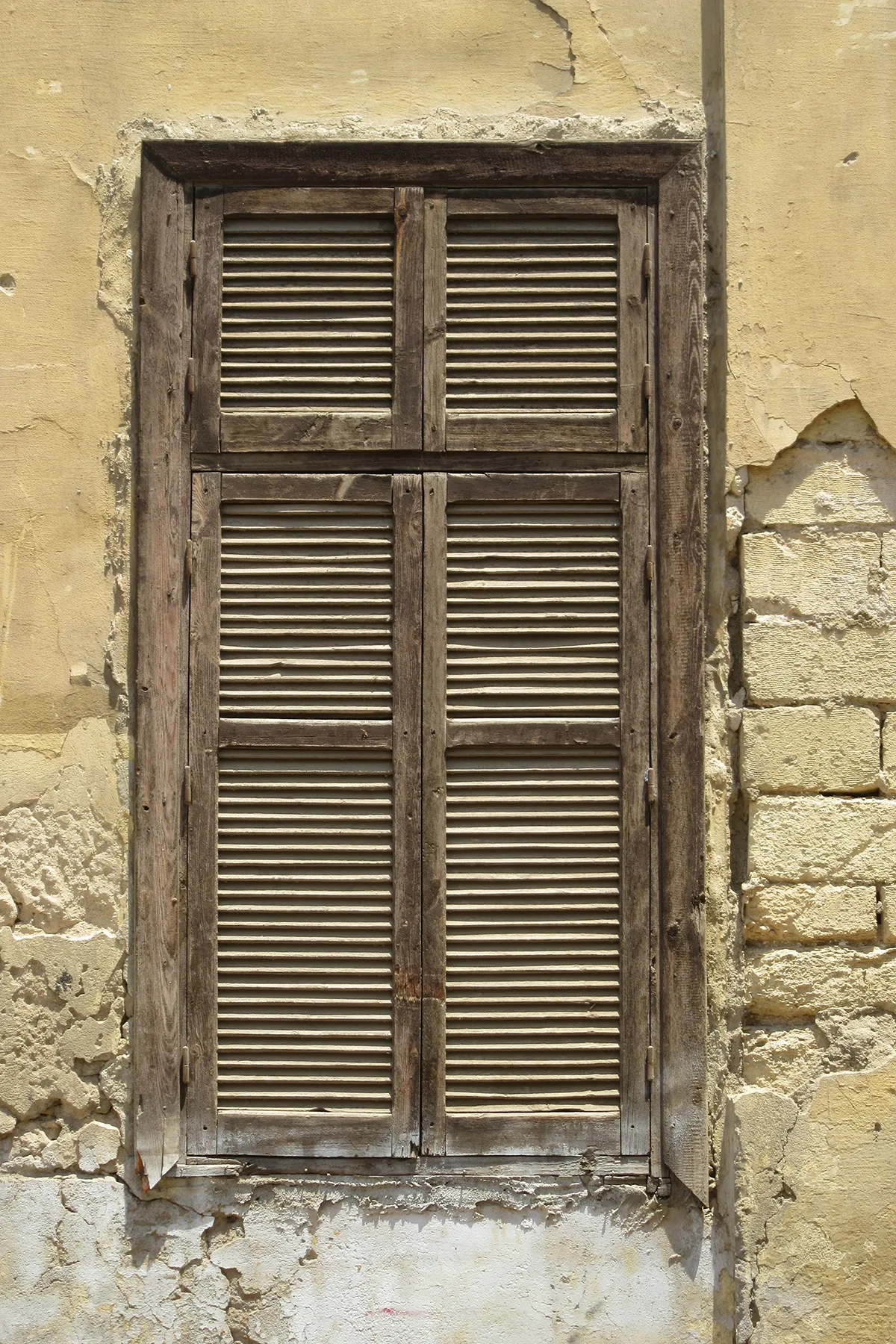
An irregular lot tapering towards west, with the perimeter wall forming a large quarter-circle in the north-eastern corner, with the entrance gate in the middle of the circle. By the southern wall stands an elongated, very simple building with no decoration, constructed of dressed stone in courses of uneven height and plastered. Its plain windows have simple decorative wrought-iron grilles. In the south-western corner of the lot is an enclosure with open arcade of pointed [? – interior inaccessible] arches to the northern side and a similar arch in the eastern wall where it protrudes in front of the abutting building. The eastern half of the enclosure is roofed, the western part is open to the sky and contains a single huge cenotaph. The perimeter wall (i.e., the northern wall with the circular north-eastern section, and the part of the western wall north of the enclosure in south-western corner) appears to be a remodelling that resulted from a change in street layout. This wall is built in sections separated by pillars of dressed stone topped with “pomegranate” bulbs. The base courses and the upper courses of the wall are also in well-dressed stone, while the sections between the pillars are panels of uncoursed masonry of huge irregularly polygonal rough stones with raised joints in cement mortar. The entrance gate is in neo-Mamluk forms extremely simplified into geometric “cubist” forms. It has an undecorated pointed arch filled with a ma’muni mashrabiya grille (i.e., composed of huge, thick simple turned-wood pieces in a square pattern) over the door lintel which is a huge monolithic block of marble and bears the Kazaruni family name in Persian-style calligraphy. The entrance door is decorated with a simple geometric mafruka-based pattern of lath nailed to a plywood board. There is a simple rectangular undecorated door in the western façade.
Condition of preservation
Generally fair. Some damage from rainwater to stone masonry. Decorative knockers stolen from the main entrance door. Woodwork of shutters and window frames in disrepair.
Information abut the founder, family history, etc.
Kazaruni is an Iranian family name deriving from the name of the city Kazerun or Kazarun in south-western Iran, in the Fars province (Britannica, Vol. 13 p. 261).
References in published/primary sources
• Encyclopædia Britannica, revised 14th ed., 1966, William Benton, publisher.
- Field recording by
- Hadeer Ahmad, Muhammad Essam, and Esraa al-Mahdi
- Date recorded
- August 8, 2023
- Data entered by
- Yusuf Yassir
- Date entered
- May 13, 2024