
Unit No46
Al-Turgman Family
|
Coordinates of the main entrance |
30.040425N - 31.269731E |
|
Attribution |
Al-Turgman Family |
|
Higri (AH)Dates as given in the Inscription |
|
|
Miladi (AD)Dates as given in the Inscription |
|
|
Inscription Contemporary with the building? |
Yes |
|
Multiple date(s) In the inscription? |
Yes |
|
Assumed Date |
Early / first half of the 20th century |
|
Based on |
|
|
Original Use |
Funerary enclosure |
|
Current Use |
Funerary enclosure and residential |
|
Overall condition |
Fair |
Features of unit 46
| Present | Count | Material | Comments (see description for details) | |
|---|---|---|---|---|
| Free standing structure | No | |||
| Walled enclosure | Yes | 1 | stone | |
| Rooms by the perimeter wall | Yes | 3 | stone | |
| Freestanding structure(s) in enclousure | No | |||
| Dome over the tomb chamber | No | |||
| Neo-Mamluk architectural decoration | Yes | |||
| Garden layout | No | |||
| Sabil(s) | Yes | 2 | On both sides of the gateway | |
| Wall fountain(s) | No | |||
| Canopy on columns / pillars | No | |||
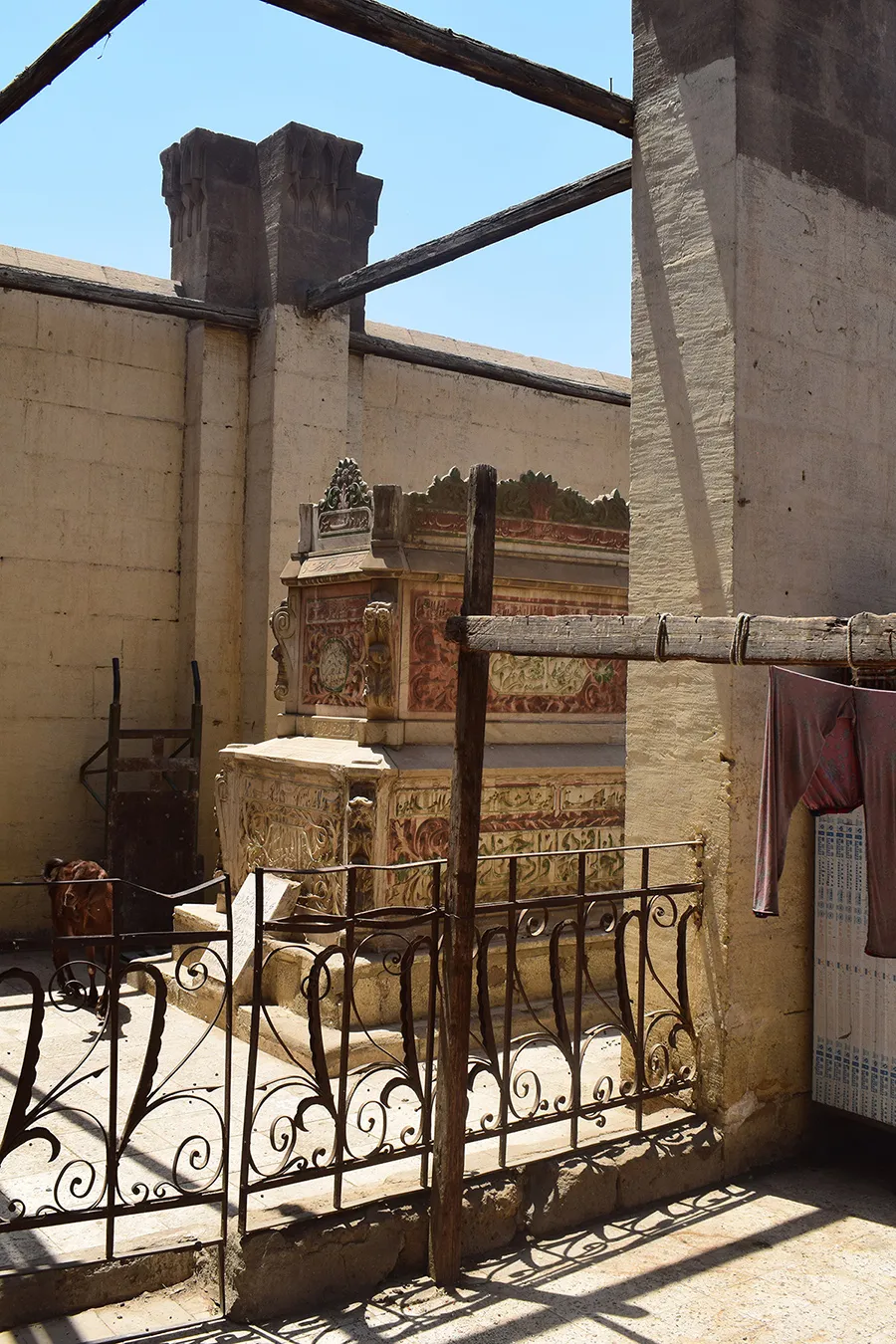
| Carved marble cenotaph(s) | Yes | 1 | 1 | |
| Decorated limestone tomb-markers | No | |||
| Decorated gateway | Yes | 1 | stone | |
| Decorative door-leaves | Yes | 2 | wood | |
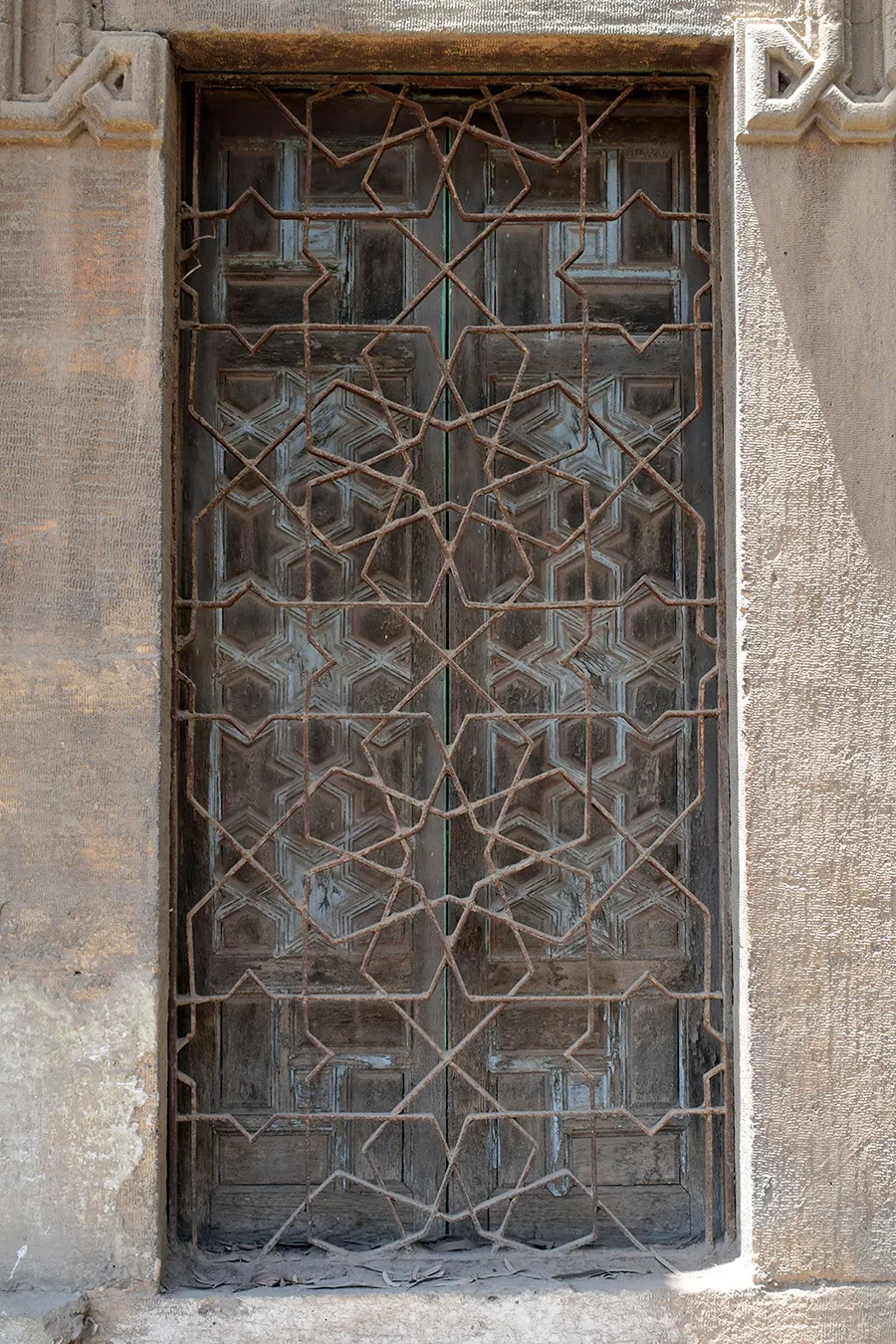
| Decorative window grilles | Yes | 6 | steel | welded |
| Decorative shutters | Yes | 12 | wood | |
| Painted ceiling(s) | No | |||
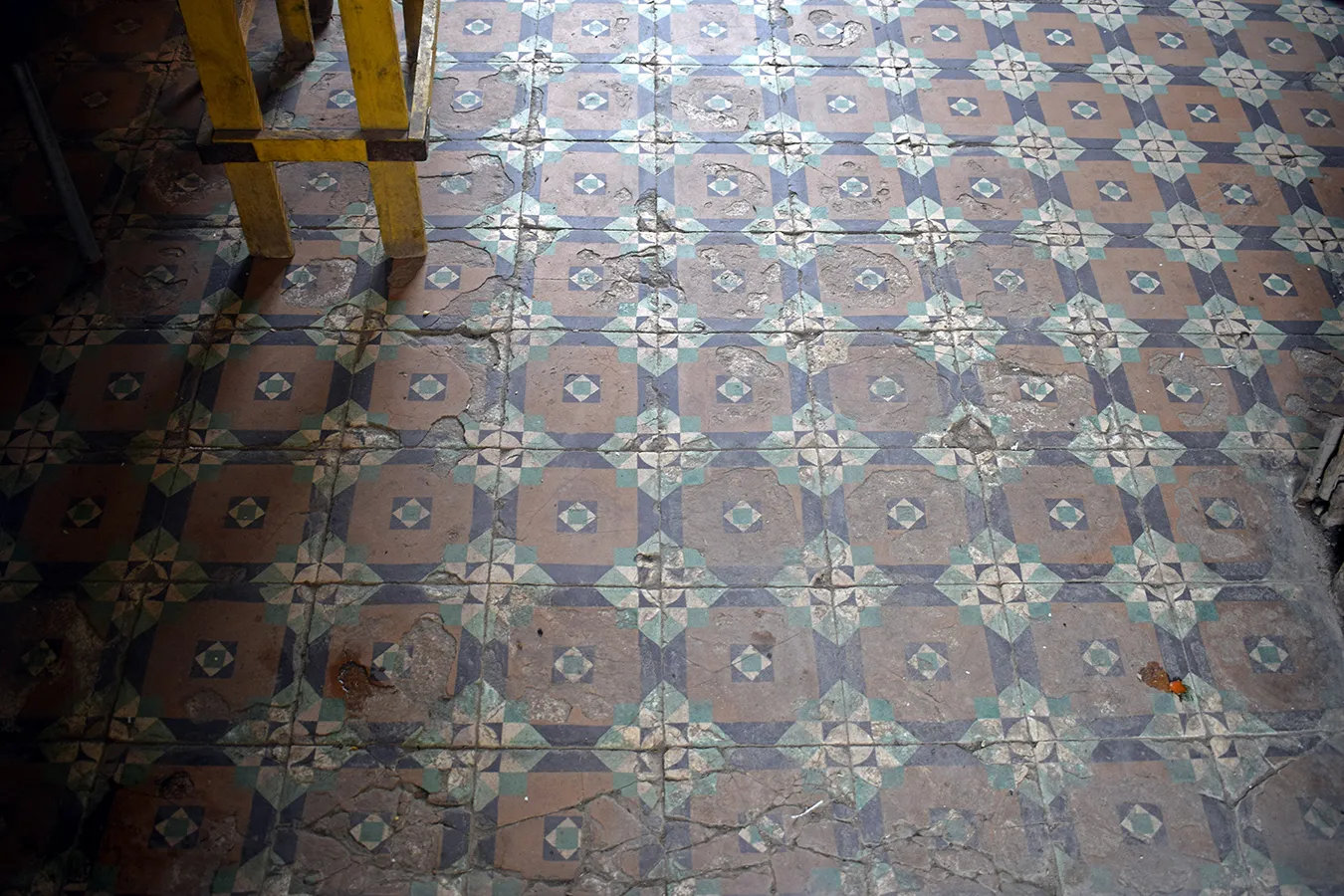
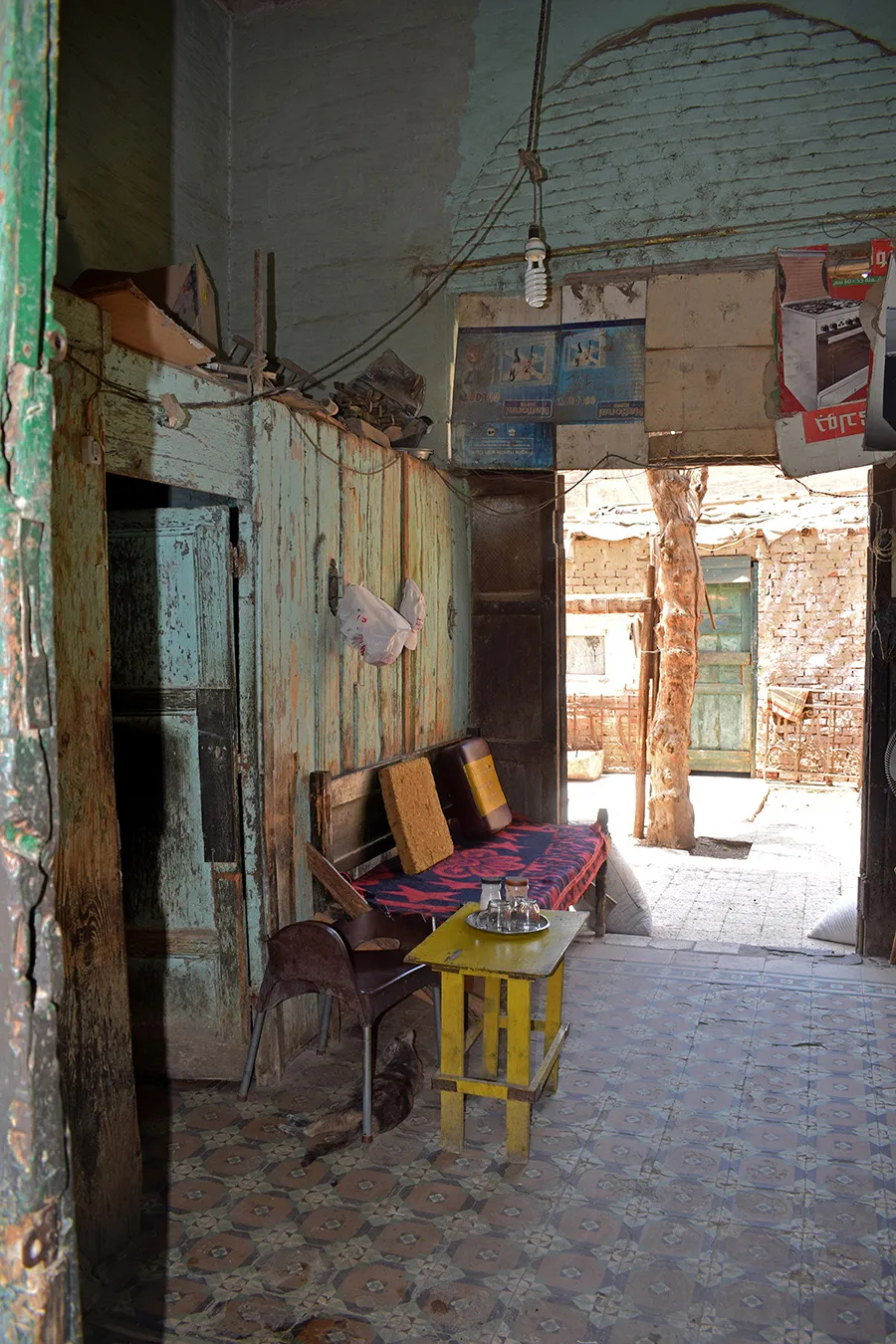
| Decorative paving(s) | Yes | 1 | Cement tiles |
Description (The direction towards Mecca (Qibla) is described as eastern and other directions are named accordingly)
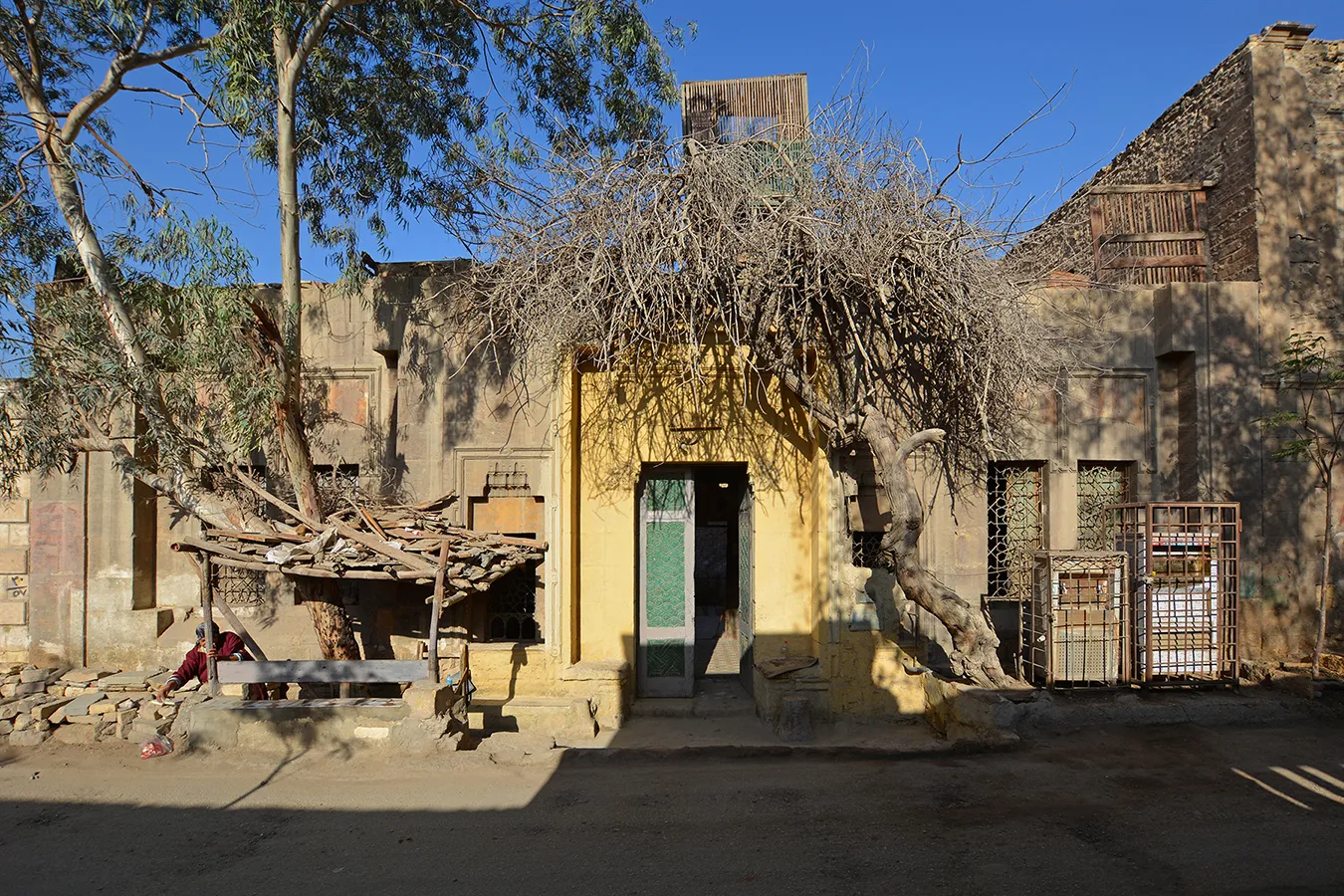
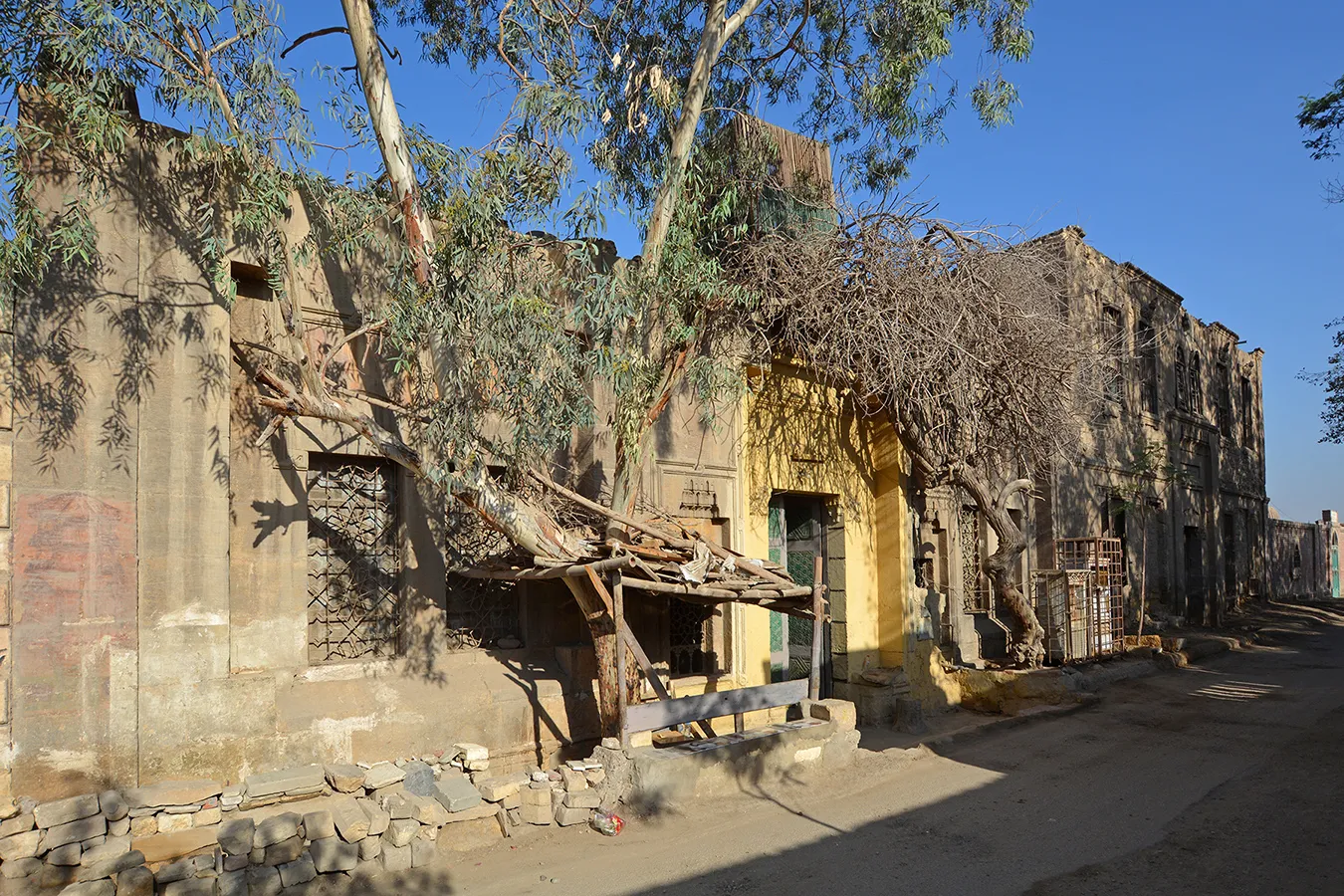
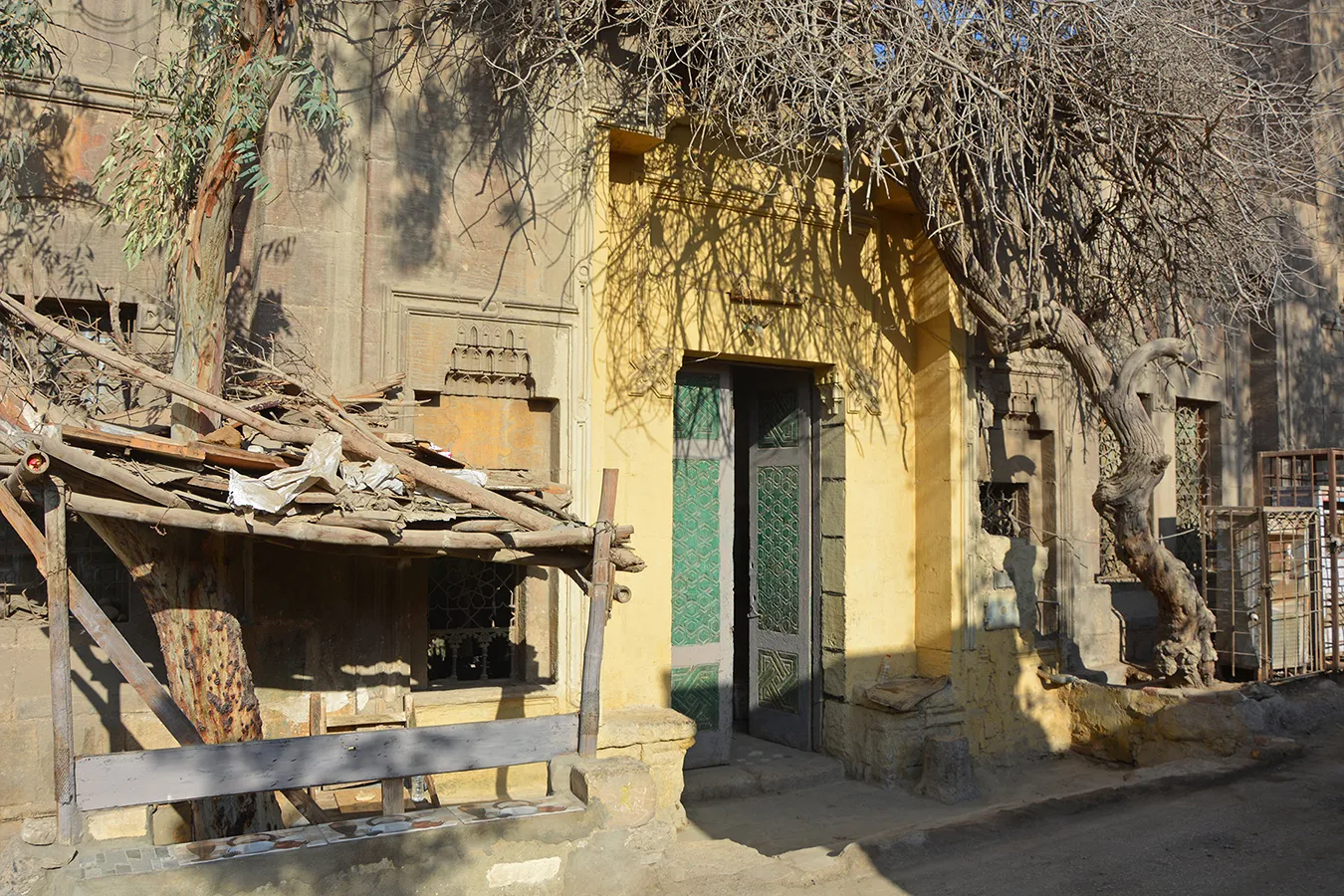
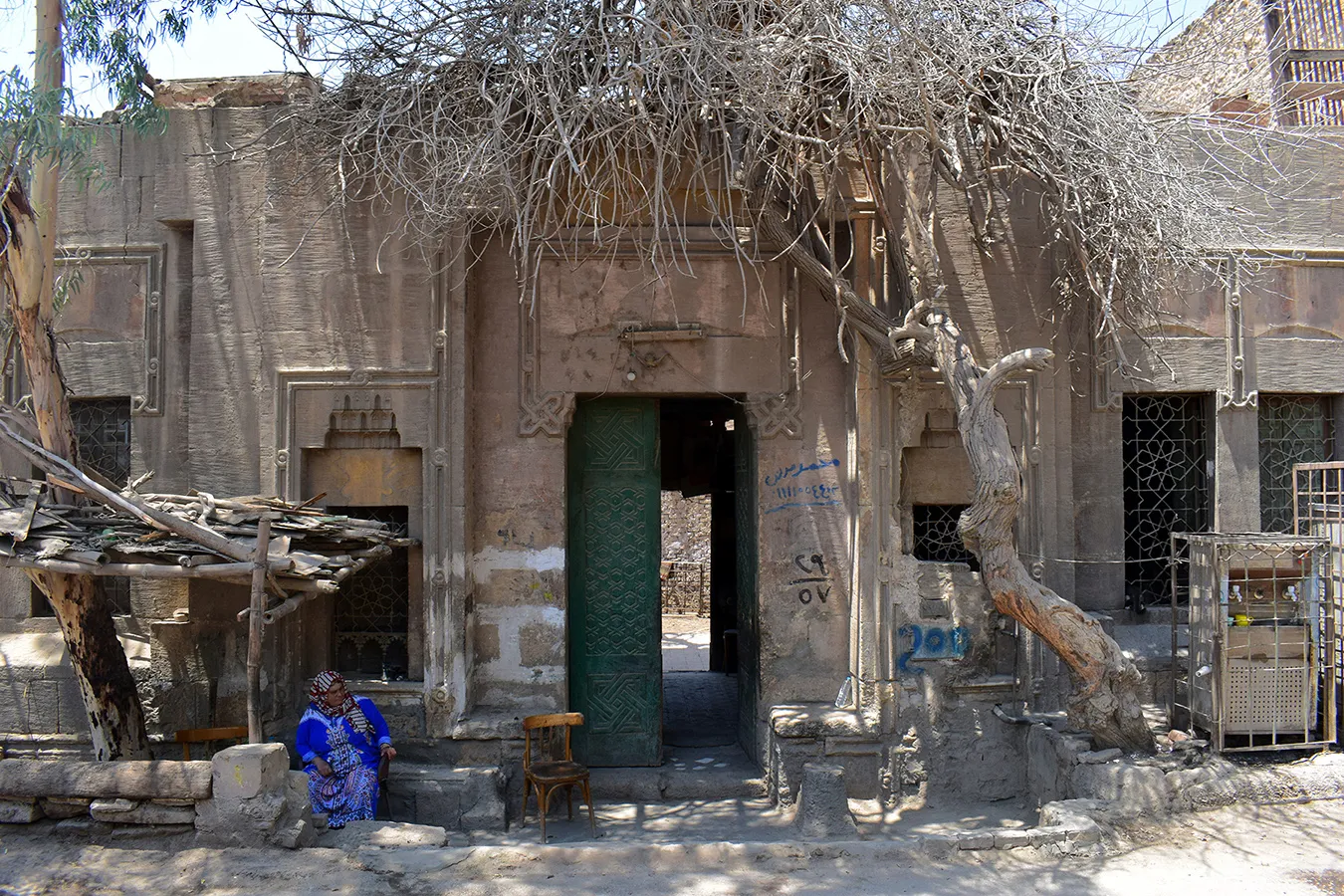
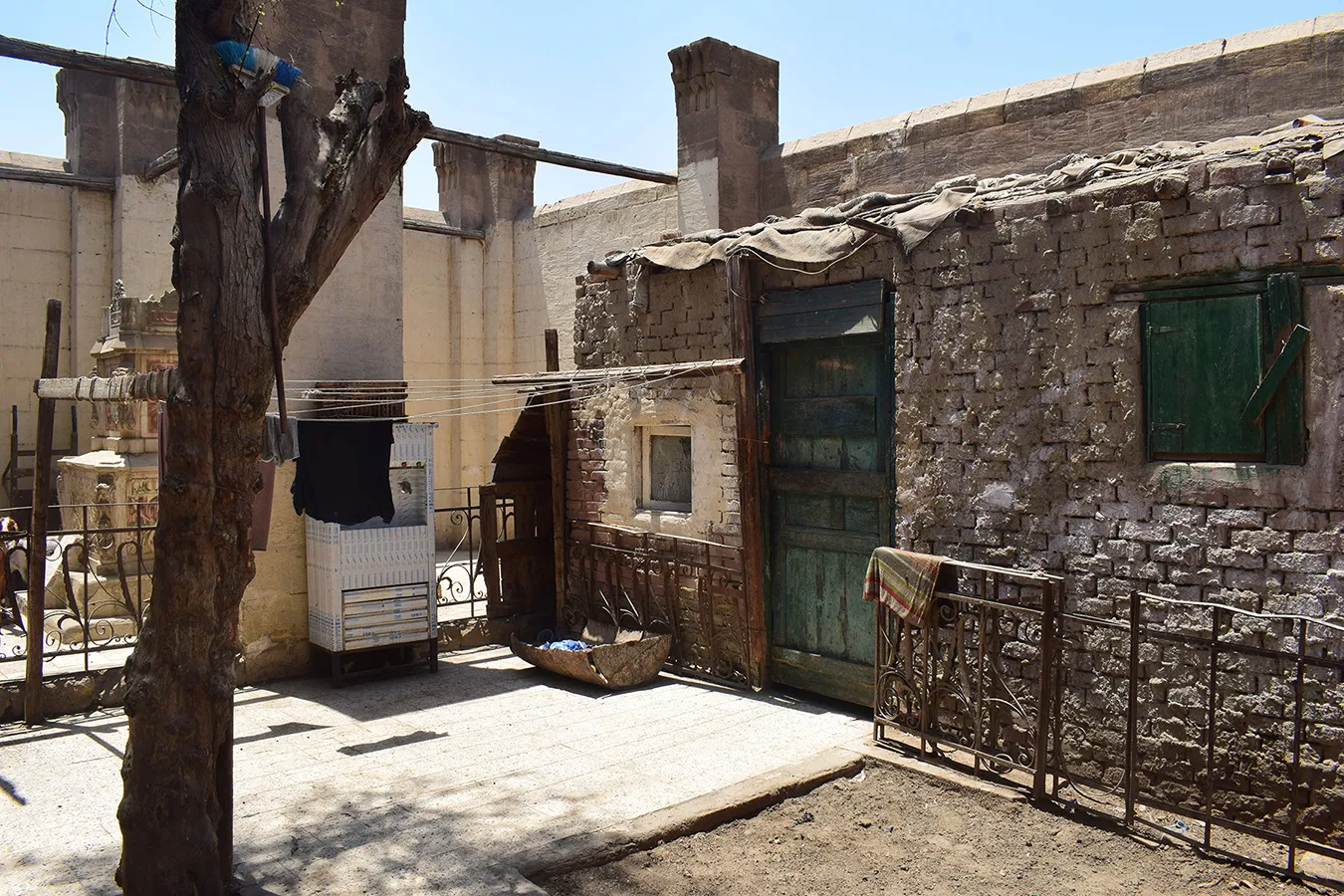
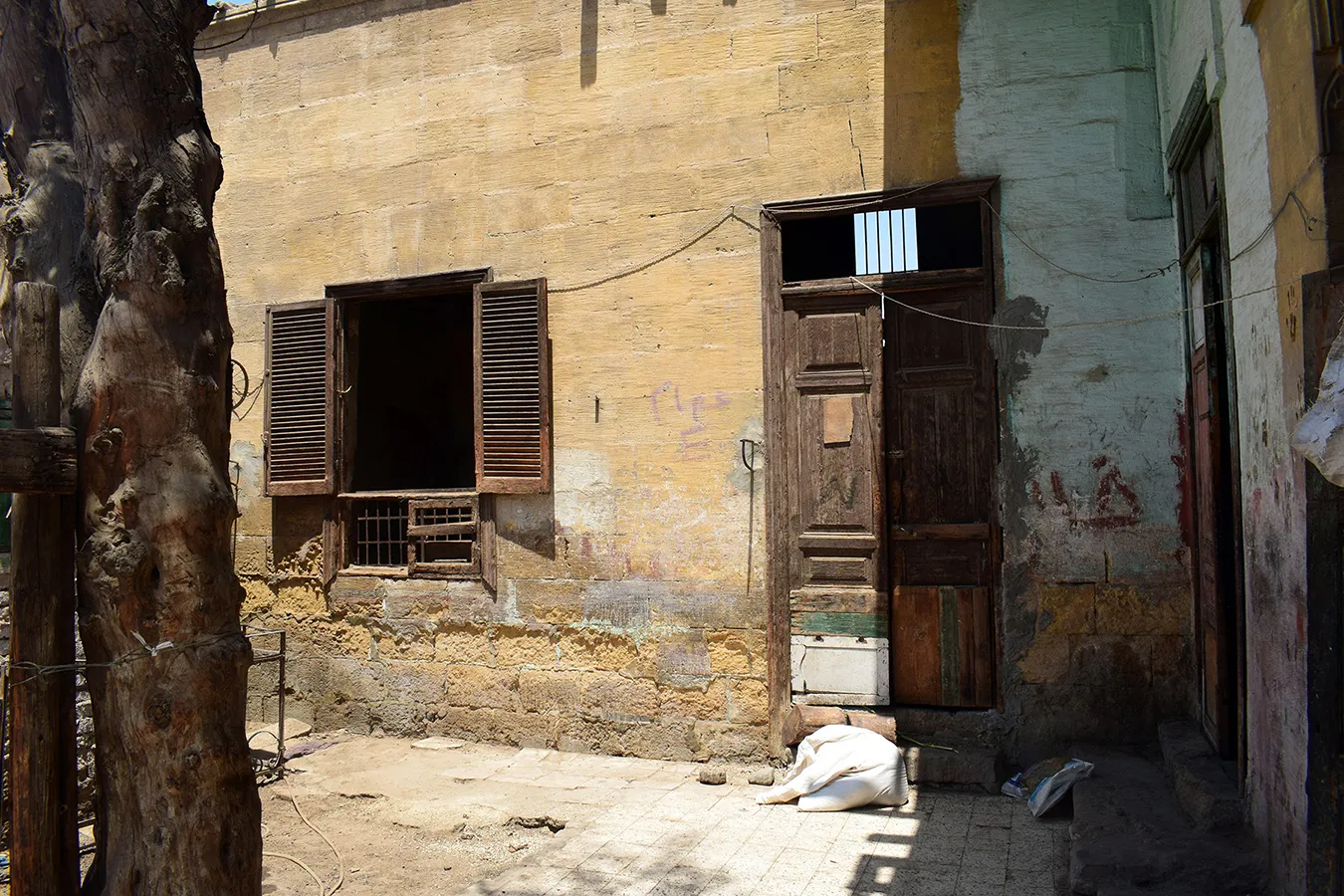
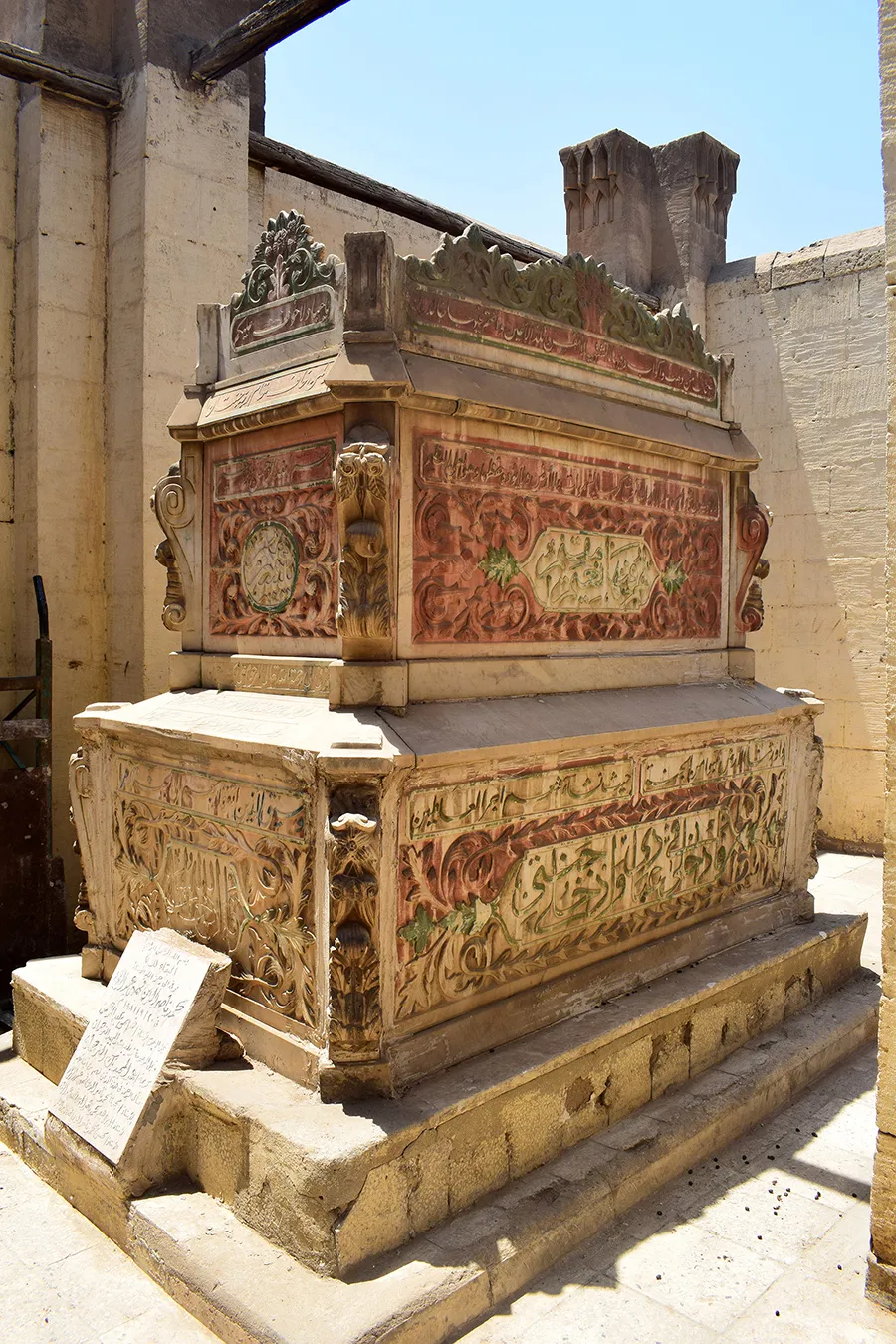
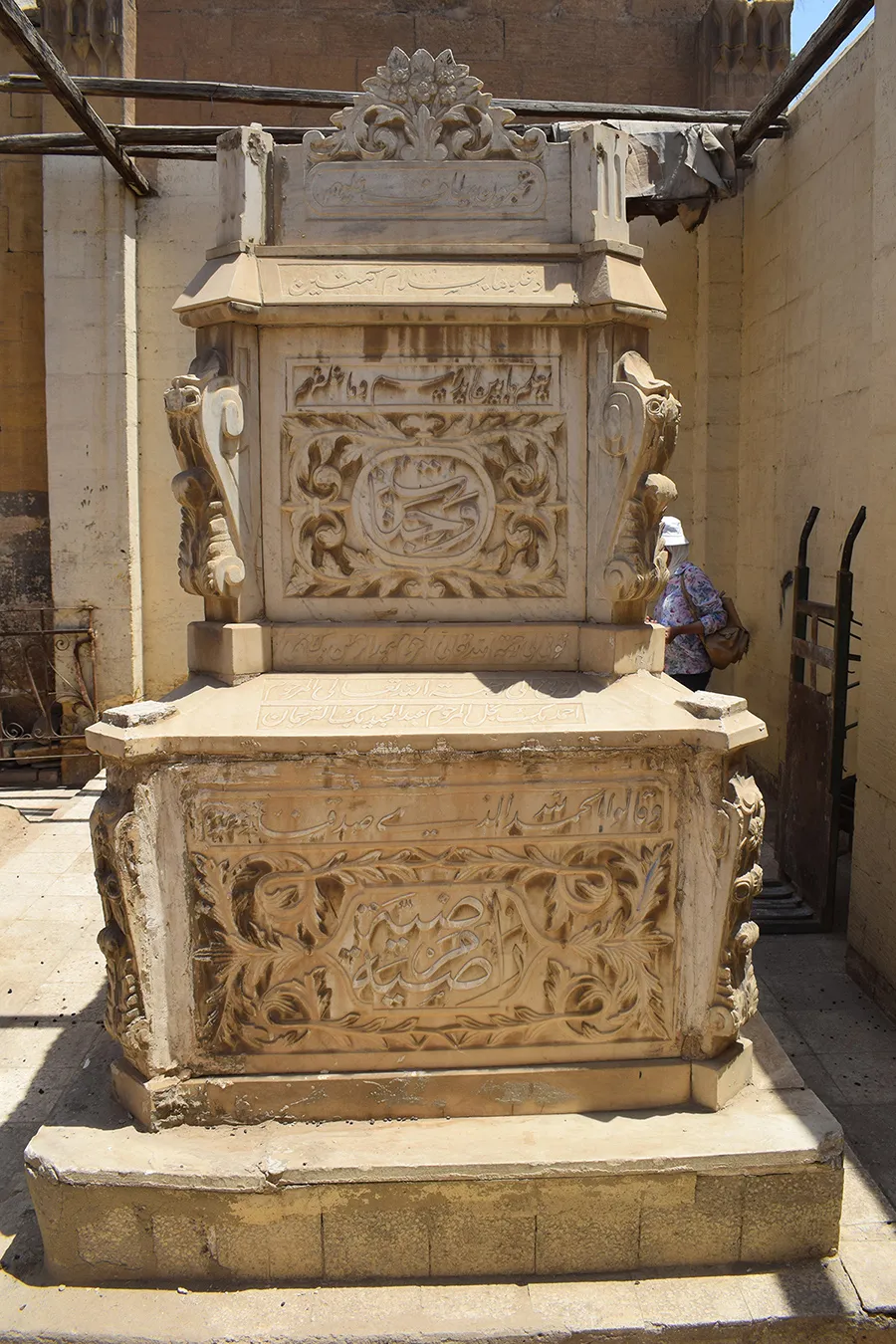
A roughly square enclosure measuring ca 14×15 metres, well-built of ashlar stone masonry, facing the street to the east and adjoining other enclosures on the other sides. The front (eastern) section is taken by a single-story front building, with a contemporary auxiliary building well-built of ashlar stone on the northern side of the courtyard. By the western side of the courtyard is a nondescript added room built of brick. On the southern side of the courtyard is a pergola of six stone pillars with muqarnas capitals, with wooden tie-beams. The pergola is roofless and appears to have never been completed. It is separated from the courtyard with an elaborate wrought-iron railing the Art Nouveau (not Islamic) style. In the western section of the pergola stands a very elaborately carved marble cenotaph. The floral decoration of the cenotaph is enhanced with painting in bright green and purple. The entrance to the courtyard is through a hallway with the floor of decorative cement tiles, originally opening onto the courtyard with a huge opening with a semi-circular arch (upper part now walled up to form a rectangular door.)
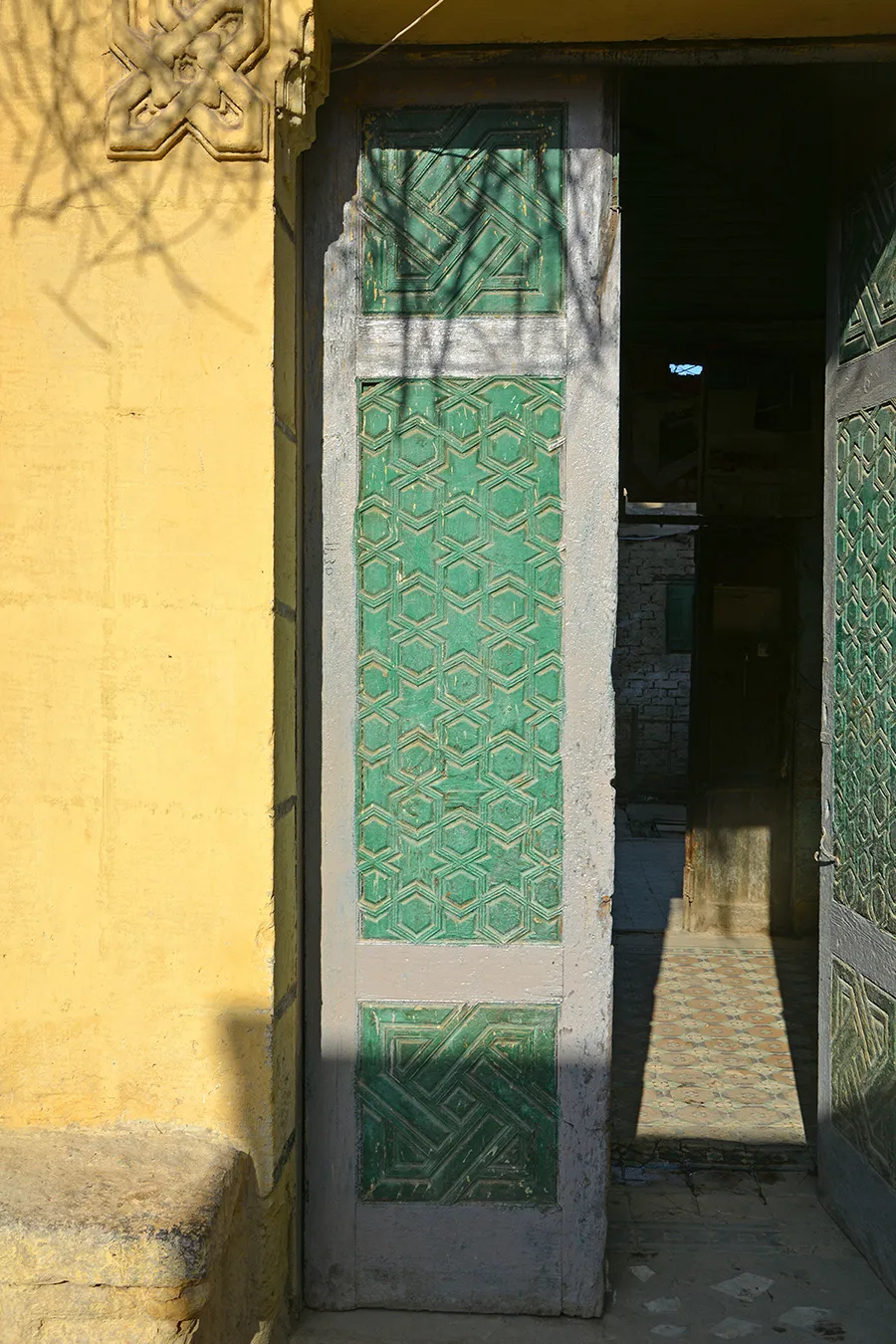
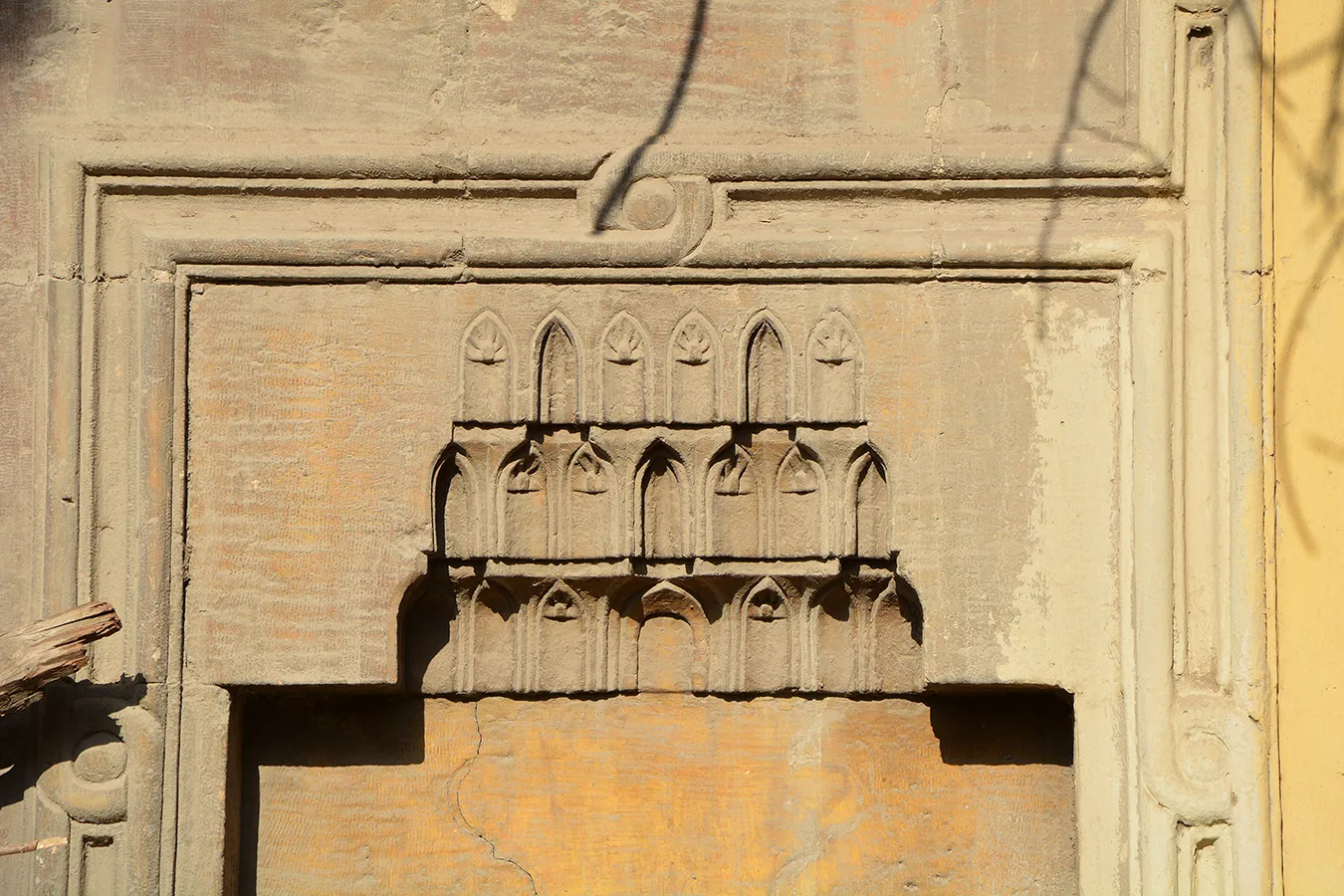
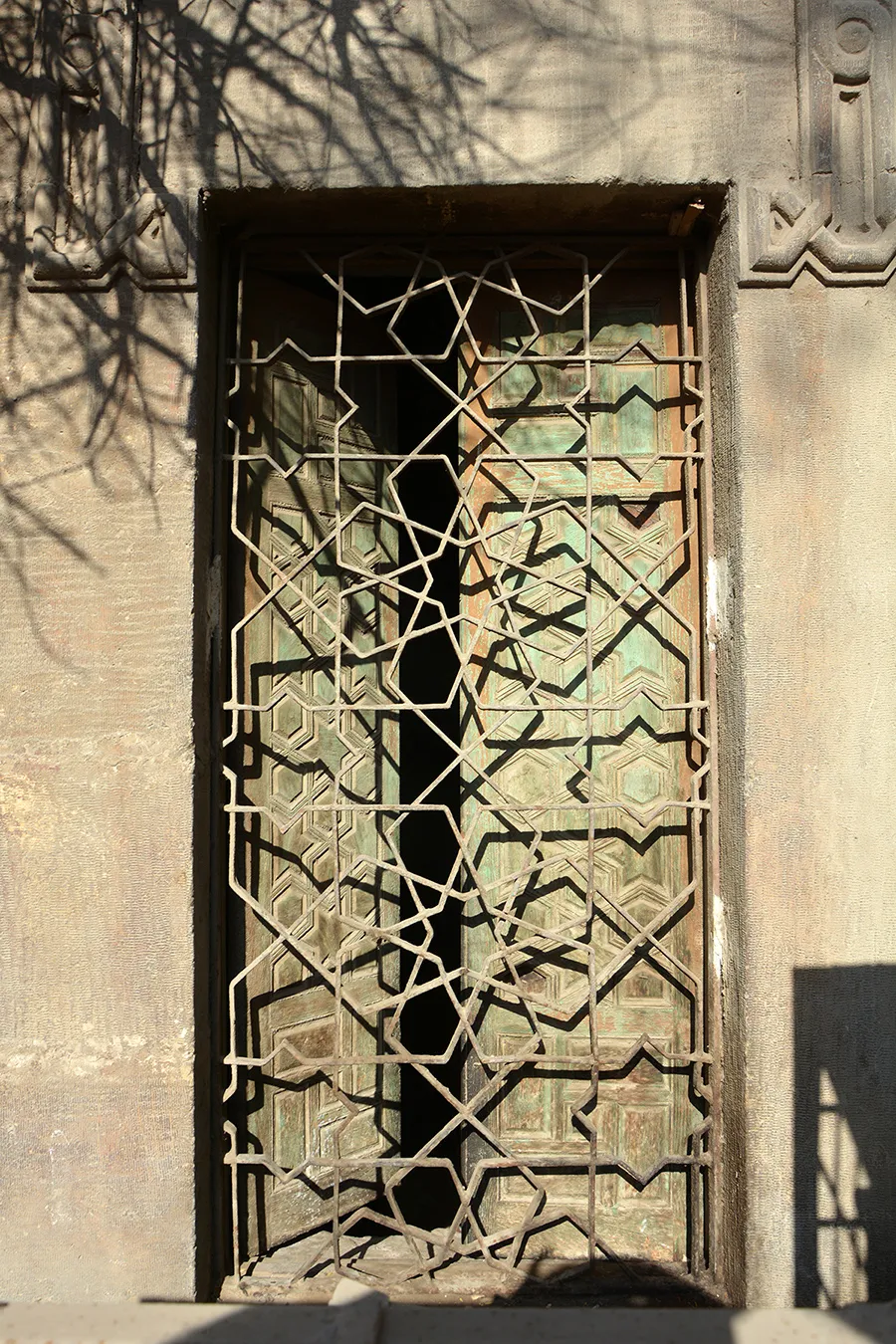
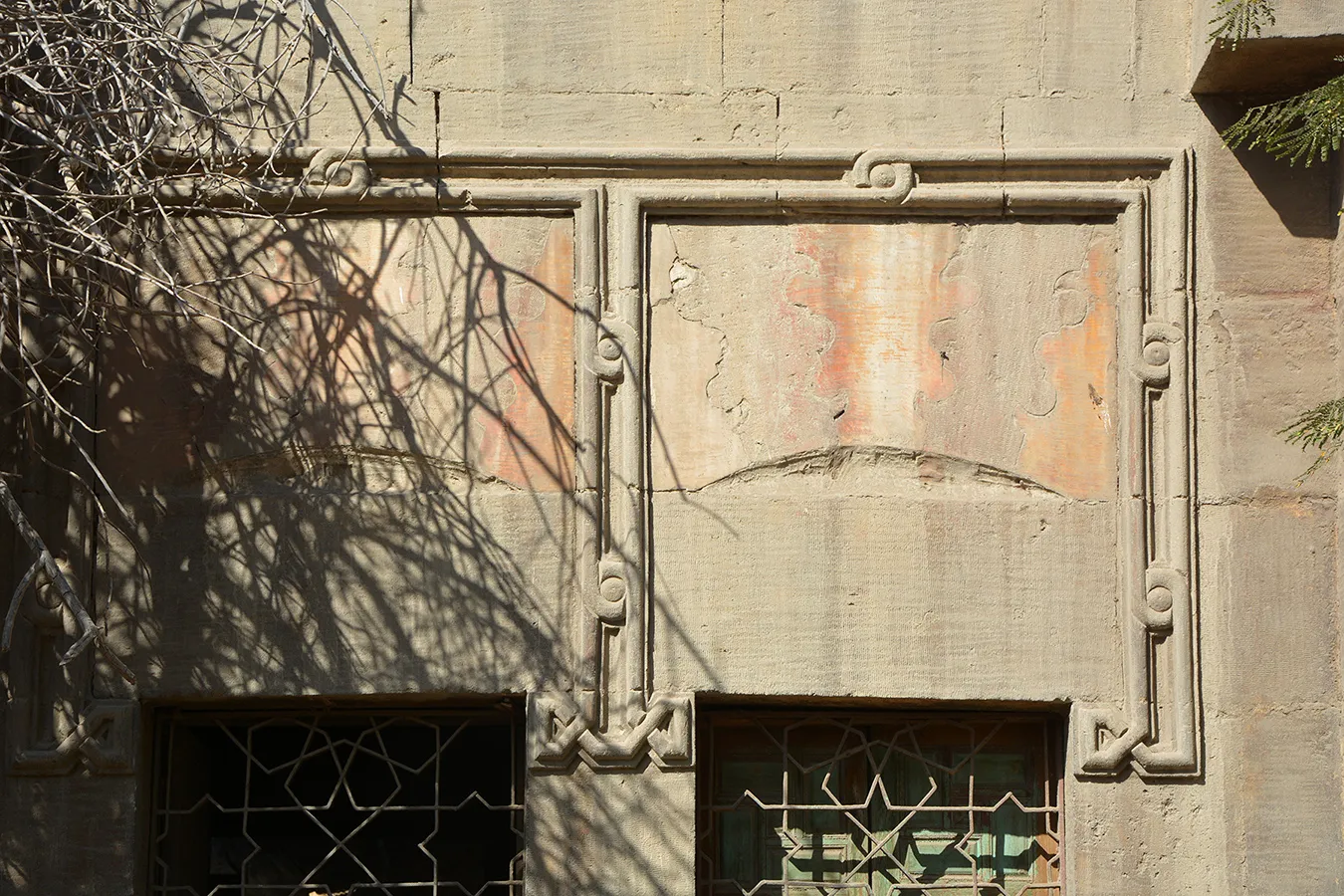
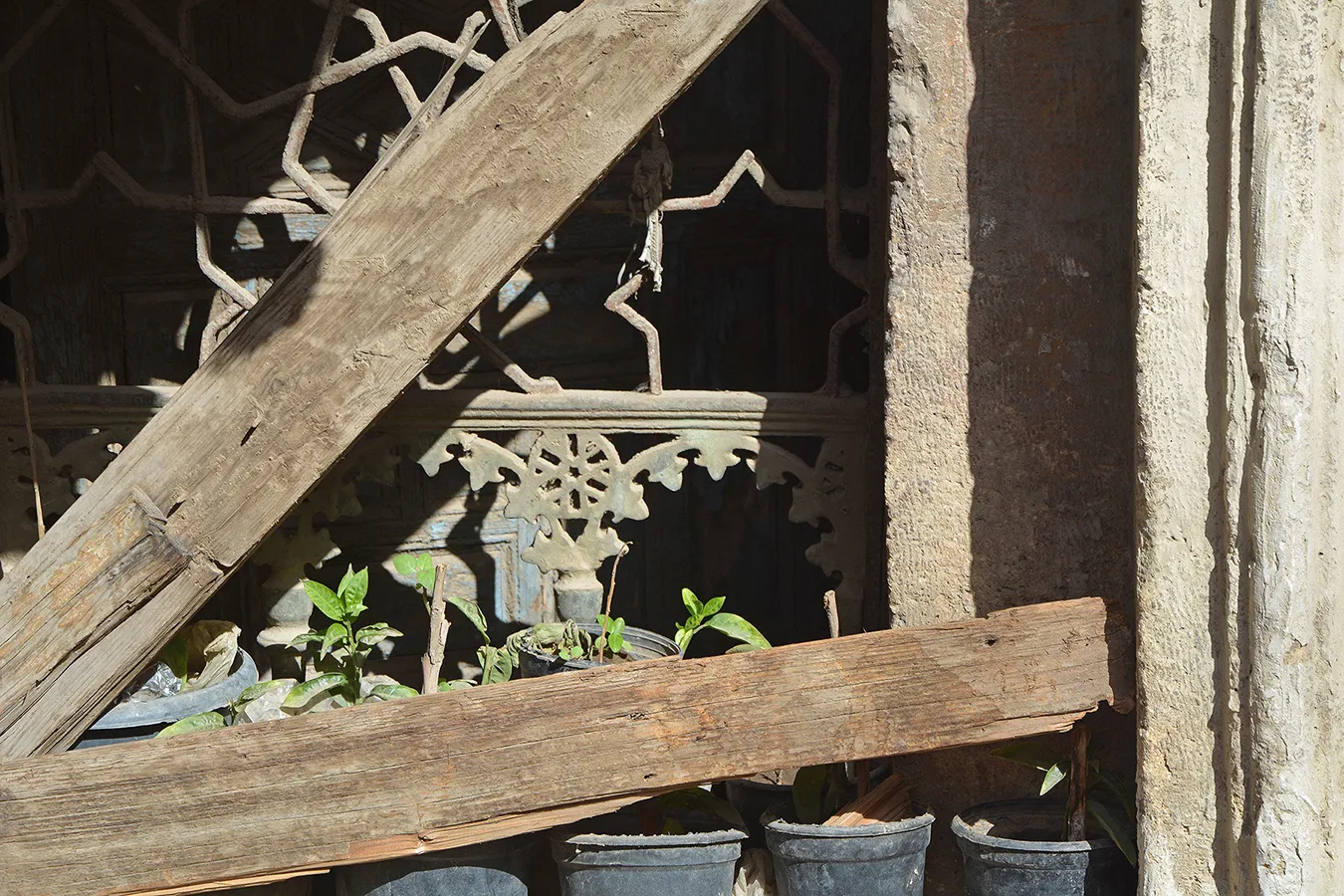
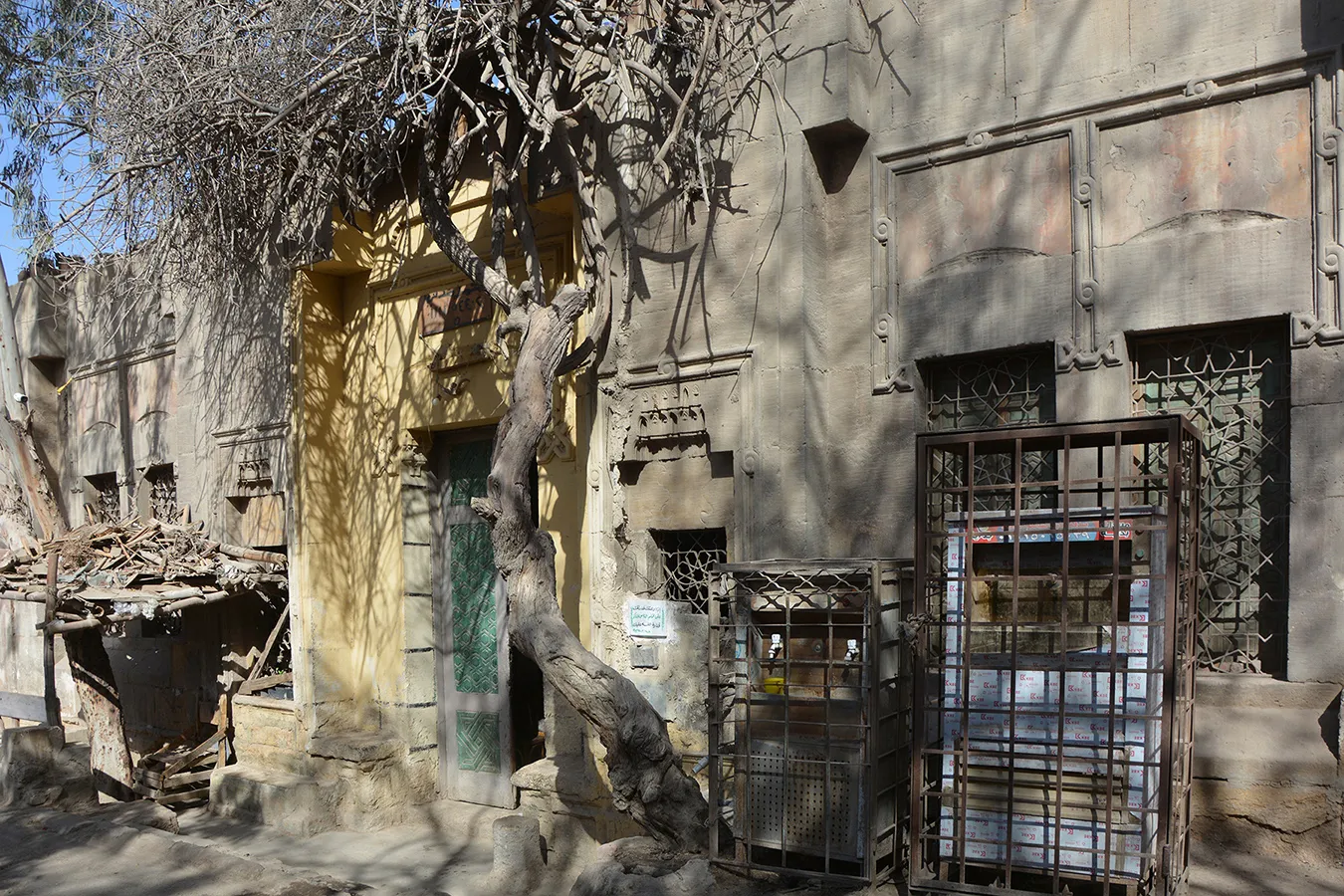
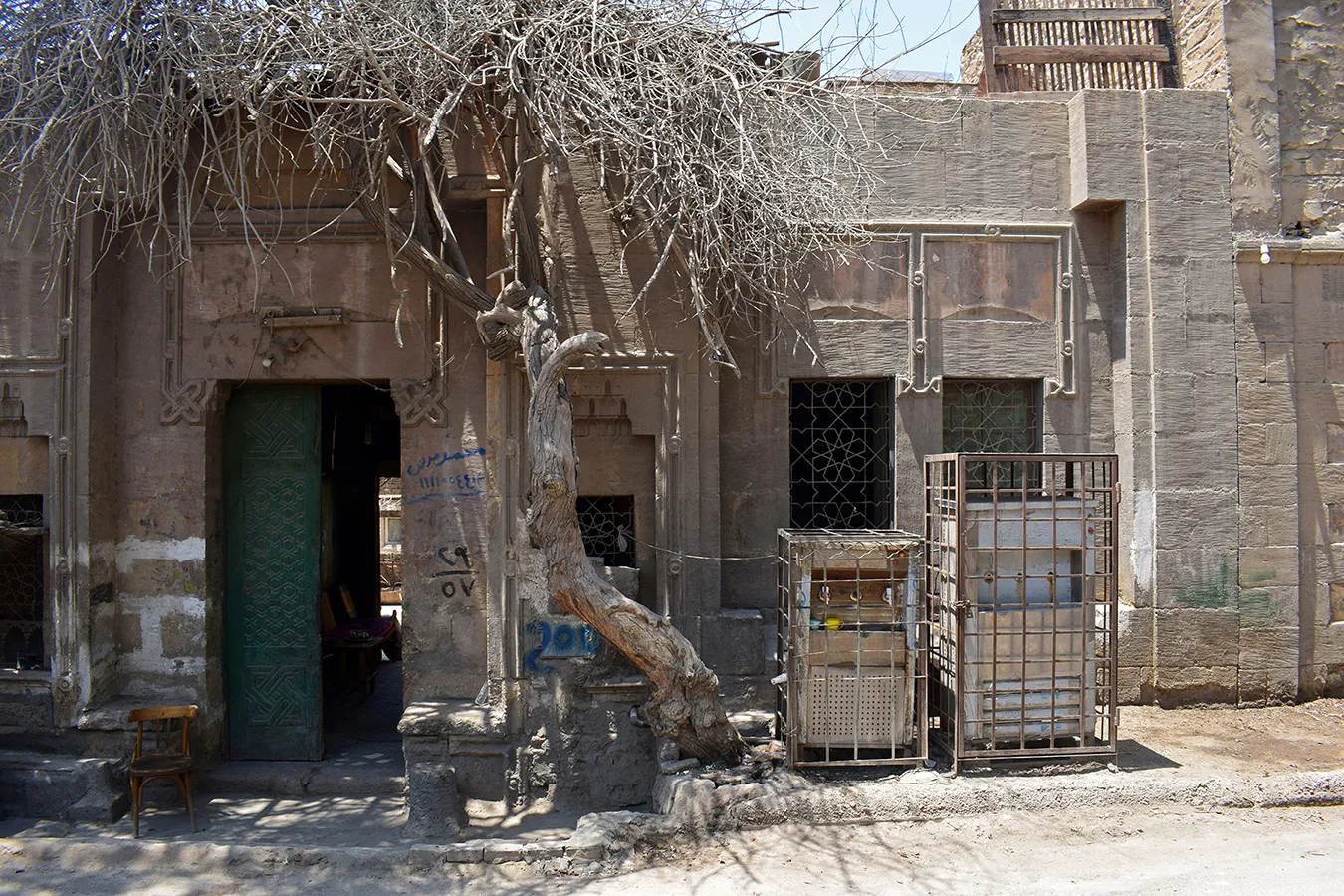
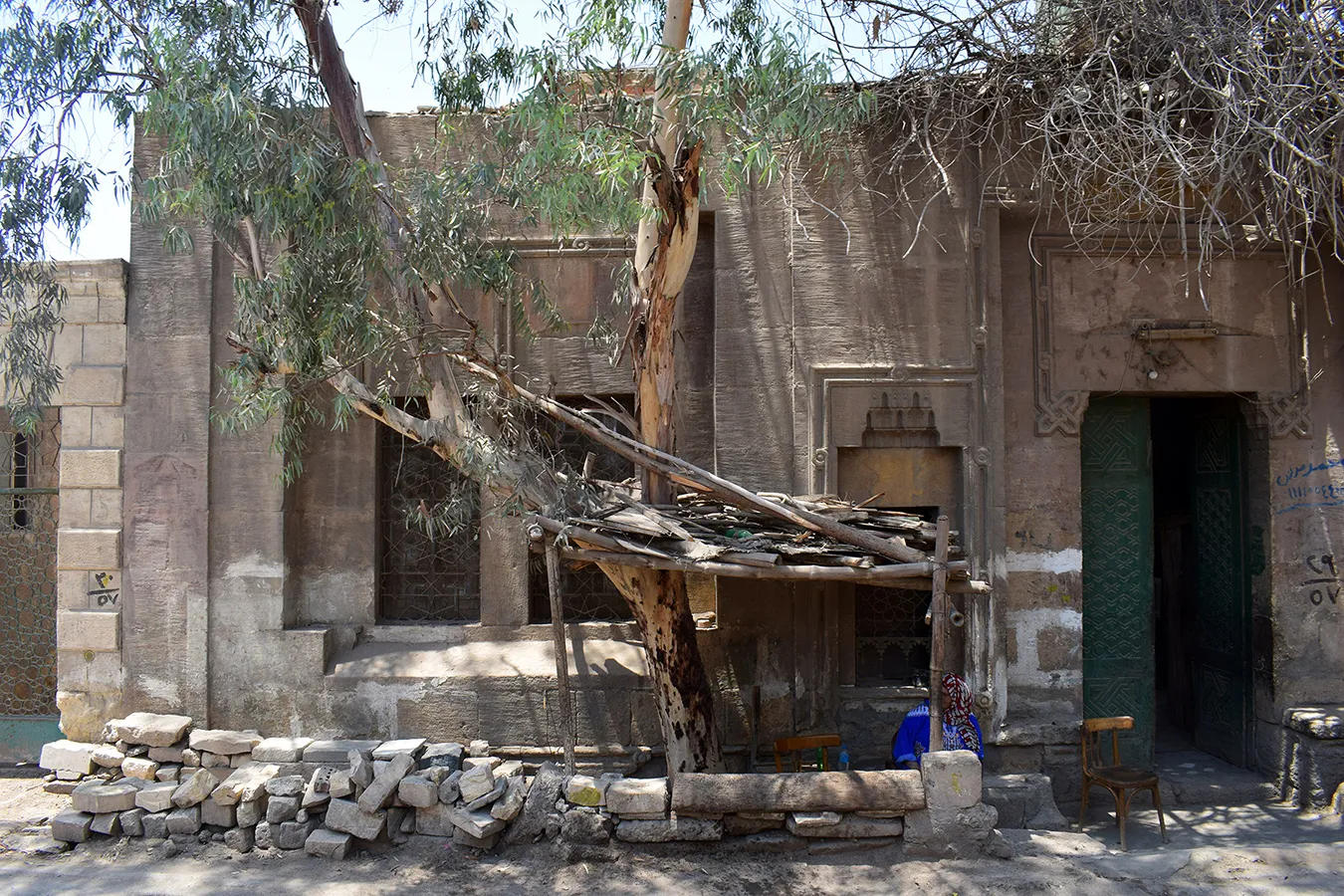
The street façade is strictly axially symmetrical, with the centrally placed entrance portal set in a shallow recess with galas seats to the sides of the door, and topped with an elaborate muqarnas frieze and framed with knotted mouldings. In a typically Mamluk-style arrangement, the stone lintel of the door and a relieving arch of joggled voussoirs above it are framed in knotted mouldings. The wooden door-leaves have geometric decorative patterns in joinery. On each side of the portal is a rectangular sabil window set in a shallow recess, topped with an elaborate muqarnas frieze, and framed with knotted mouldings. The side parts of the façade are shallow recesses in which are placed twin rectangular windows with lintels and relieving arches above them framed in knotted mouldings. The windows have decorative wooden shutters with decoration similar to this in the entrance door. All windows have decorative grilles of Islamic geometric patterns that are welded from flat pieces of rolled steel. The lower parts of the sabil windows are cast in bronze, with fine detailing (the norther one now completely invisible, the southern one partially obscured.
All recesses in the façade have on their sides plain square blocks of stone on bottom and top, clearly indicating that the recesses were intended to be flanked with columns. The window recesses are open at the top, without any muqarnas frieze or moulding; there is no cornice on the top of the façade, and no traces of any crenellations. All this, together with the apparently unfinished pergola in the courtyard, strongly indicates that the building was never fully completed as originally planned.
Condition of preservation
The overall structural condition is fair, but the building is worn by continued residential use. On the other hand, the building is maintained, if in a rudimentary way: the entrance portal section was whitewashed in autumn 2023. Right-side sabil window is partially walled up. An intrusive shack built in the courtyard. The wrought iron railing of the pergola has been partially removed and is stored in the courtyard.
Information abut the founder, family history, etc.
Stylistic features point to construction in the first half of the 20th century. Window grilles of welded steel suggest a late date, possibly of 1930s or 40s.The building apparently has not been fully completed as originally planned (see section “description”). Two roughly hewn block of stone stand on both sides of the entrance, apparently intended to be shaped into column bases, which was never done.
- Field recording by
- Hadeer Ahmad and Radwa al-Sayid
- Date recorded
- August 8, 2022
- Data entered by
- Hadeer Ahmad
- Date entered
- May 14, 2024