
Unit No40
Al-‘Azabi Family
|
Coordinates of the main entrance |
30.041781N - 31.268961E |
|
Attribution |
Al-‘Azabi Family |
|
Higri (AH)Dates as given in the Inscription |
Before 1283 |
|
Miladi (AD)Dates as given in the Inscription |
1866 |
|
Inscription Contemporary with the building? |
Yes |
|
Multiple date(s) In the inscription? |
Yes |
|
Assumed Date |
Before AH 1283 [AD 1866] |
|
Based on |
(based on the earliest date on the tomb markers). See section 17 |
|
Original Use |
Funerary enclosure |
|
Current Use |
Funerary enclosure, Shrine, Residential |
|
Overall condition |
Fair |
Features of unit 40
| Present | Count | Material | Comments (see description for details) | |
|---|---|---|---|---|
| Free standing structure | No | |||
| Walled enclosure | Yes | 1 | stone | |
| Rooms by the perimeter wall | Yes | 13 | stone | |
| Freestanding structure(s) in enclousure | No | |||
| Dome over the tomb chamber | No | |||
| Neo-Mamluk architectural decoration | No | |||
| Garden layout | No | |||
| Sabil(s) | No | |||
| Wall fountain(s) | No | |||
| Canopy on columns / pillars | No | |||
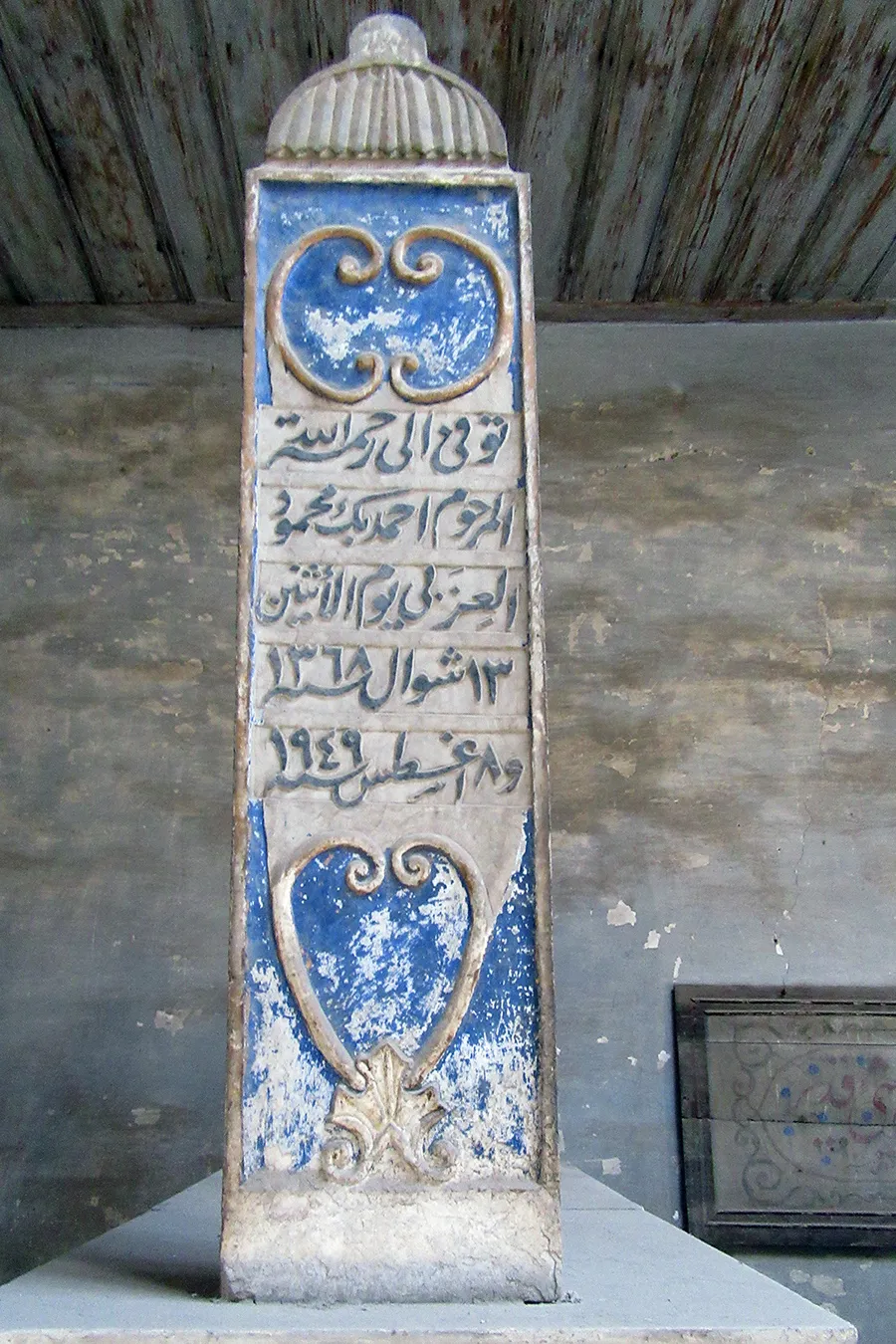
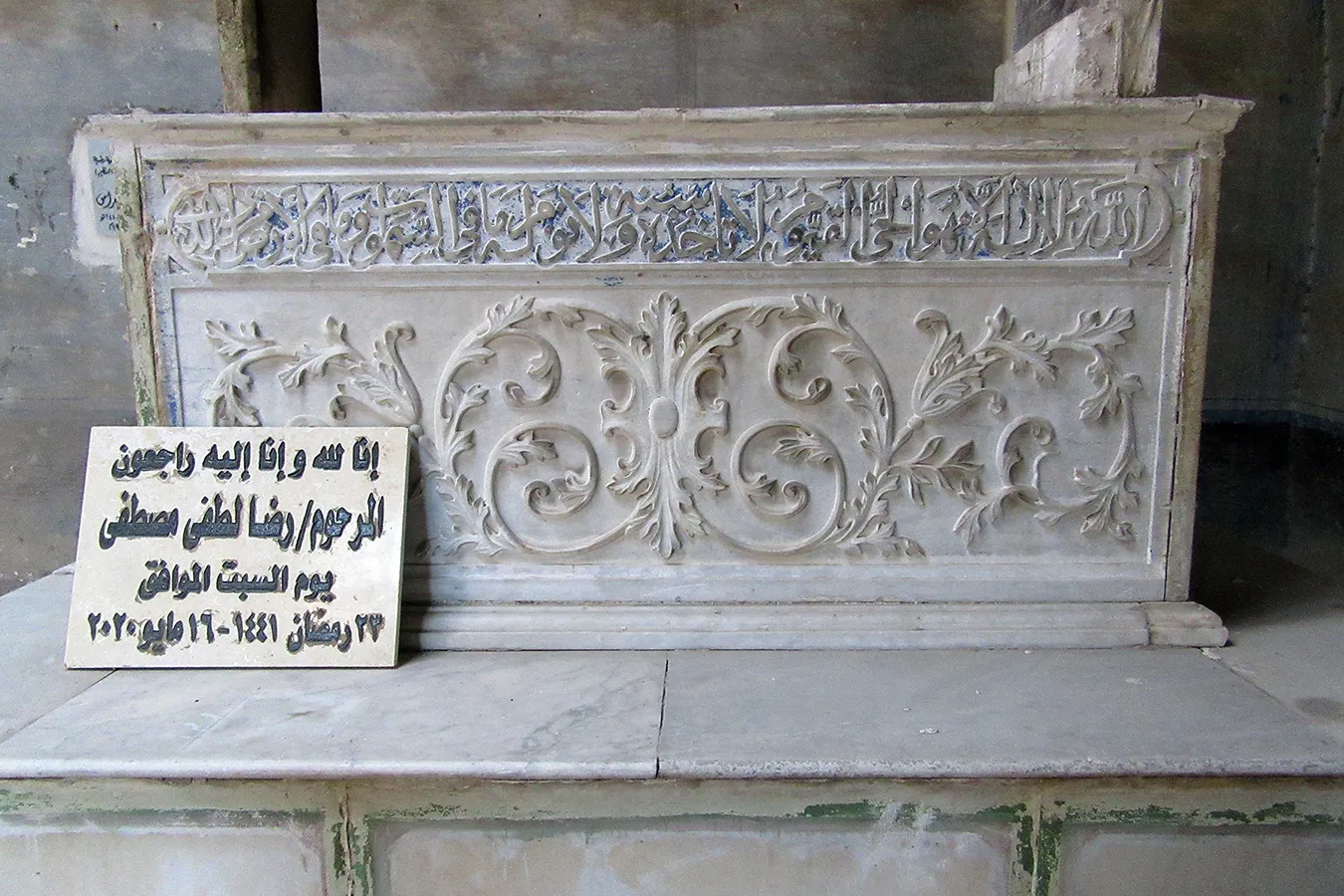
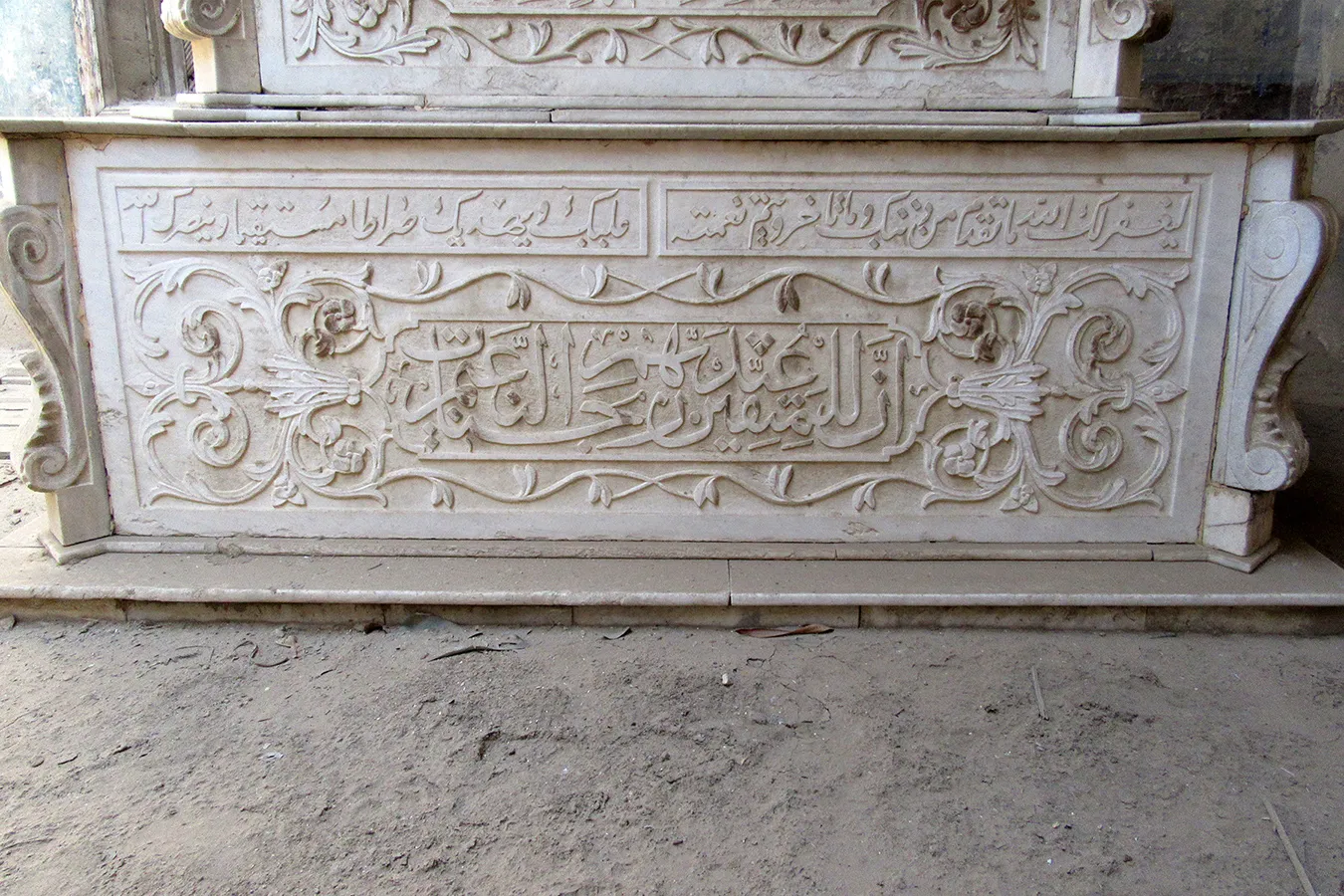
| Carved marble cenotaph(s) | Yes | 3 | 3 | |
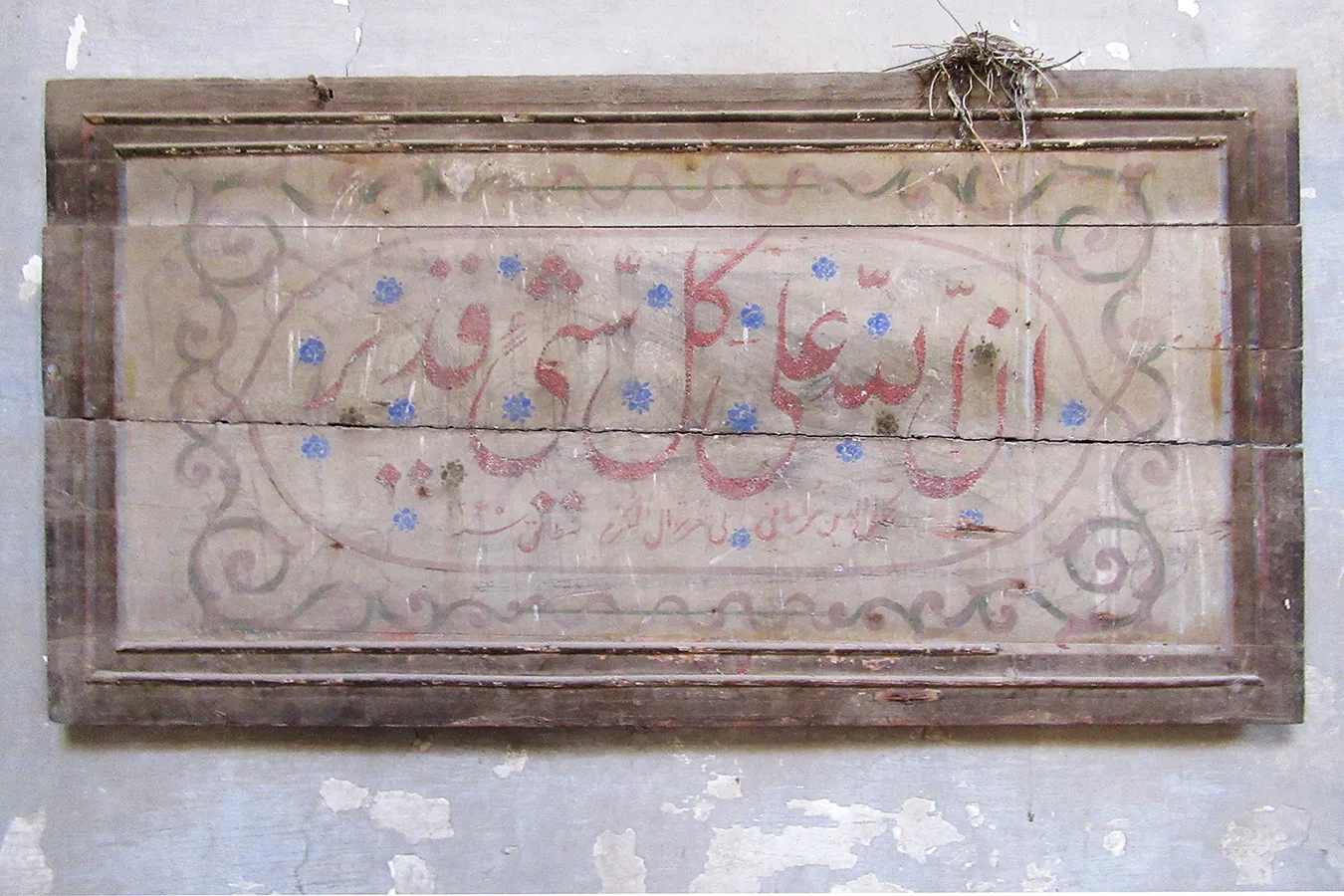
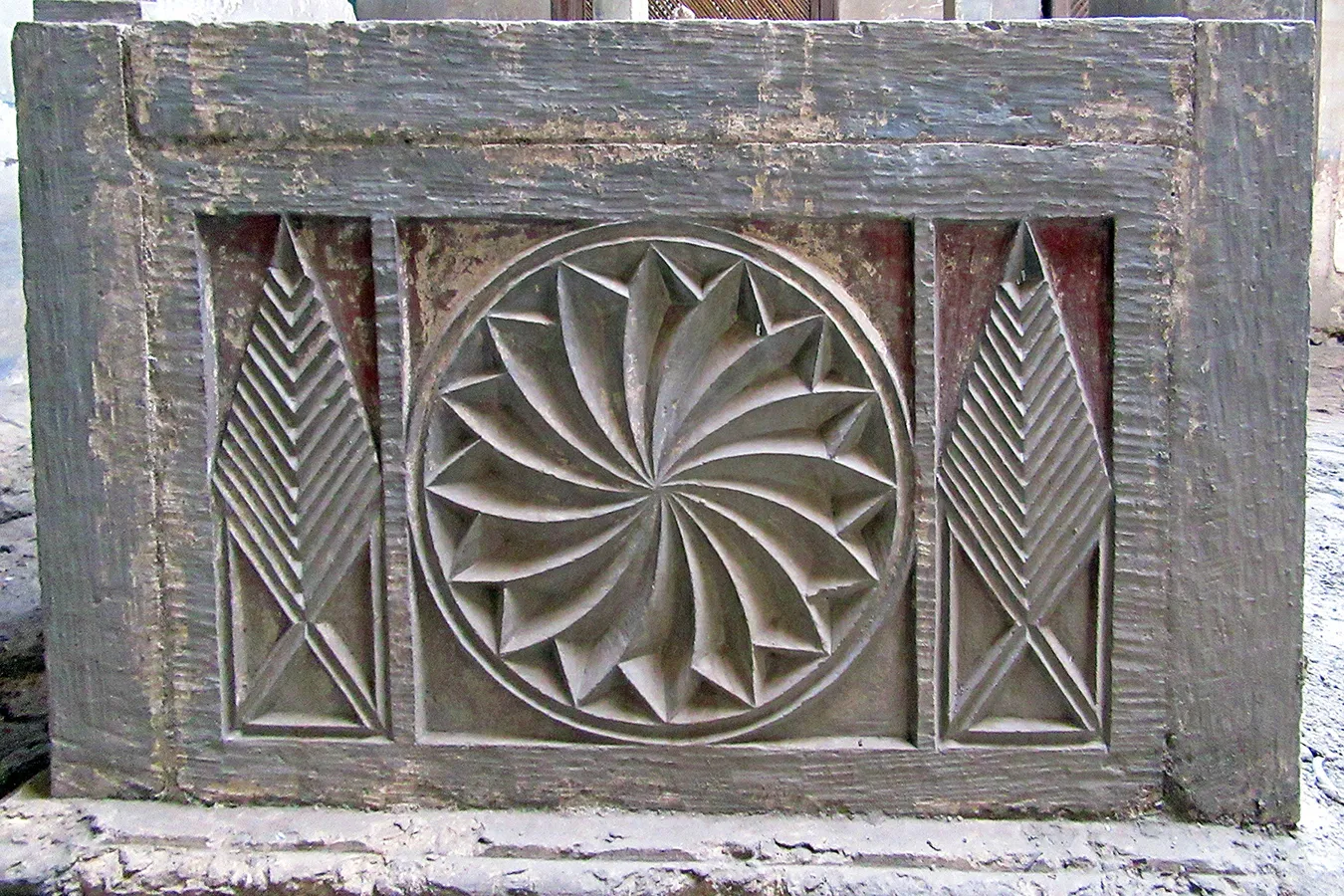
| Decorated limestone tomb-markers | Yes | 2 | limestone | plus 4 wooden tomb markers |
| Decorated gateway | No | |||
| Decorative door-leaves | No | |||
| Decorative window grilles | No | |||
| Decorative shutters | No | |||
| Painted ceiling(s) | No | |||
| Decorative paving(s) | No |
Unusual or unique features
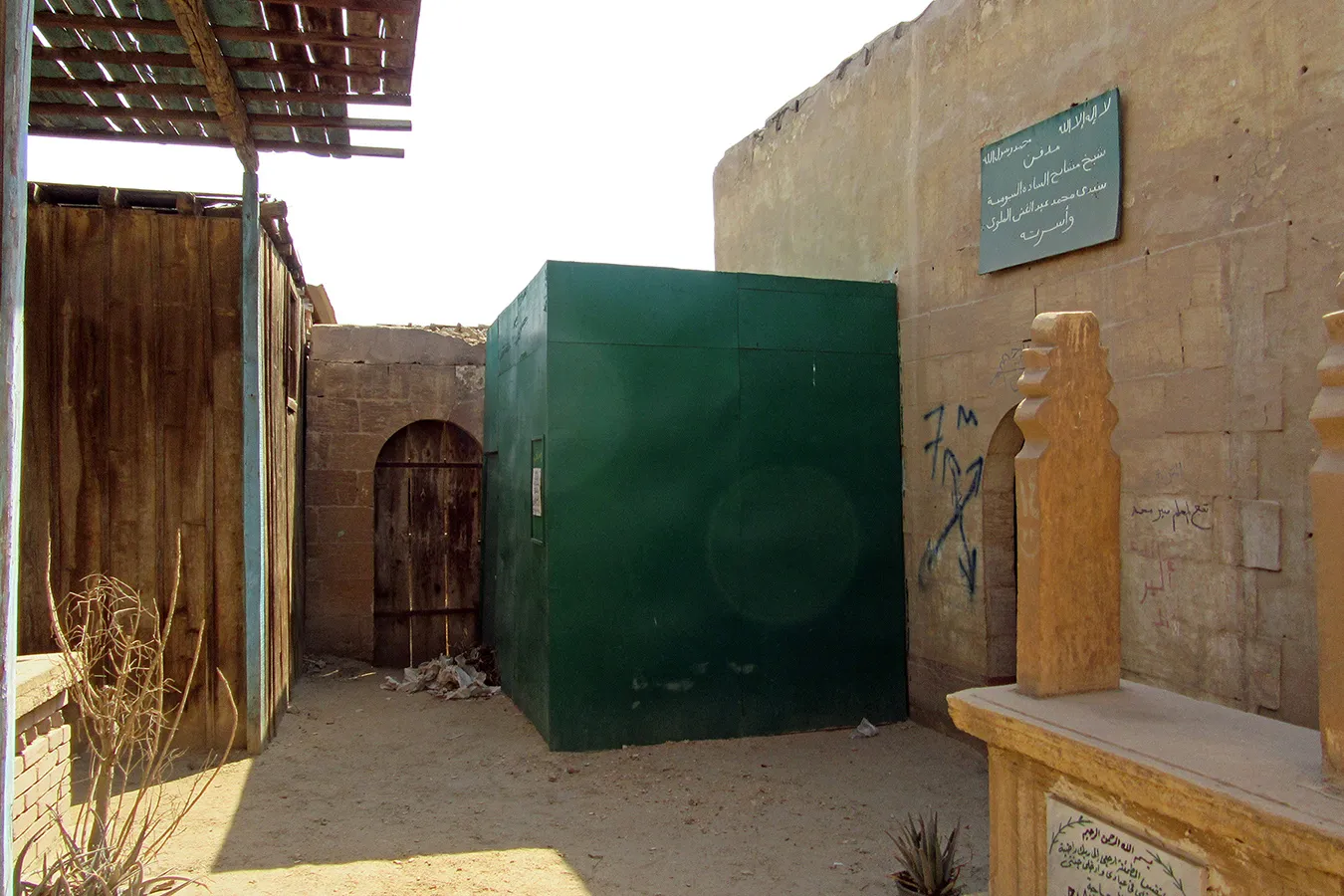
A shrine of a Sufi shaykh apparently added to an earlier funerary enclosure.
Description (The direction towards Mecca (Qibla) is described as eastern and other directions are named accordingly)
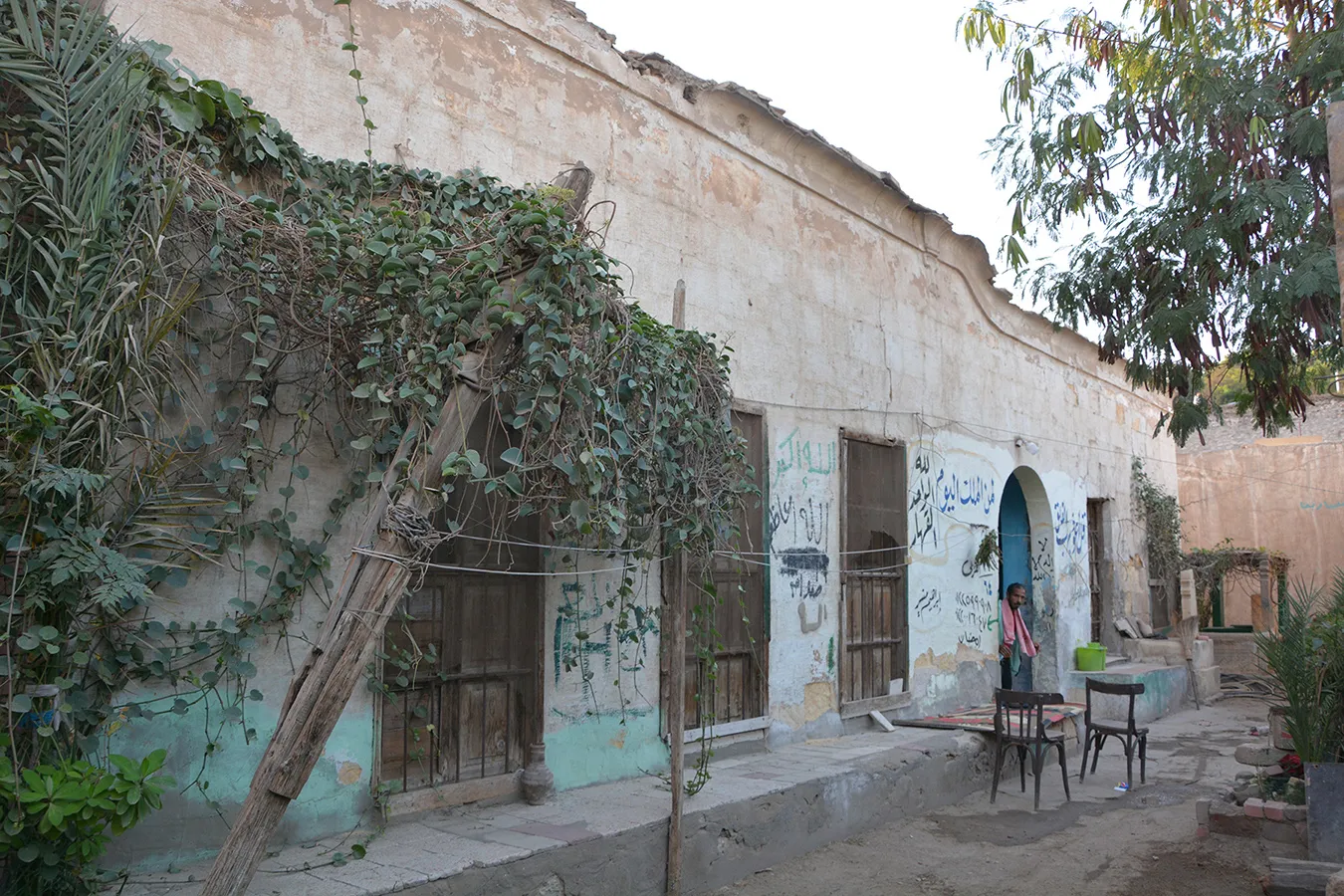
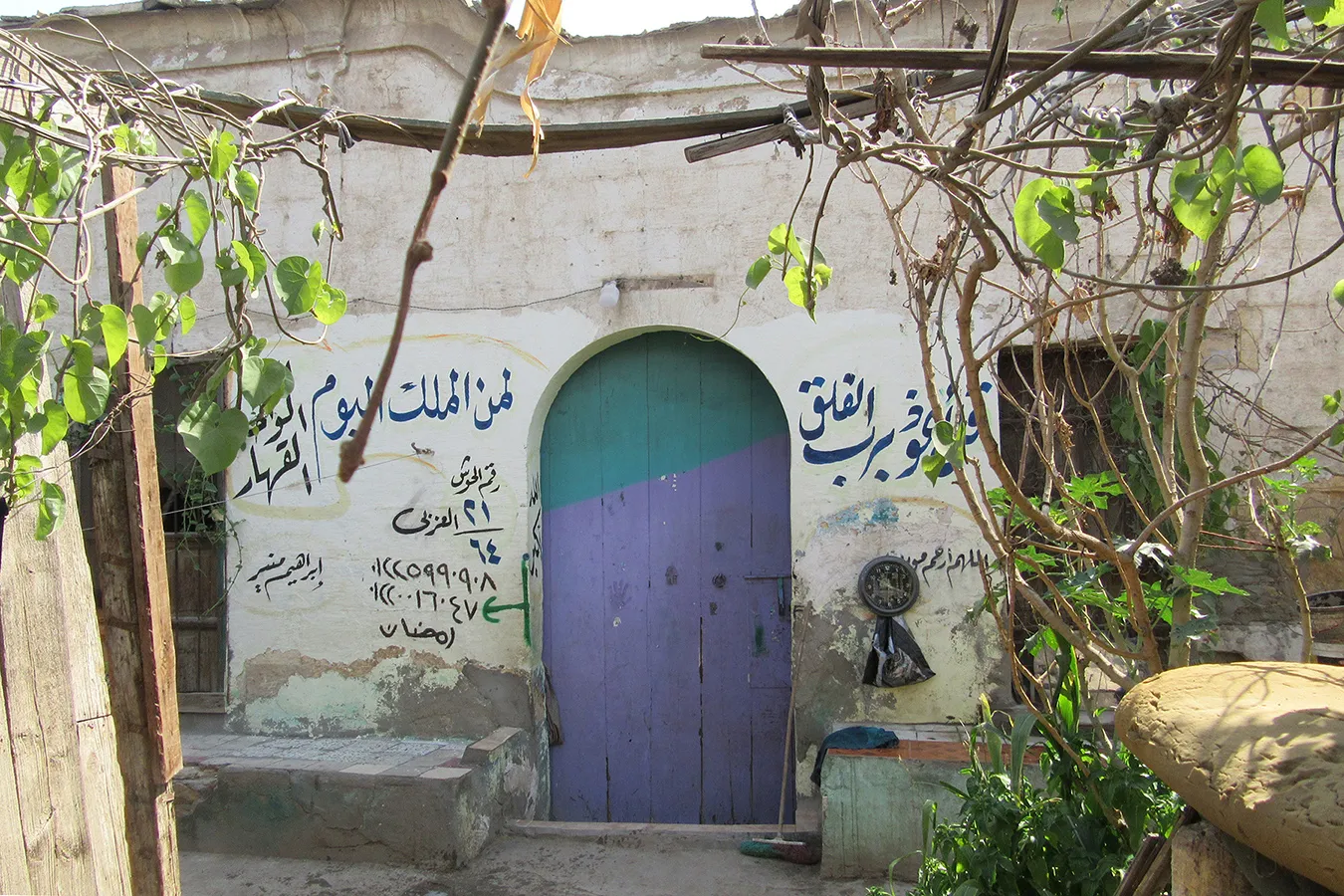
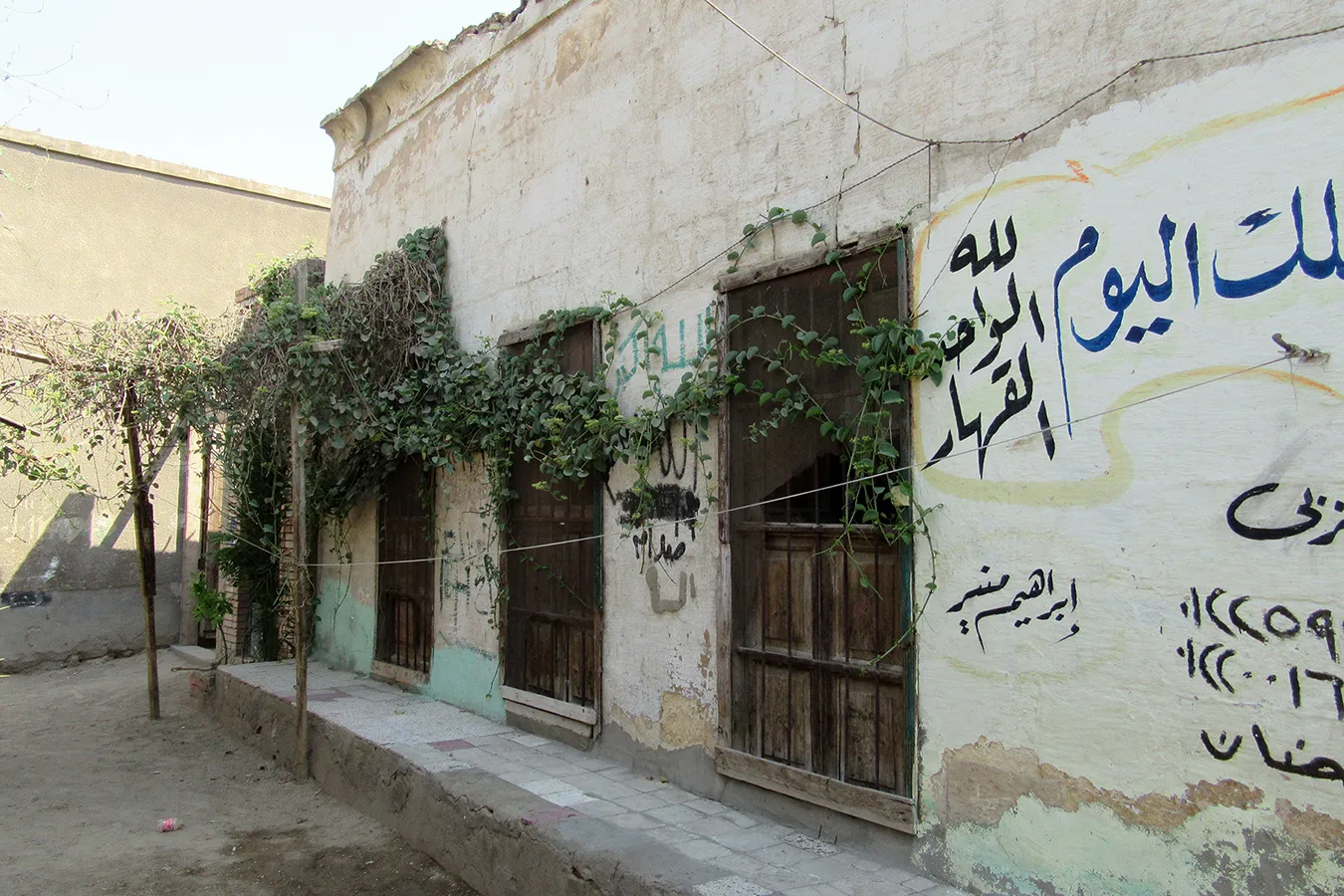
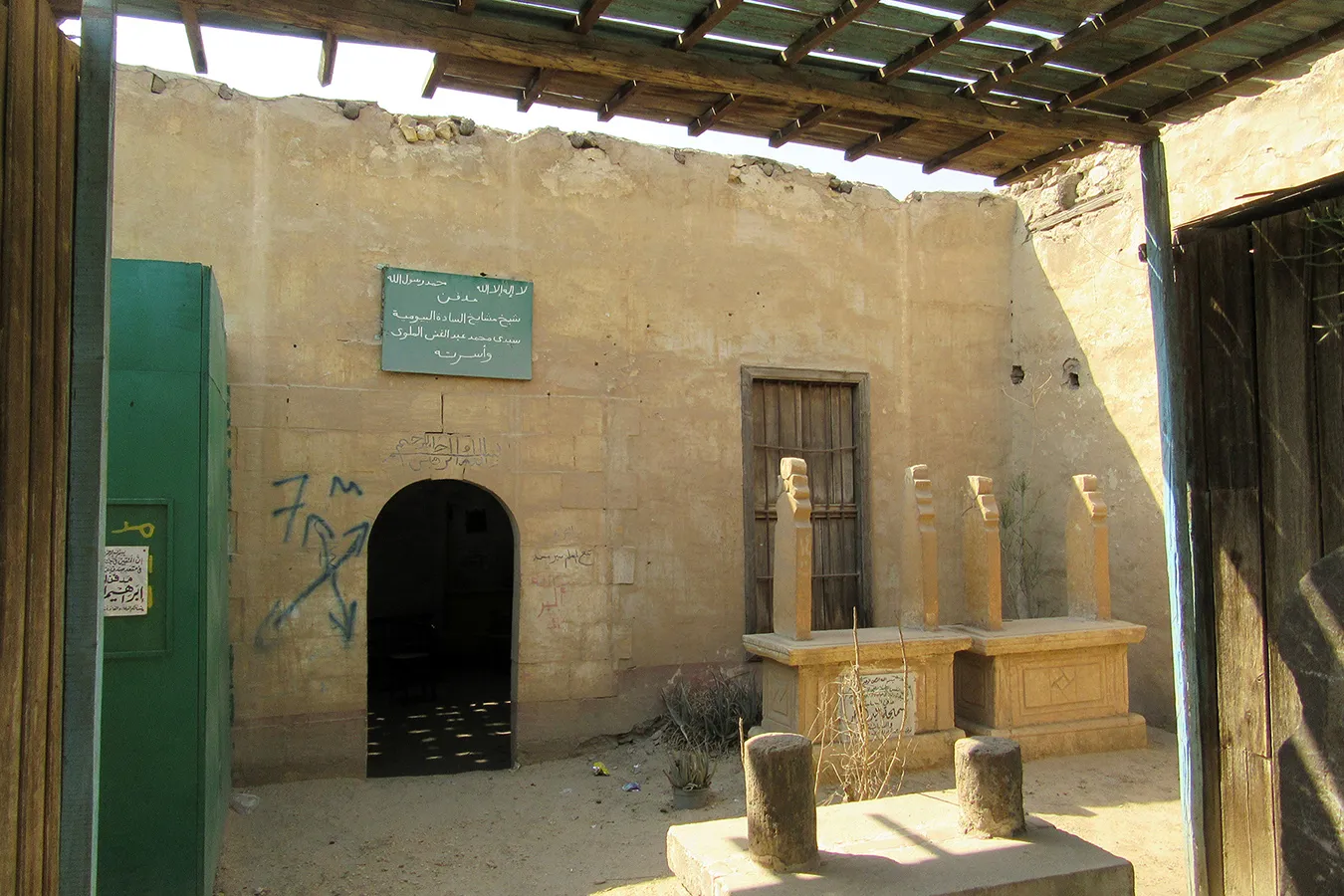
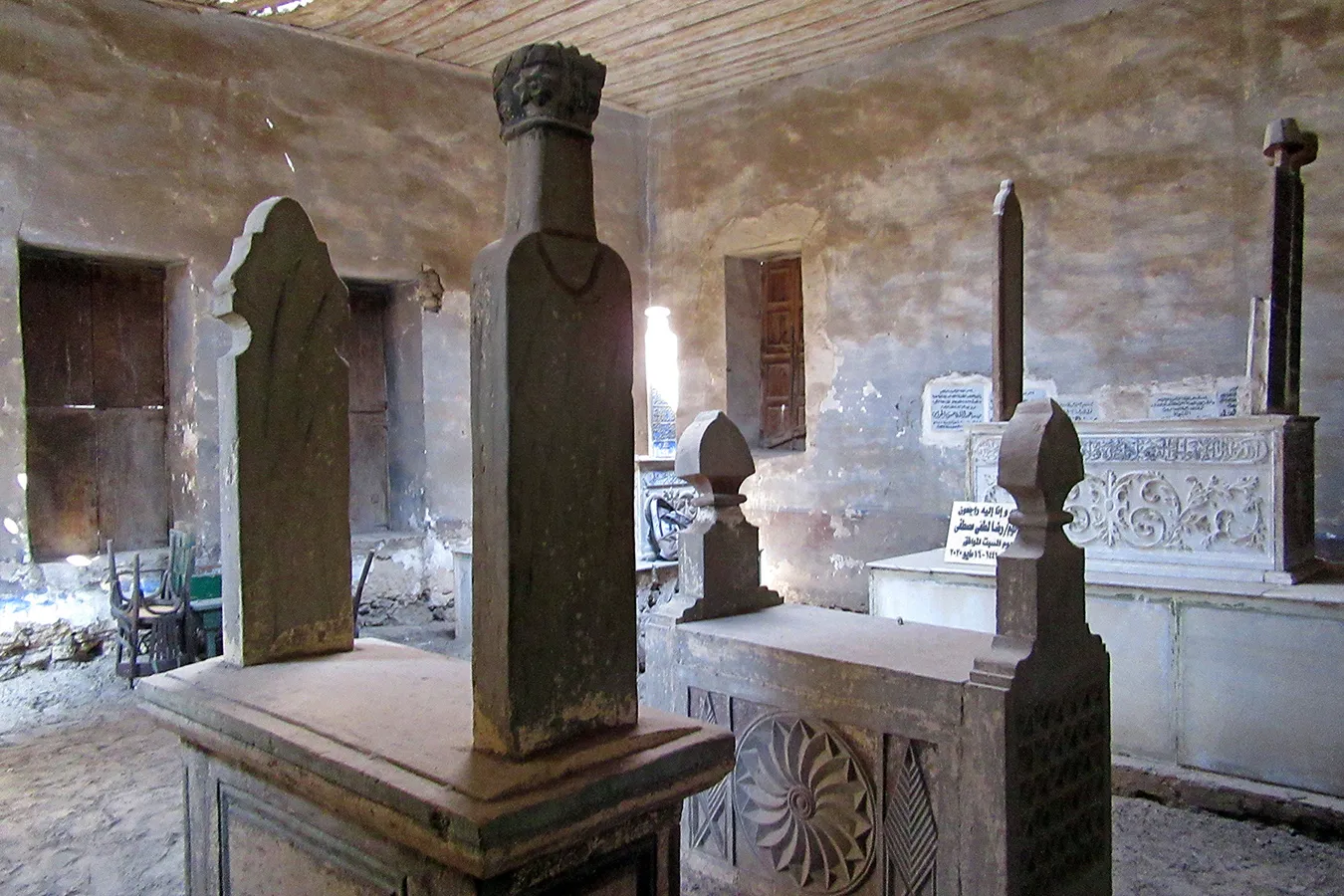
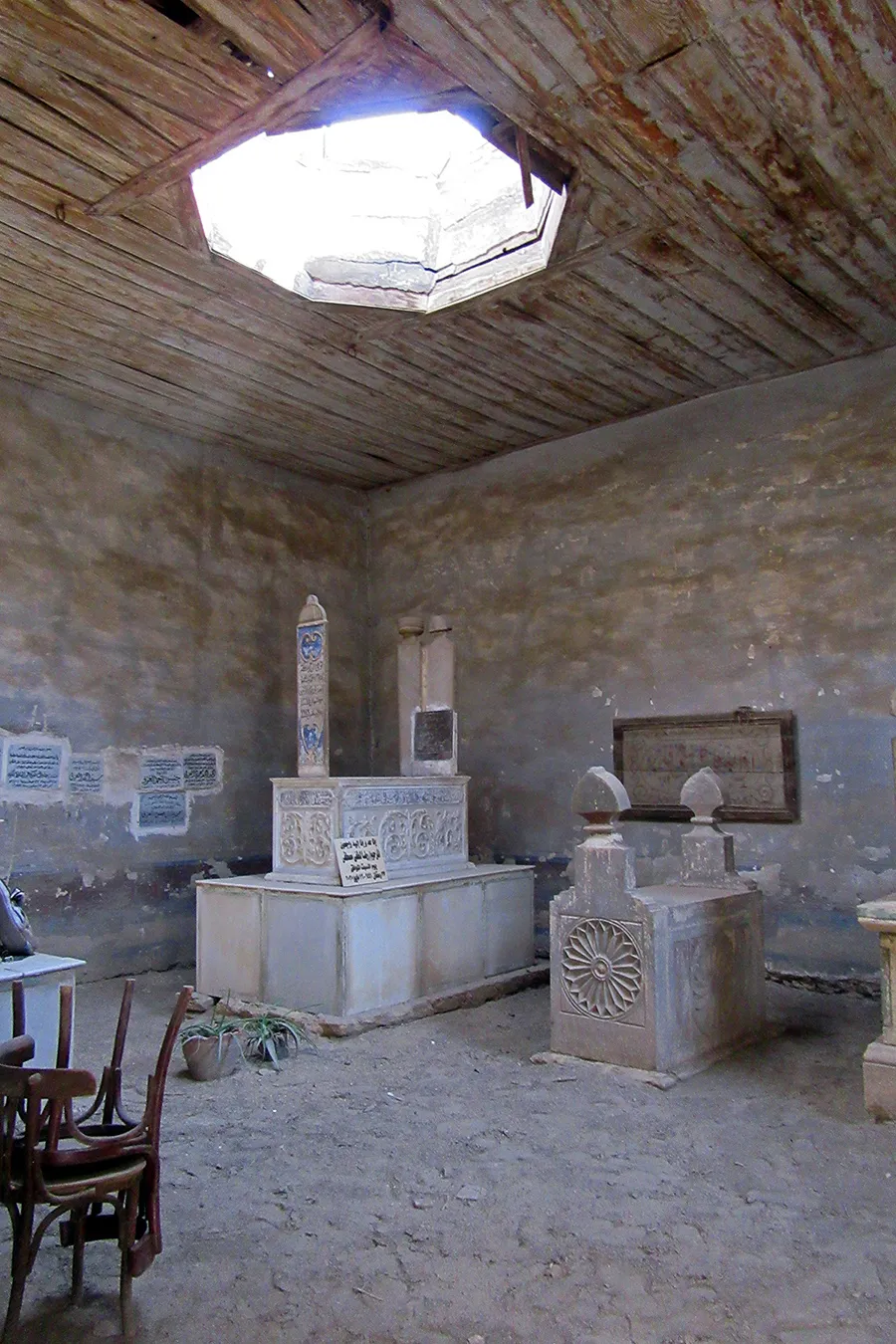
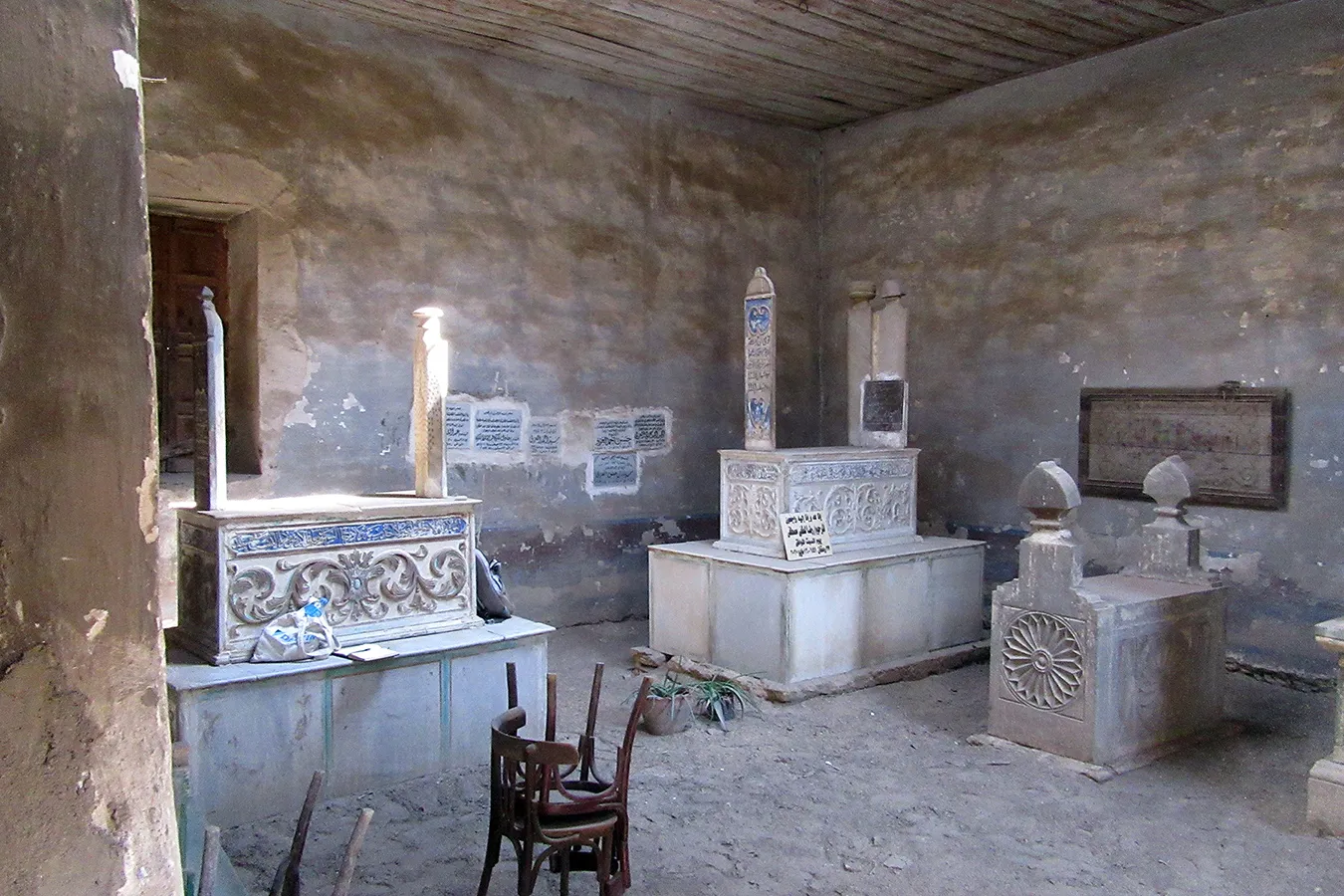
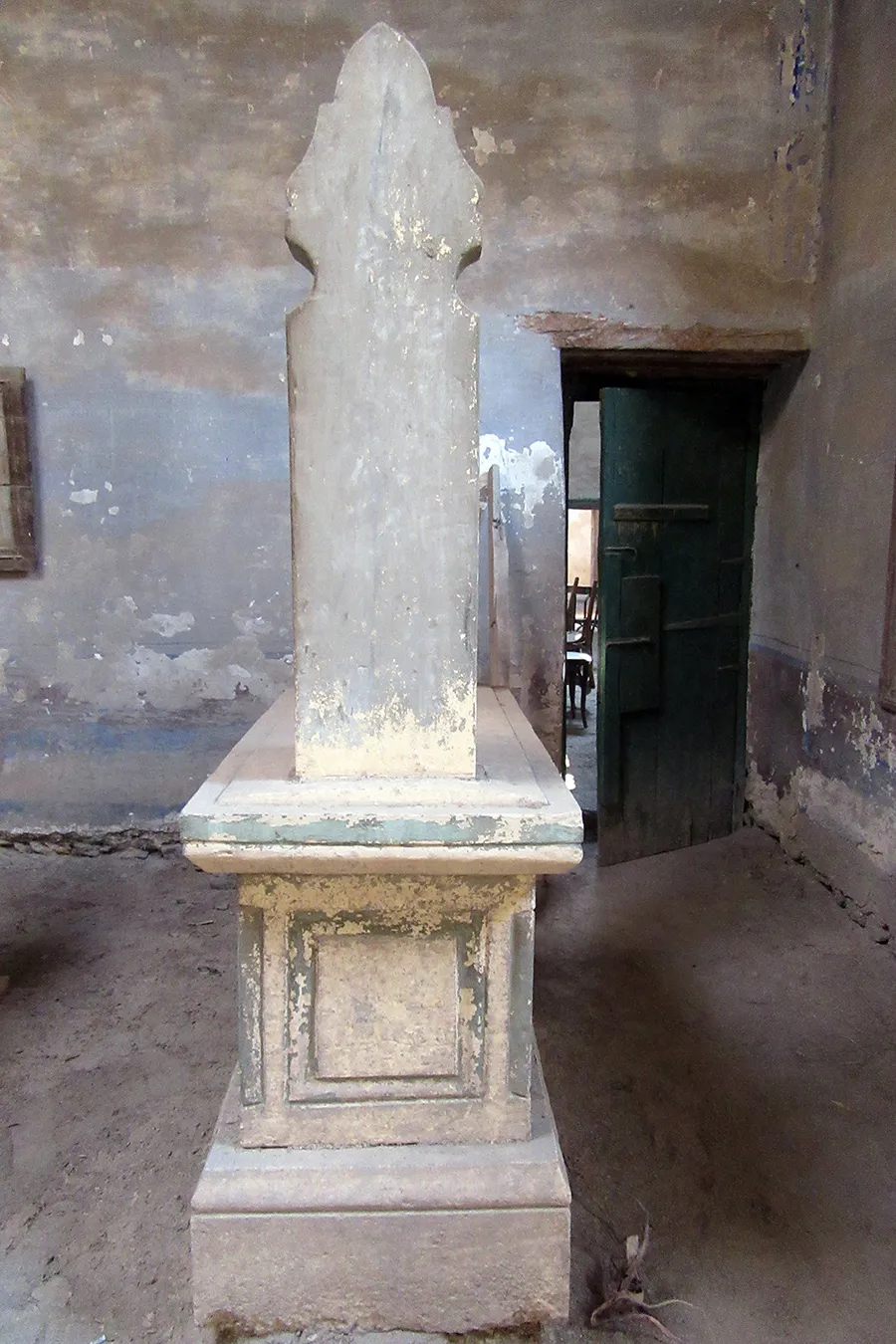
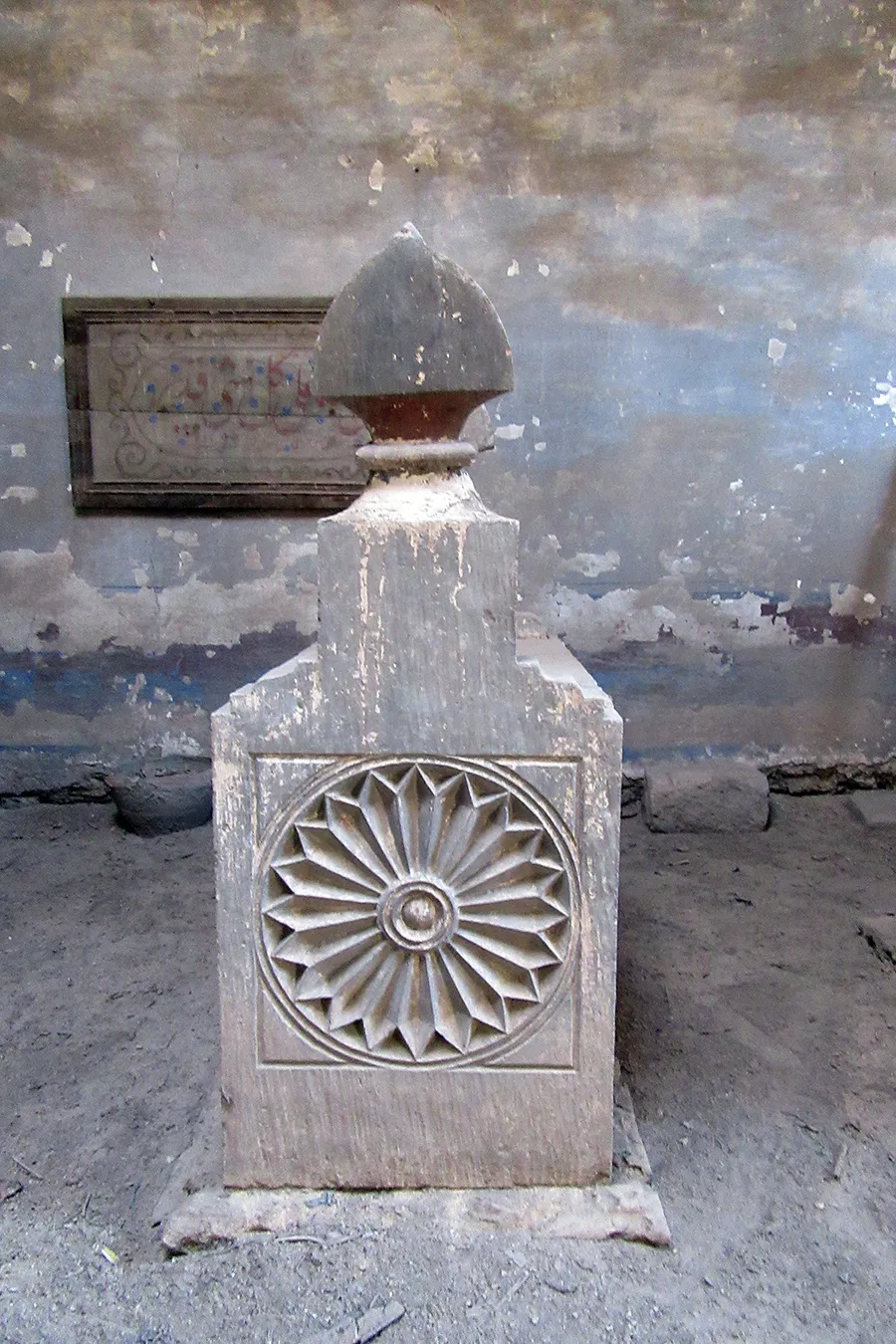
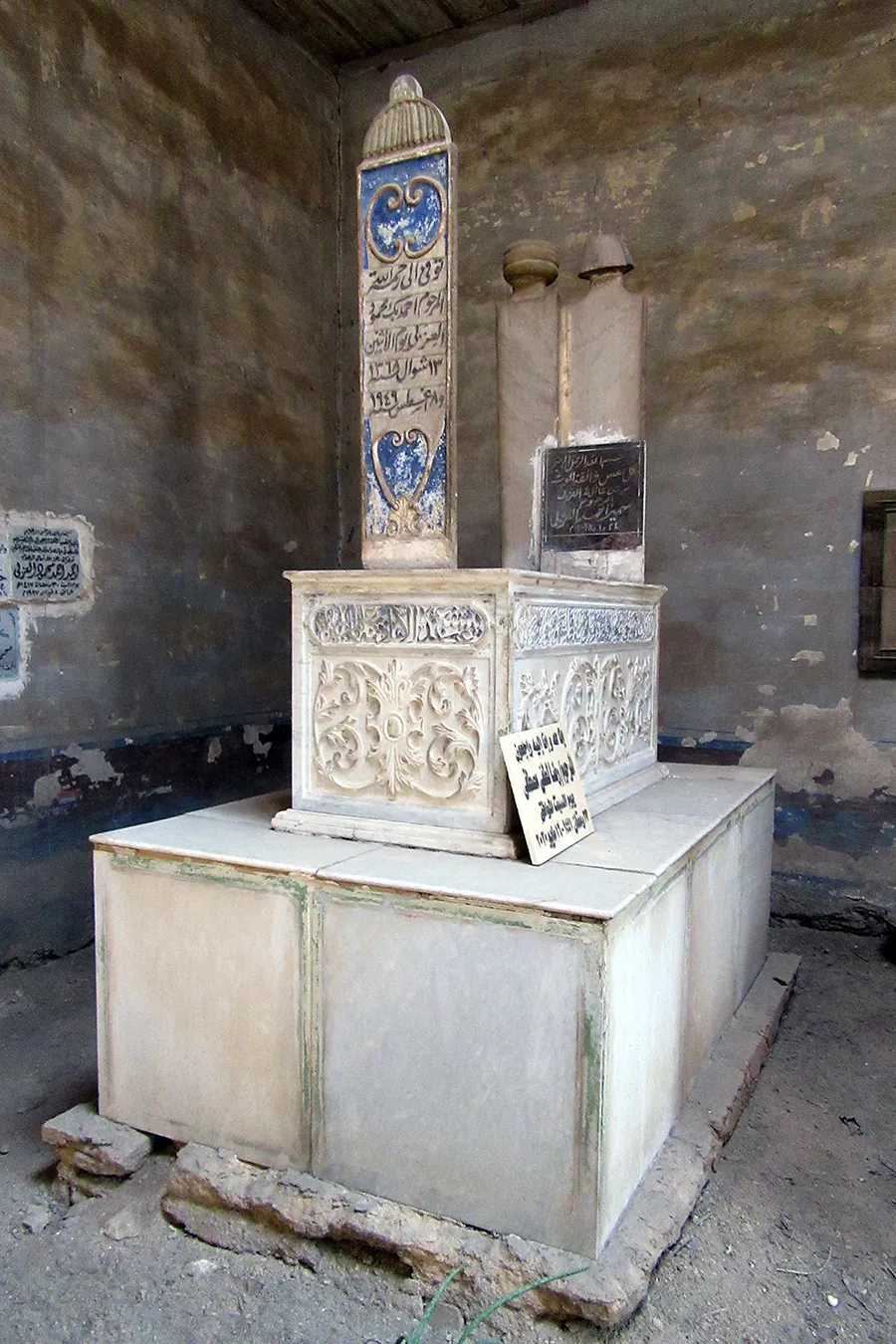
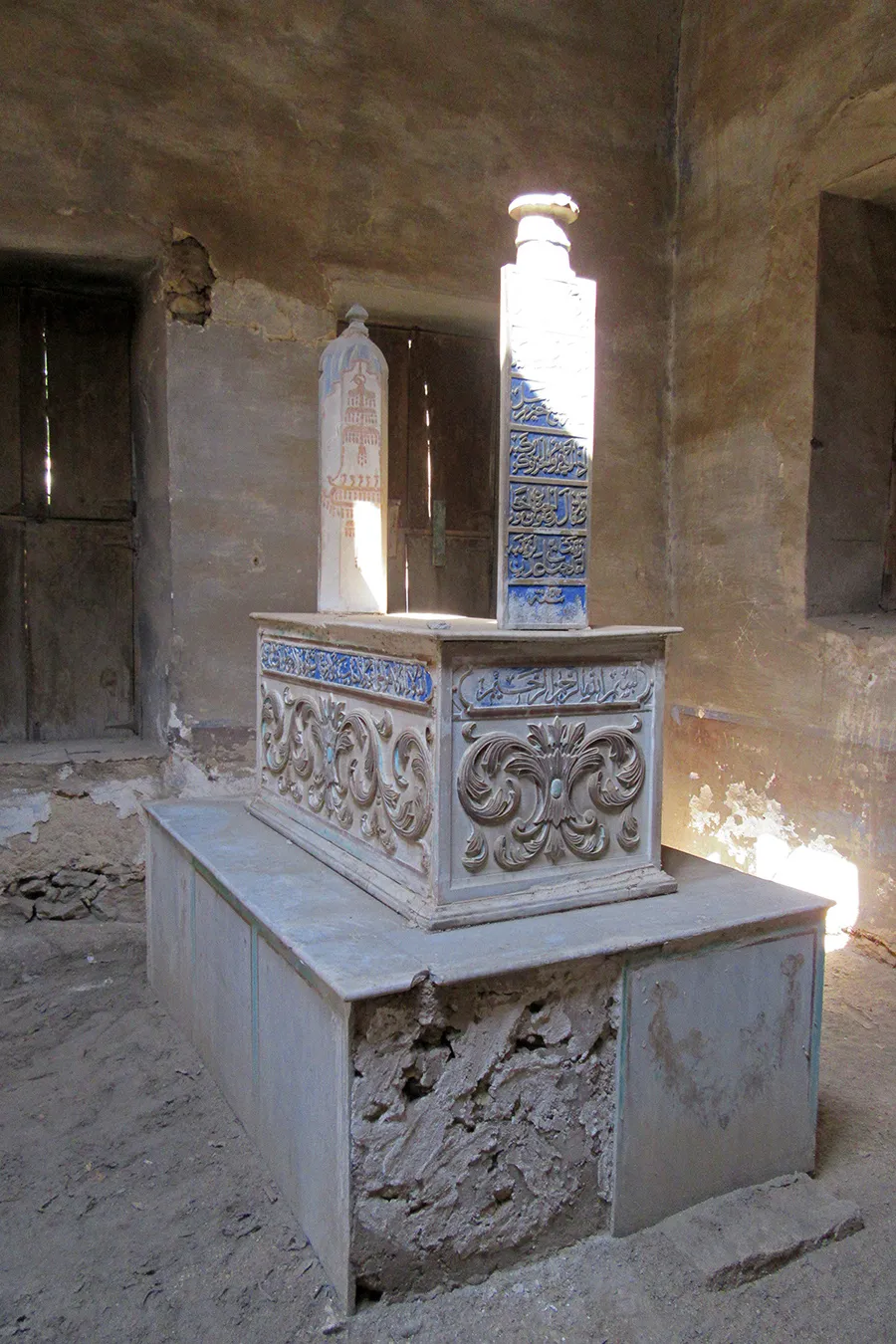
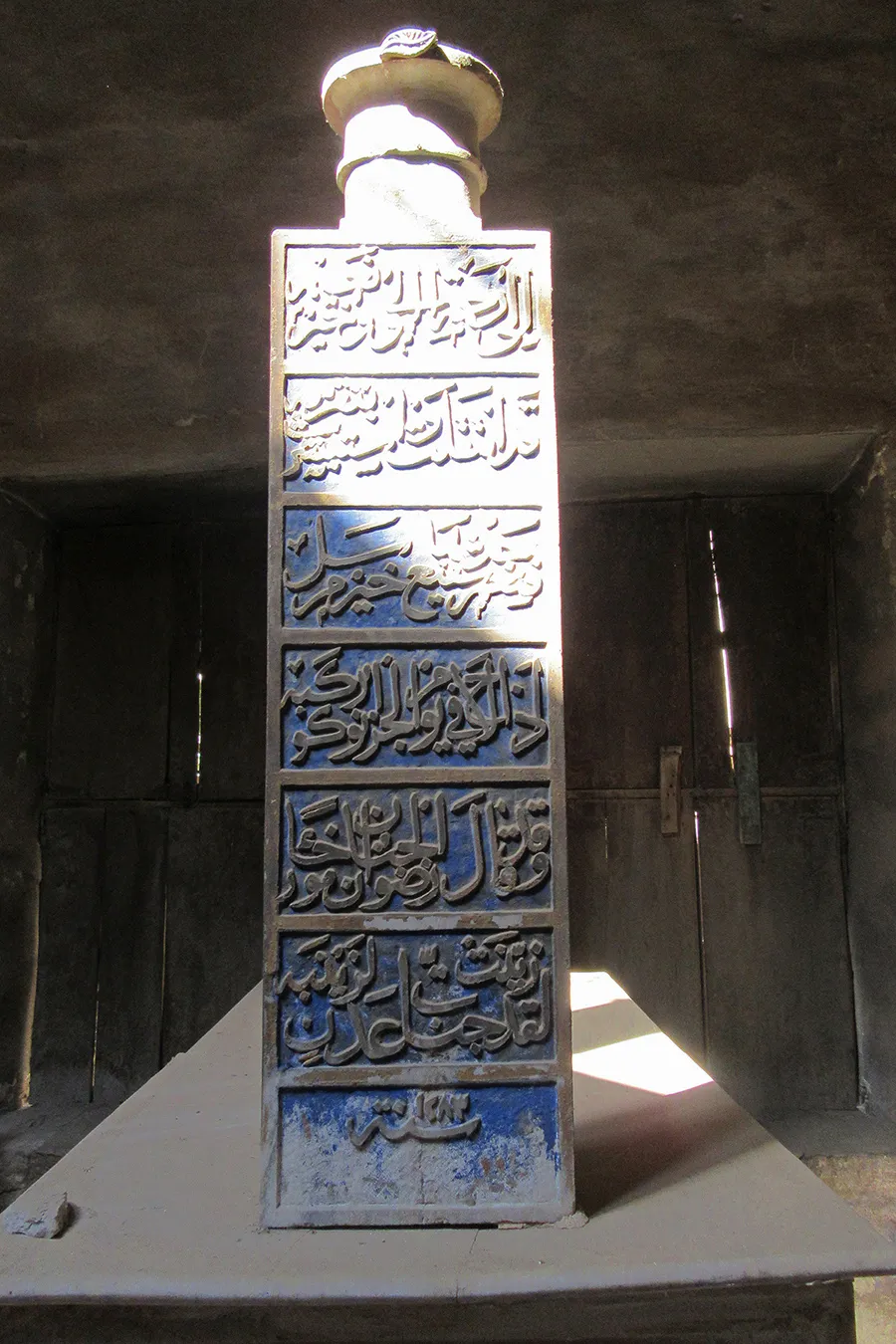
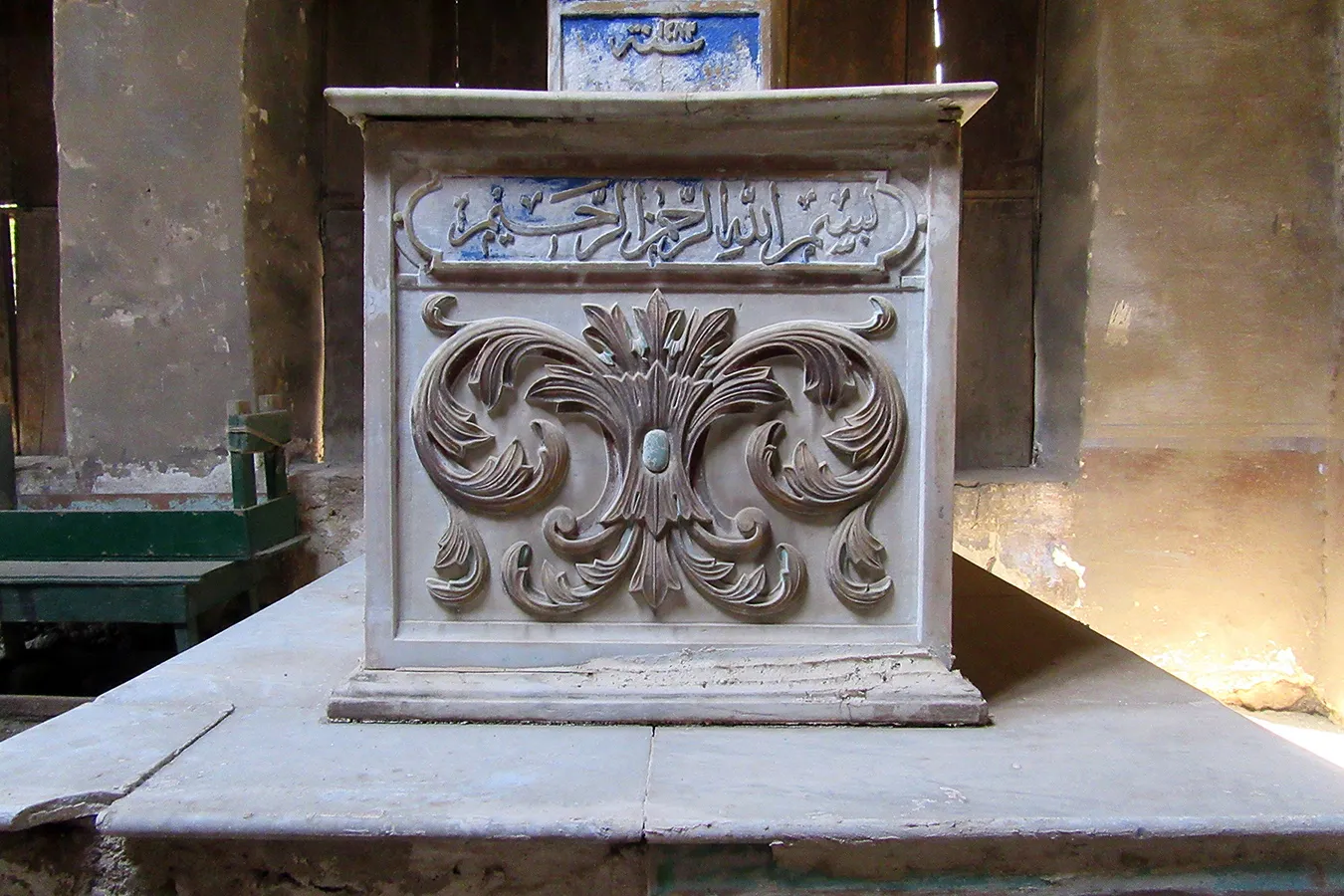
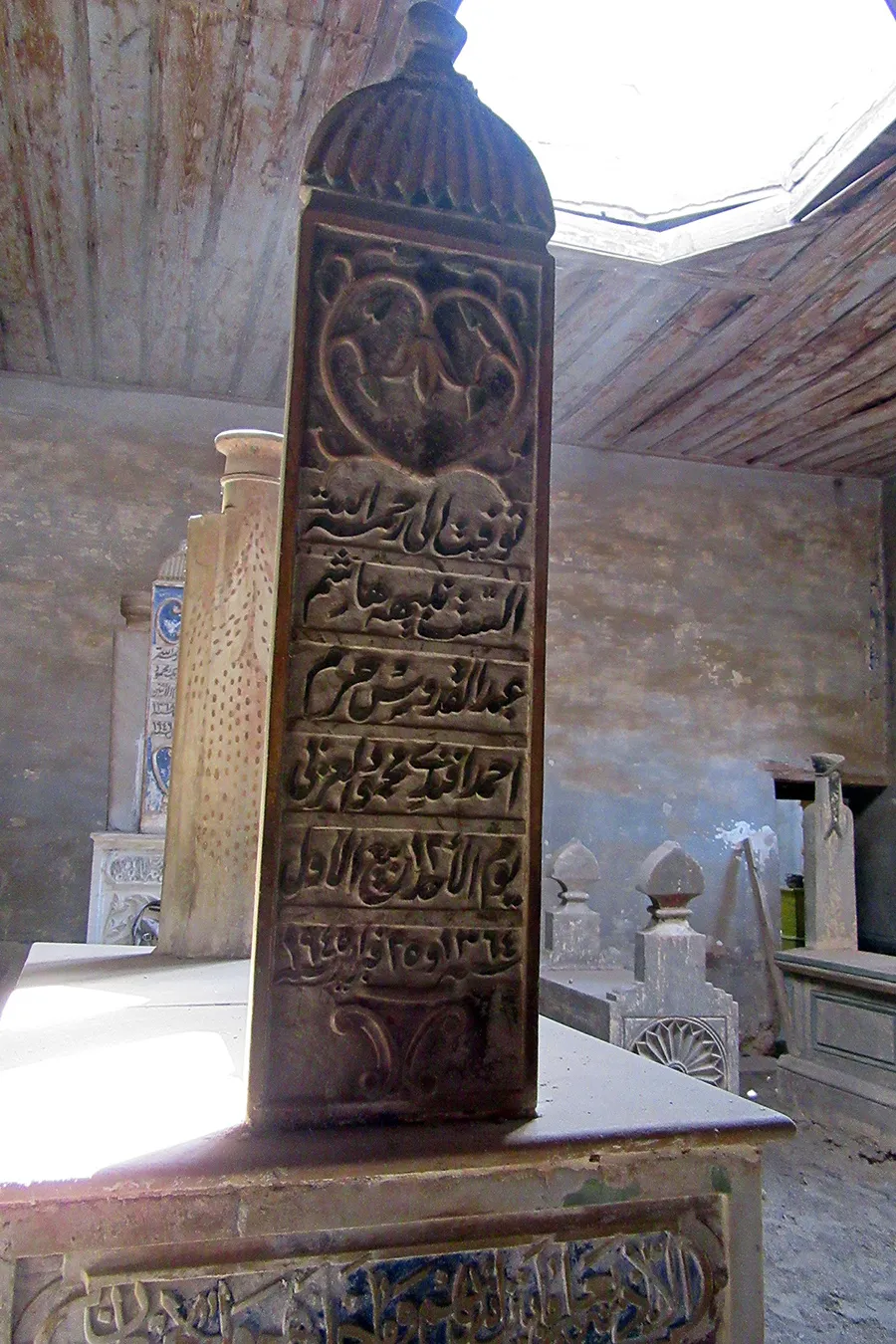
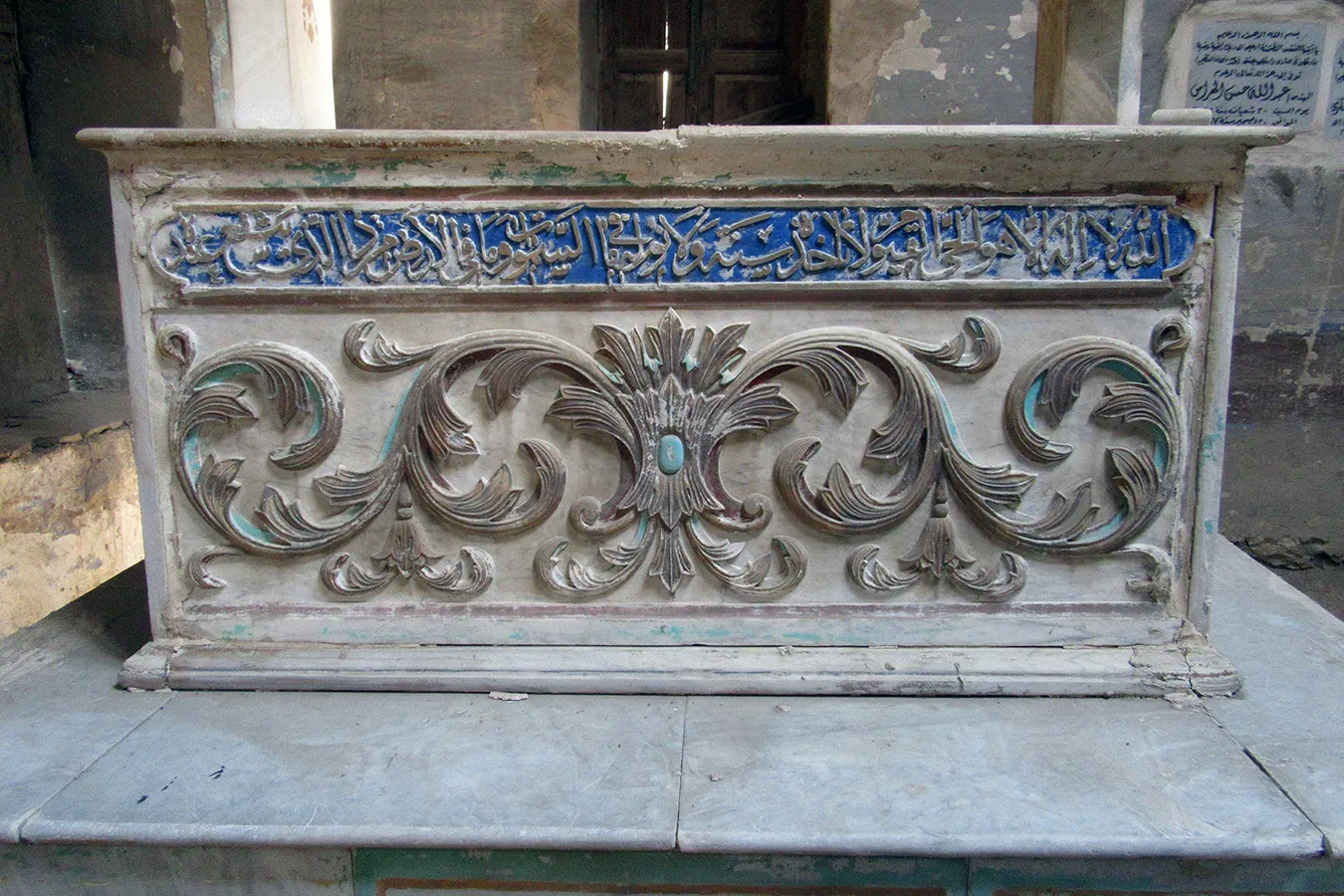
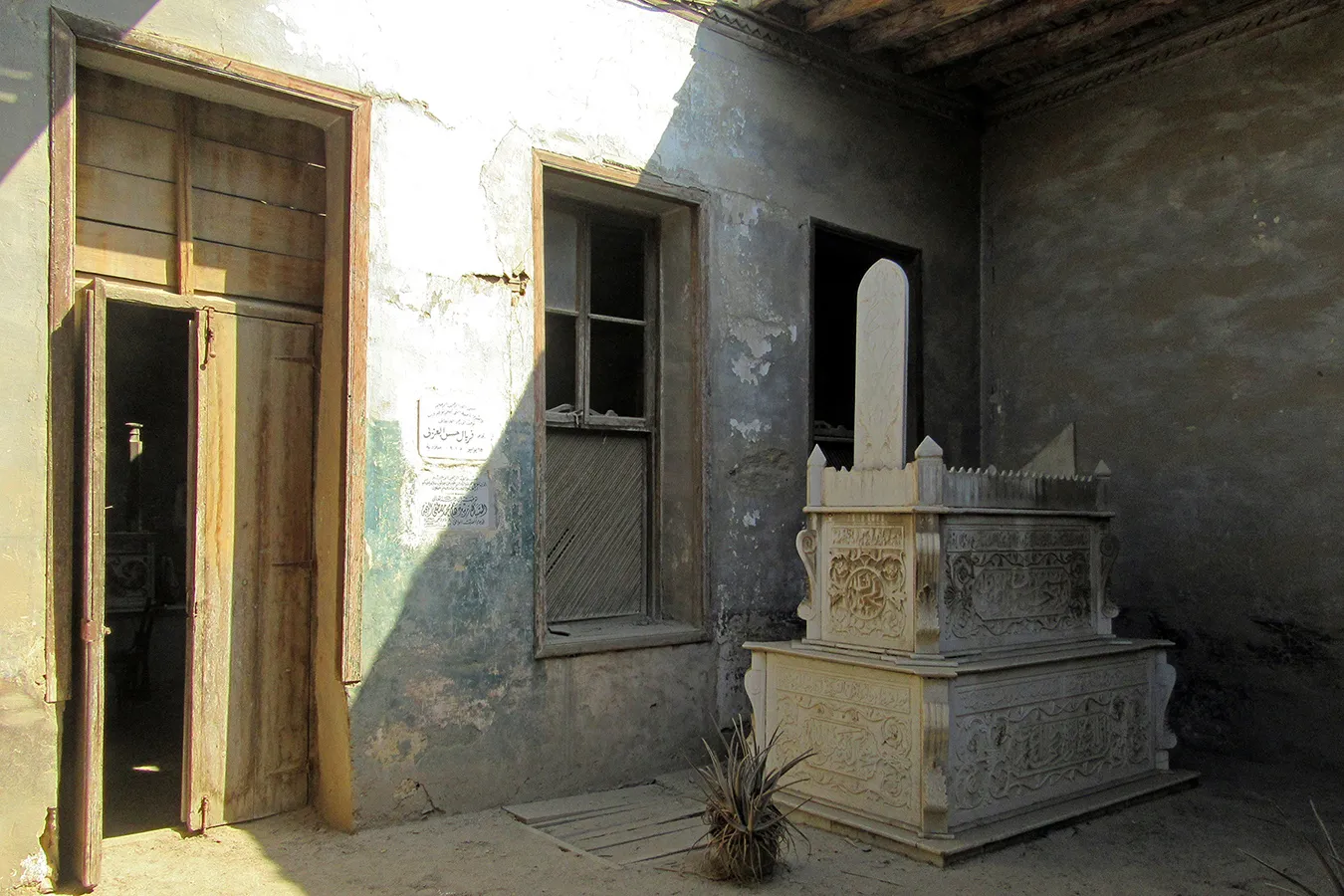
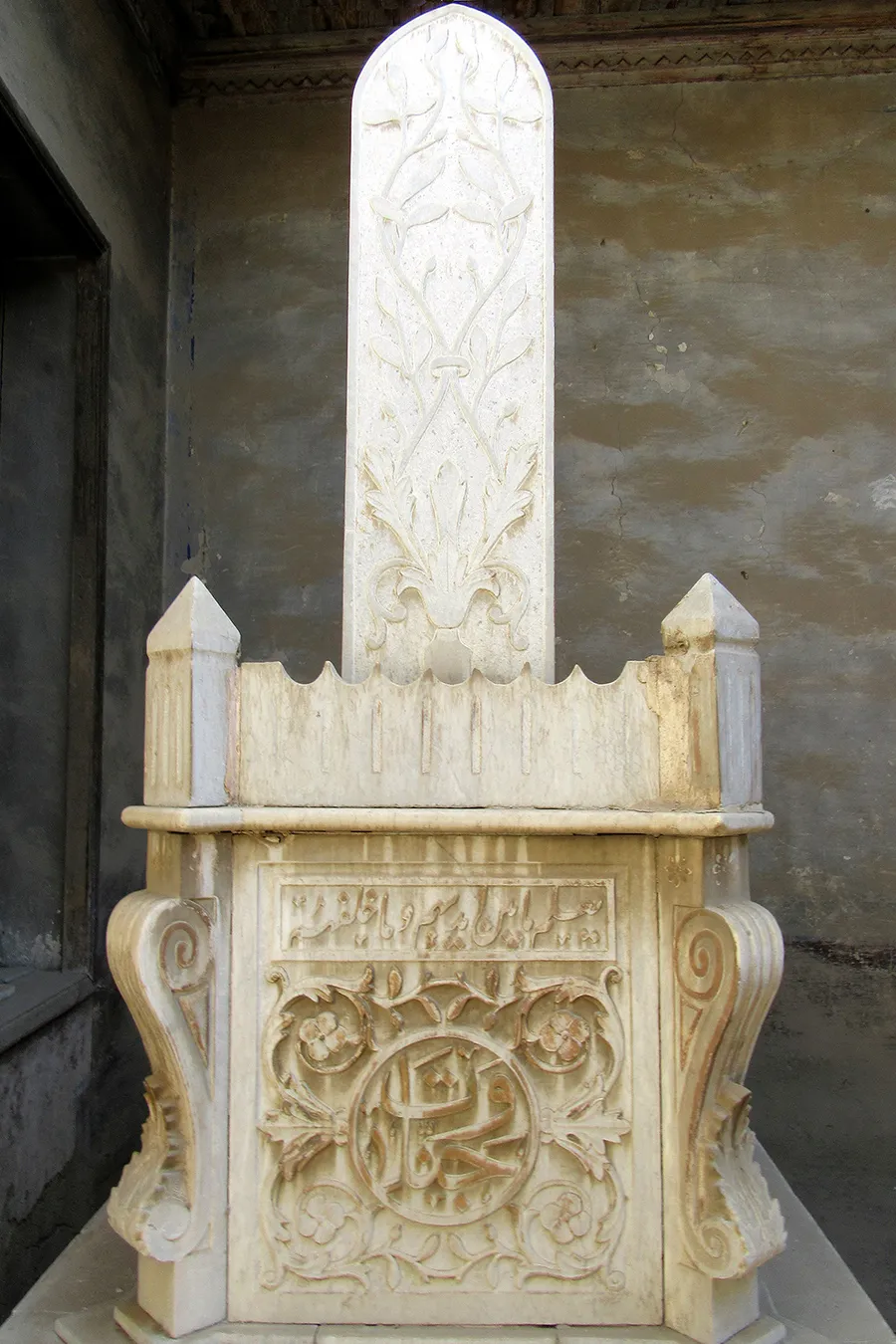
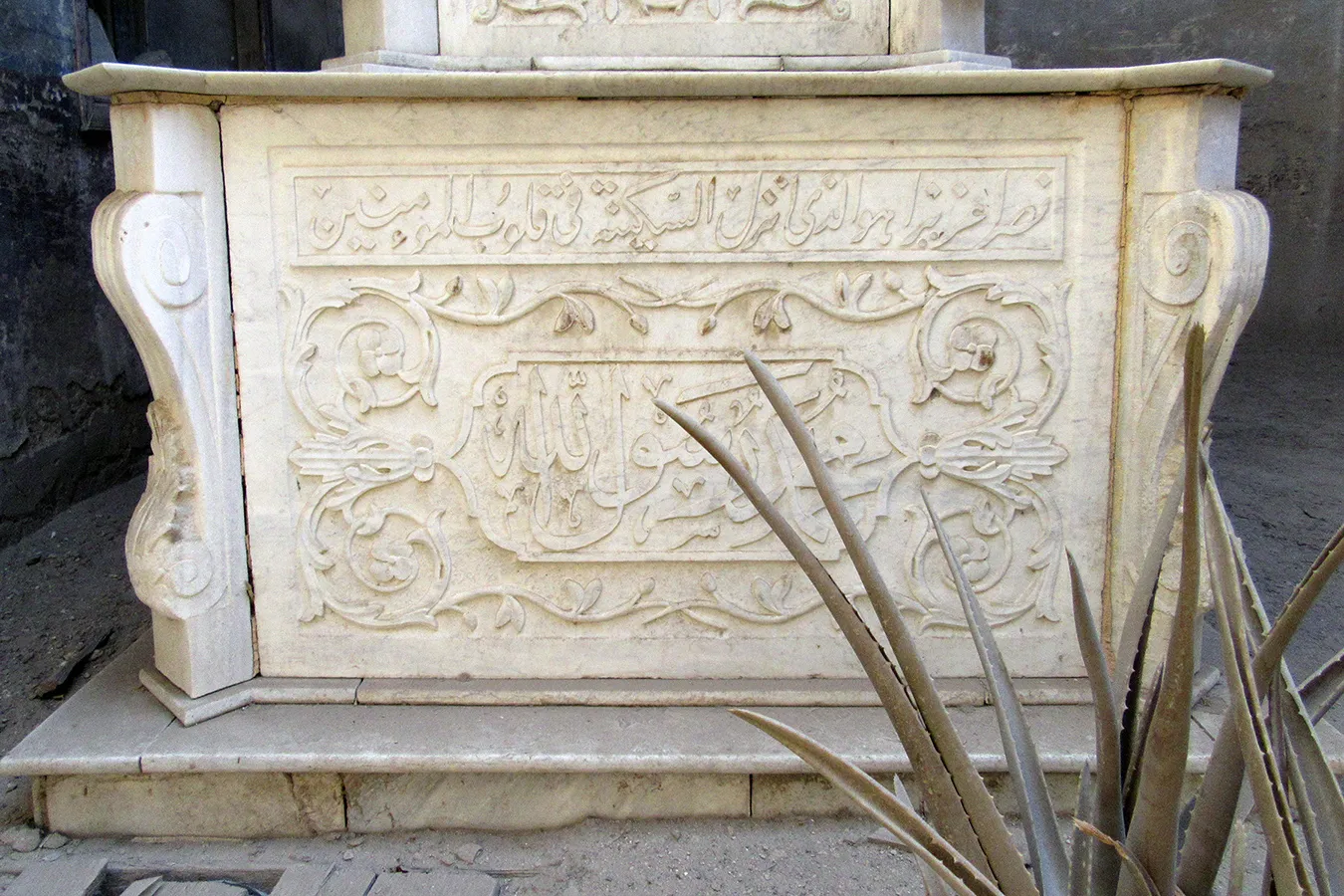
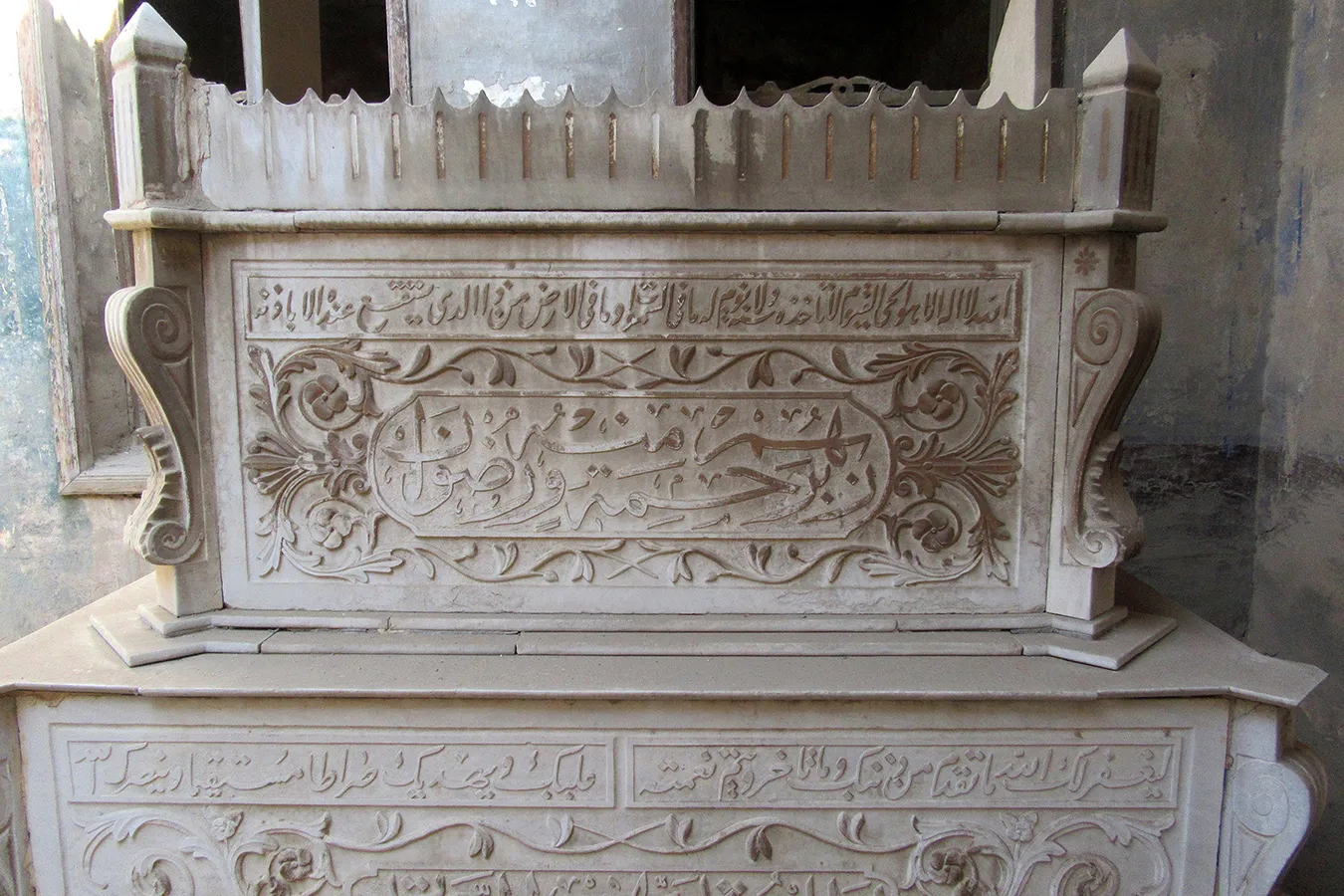
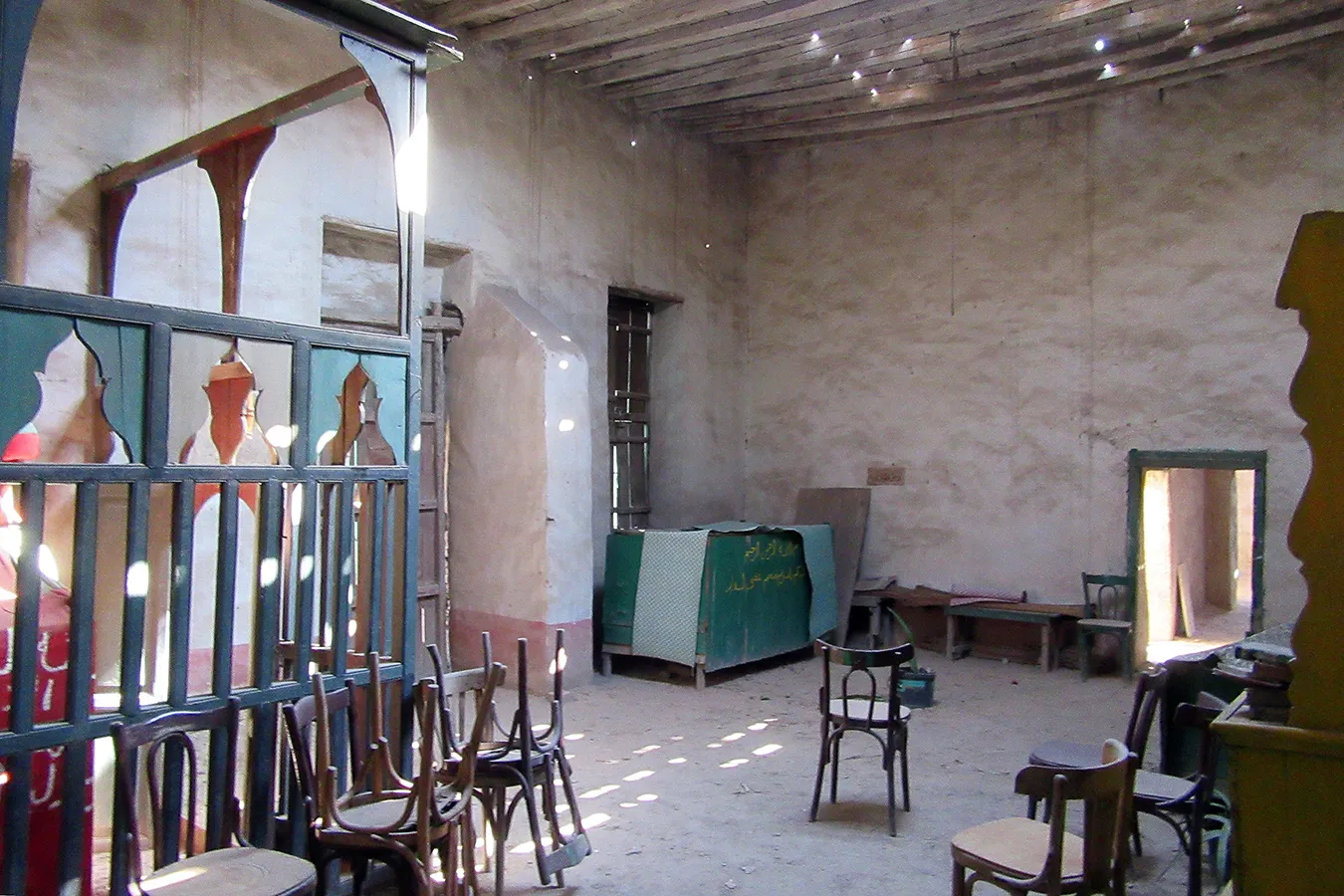
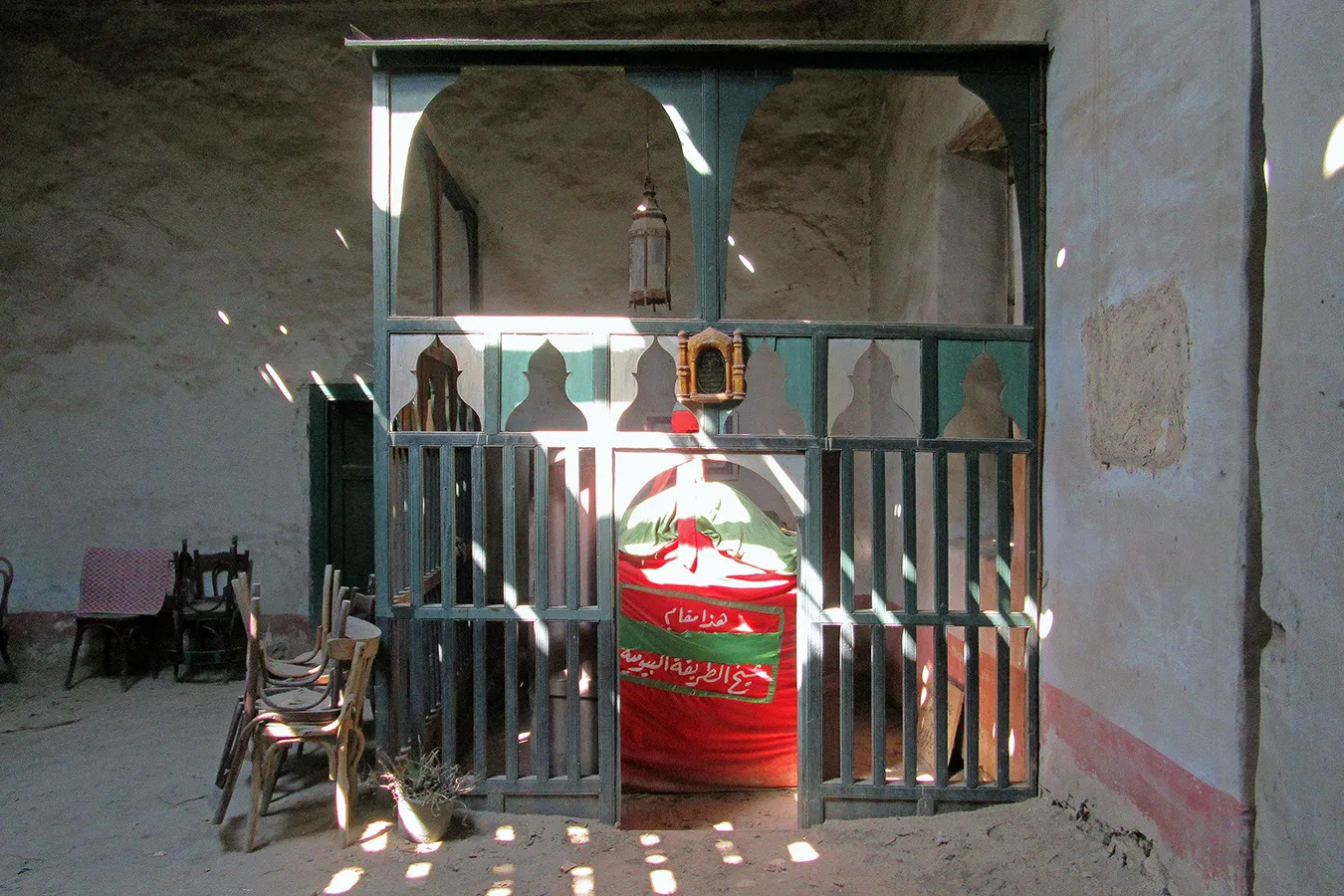
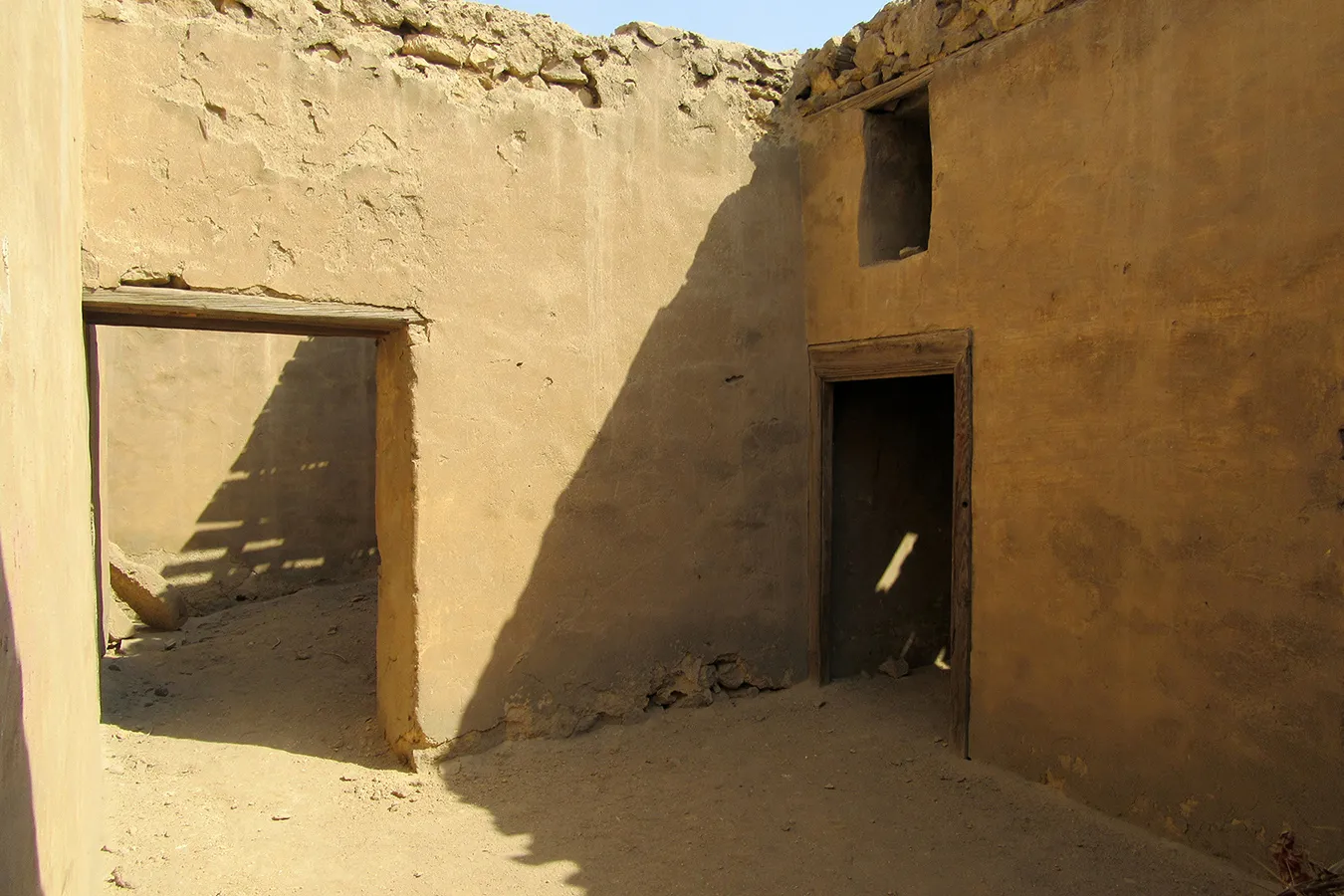
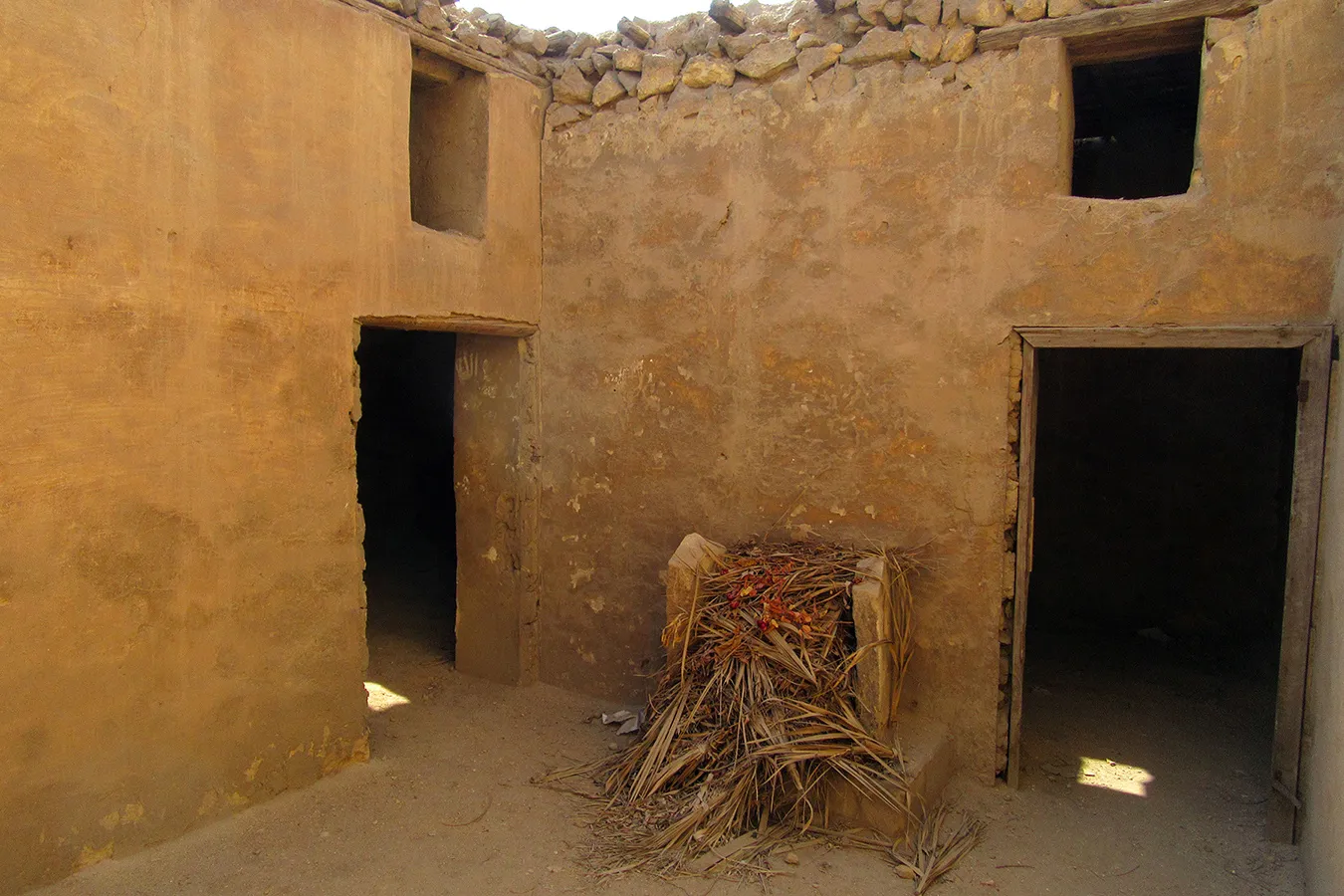
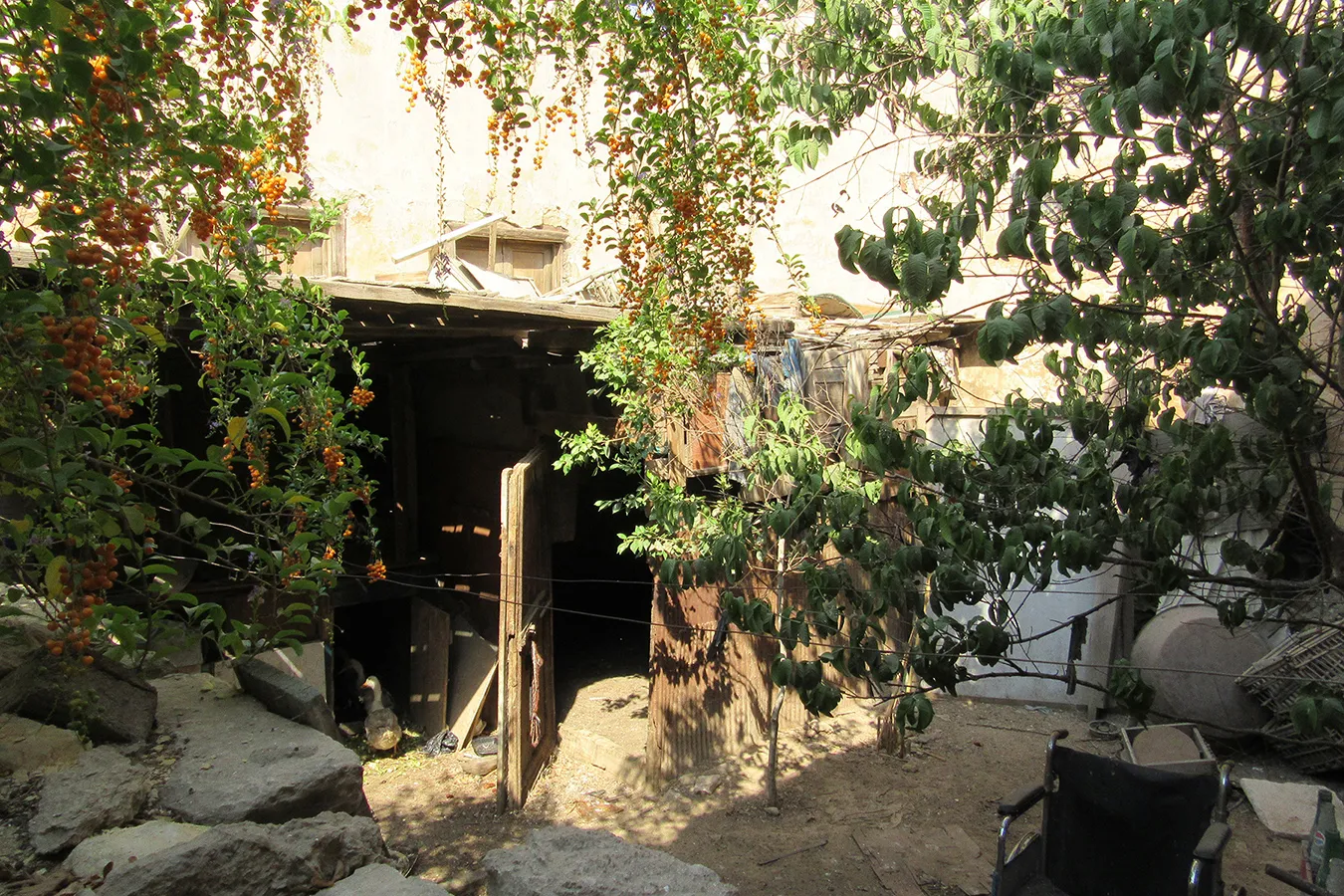
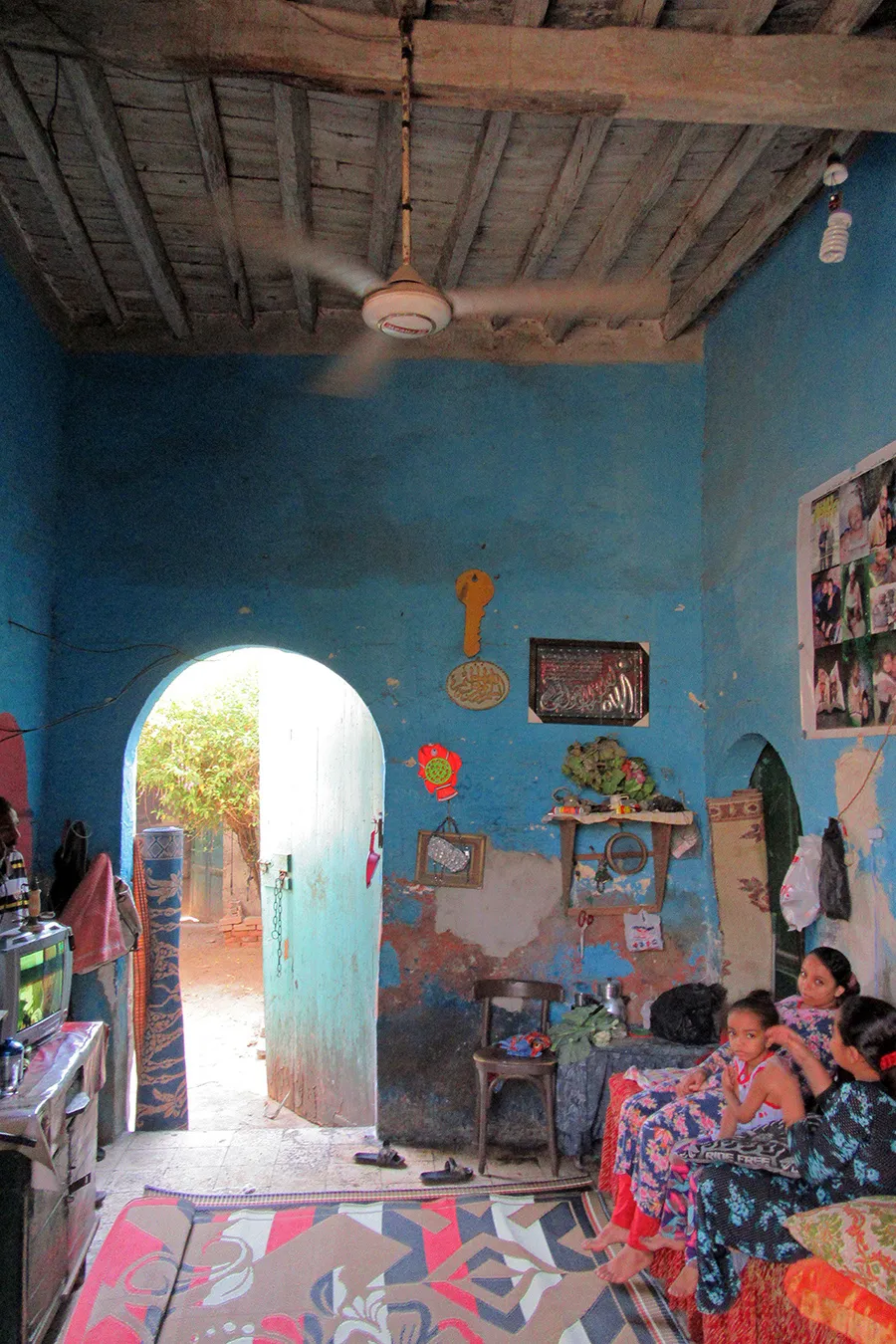
A sizeable funerary enclosure consisting of an irregular conglomeration of single-storey buildings and courtyards stretching for about 45 metres north to south and about 15 metres east to west. It is hemmed in between neighbouring enclosures, with access only from narrow pedestrian streets. There are 13 rooms by the perimeter walls, taking up most of the lot. The earliest part of the complex appears to be the enclosure in its northern part, measuring approximately 22 x 15 m in plan, with rooms grouped in a U-shape around the courtyard by the eastern wall, with a small secondary courtyard by the western wall in the southern tract of the rooms. The main entrance is in the northern façade, which is built of rubble stone and plastered, and is undecorated save the huge cavetto cornice at the top of the wall, which transitions in a smooth curve from the taller eastern section and the lower western section. There are five undecorated rectangular windows in the façade, with simple iron grilles and simple wooden panelled shutters. The gate topped with a semi-circular arch is built of ashlar stone and undecorated. It leads to a hallway in a residential section with two rooms currently occupied by the keepers. The hallway leads to a courtyard (now used for raising poultry), from which a large square burial chamber on the southern side of the courtyard is accessed. It has an octagonal wooden lantern in its plain, undecorated ceiling, and contains two decorated marble cenotaphs and two decorated limestone tomb markers. Another burial room in this zone has a partially broken ceiling and includes a richly decorated marble cenotaph. There is a small courtyard south of the main burial chamber, and west of it, a plain room which according to a panel on the wall is a shrine to Muhammad Abdelghani, the Shaykh of the Sufi group al-Bayyumiya. The Shaykh’s wooden cenotaph covered with cloth stands inside an extremely simple wooden enclosure. Further south, around two tiny courtyards, are six more plain and undecorated burial rooms, which are in very poor condition, some of them inaccessible due to collapsed rooves.
Condition of preservation
The northern part of the complex, maintained by the keepers who live there, is in fair structural condition. The further south, the condition worsens, and the rooms at the south end of the enclosure are in ruinous condition.
Information abut the founder, family history, etc.
The date AH 1283, which is the earliest found on tomb markers, corresponds to AD 1866. The form of a cavetto cornice transitioning in curves between different levels is a feature commonly found in Muhammad ‘Ali’s buildings at the Citadel dating to the first half of the 19th century, and common in Cairo at the time. This may hint at a date in the first half of the 19th century for the oldest parts of the al-‘Azabi complex.
- Field recording by
- Amr Abotawila and Nur Atiya
- Date recorded
- August 8, 2022
- Data entered by
- Hania Abdelmeguid
- Date entered
- May 8, 2024