
Unit No39
Muhammad Isma‘il al-Bannan
|
Coordinates of the main entrance |
30.040909N - 31.27103E |
|
Attribution |
Muhammad Isma‘il al-Bannan |
|
Higri (AH)Dates as given in the Inscription |
1313 |
|
Miladi (AD)Dates as given in the Inscription |
|
|
Inscription Contemporary with the building? |
Yes |
|
Multiple date(s) In the inscription? |
No |
|
Assumed Date |
|
|
Based on |
|
|
Original Use |
Funerary enclosure |
|
Current Use |
Funerary enclosure |
|
Overall condition |
Ruin |
Features of unit 39
| Present | Count | Material | Comments (see description for details) | |
|---|---|---|---|---|
| Free standing structure | Yes | 1 | stone, wood, lath-and-plaster | |
| Walled enclosure | No | |||
| Rooms by the perimeter wall | No | |||
| Freestanding structure(s) in enclousure | No | |||
| Dome over the tomb chamber | No | |||
| Neo-Mamluk architectural decoration | No | |||
| Garden layout | No | |||
| Sabil(s) | Yes | 1 | ||
| Wall fountain(s) | No | |||
| Canopy on columns / pillars | No | |||
| Carved marble cenotaph(s) | No | |||
| Decorated limestone tomb-markers | Yes | 1 | stone | plus 2 ceramic tiles-covered modern ones |
| Decorated gateway | Yes | 1 | stone | |
| Decorative door-leaves | No | |||
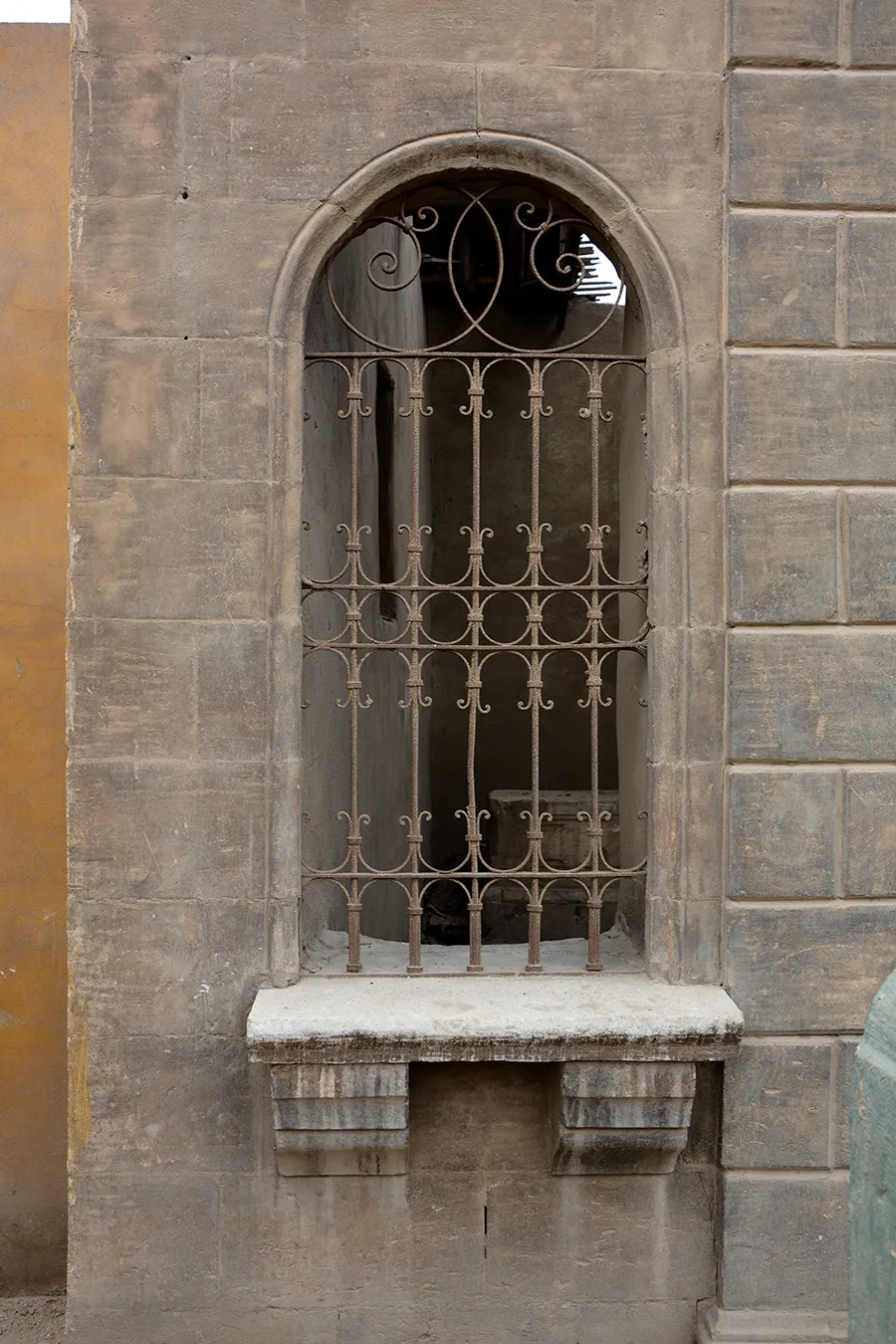
| Decorative window grilles | Yes | 2 | wrought iron | In the sabil window, over entrance door |
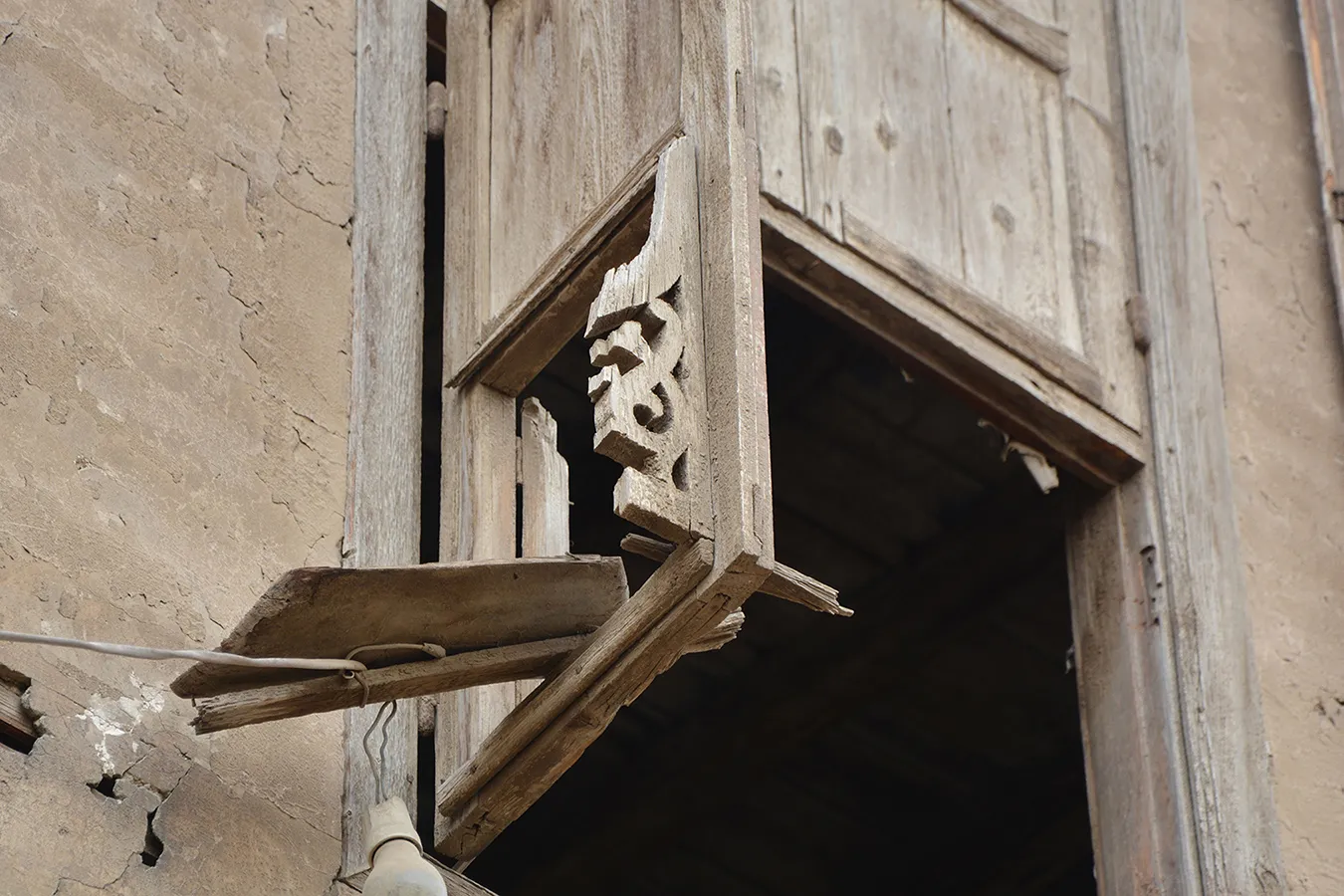
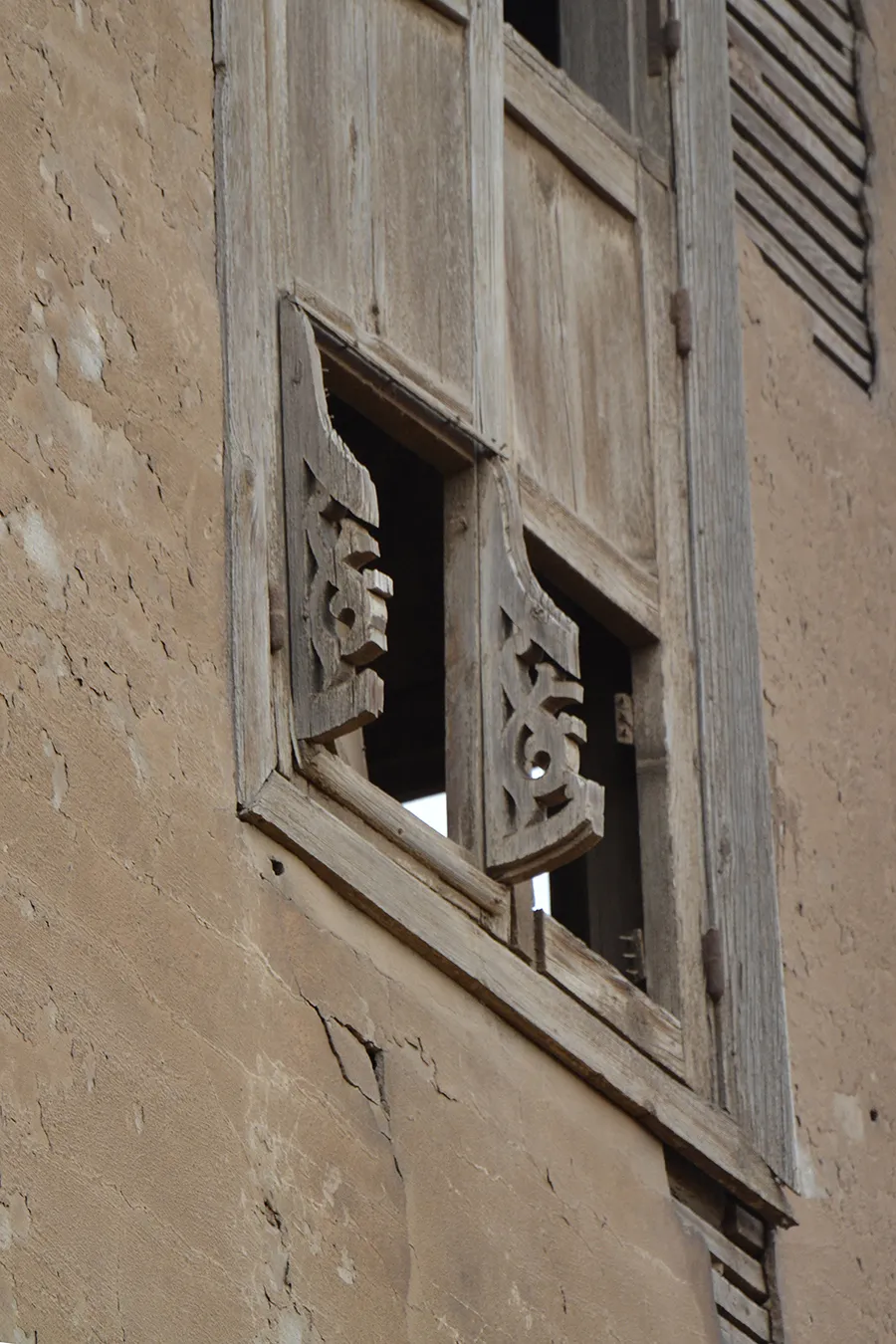
| Decorative shutters | Yes | wood | Small bay-window projections in the shutters; scant remnants only | |
| Painted ceiling(s) | No | |||
| Decorative paving(s) | No |
Unusual or unique features
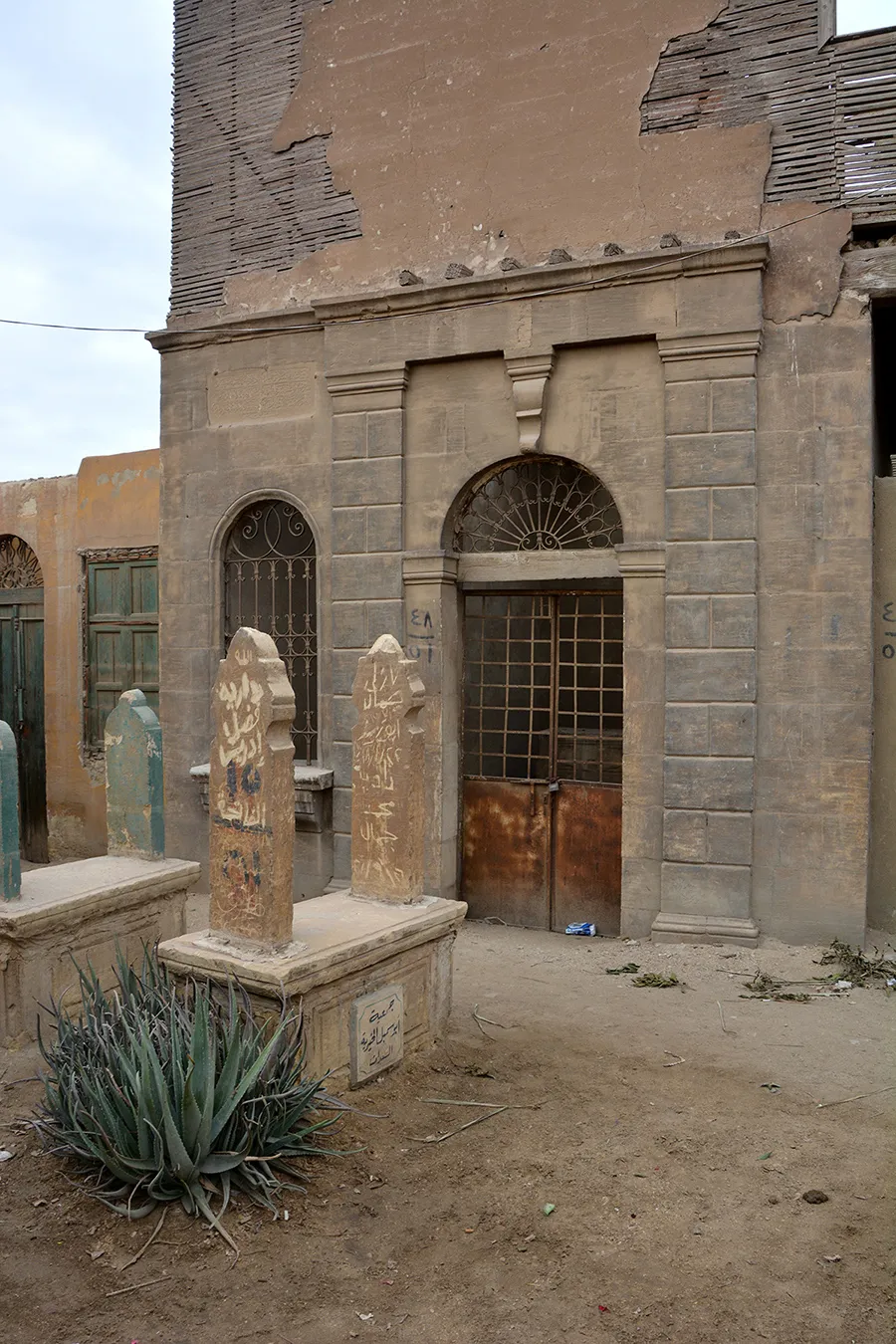
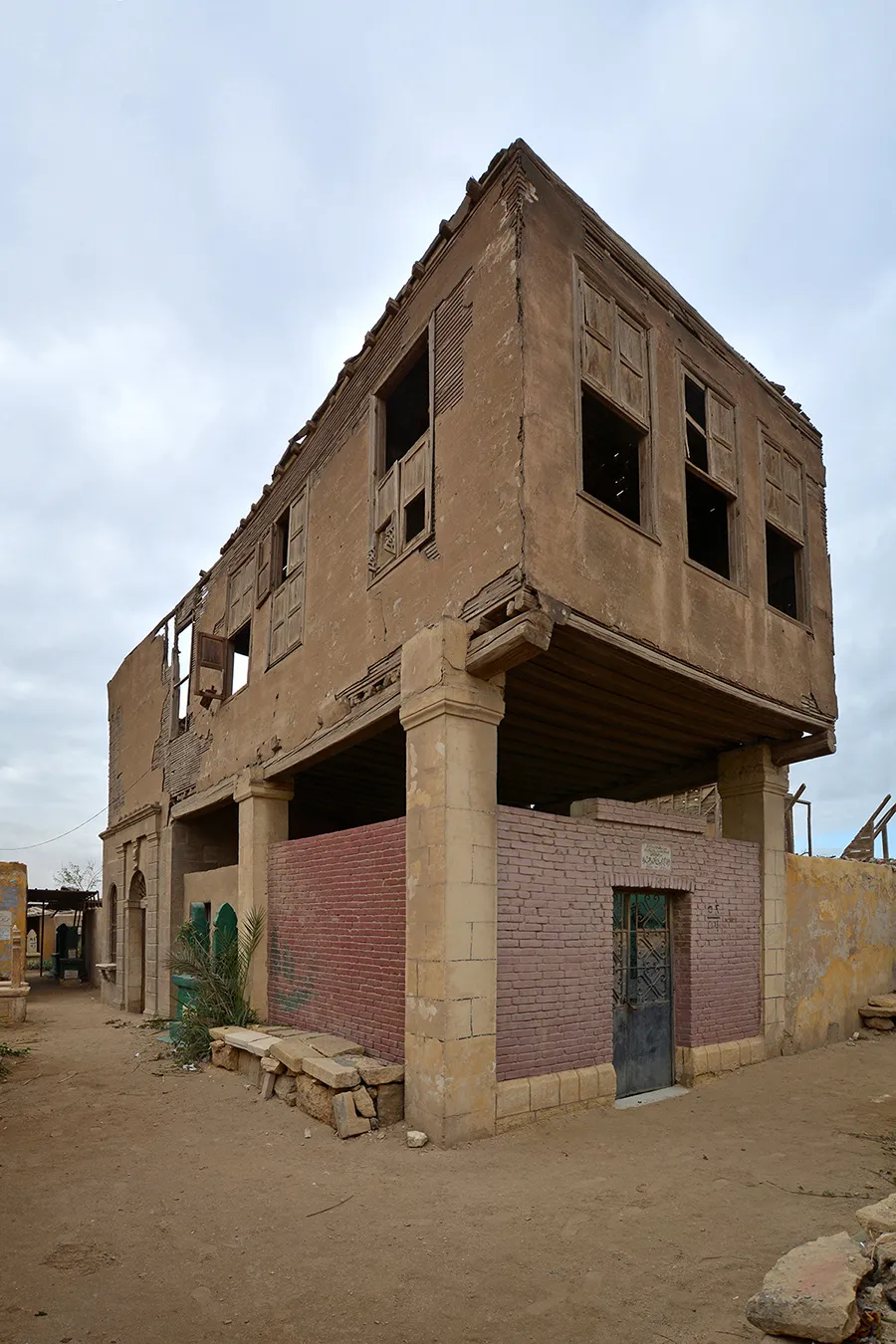
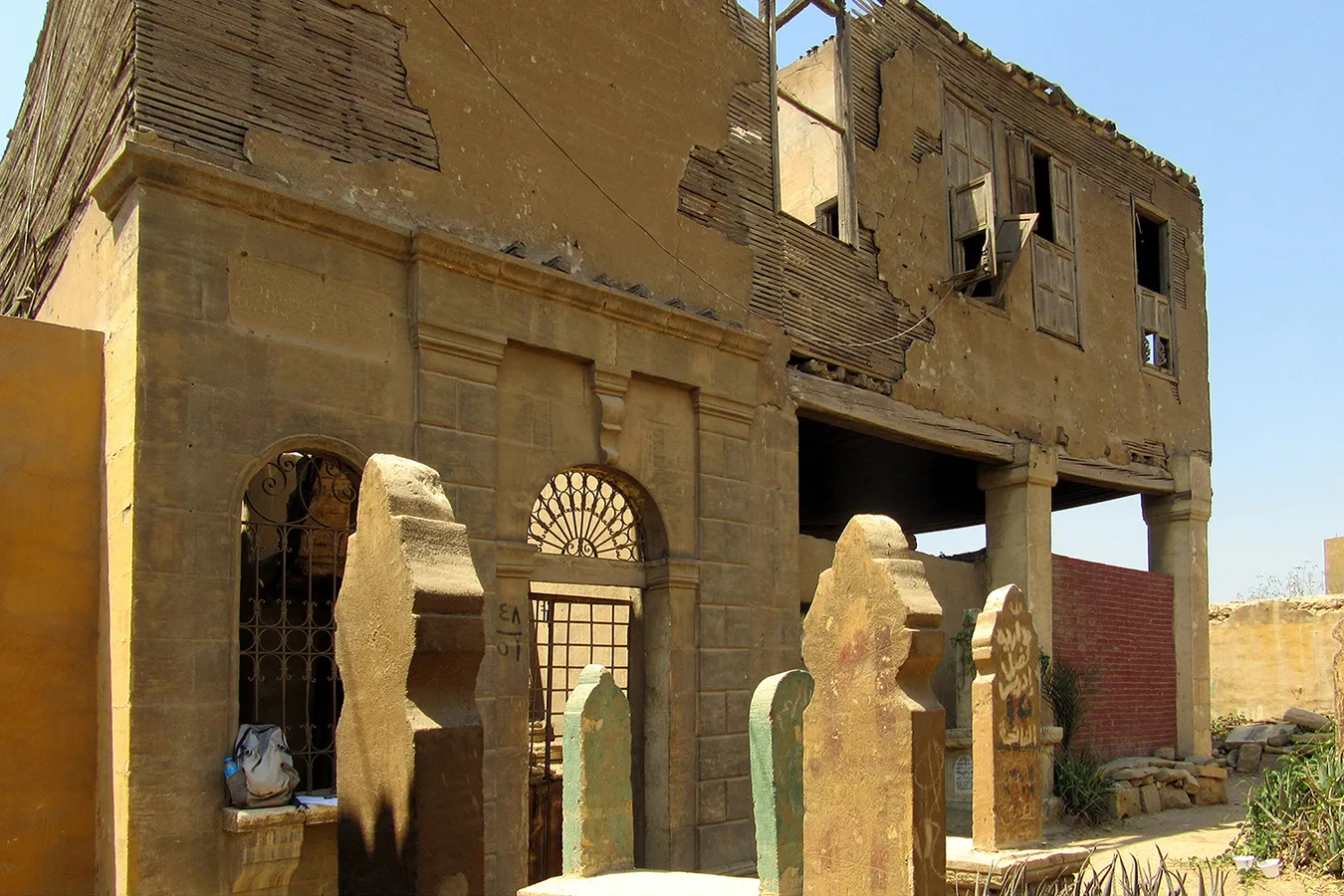
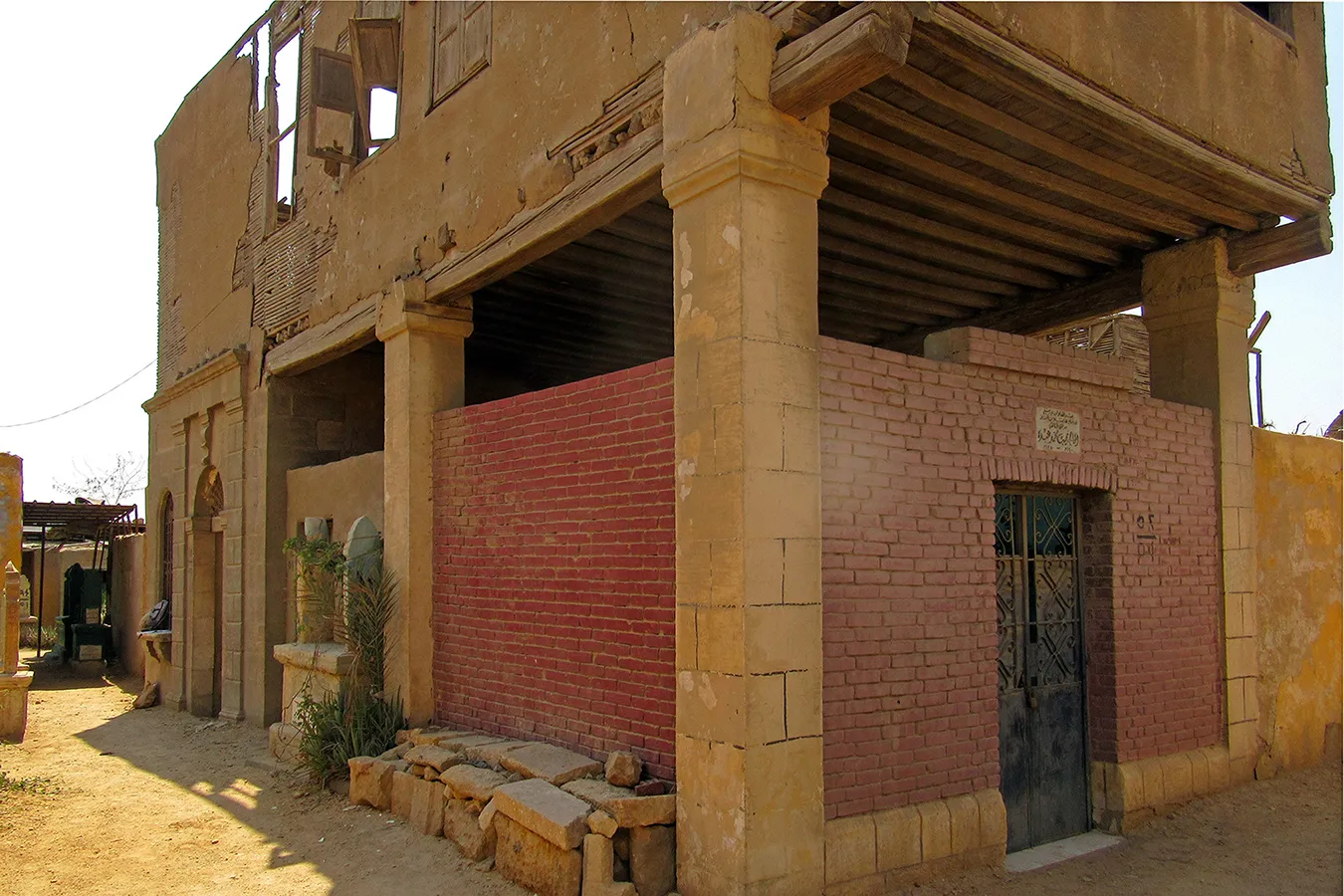
The rooms for visitors are elevated over an open-sided funerary courtyard.
Description (The direction towards Mecca (Qibla) is described as eastern and other directions are named accordingly)
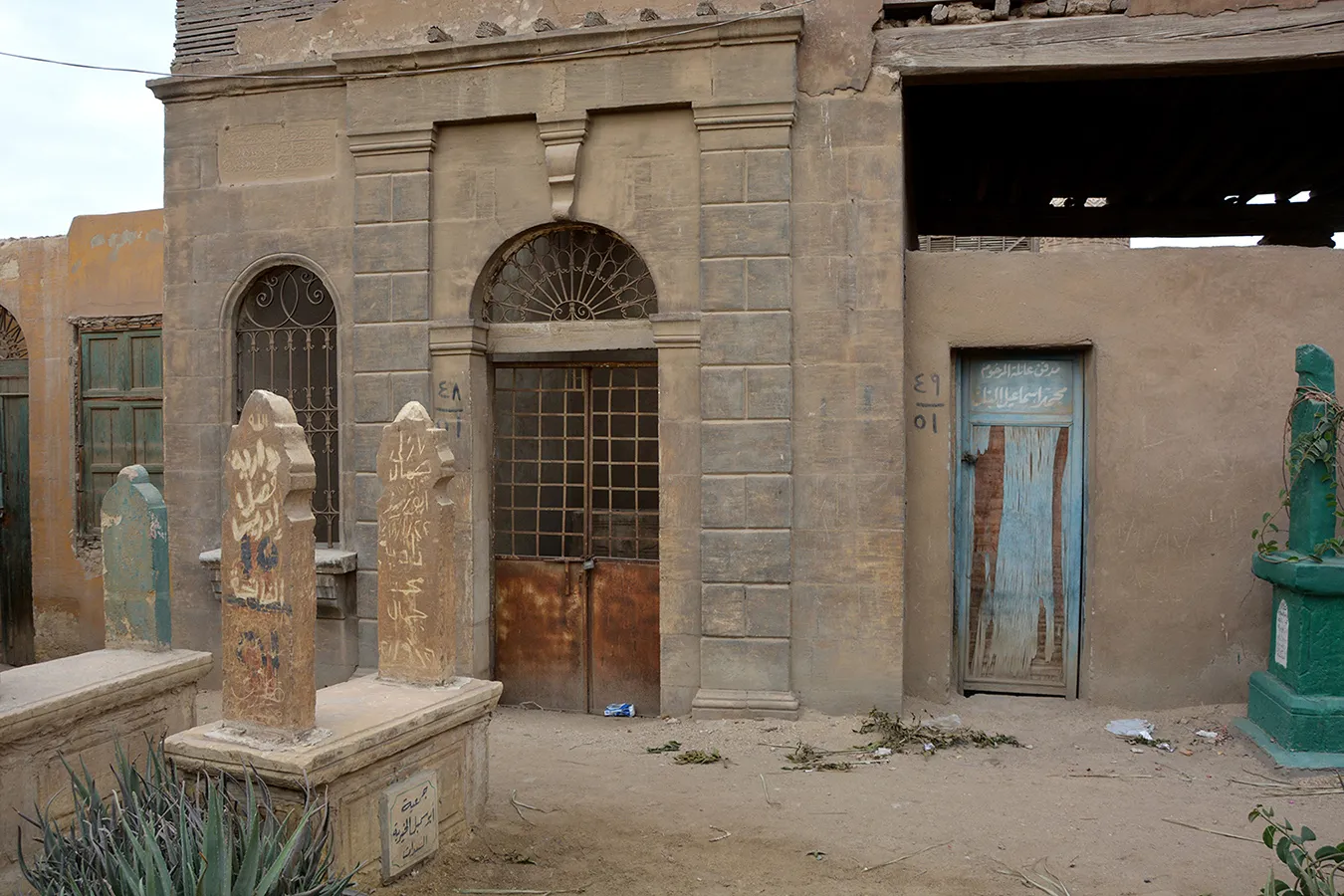
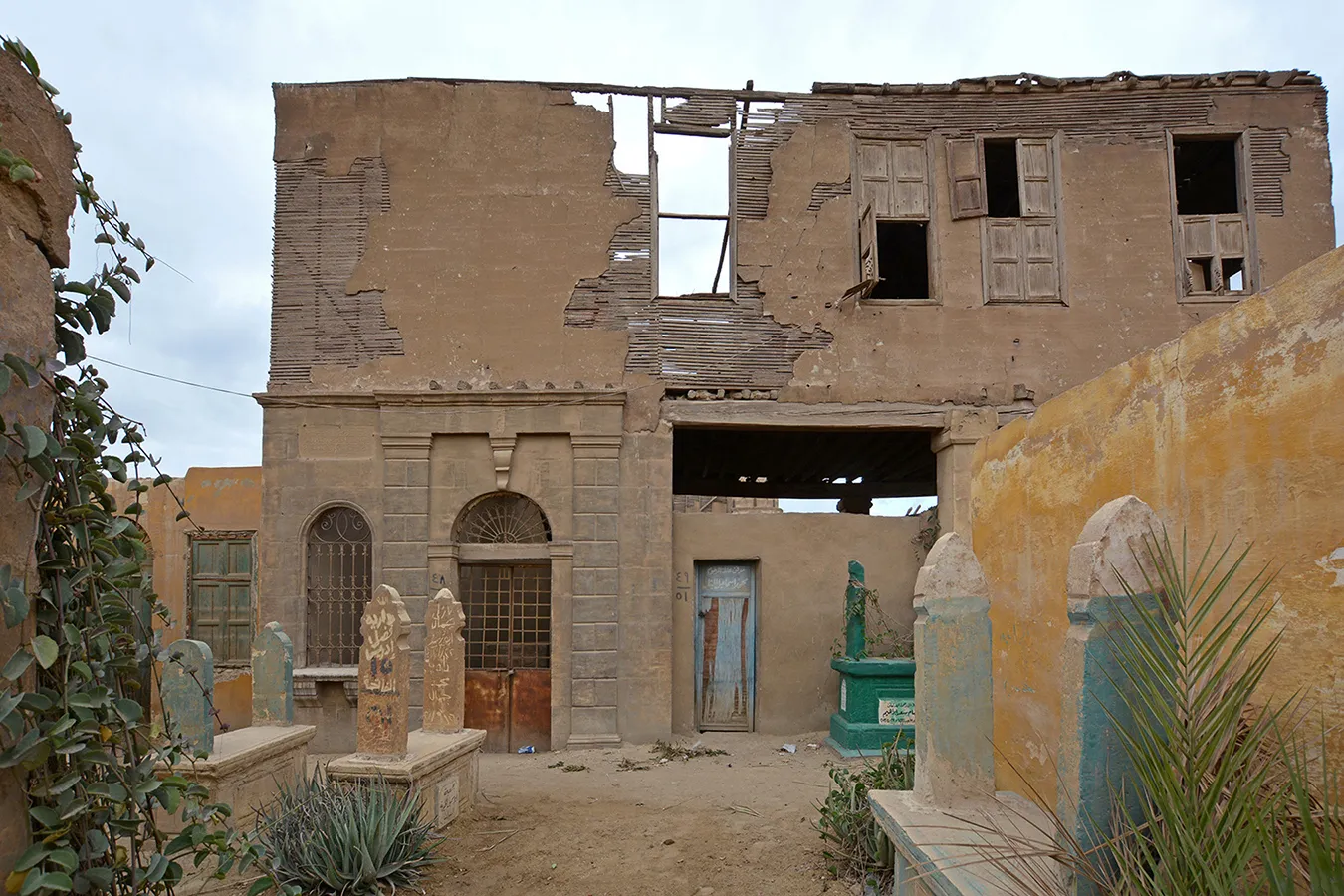
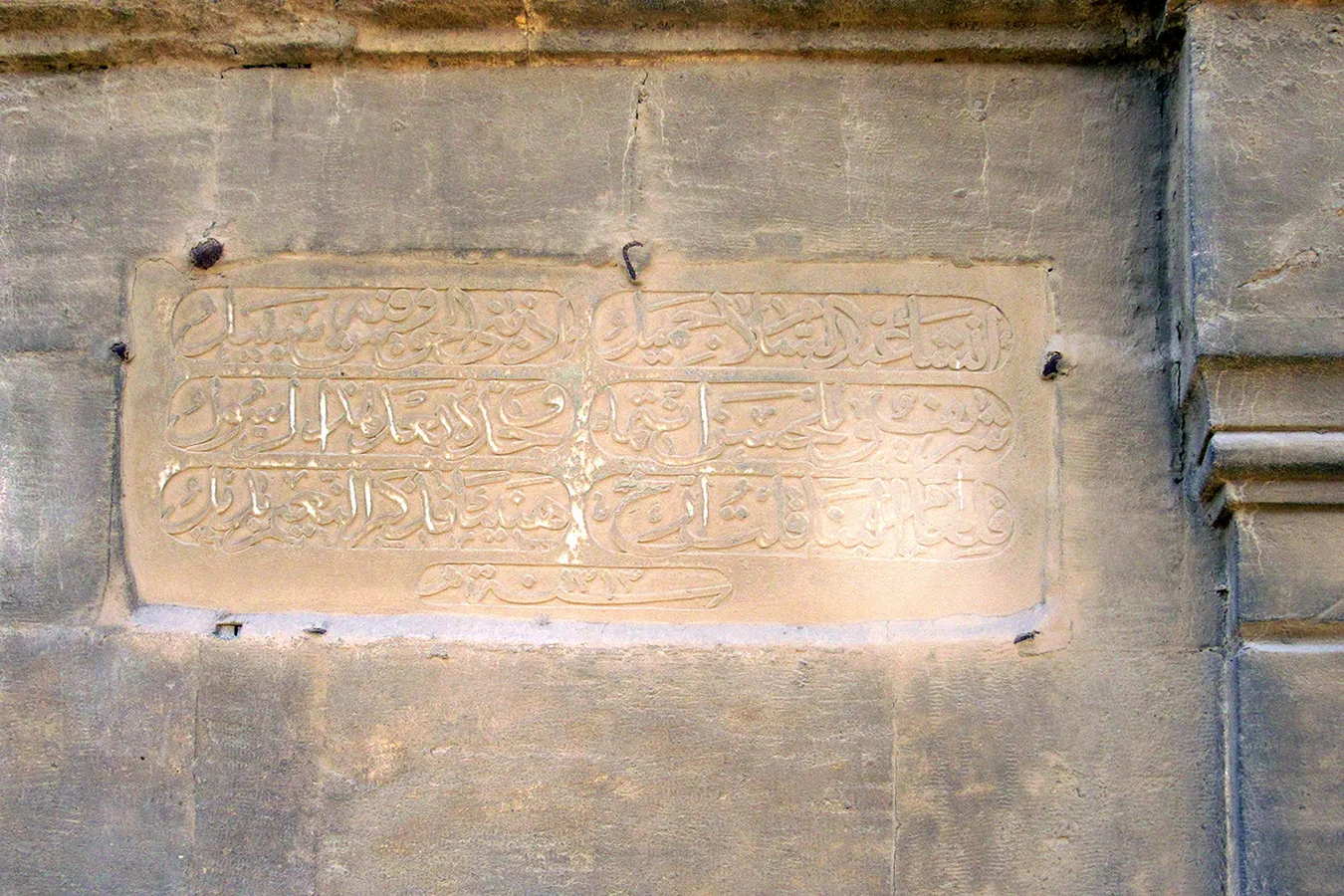
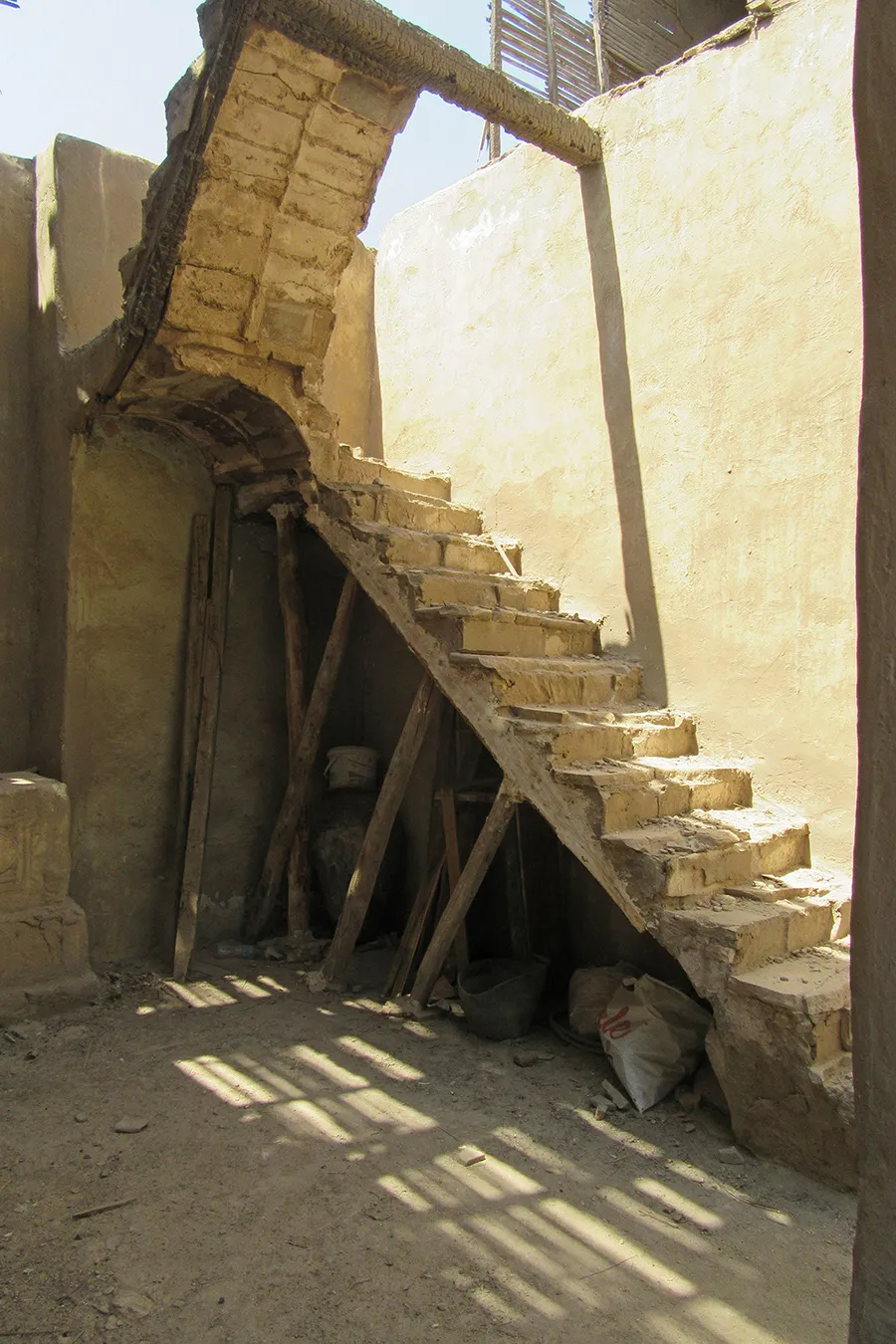
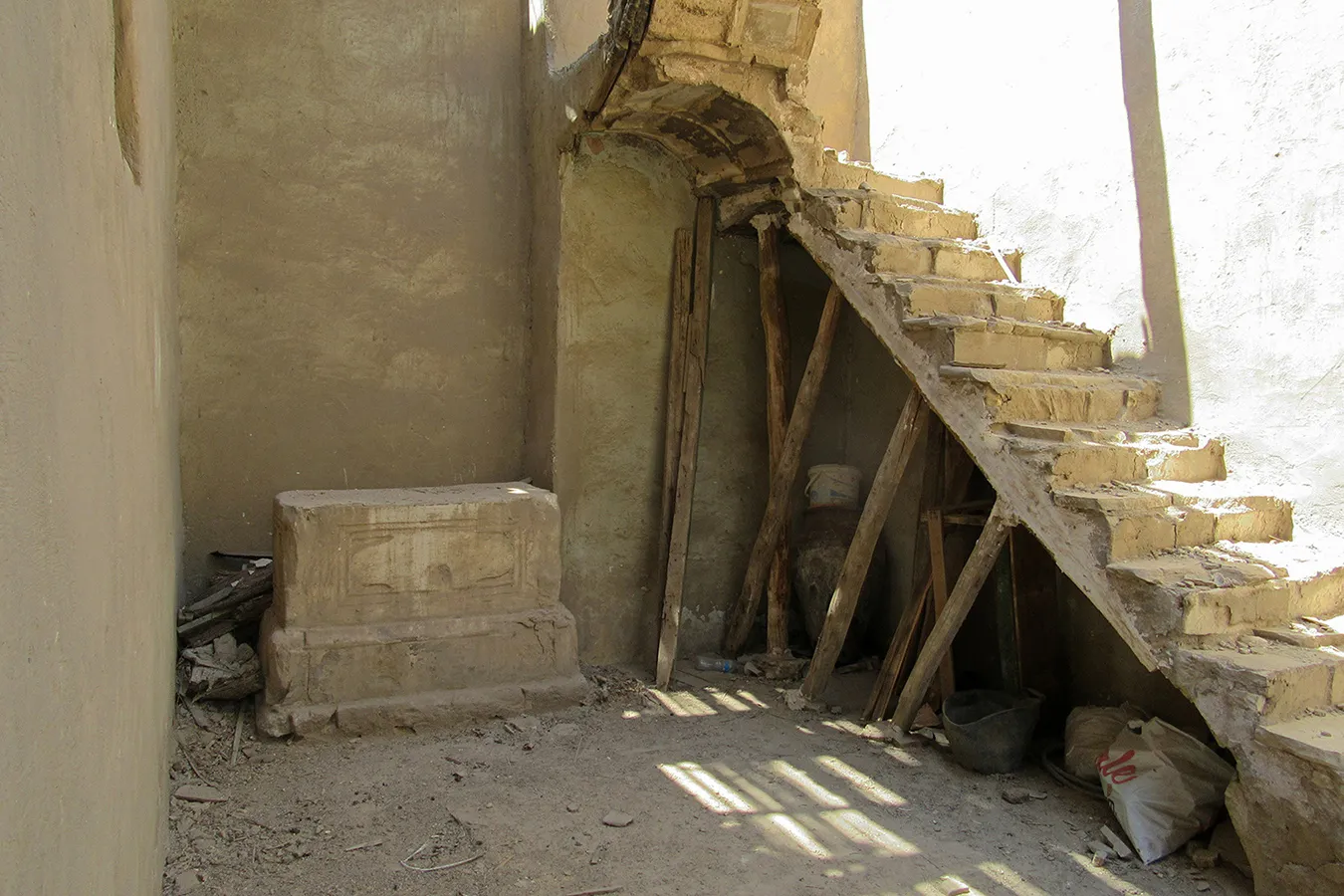
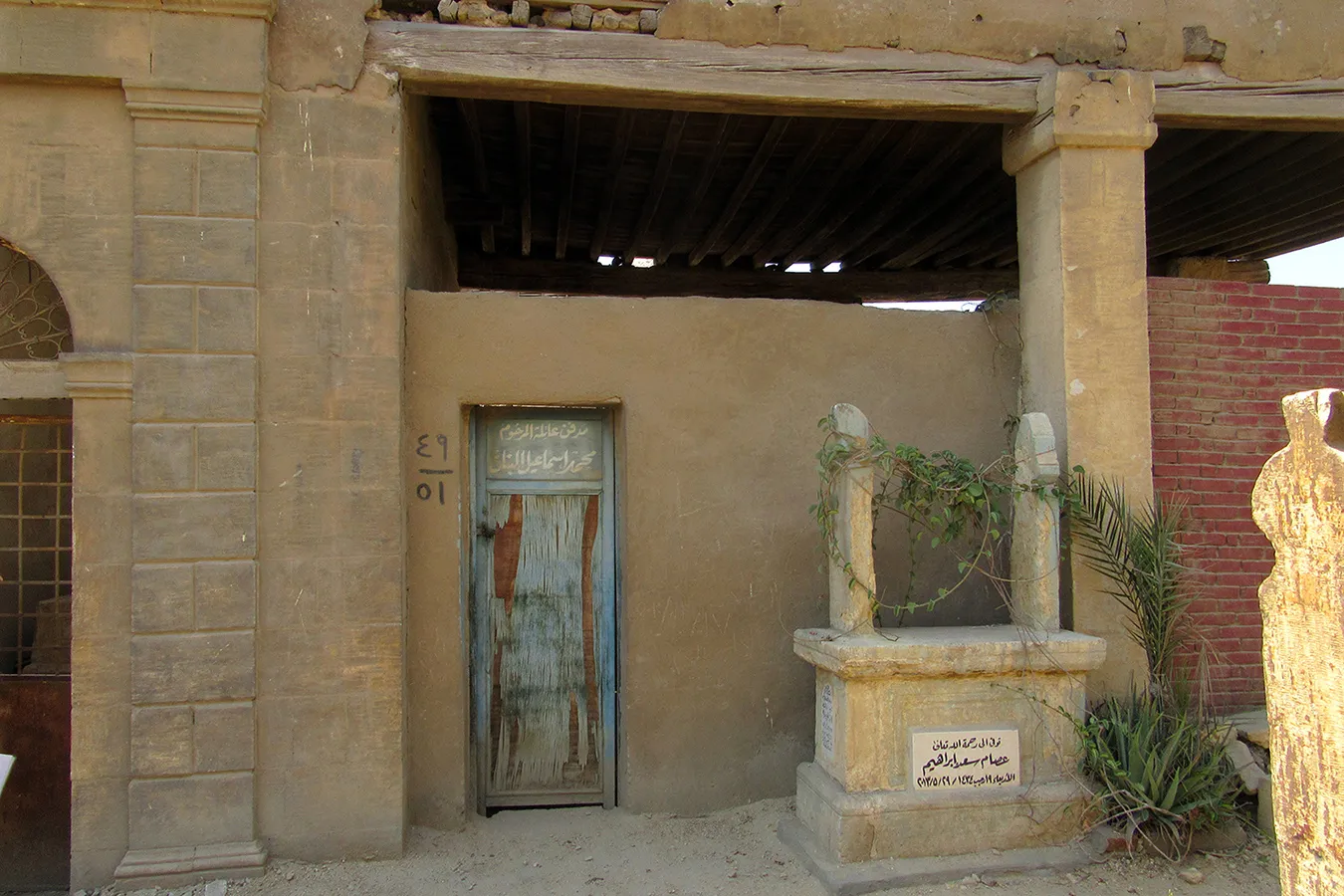
A two-storey structure measuring approximately 12 x 4.6 m in plan. Abuts on neighbouring enclosures from the southern and western sides. The ground floor was originally an open-sided funerary enclosure, over which a residential unit was elevated on square pillars of stonemasonry. The entrance is from the left (southern) side of the eastern elevation. It leads through a gate with the door topped by a semi-circular arch and framed in simple pilasters and simplified entablature to a staircase giving access to the upper floor. The stairs are of the construction that in Cairo dates back to at least Mamluk times: consisting of flat arches of thin limestone slab, over which a filling of lime mortar forms the steps that are lined with limestone slabs. The result is a monolithic unit that works like concrete. There is a simple limestone cenotaph in the staircase. To the south or the staircase is a room with a sabil window in the eastern elevation left of the gate, fitted with a simple decorative wrought-iron grille. A marble inscription panel in raised relief is set above the window. It includes the date 1313 AH. The calligraphic inscription are six stanzas of poetic verse.
The upper floor is carried on wooden beams. It is of lath-and-plaster construction. There are four huge rectangular windows on the eastern side and three on the northern side. There were originally wooden bay window-like projections with ornamental cut-outs to the sides in the lower parts of the window shutters, only scant remnants of these are preserved.
Condition of preservation
The building is in ruinous condition. It is partly roofless. The lath-and-plaster upper floor walls are severely damaged, with much of the plaster missing. Much of the southern upper floor wall is entirely missing. The woodwork of the upper storey windows is severely damaged and largely missing. The stairs are in critical structural condition, supported with emergency shoring. Only the stonemasonry of the ground floor walls is in sound condition.
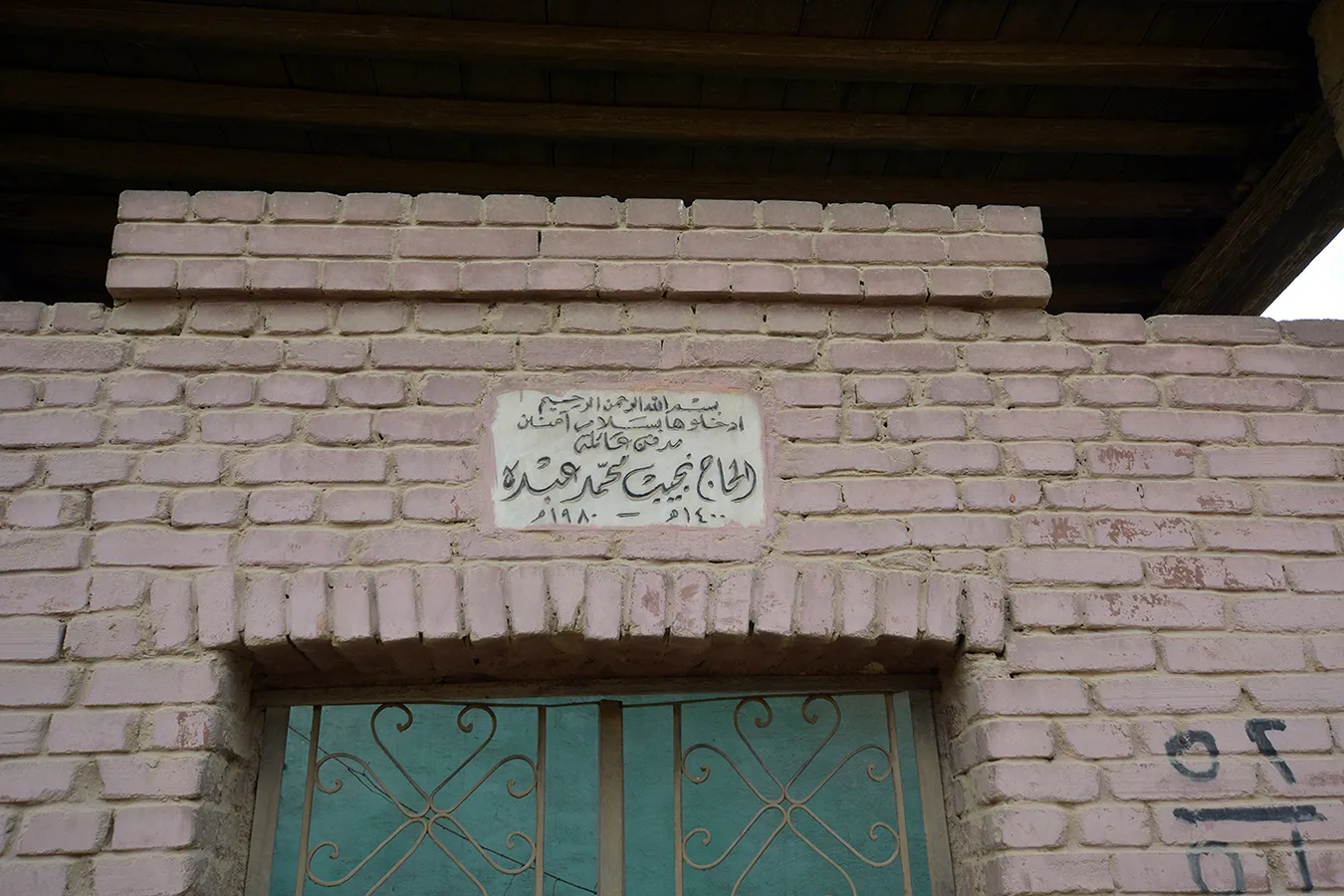
The burial ground on the ground level has been walled up with brick walls (some from 1400/1980) and divided into two sections used by different families.
Information abut the founder, family history, etc.
The date 1313 AH in the inscription over the sabil window corresponds to AD 1895.
- Field recording by
- Amr Abotawila and Radwa Abu Senna
- Date recorded
- August 11, 2022
- Data entered by
- Hania Abdelmeguid
- Date entered
- May 8, 2024