
Unit No89
Fatma Hasan Wasif (assumed)
|
Coordinates of the main entrance |
30.039461N - 31.26897E |
|
Attribution |
Fatma Hasan Wasif (assumed) |
|
Higri (AH)Dates as given in the Inscription |
|
|
Miladi (AD)Dates as given in the Inscription |
|
|
Inscription Contemporary with the building? |
Yes |
|
Multiple date(s) In the inscription? |
Yes |
|
Assumed Date |
Early 20th century |
|
Based on |
based on stylistic features and building techniques |
|
Original Use |
Funerary enclosure |
|
Current Use |
Funerary enclosure, residential and commercial |
|
Overall condition |
Poor |
Features of unit 89
| Present | Count | Material | Comments (see description for details) | |
|---|---|---|---|---|
| Free standing structure | No | |||
| Walled enclosure | Yes | 1 | stone | Divided into two courtyards |
| Rooms by the perimeter wall | Yes | 4 | stone/wood | |
| Freestanding structure(s) in enclousure | No | |||
| Dome over the tomb chamber | No | |||
| Neo-Mamluk architectural decoration | Yes | |||
| Garden layout | No | Greenery in enclosure, no formal layout | ||
| Sabil(s) | No | |||
| Wall fountain(s) | No | |||
| Canopy on columns / pillars | No | |||
| Carved marble cenotaph(s) | No | Interior inaccessible | ||
| Decorated limestone tomb-markers | No | Interior inaccessible | ||
| Decorated gateway | Yes | 1 | stone | + one apparently unfinished |
| Decorative door-leaves | No | Interior inaccessible | ||
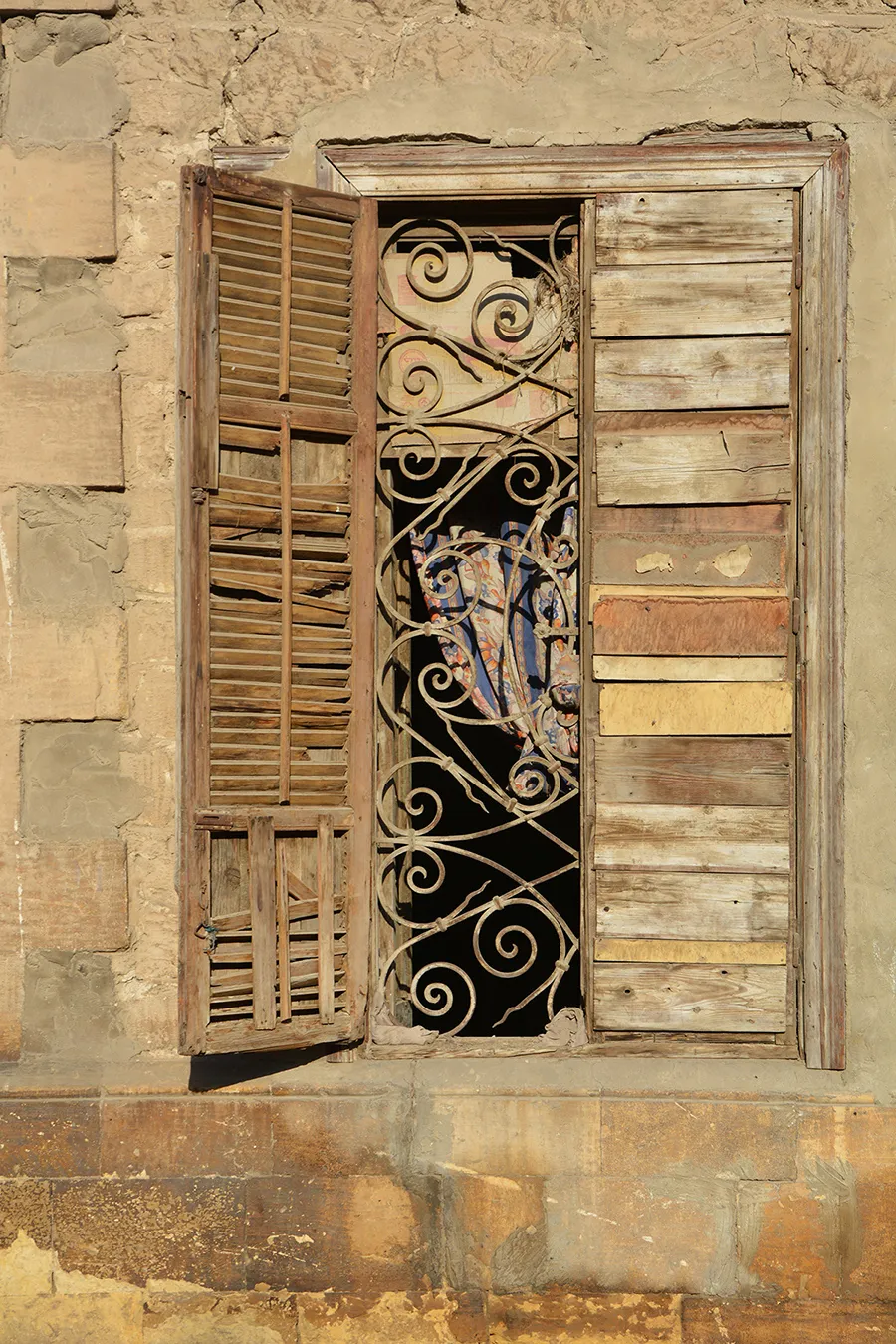
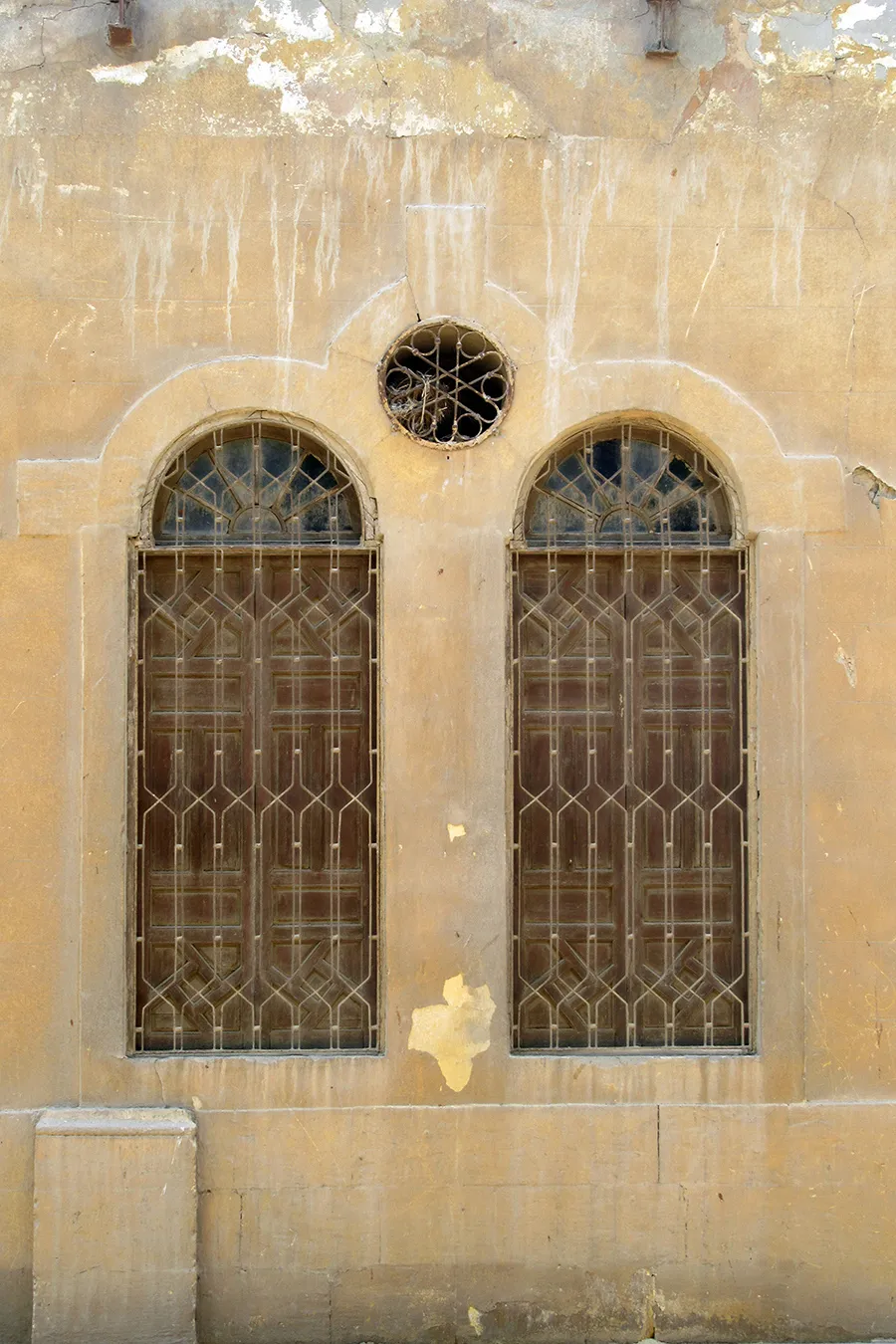
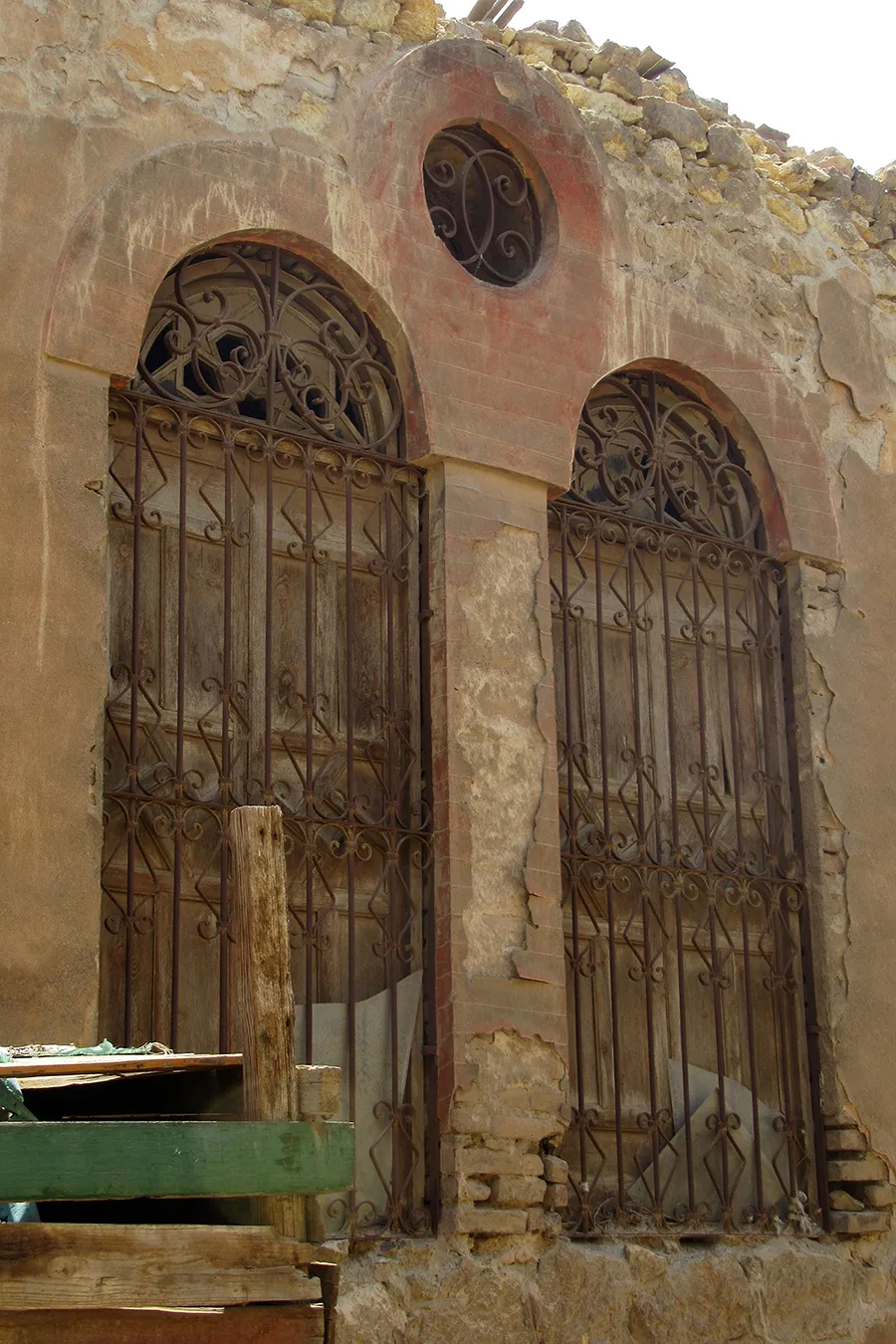
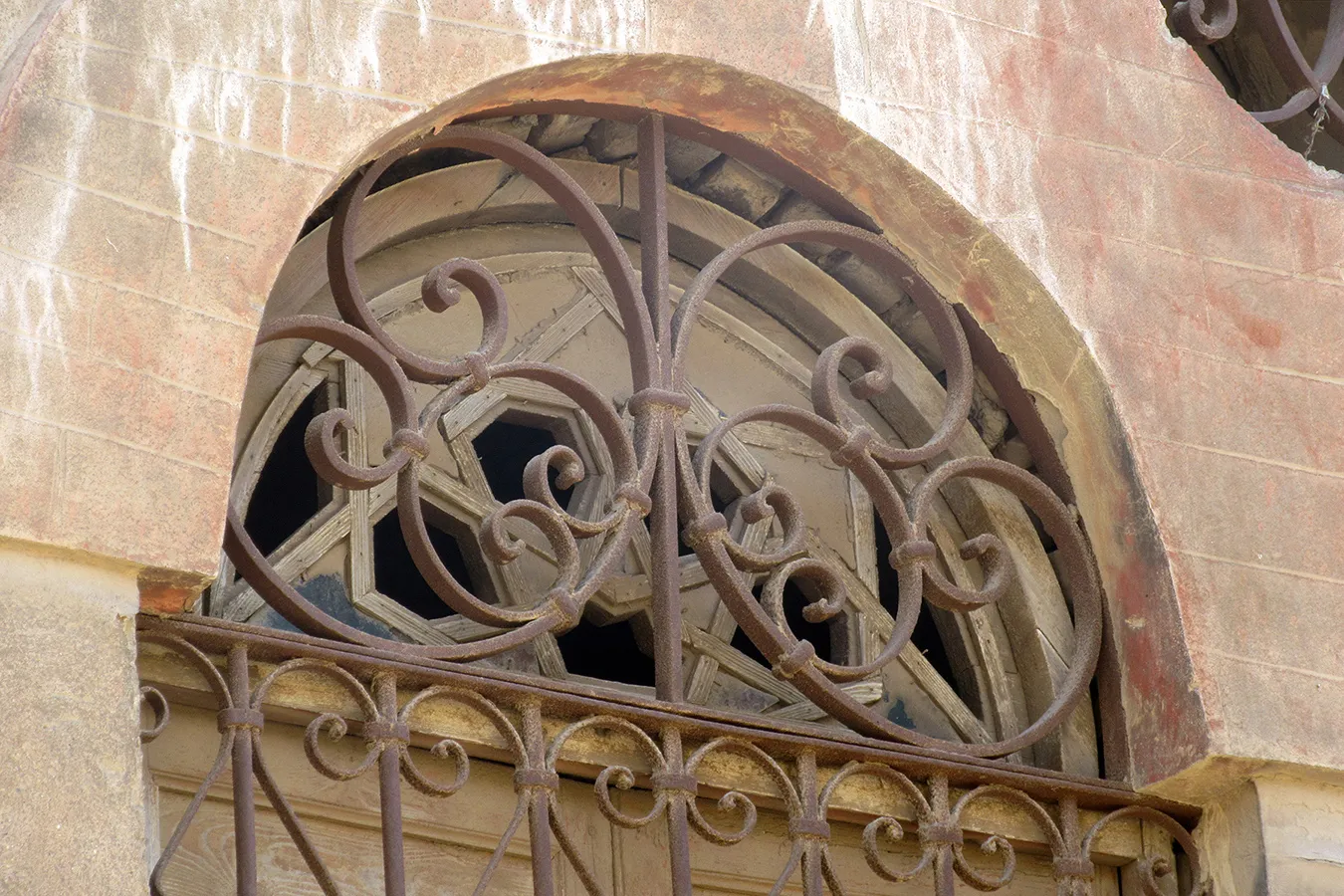
| Decorative window grilles | Yes | wrought iron | Unknown number preserved | |
| Decorative shutters | Yes | wood | Unknown number preserved | |
| Painted ceiling(s) | No | Interior inaccessible | ||
| Decorative paving(s) | No | Interior inaccessible |
Description (The direction towards Mecca (Qibla) is described as eastern and other directions are named accordingly)
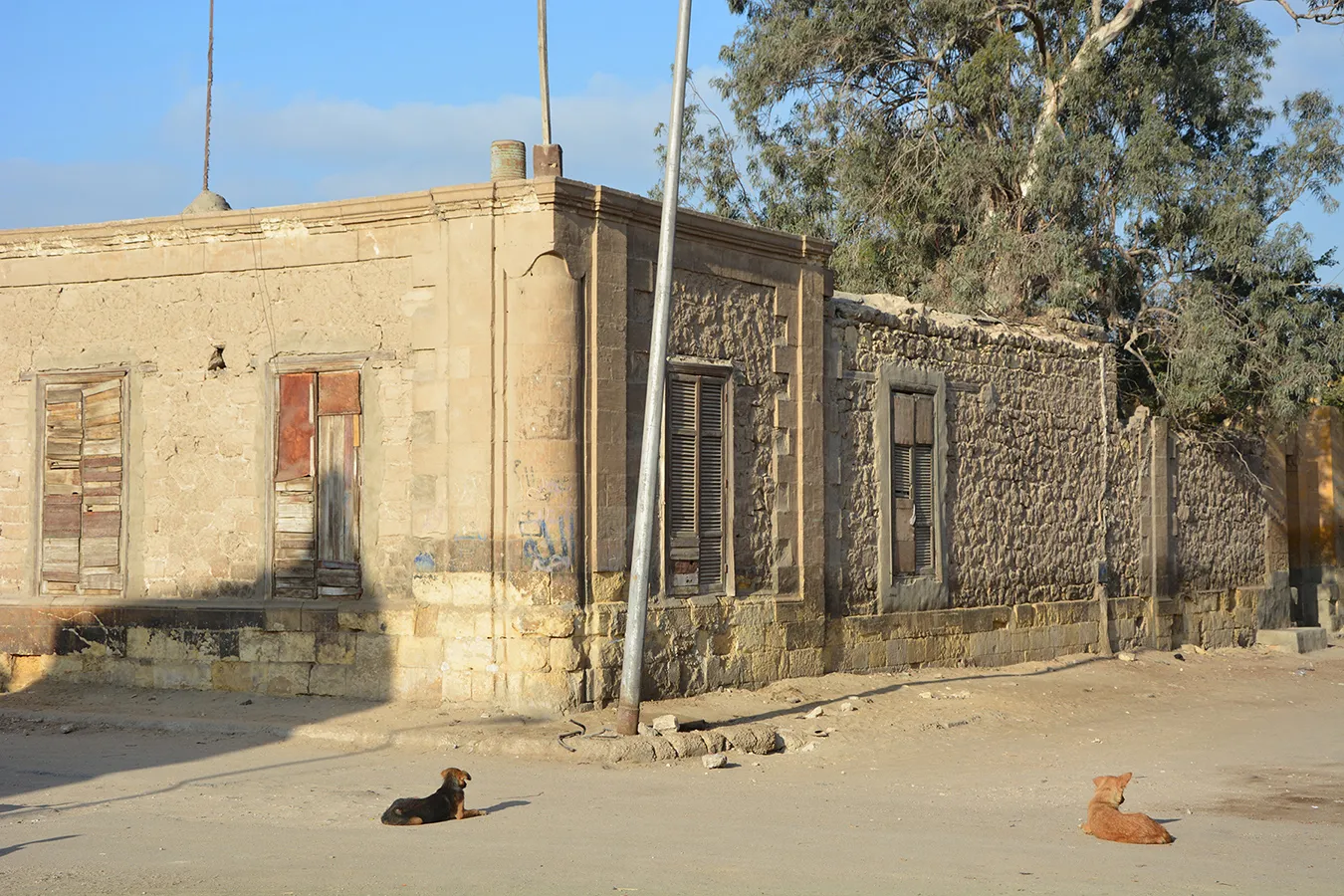
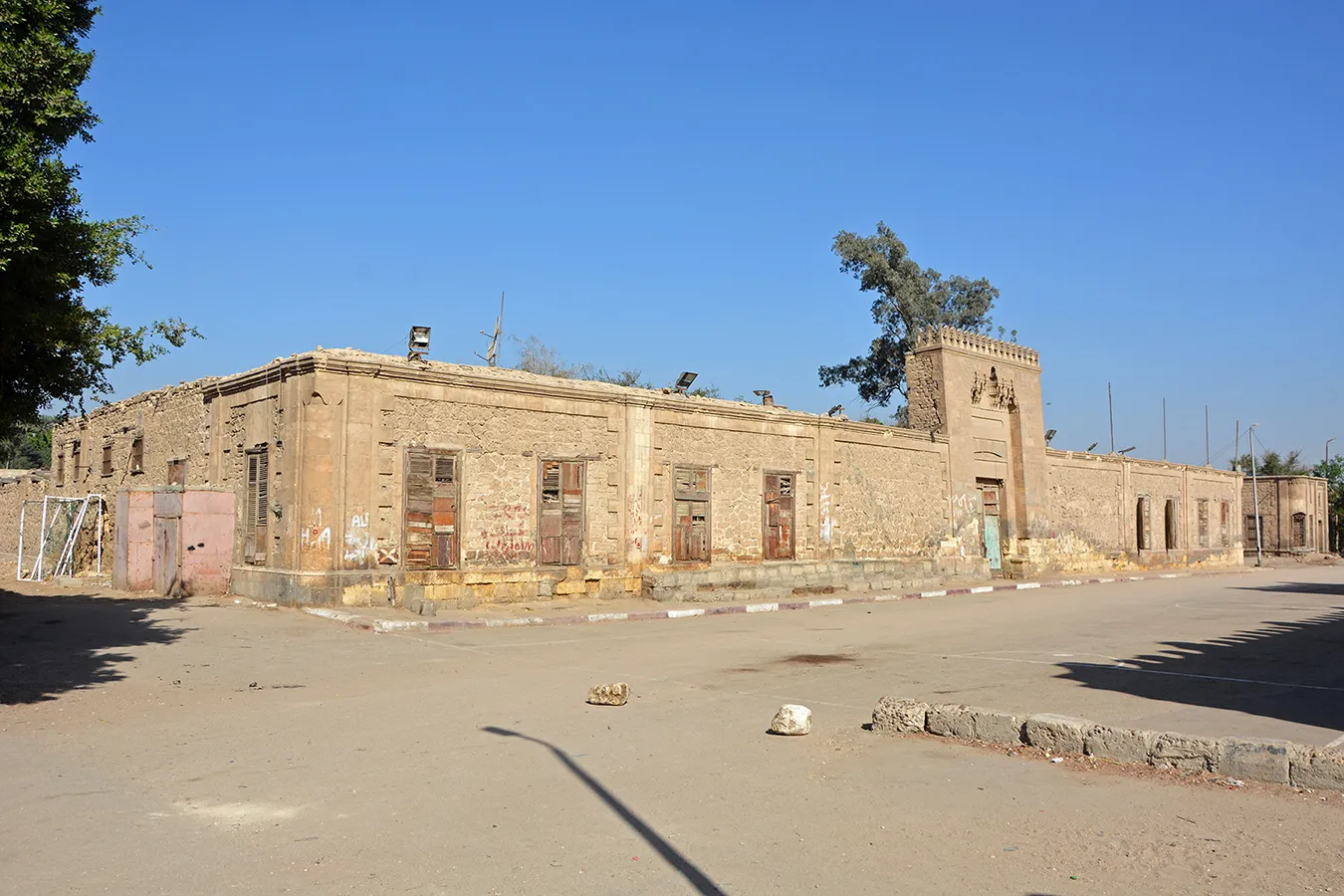
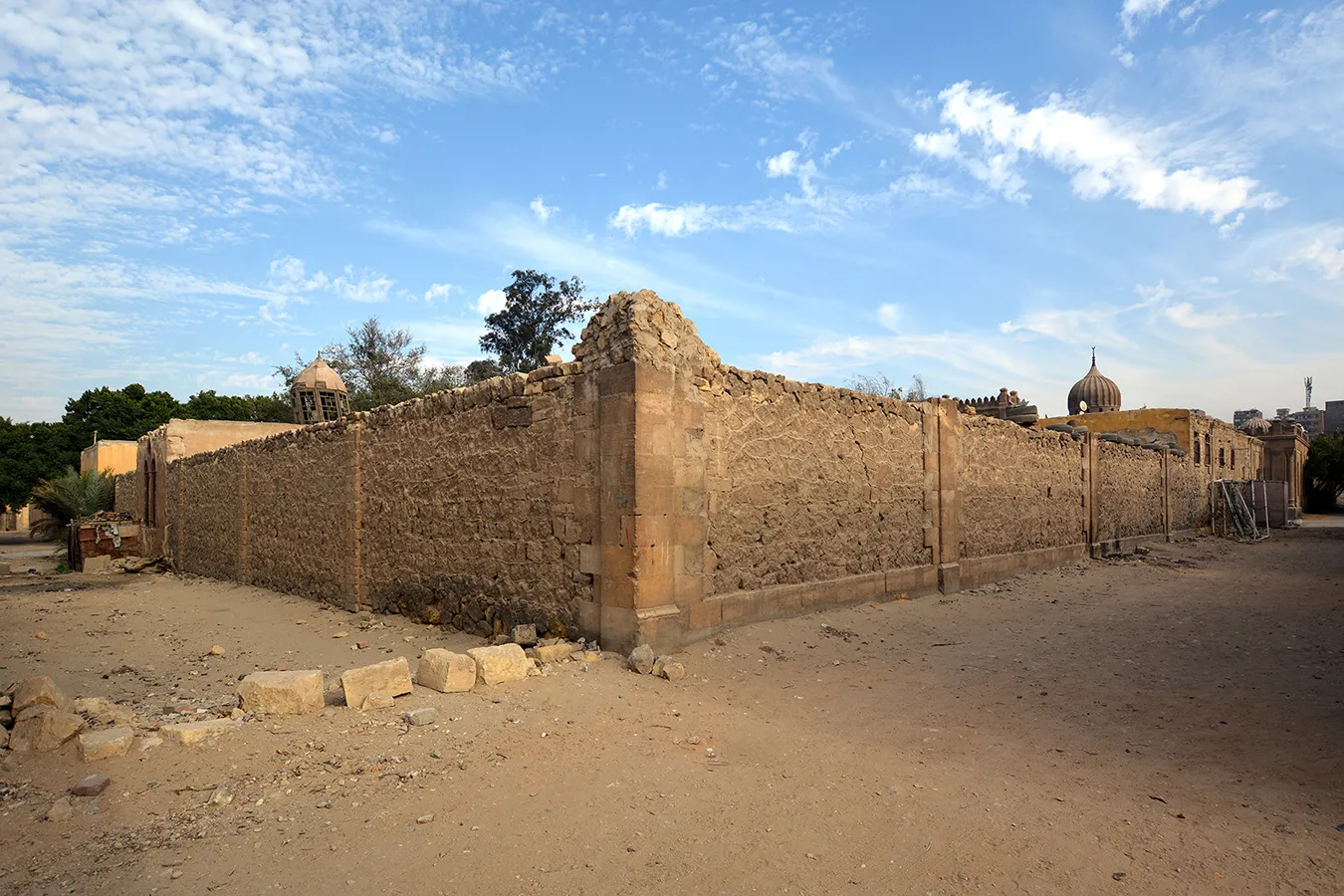
The funerary enclosure on a large rectangular square lot measuring approximately 46 x 51, bordering on regularly laid out streets on all four sides (the one to the west is a narrow back alley. It is located across the widening of Sultan Ahmad Street from the lot of about the same size that is occupied by the funerary enclosure of Ibrahim Pasha Halim (No 51 in this record.) Bothe were evidently among the most prestigious locations available at the cemetery.
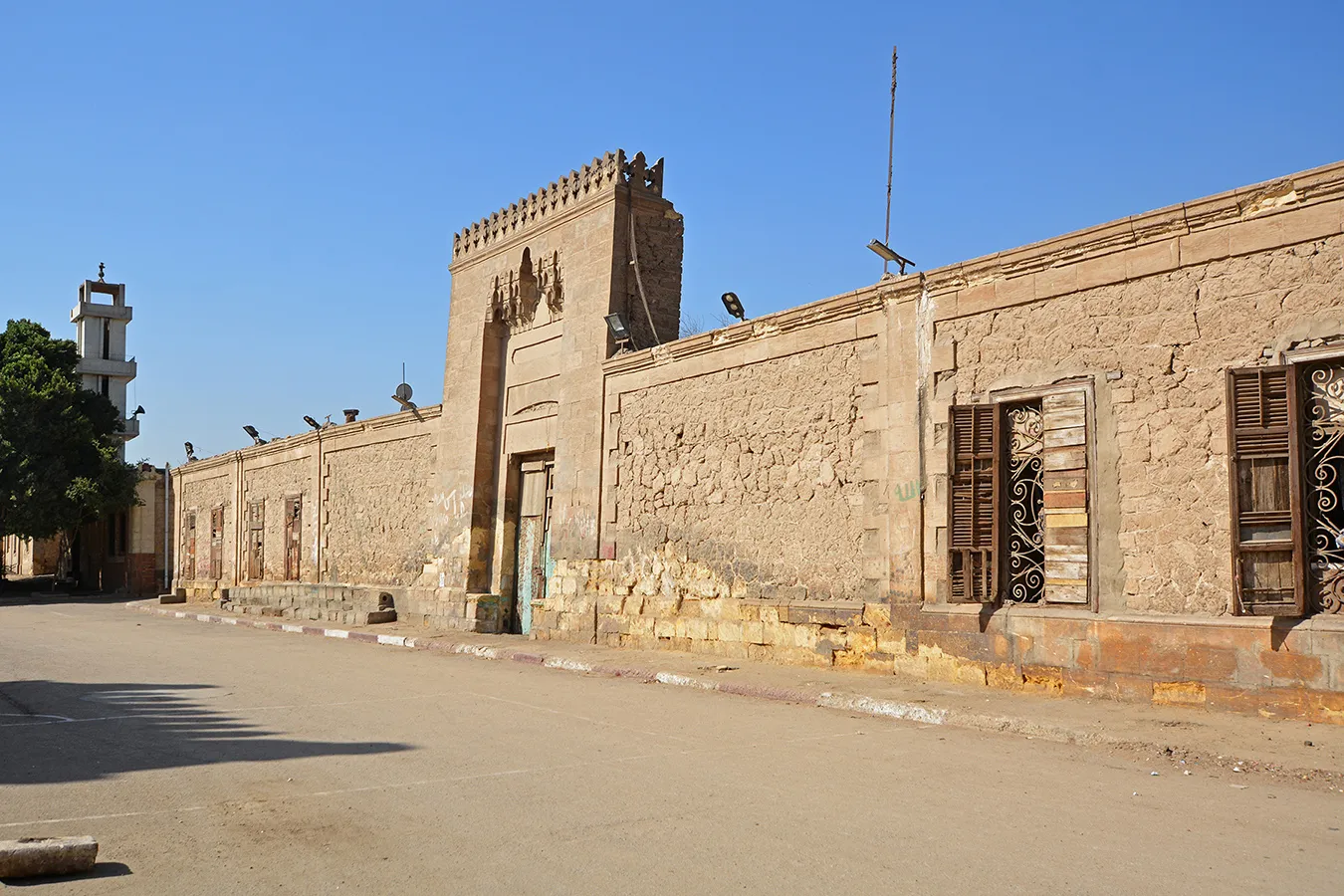
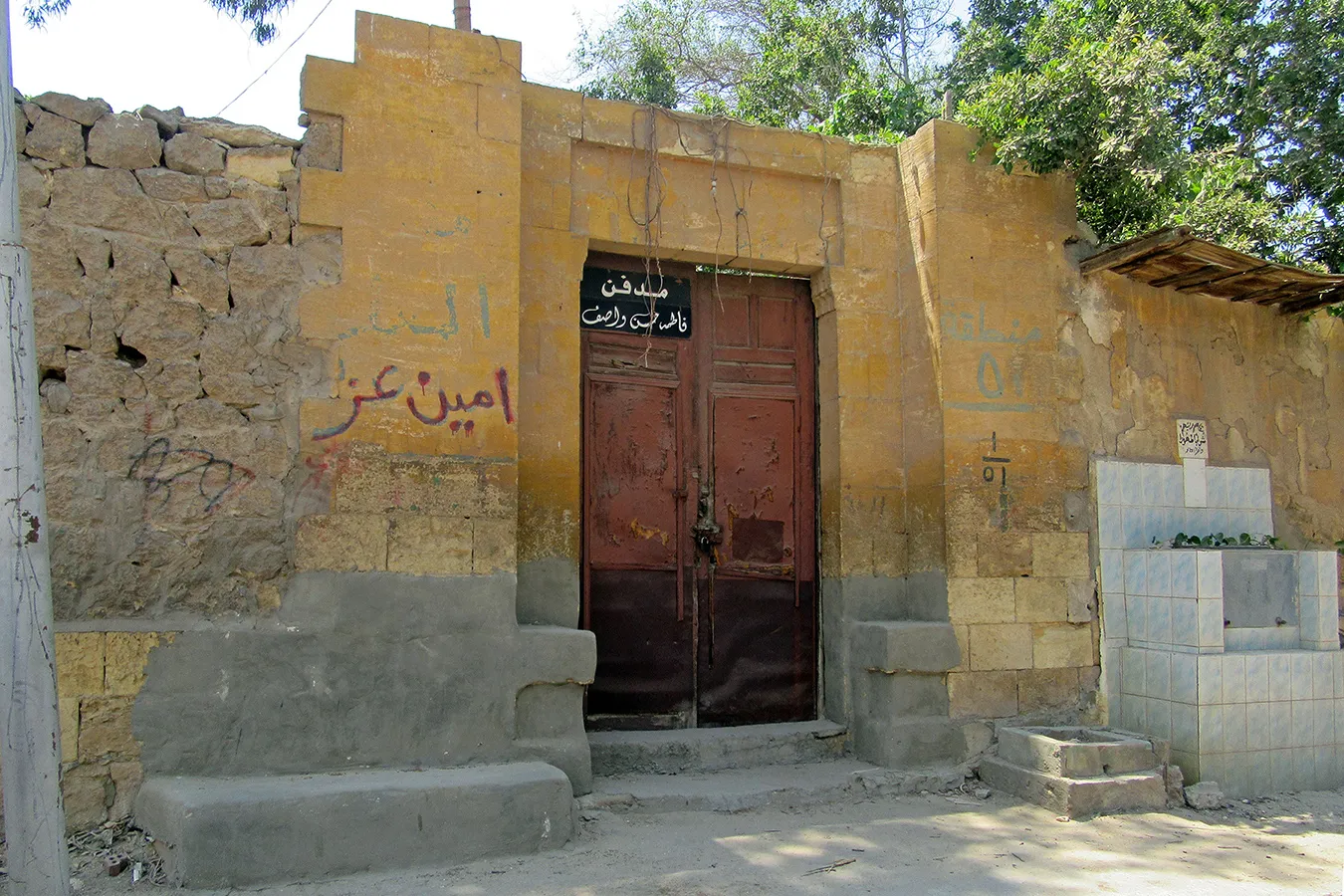
The enclosure is entered through a monumental portal in the middle of the eastern façade and features single-storey buildings in the north-eastern and south-eastern corners. The enclosure is subdivided into a larger southern part and a narrower northern part by a wall with a gate in it. Each of the divisions includes a similar single-storey building (apparently, a tomb chamber) in its north-western corner.
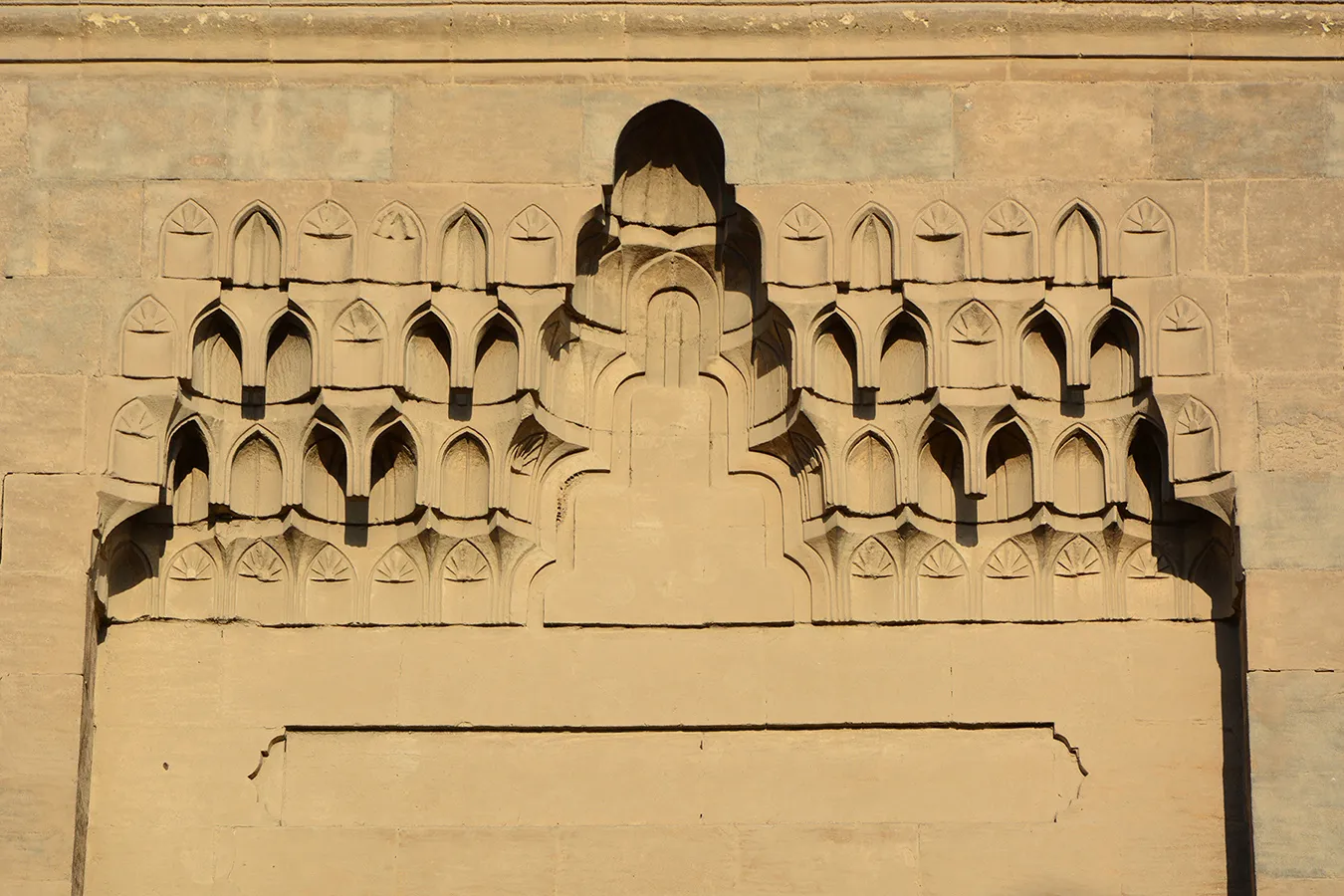
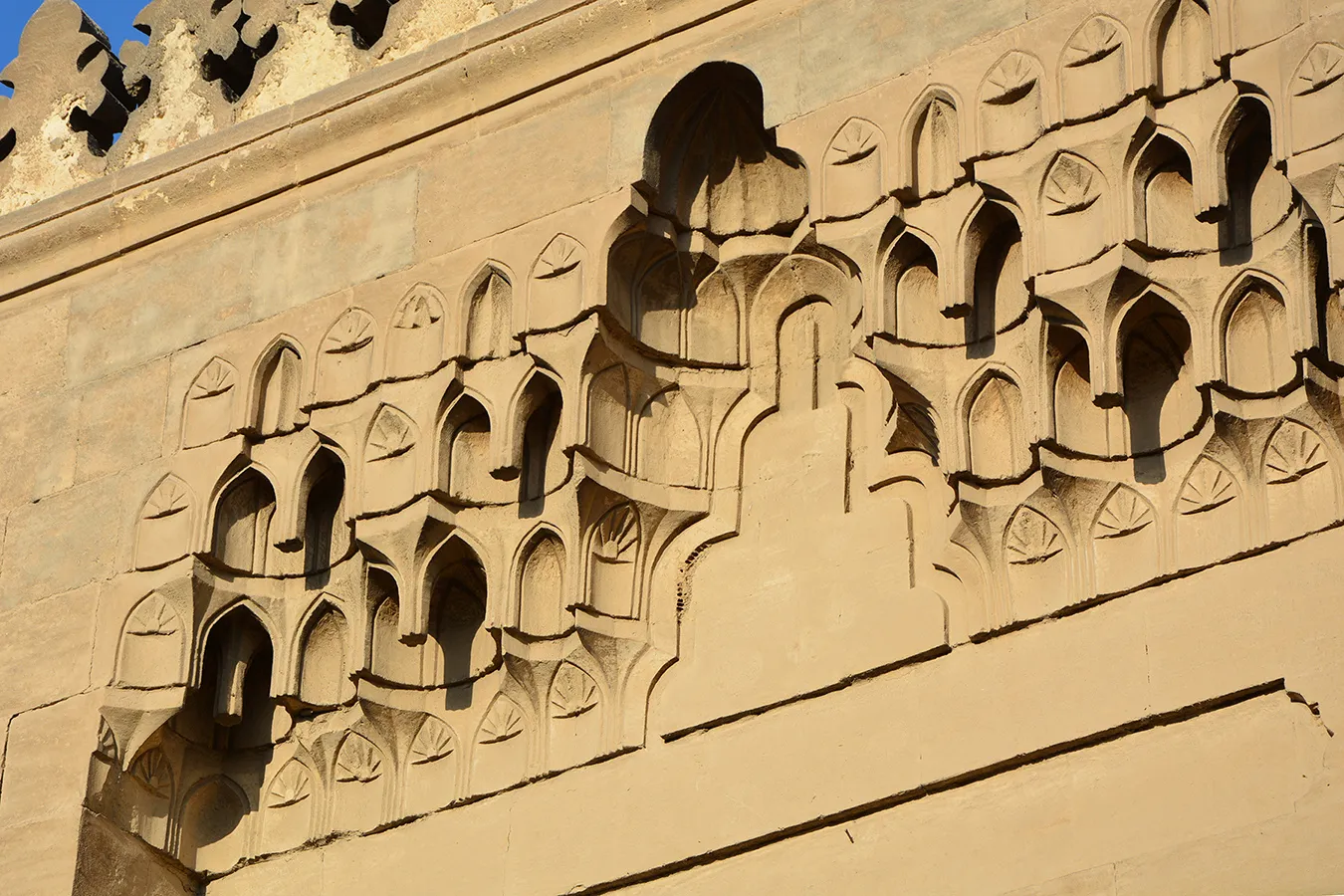
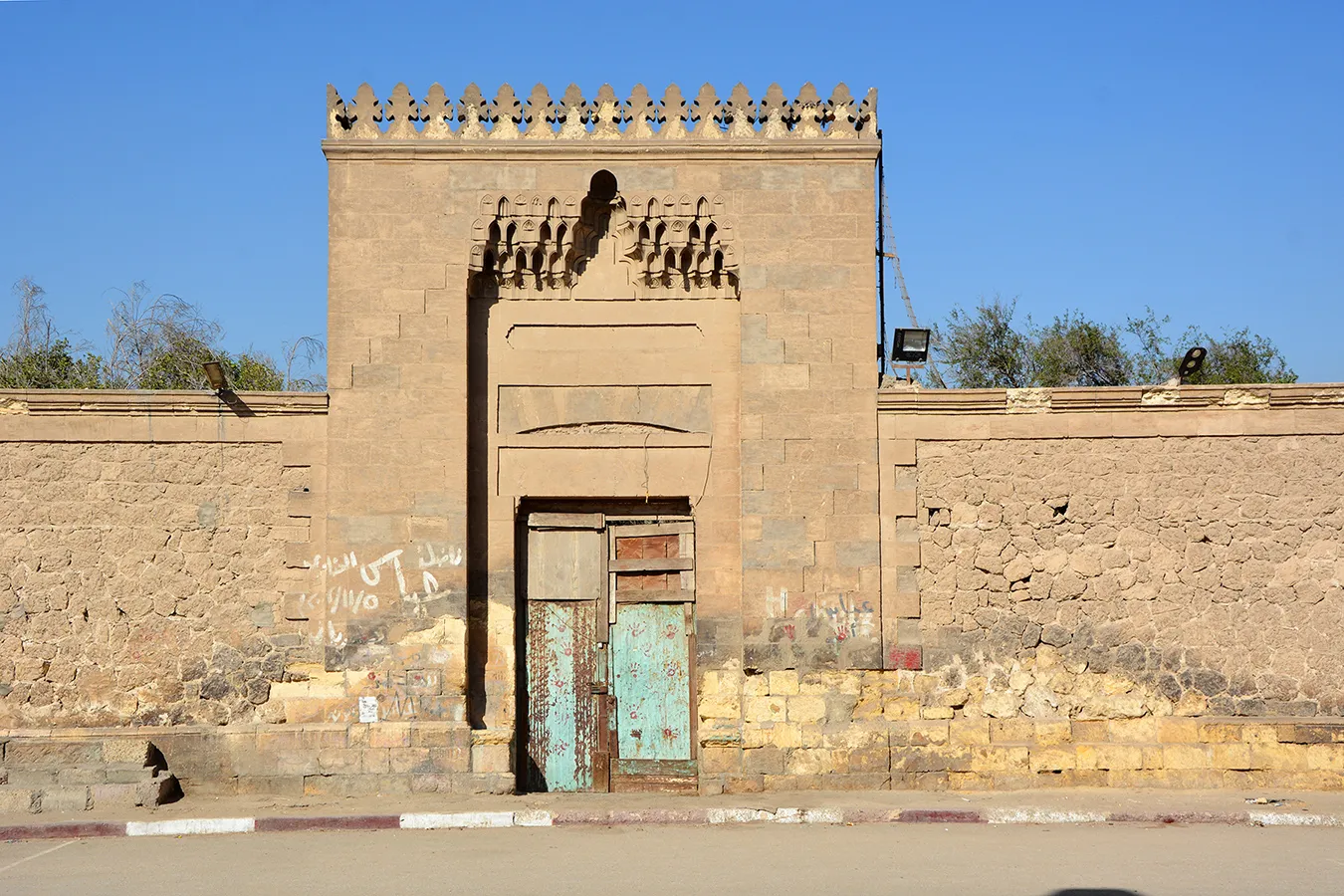
The main entrance is a massive neo-Mamluk portal forming a tall pishtaq in the front façade. The entrance portal recesses in the eastern wall of the tomb chamber in the northern courtyard is also topped with a muqarnas frieze. Otherwise, there are no Islamic elements in the external architectural decoration.
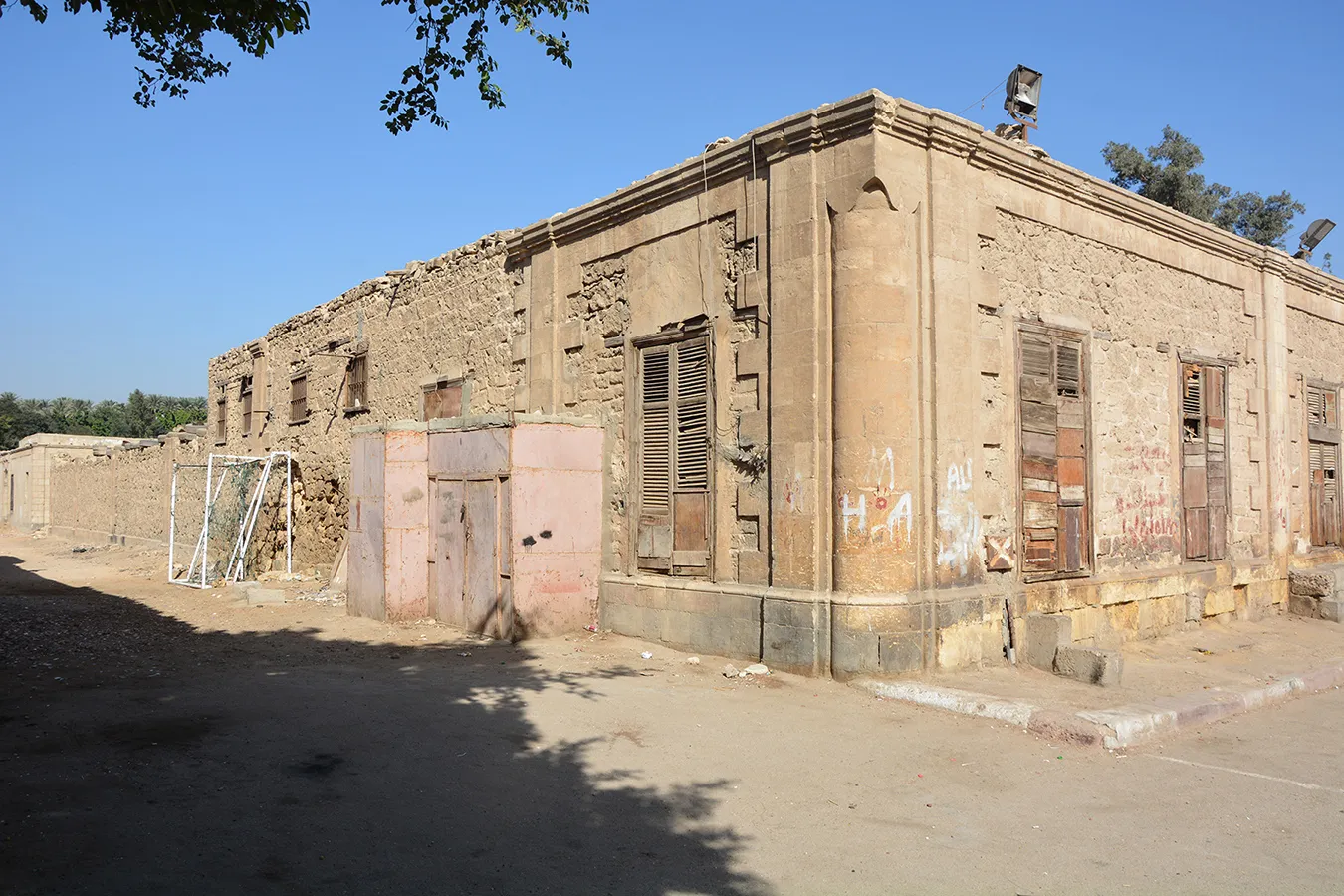
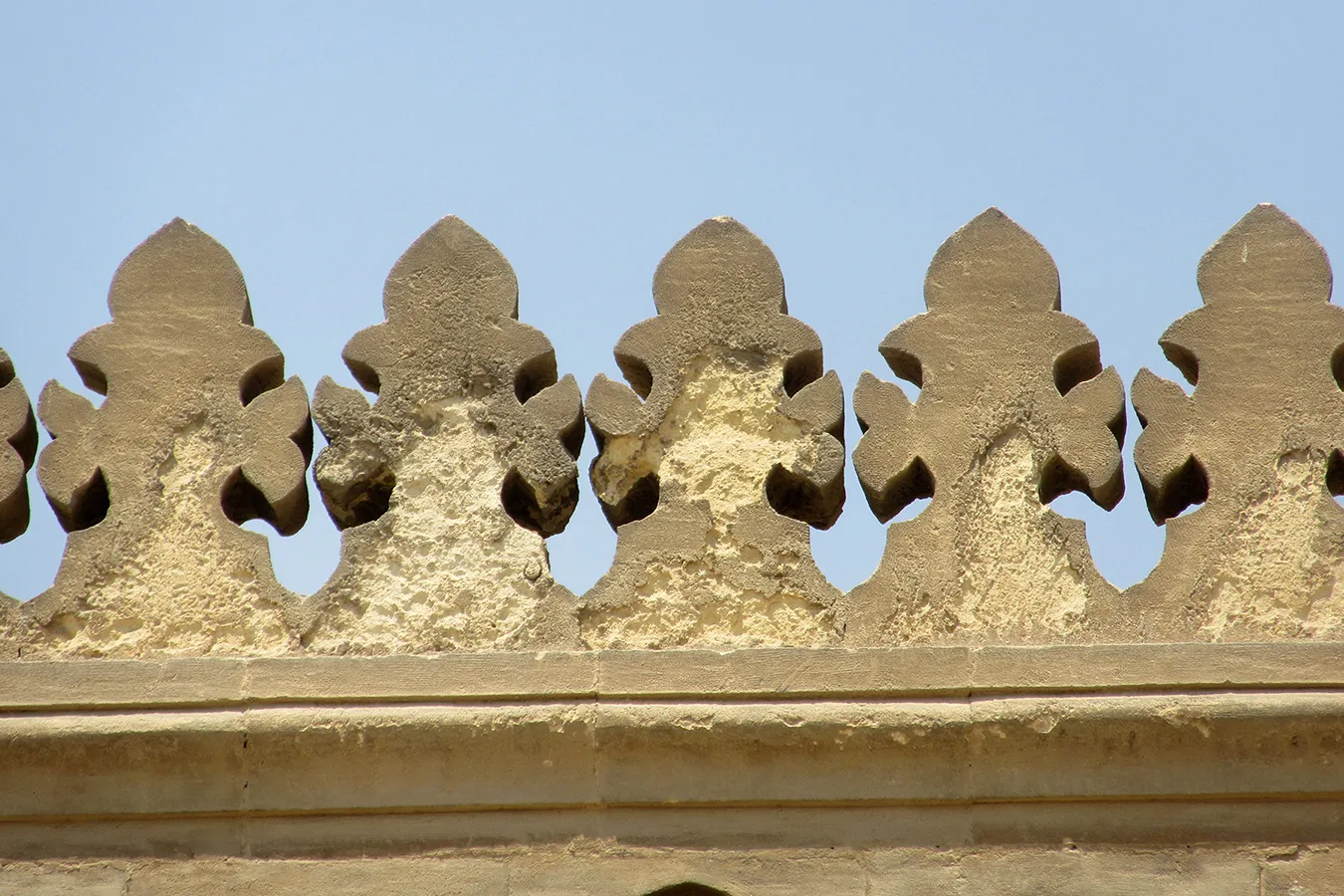
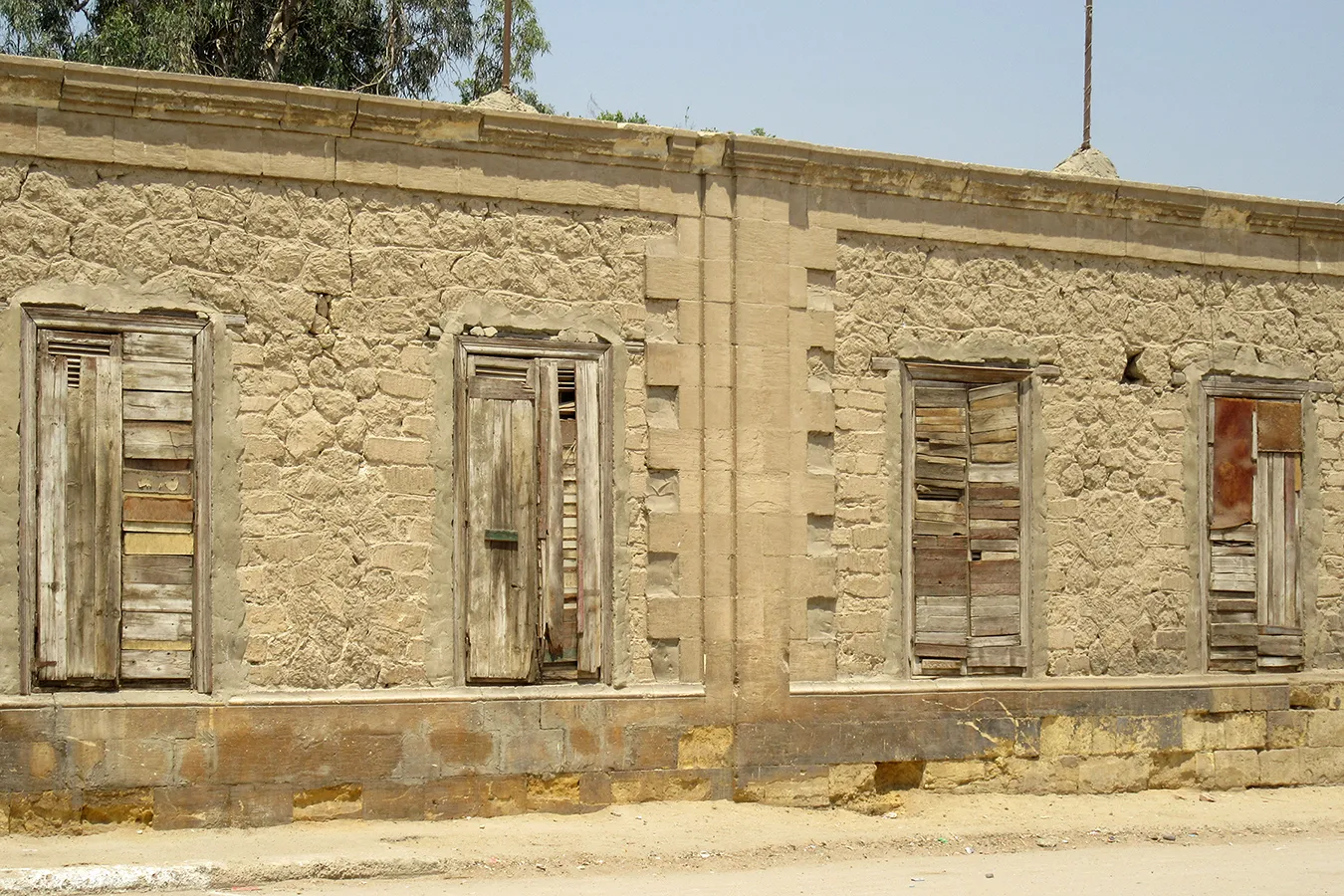
The entrance portal is set in a recess in the block of ashlar stone masonry topped with stone fleur-de-lys crenellations in Late Mamluk style. The recess is covered with a very elaborate muqarnas hood featuring a five-tiered central niche and “stalactite” forms of muqarnases. The huge rectangular entrance door is covered with lintel formed by a flat arch of elaborately goggled vuossoirs, with a segmental relieving arch above. They are plain, without moulded framing. Above, there is a recess similar to Mamluk-period placements for an inscription panels, but it is empty. There are Mamluk-style gals benches to the sides of the door.The door leaves are shabby modern replacements. The front (eastern) façade is strictly symmetrical. On both sides of the portal, each section is divided into tree bays divided by flat projecting pilasters with no capitals and immediately adjacent strips built of ashlar stone masonry, and framed with three base courses and a top course with a cornice also built of ashlar stone, with the rest of the wall built in exposed and pointed rough stones. In the corners are squat engaged corner-columns. The bays nest to the portal have no openings; in each of the outer bays are two large plain rectangular windows with decorative grilles of wrought iron and fitted with simple louvre shutters (now in very poor condition of missing.) The side façades are irregular, with the windows next to the eastern corners placed in bays repeating the arrangement of the front façade, and back parts windows at various intervals.
In the middle of the northern façade is a secondary gate leading to the northern courtyard. It is set in a recess in a block of ashlar masonry that has gals seats to the sides (now covered with cement). Its plain rectangular opening is covered by a flat arch of joggled voussoirs, but the portal ends at this level. It appears that it was never completed.
The burial chamber in the north-western corner of the northern courtyard is entered from a portal in the eastern façade that is set in a recess topped with a muqarnas frieze. Its external walls are built of rough stone and plaster. In both northern and western walls are sets of double windows covered with round arches, with small oculi above them. The windows are fitted with very simple decorative grilles welded from rolled steel pieces, and with panelled wooden shutters including decorative mafruka motifs.
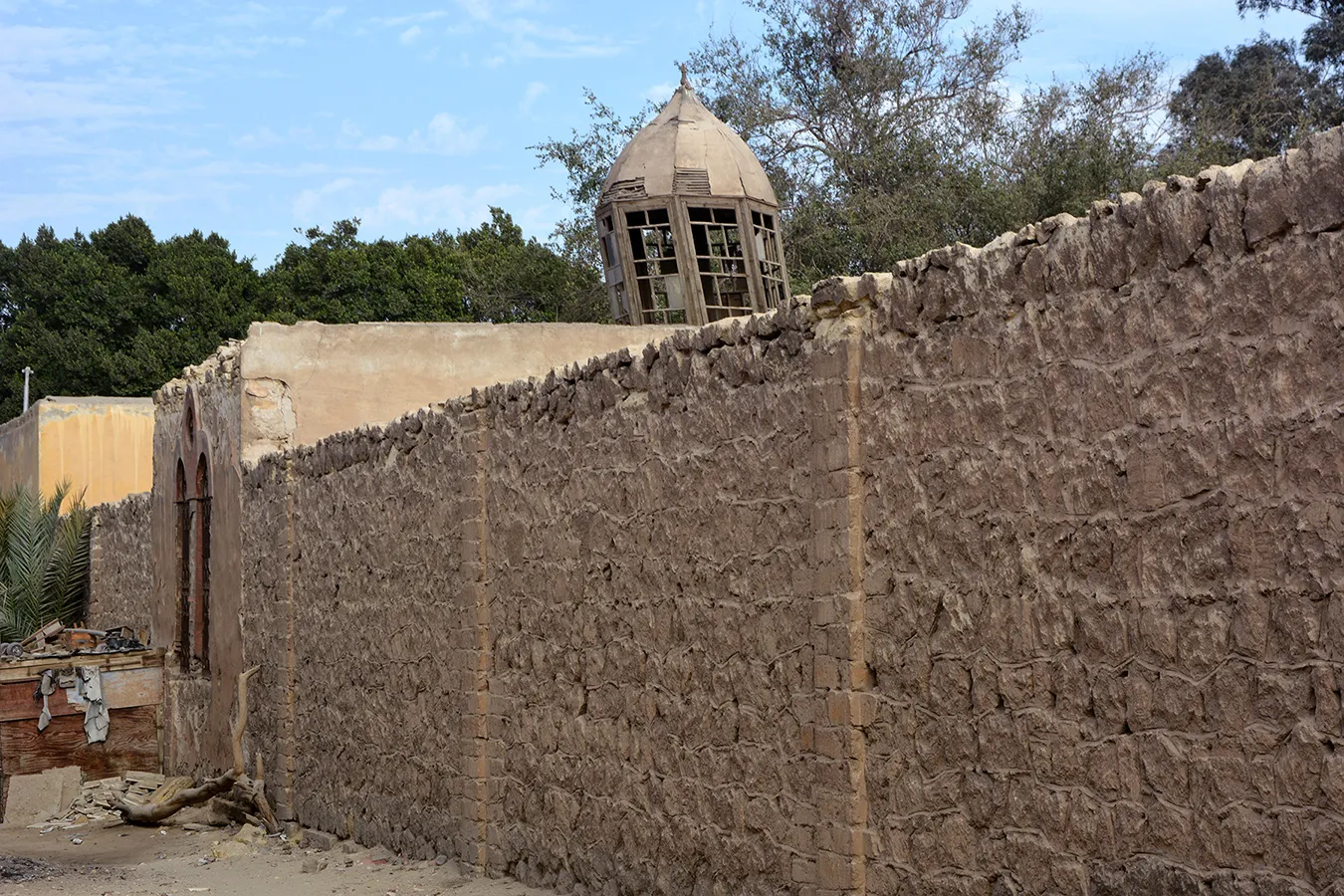
The burial chamber in the north-western corner of the southern courtyard is entered from a portal in its obliquely cut south-eastern corner. It has similar windows to this of the northern burial chamber, but with more elaborate wrought-iron grilles and with coloured glazing in frames divided into Islamic geomantic motifs in the windows’ arches. There is an octagonal wooden lantern covered with a wooden dome in the roof of this chamber.
In the south-western part of the southern courtyard, by the southern wall is a row of four large mastaba-like structures, apparently commemorative.
There are trees and other greenery in both courtyards, but not a formal garden layout.
The interior was inaccessible at the time of recording.
Condition of preservation
The complex is neglected and dilapidated. The entrance portal is very seriously tilted, leaning to the west towards the courtyard. There is serious damage from rising damp to the lower portions of the walls. All woodwork is damaged, desiccated, and largely missing.
Information abut the founder, family history, etc.
According to the current keeper, the enclosure belonged to Fatma ‘Ali Hasan. On the secondary doorway in the northern façade is a modern plywood panel stating “funerary enclosure of Fatma Hasan Wasif”. However, there are no inscriptions on the main portal.
- Field recording by
- Mohammad Esam, Esraa al-Mahdi, Hadeer Ahmad,edited by Jaroslaw Dobrowolski
- Date recorded
- August 21, 2023
- Data entered by
- Hadeer Ahmad
- Date entered
- May 8, 2024