
Unit No82
Banuna funerary enclosure
|
Coordinates of the main entrance |
30.038992N - 31.270686E |
|
Attribution |
Banuna funerary enclosure |
|
Higri (AH)Dates as given in the Inscription |
1334 |
|
Miladi (AD)Dates as given in the Inscription |
1916 |
|
Inscription Contemporary with the building? |
Yes |
|
Multiple date(s) In the inscription? |
Yes |
|
Assumed Date |
|
|
Based on |
|
|
Original Use |
Funerary enclosure |
|
Current Use |
Funerary enclosure and residential |
|
Overall condition |
Poor |
Features of unit 82
| Present | Count | Material | Comments (see description for details) | |
|---|---|---|---|---|
| Free standing structure | No | |||
| Walled enclosure | Yes | 1 | stone | |
| Rooms by the perimeter wall | Yes | 6 | stone, wood | A building on the western side of the lot |
| Freestanding structure(s) in enclousure | No | |||
| Dome over the tomb chamber | No | |||
| Neo-Mamluk architectural decoration | Yes | |||
| Garden layout | No | Greenery in the yard, no formal layout | ||
| Sabil(s) | Yes | 2 | stone | Sabil window walled up |
| Wall fountain(s) | No | |||
| Canopy on columns / pillars | No | |||
| Carved marble cenotaph(s) | Yes | 1 | 1 | |
| Decorated limestone tomb-markers | No | |||
| Decorated gateway | Yes | 1 | stone | |
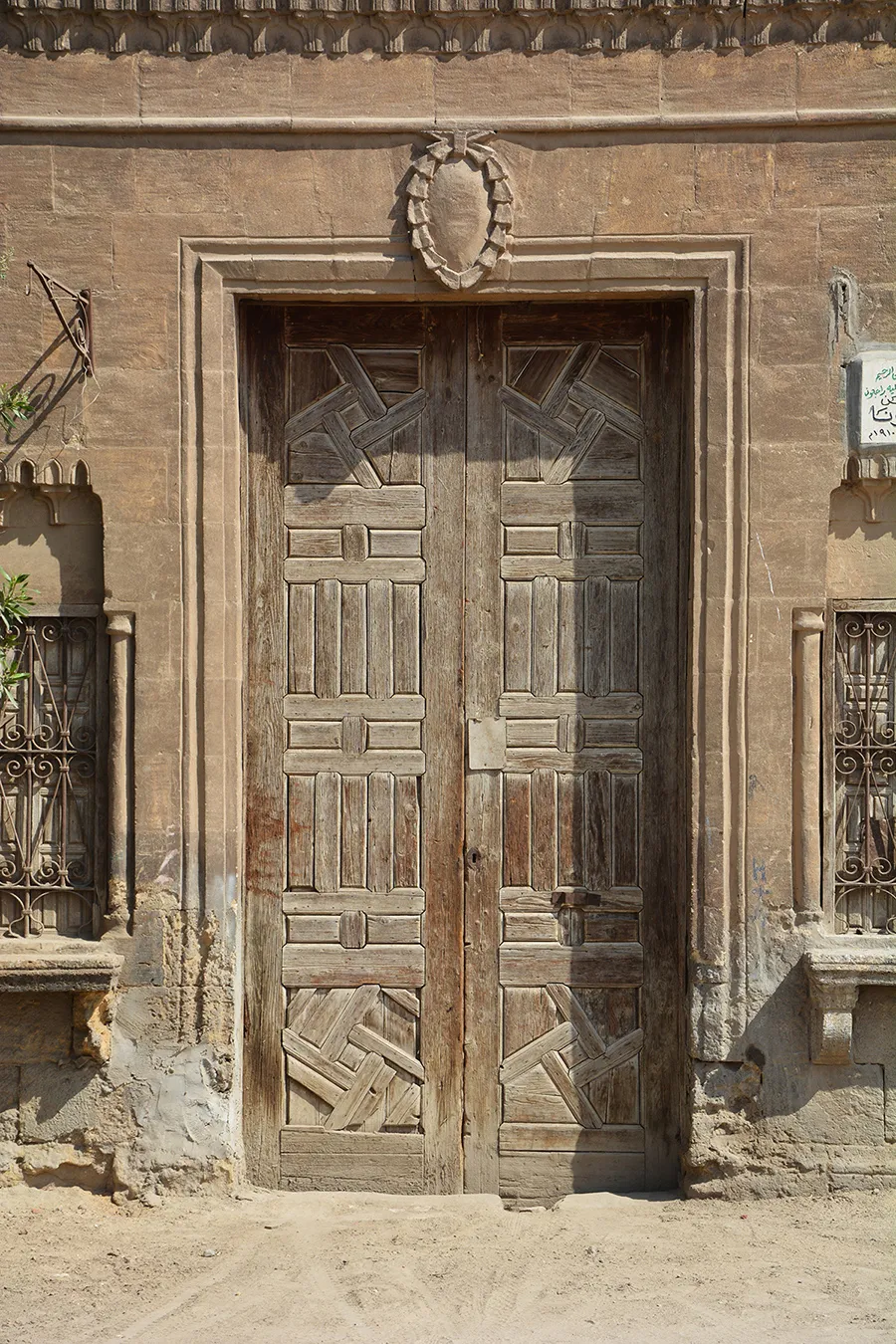
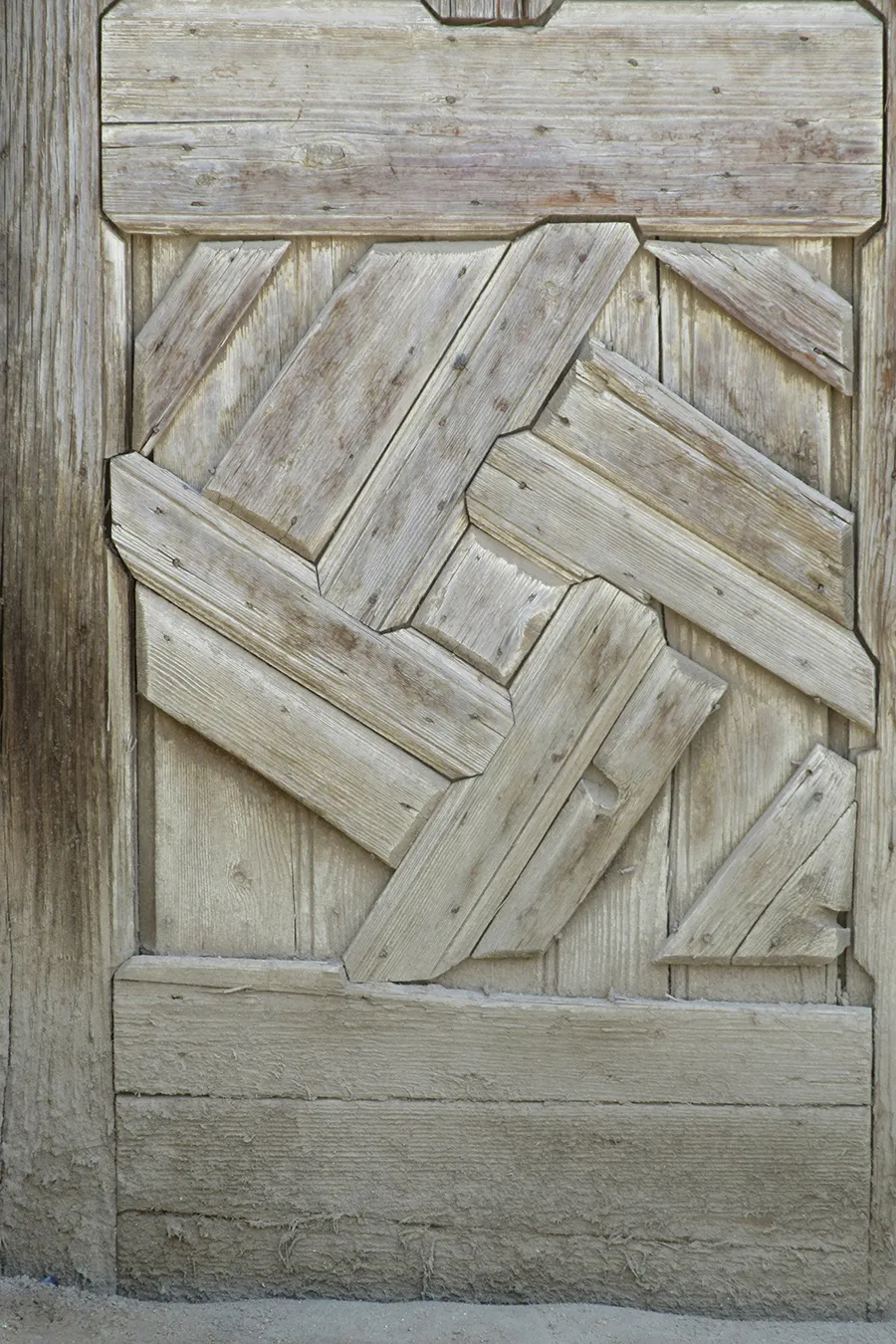
| Decorative door-leaves | Yes | 2 | wood | Mafruka pattern decoration |
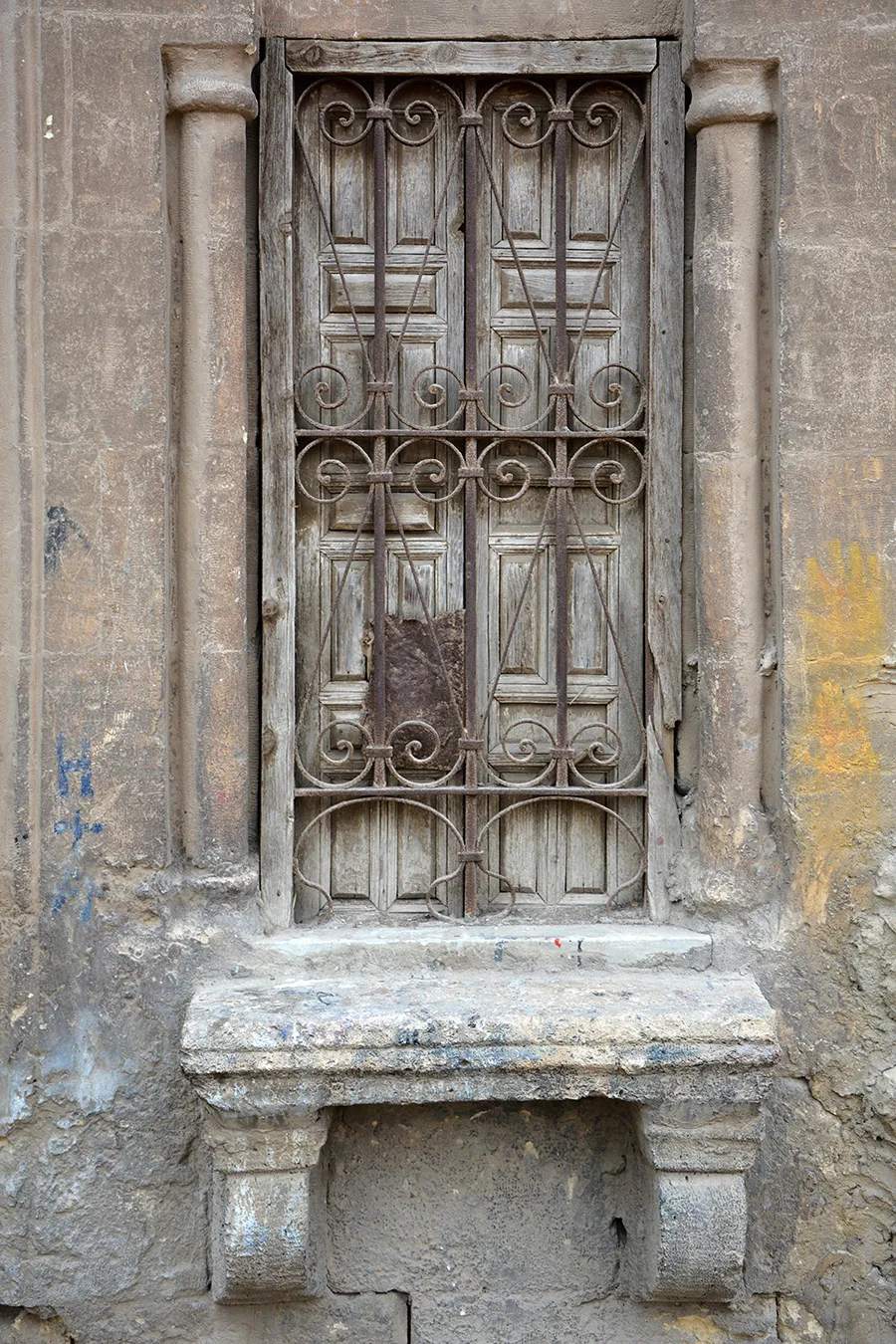
| Decorative window grilles | Yes | 2 | iron | In windows of the sabils |
| Decorative shutters | Yes | 4 | wood | Simple geometric patterns |
| Painted ceiling(s) | No | |||
| Decorative paving(s) | No |
Description (The direction towards Mecca (Qibla) is described as eastern and other directions are named accordingly)
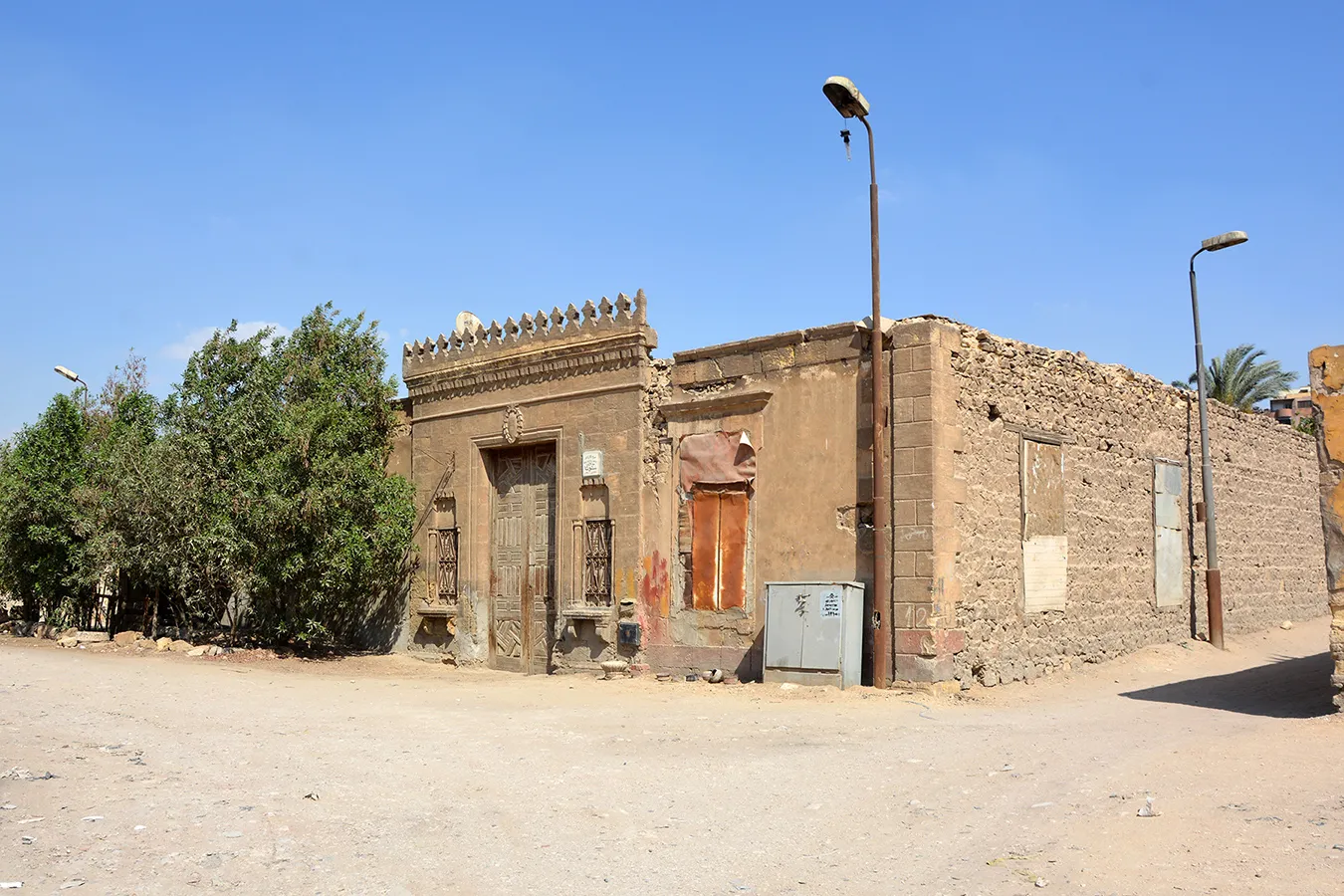
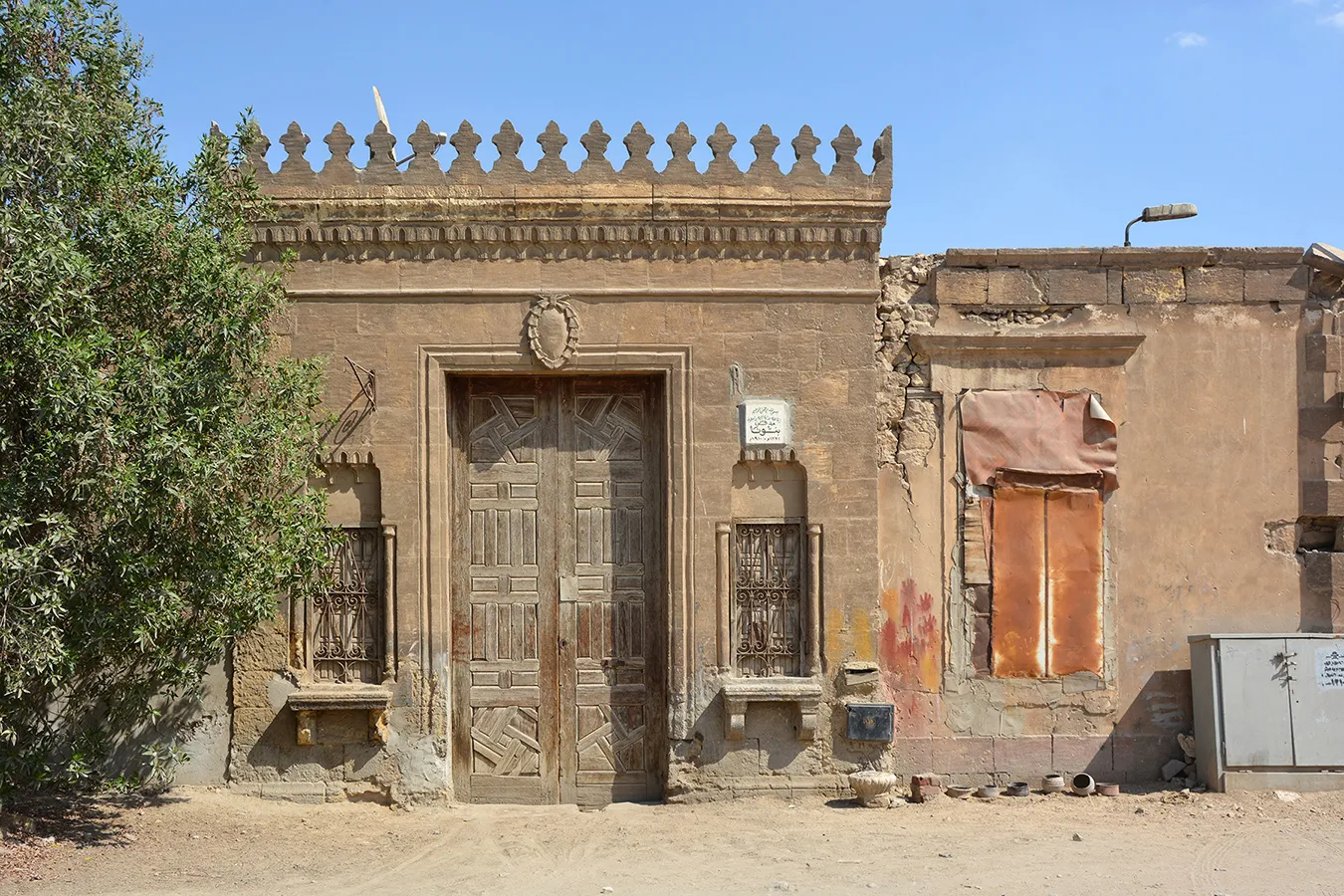
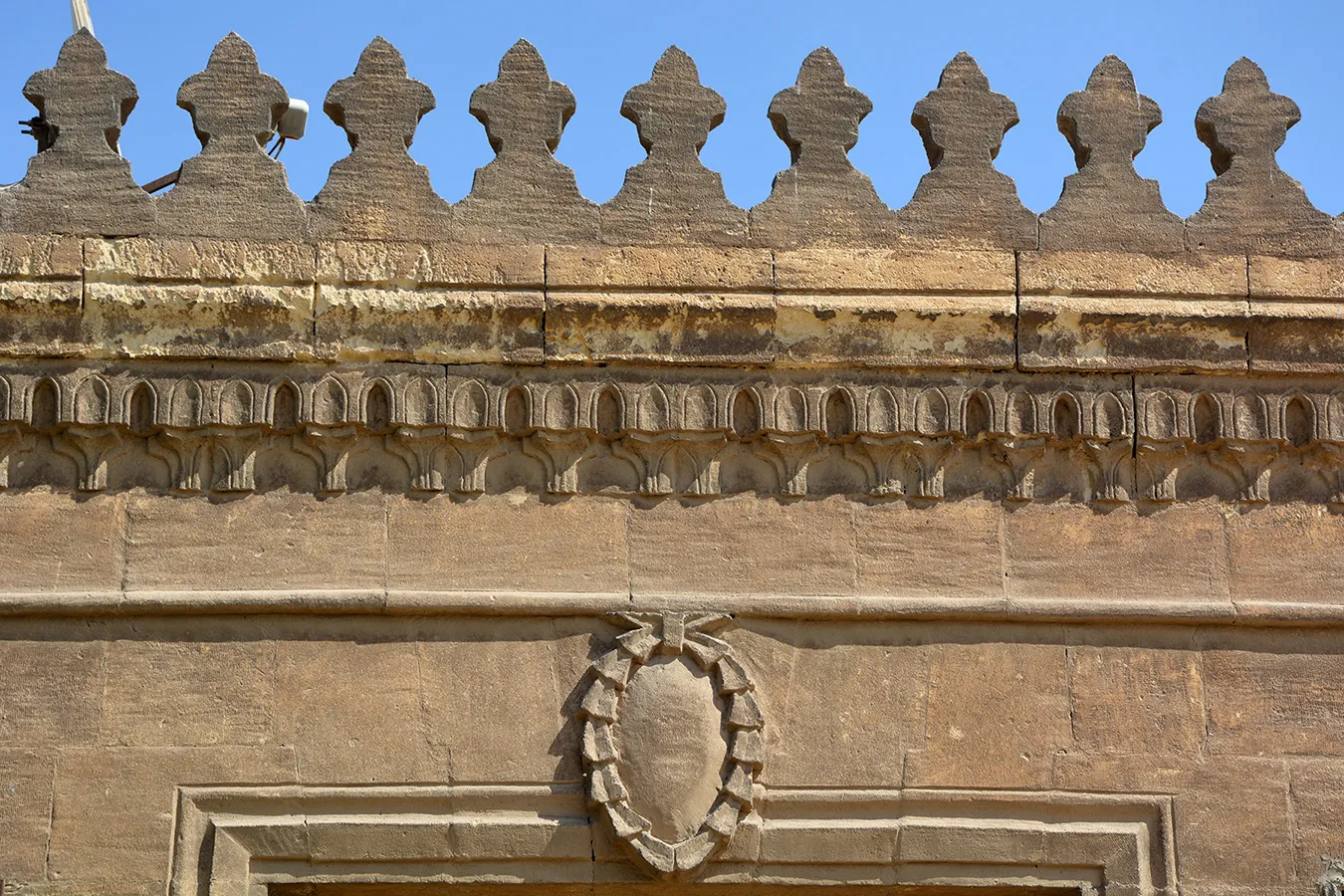
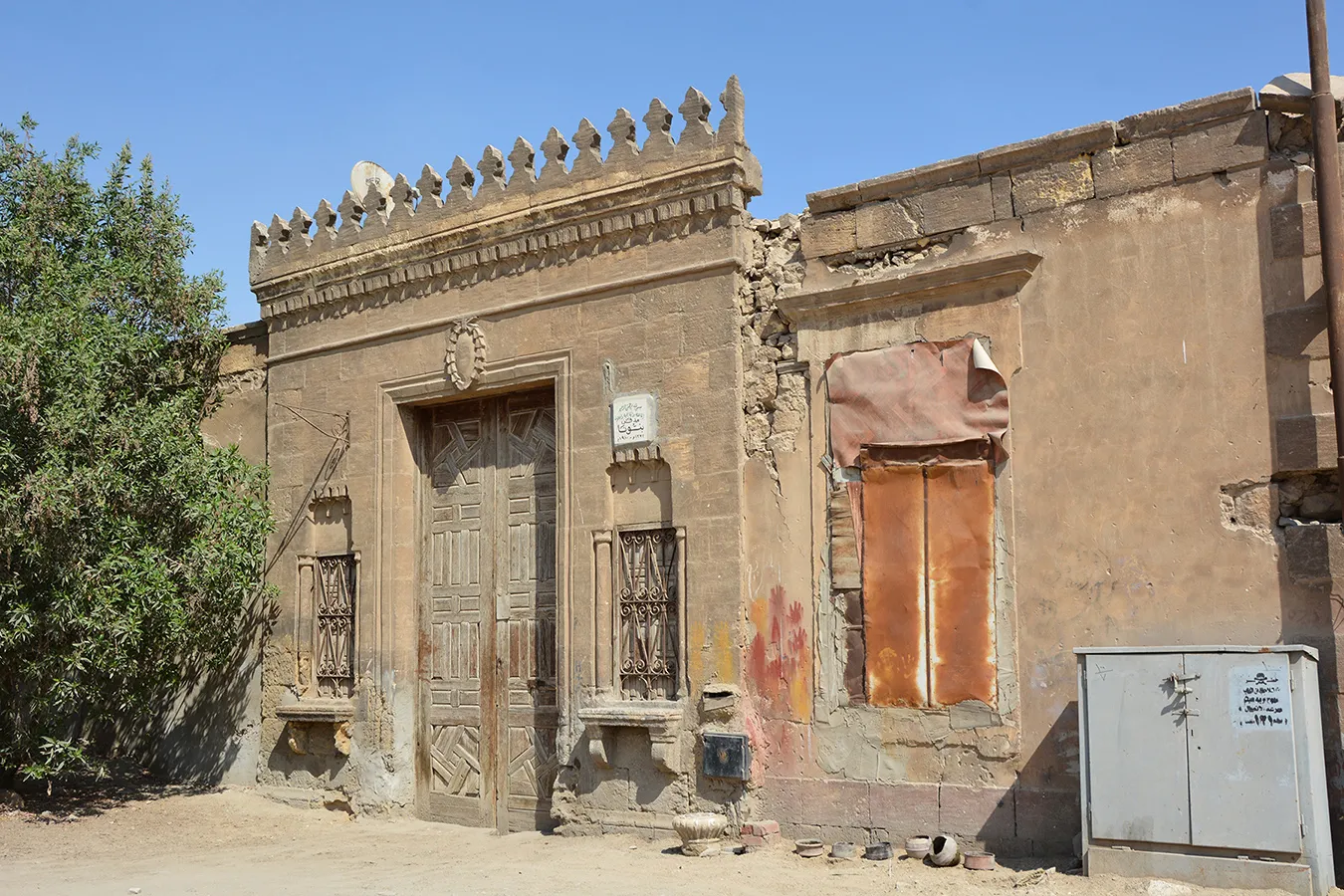
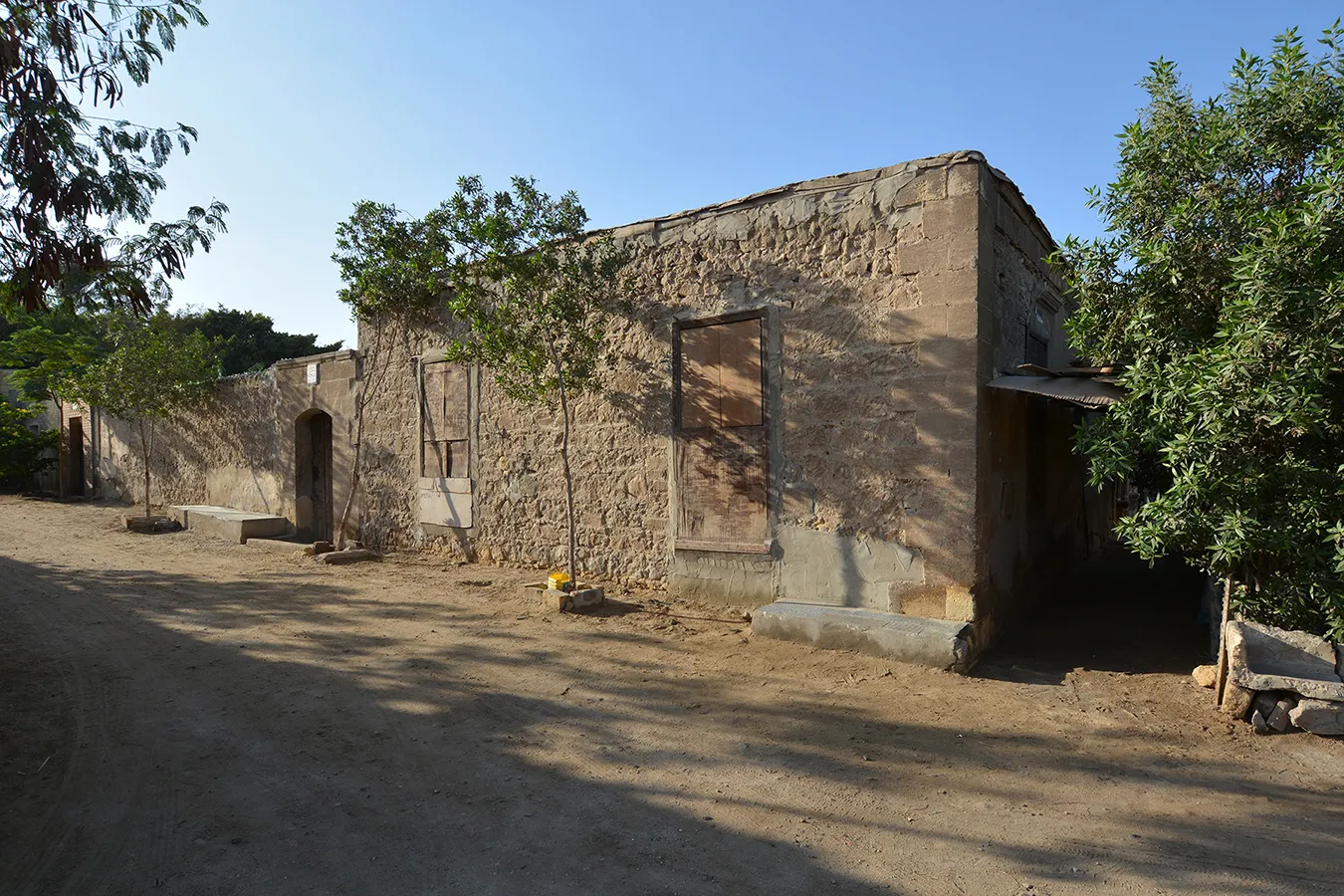
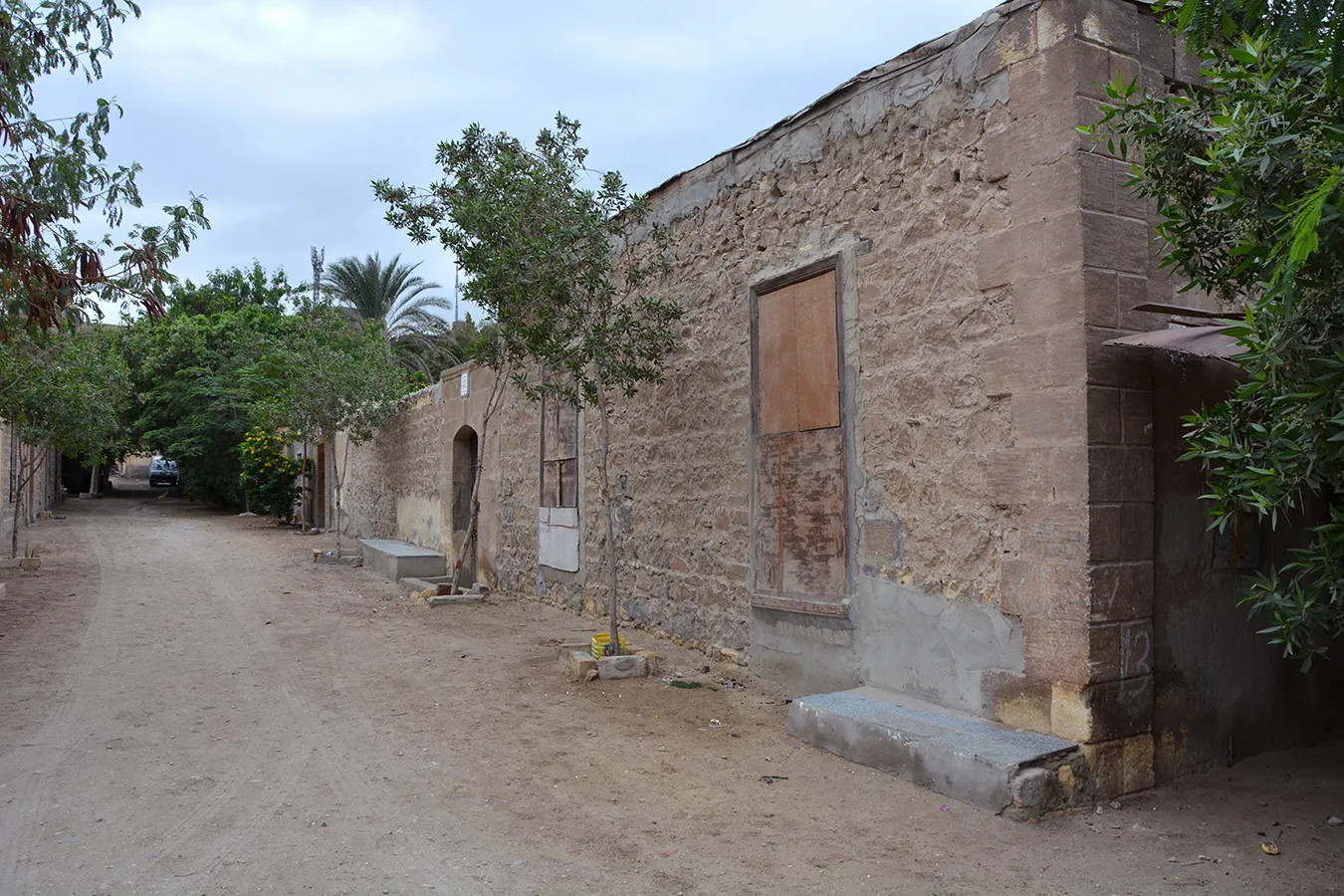
The funerary enclosure occupies a roughly square lot measuring approximately 21 x 21 metres. It faces streets on the southern, northern and western sides, and borders on neighbouring funerary enclosures on the eastern side. A single-storey building occupies the western side of the enclosure, the rest of the lot is an open courtyard, accessible through a gateway in the front building and through a secondary gate in the northern wall of the enclosure. The central part of the main (western) façade, the secondary gate, and the corners are built of ashlar stone masonry; other walls are built of coursed rough stone. The entrance door in the centre of the western façade is placed in a very flat projection slightly taller than the rest of the façade and topped with a simple muqarnas frieze carrying a cornice and stone fleur-de-lys crenellations.
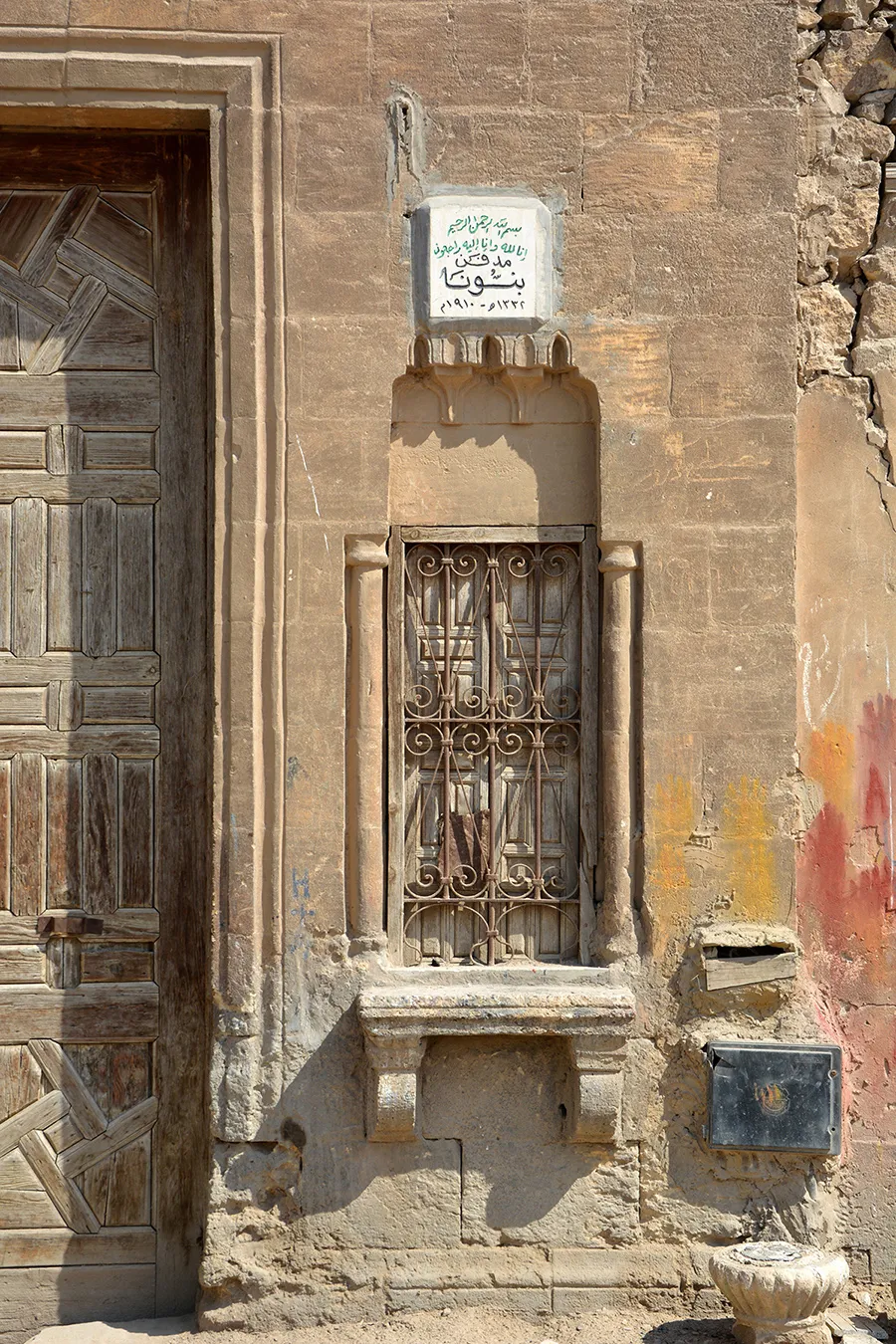
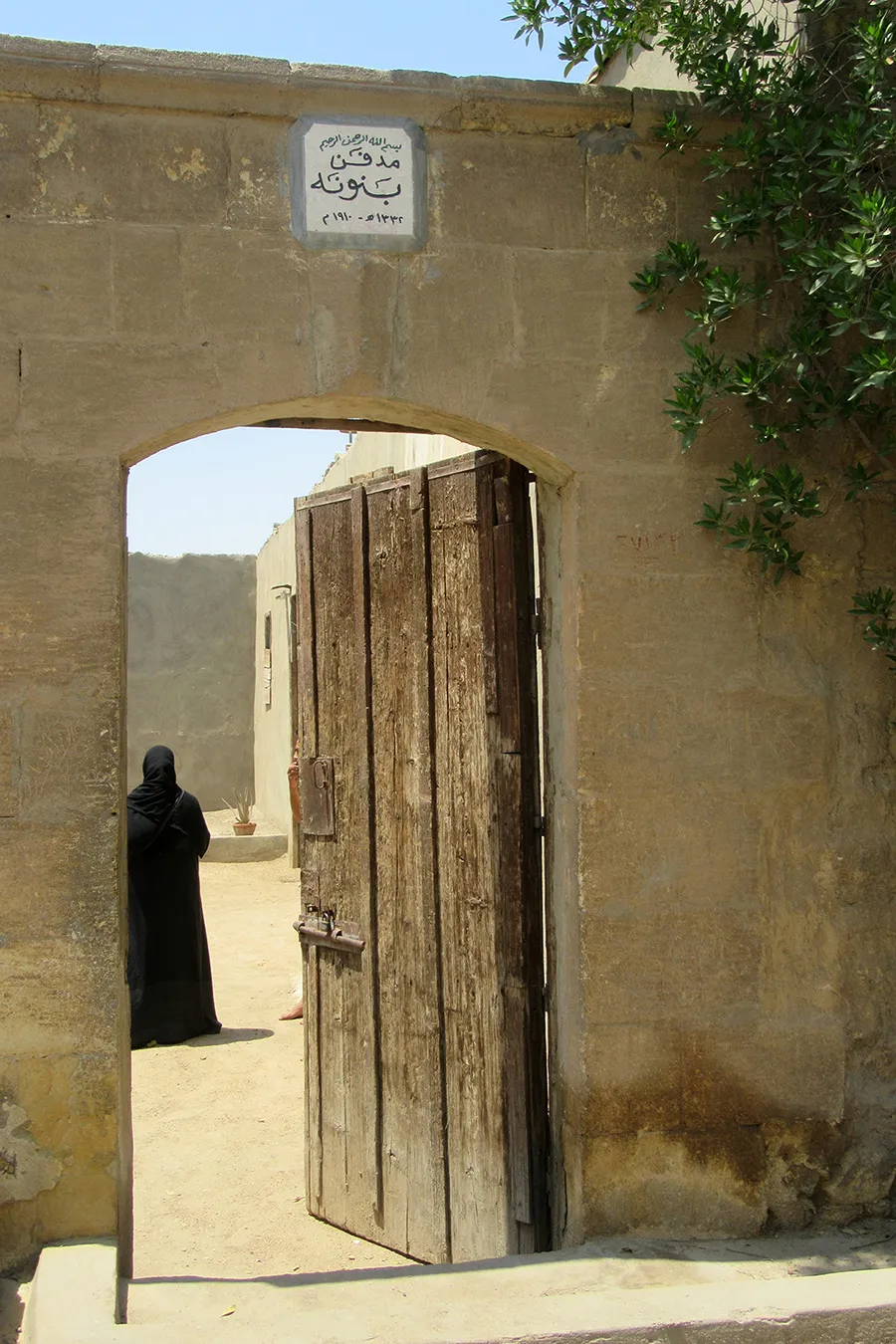
The rectangular door is framed in very simple moulding and has an oval plaque above enclosed in stylised laurels. The two-leaved panelled door (now disused) is decorated with mafruka motifs. On each side of the entrance is a sabil window placed in a recess flanked by engaged colonnettes and topped with a simple muqarnas frieze and with stone ledges at the bottom, supported on simple corbels. The windows are fitted with simple wrought iron grilles decorated with generic motifs not related to Islamic art. The wooden shutters have their moulding-framed panels arranged in a simple decorative pattern.
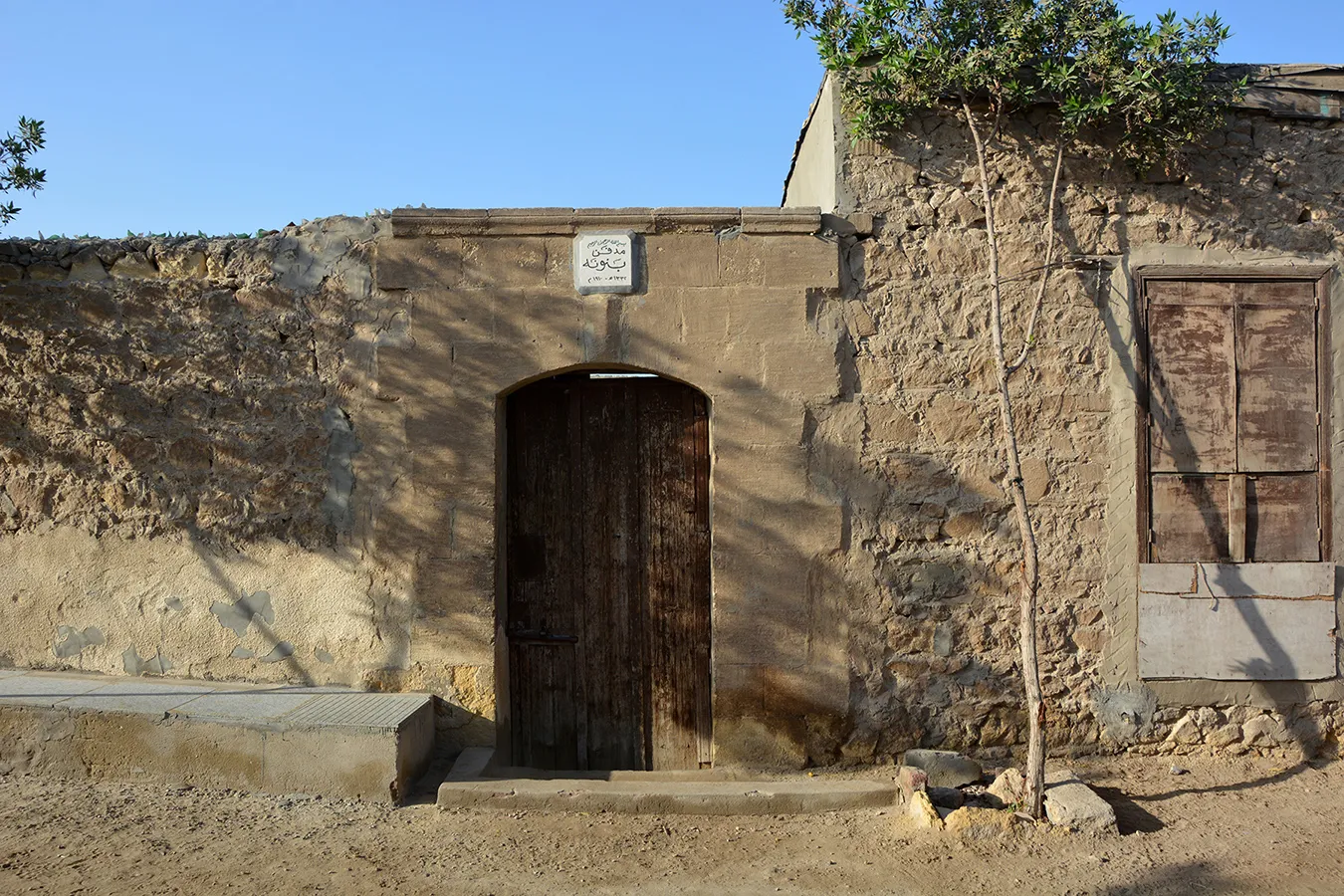
In each of the side sections of the façade is a single rectangular window with a simple Classical cornice above. There are two windows in the side walls of the front building, plain and undecorated like the rest of the side façades. The undecorated secondary gate in the northern wall is covered with a segmental arch.
A single marble cenotaph stands in the south-eastern corner of the courtyard. The internal walls of the courtyard have recently been rendered with cement plaster. A door in the eastern wall of the enclosure leads to a small empty courtyard between two other, smaller funerary enclosures.
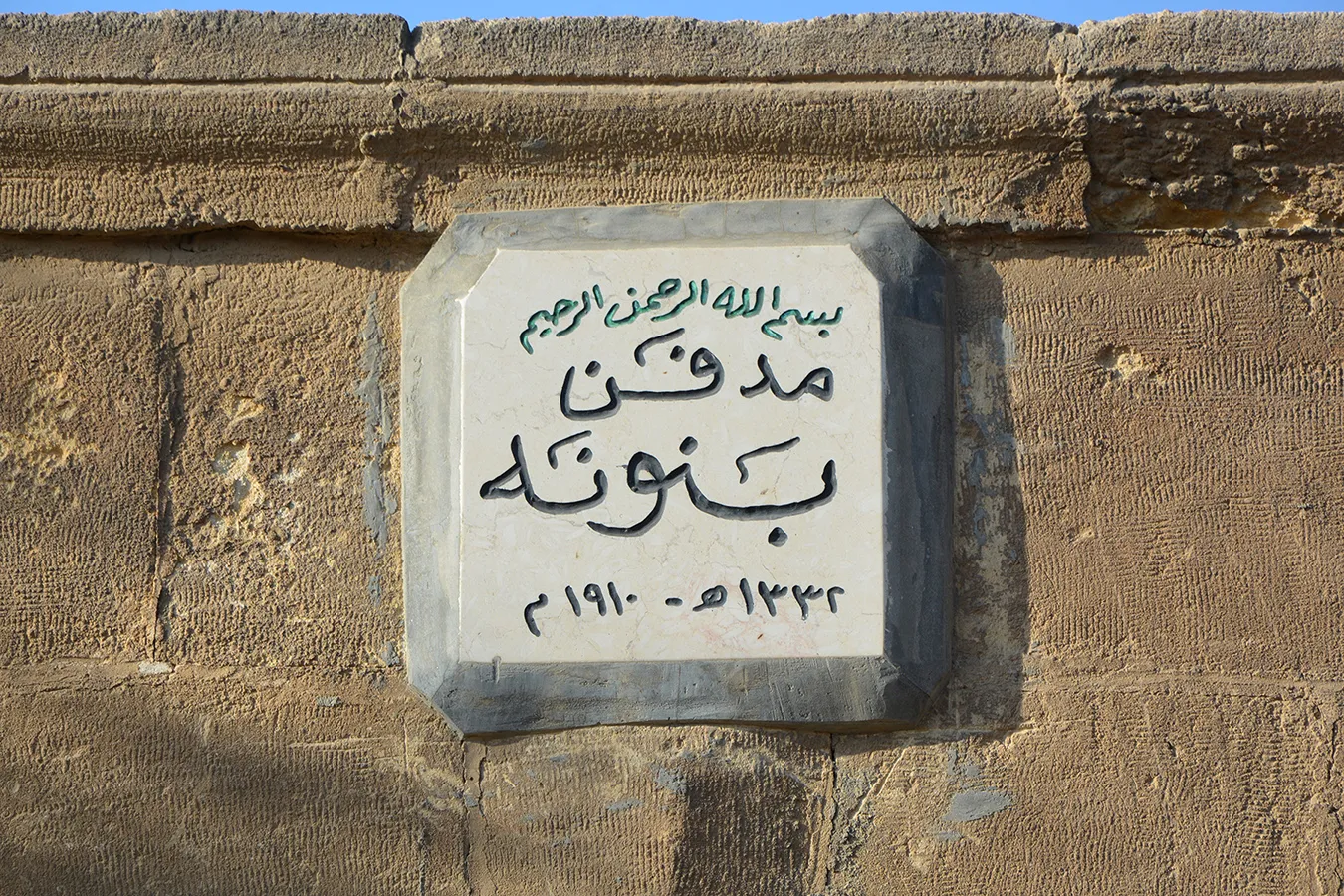
Over the southern sabil window and over the secondary gate are placed modern, apparently quite recent, small square plaques of local substitute for marble. They bear incised inscriptions of mediocre craftsmanship stating the funerary enclosure is of Banuna [family] and giving the date 1332 AH – AD 1910.
Condition of preservation
The building is dilapidated in spite of being lived in. Most of the plaster is missing from the front façade. There is visible damage to the lower parts of the walls from rising damp, with haphazard attempts at repairs with cement. The front façade is cracked. Woodwork is damaged and desiccated. The roof cover has apparently recently been repaired.
The stark contrast between the desolated aspect of the exterior and spotless inner courtyard seems to indicate the current inhabitant’s adherence to the traditional values of rural Upper Egypt.
Information abut the founder, family history, etc.
According to the resident keeper, the enclosure was founded by Ahmad Banuna, who was married to the daughter of an Abdullah Basha Lamlum. It is reportedly currently used by two families
- Field recording by
- Mohammad Esam, Esraa al-Mahdi, Hadeer Ahmad,, edited by Jaroslaw DobrowolskiENTRY INTO THE DATABASE:
- Date recorded
- August 14, 2023
- Data entered by
- Hadeer Ahmad
- Date entered
- May 7, 2024