
Unit No35
Al-Agami Family
|
Coordinates of the main entrance |
30.041797N - 31.269607E |
|
Attribution |
Al-Agami Family |
|
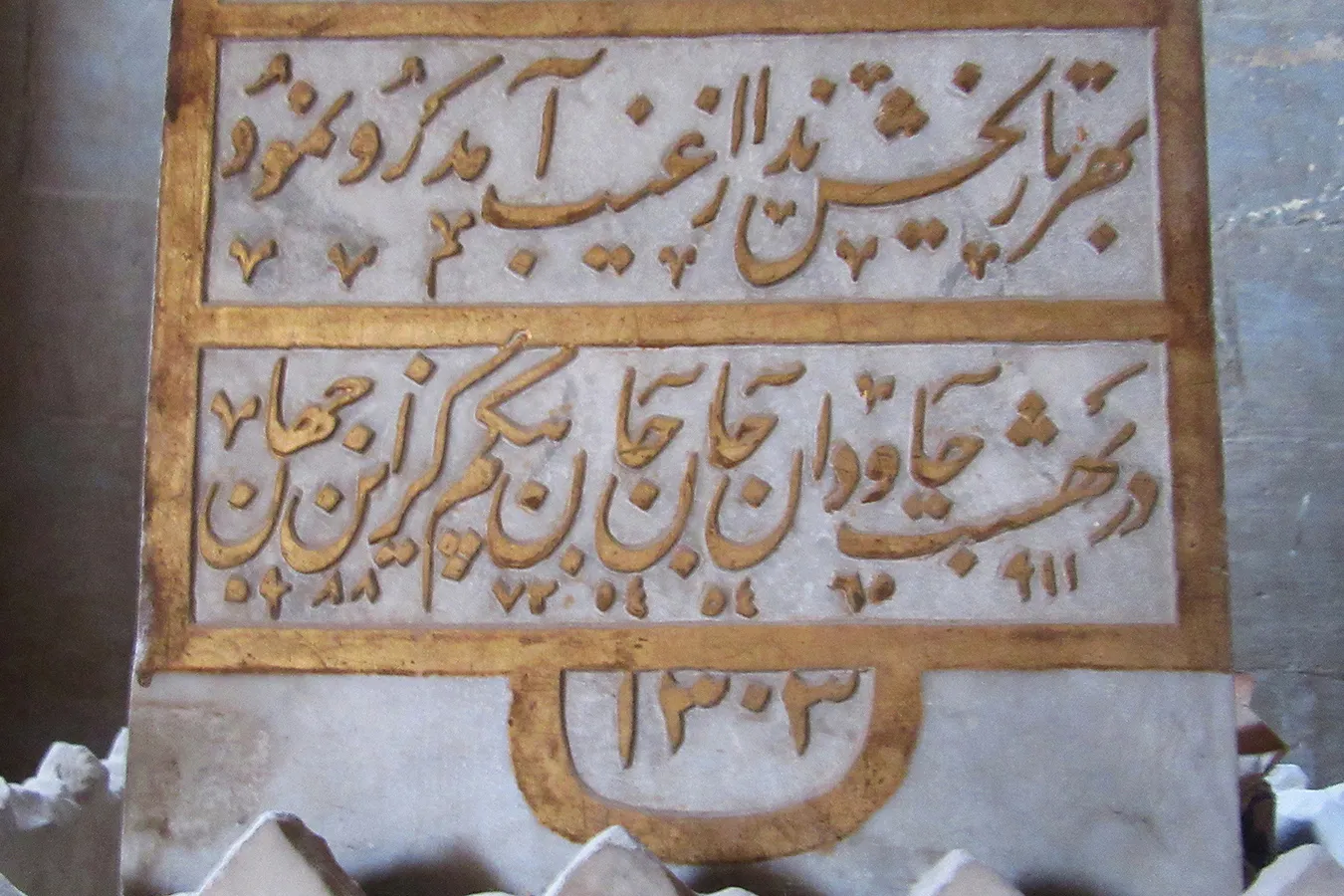
Higri (AH)Dates as given in the Inscription |
1297 |
|
Miladi (AD)Dates as given in the Inscription |
|
|
Inscription Contemporary with the building? |
No |
|
Multiple date(s) In the inscription? |
No |
|
Assumed Date |
Before AH 1297 |
|
Based on |
(the earliest inscription on a tomb marker), with substantial later alterations (see Description) |
|
Original Use |
Funerary enclosure |
|
Current Use |
Funerary enclosure |
|
Overall condition |
Fair |
Features of unit 35
| Present | Count | Material | Comments (see description for details) | |
|---|---|---|---|---|
| Free standing structure | Yes | 1 | stone | |
| Walled enclosure | No | |||
| Rooms by the perimeter wall | No | |||
| Freestanding structure(s) in enclousure | No | |||
| Dome over the tomb chamber | No | |||
| Neo-Mamluk architectural decoration | No | |||
| Garden layout | No | |||
| Sabil(s) | Yes | 1 | stone, marble | |
| Wall fountain(s) | No | |||
| Canopy on columns / pillars | No | |||
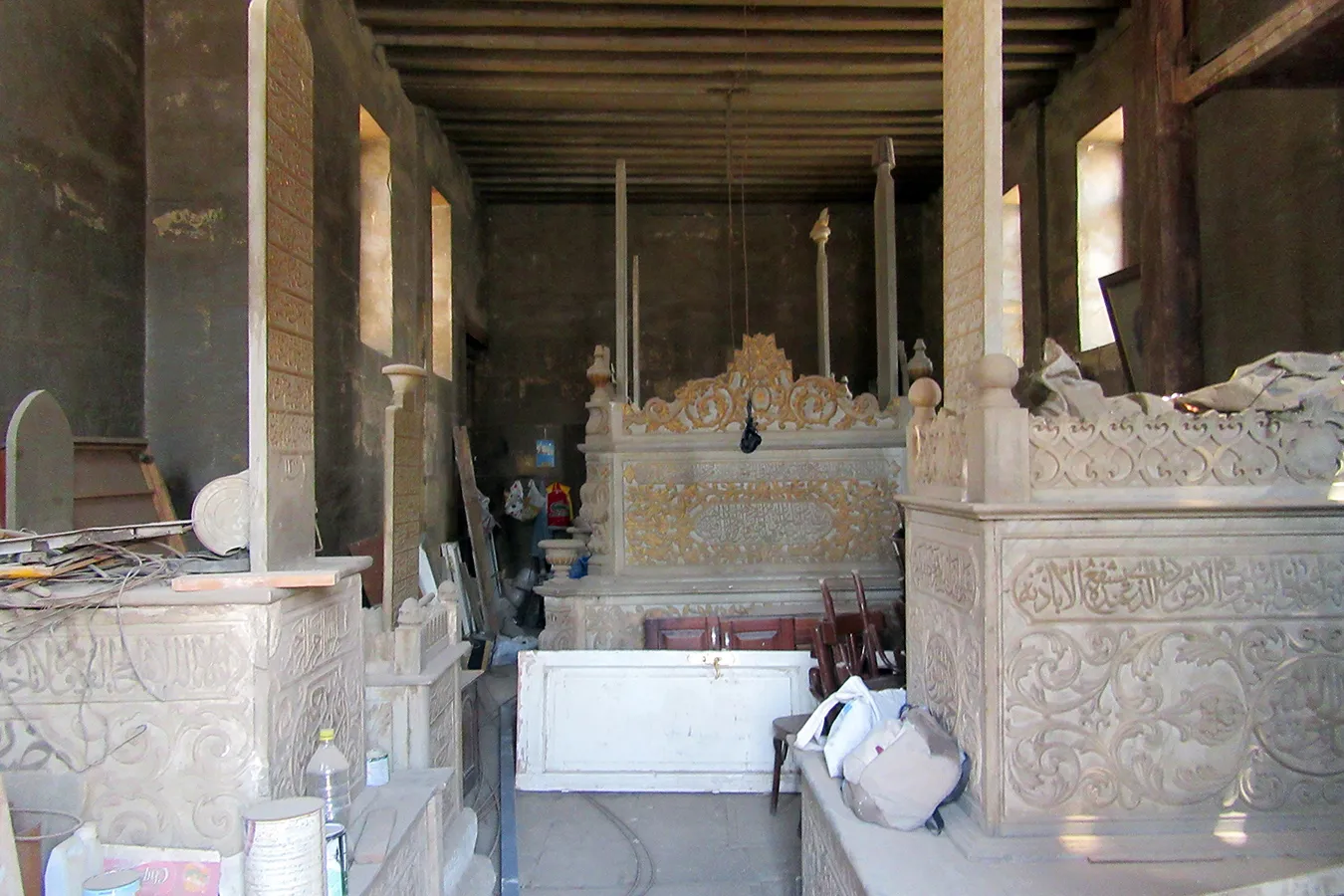
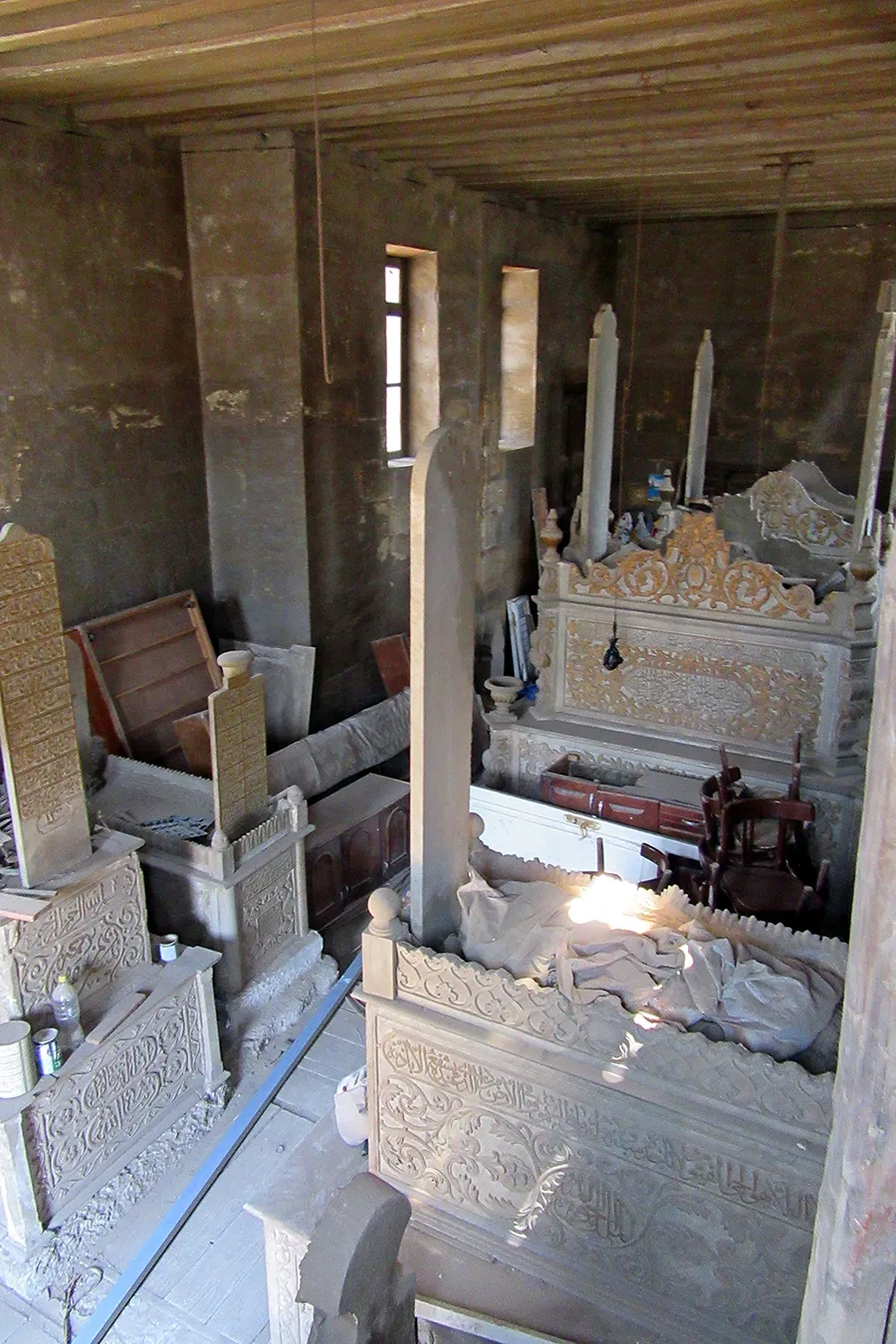
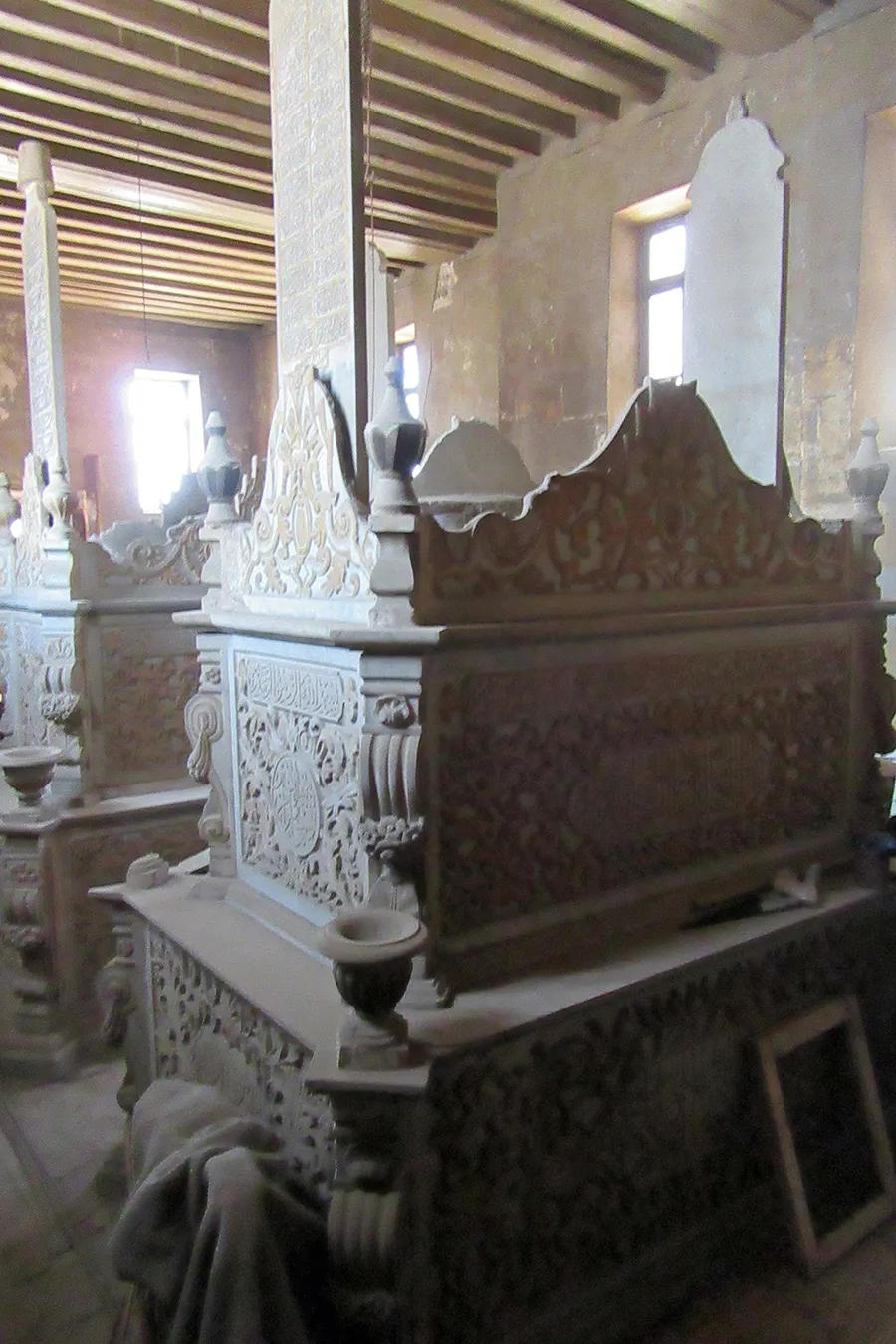
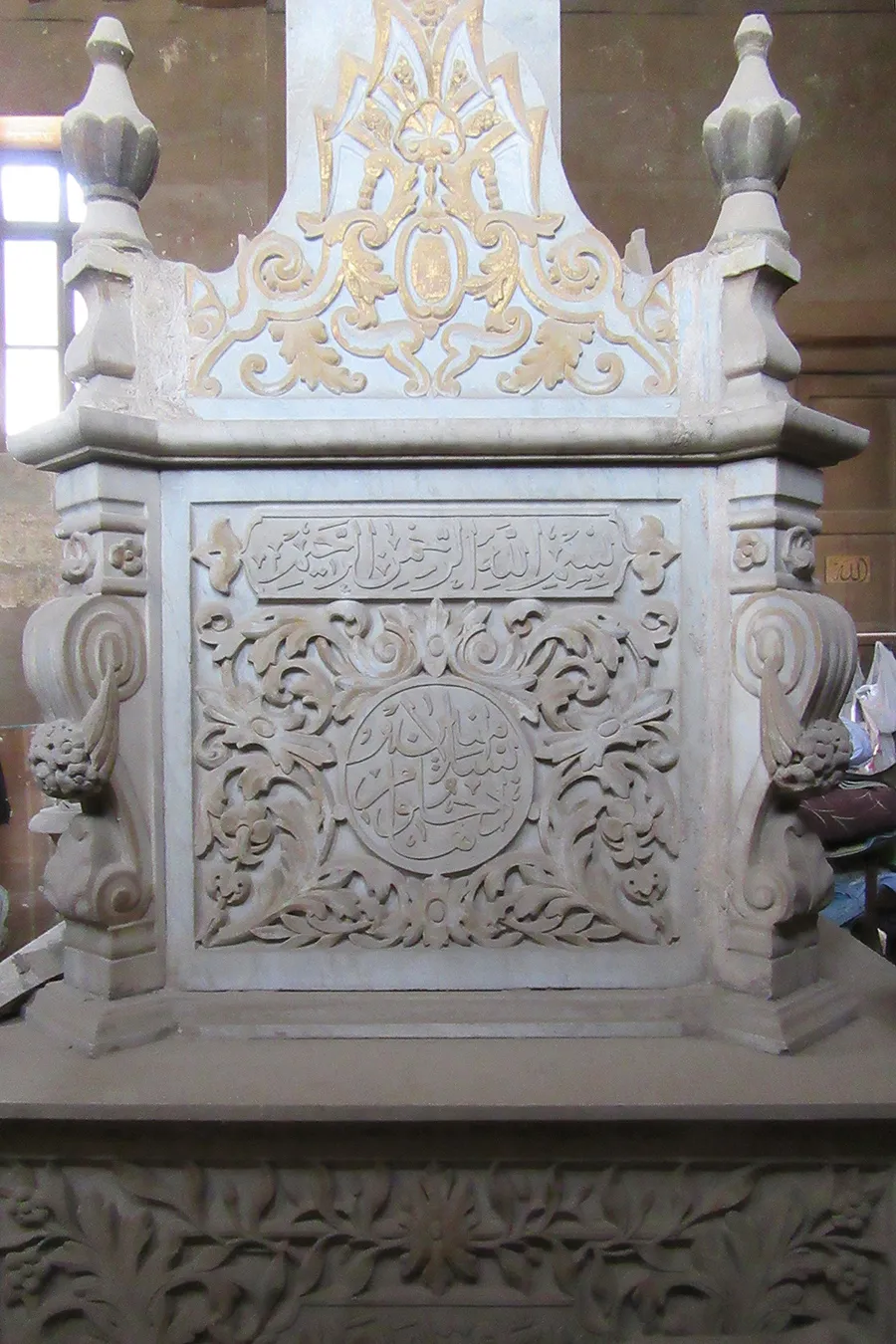
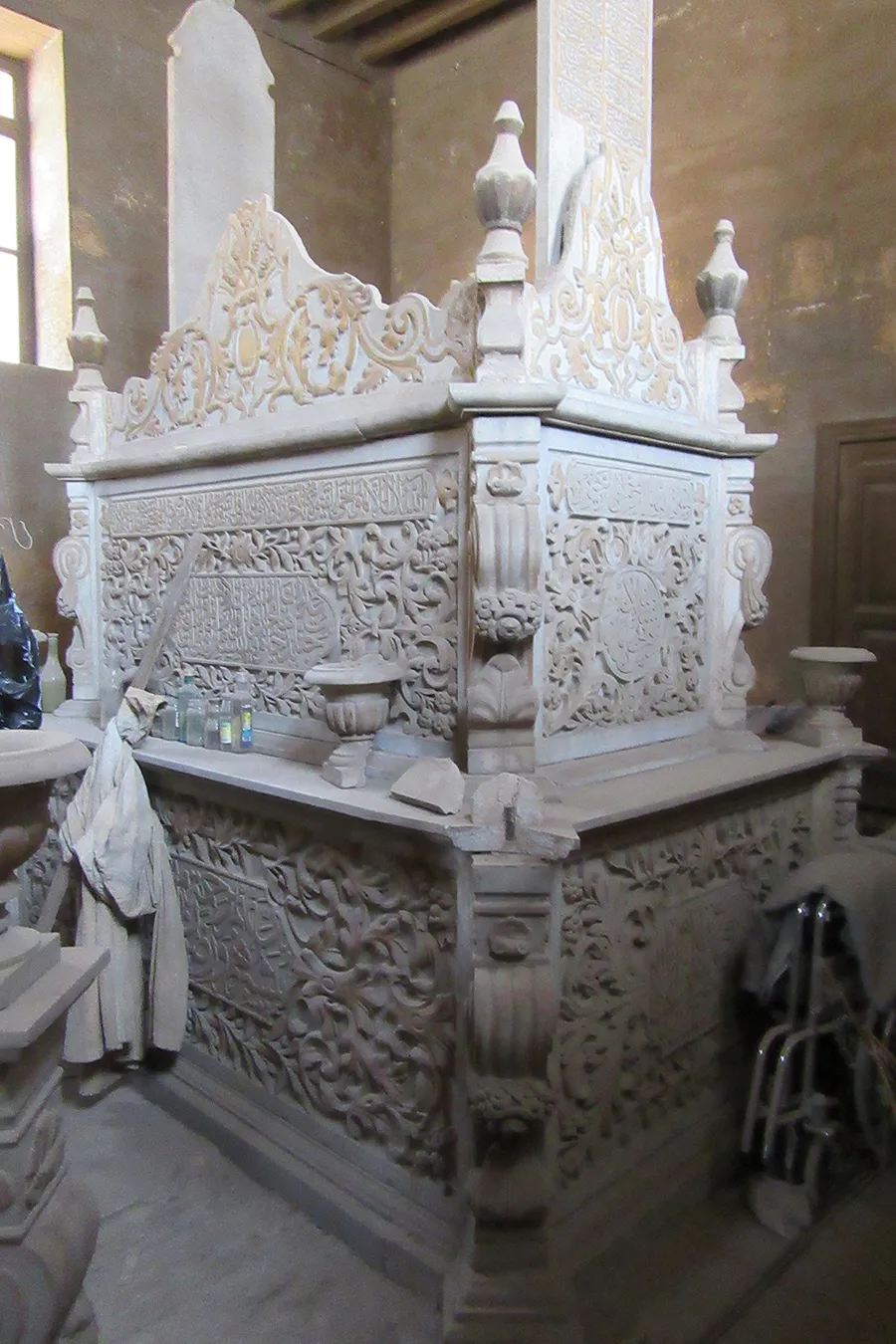
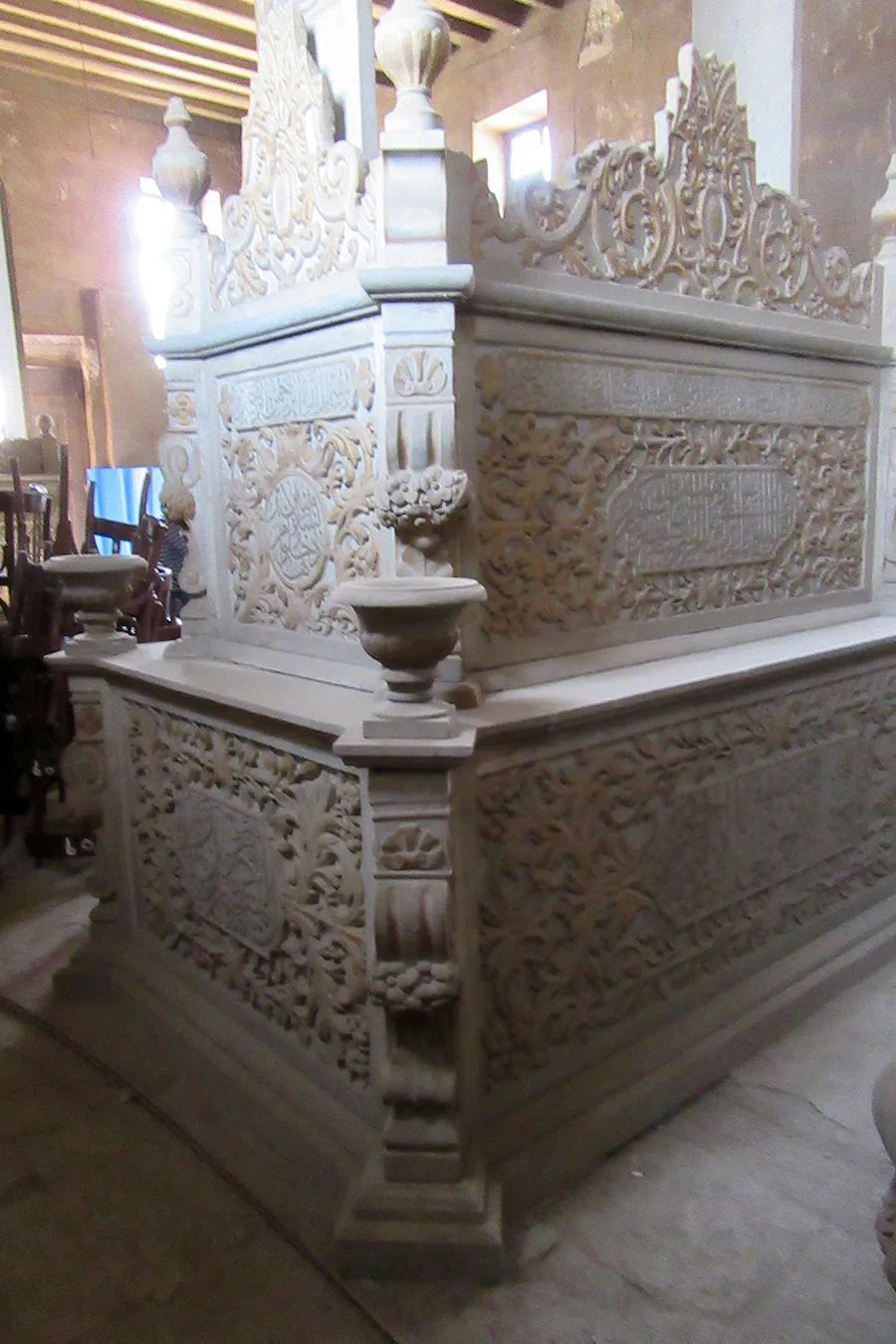
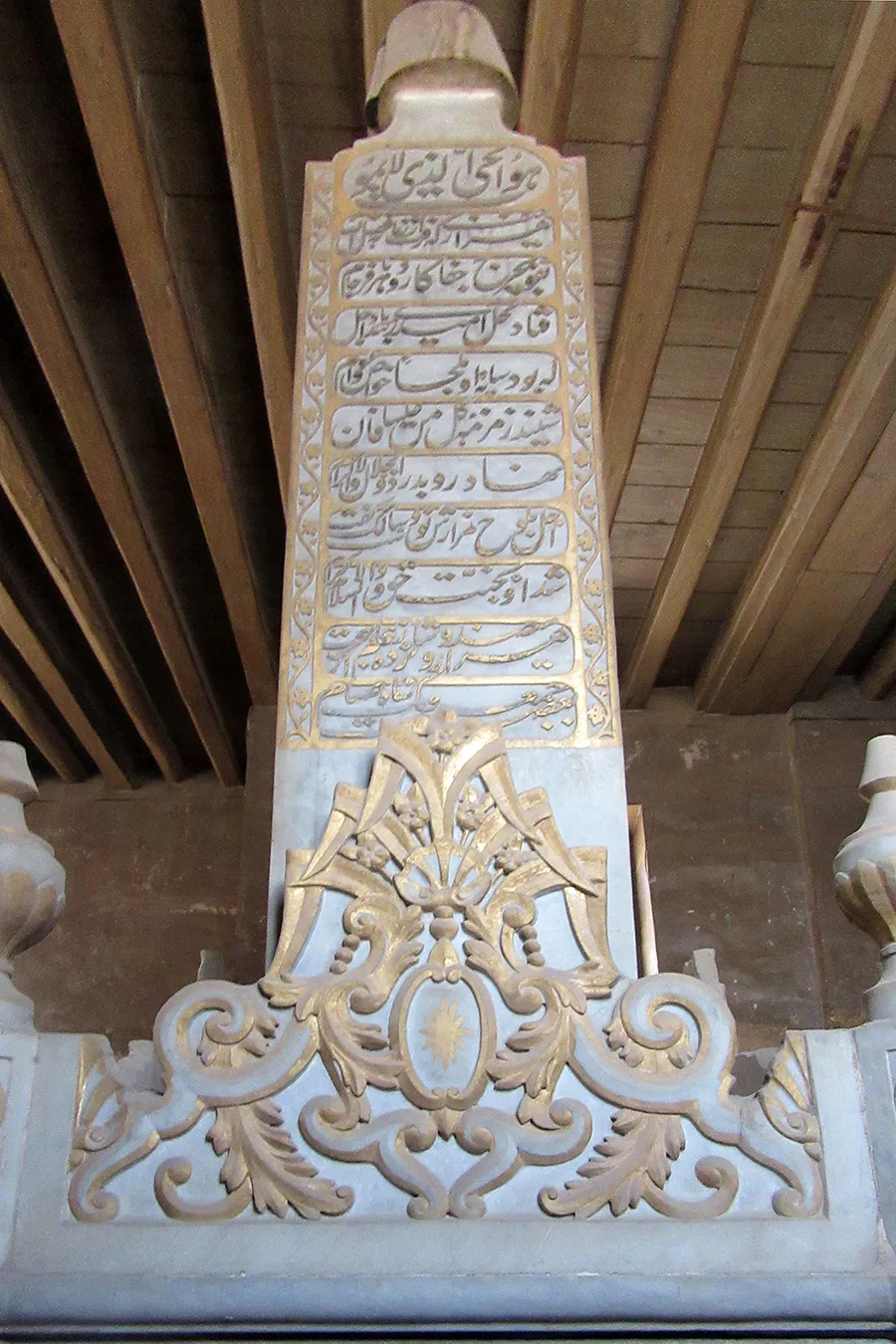
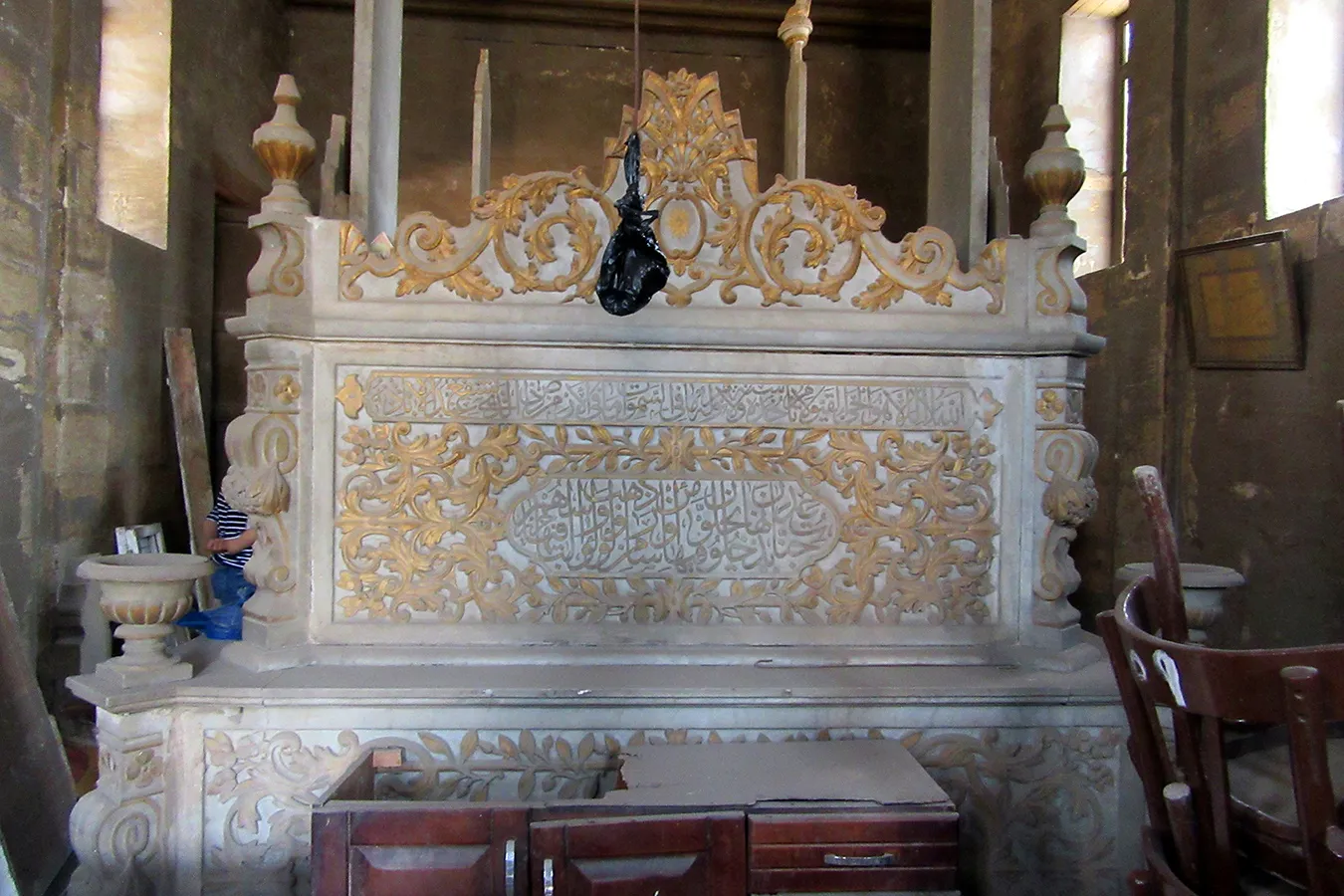
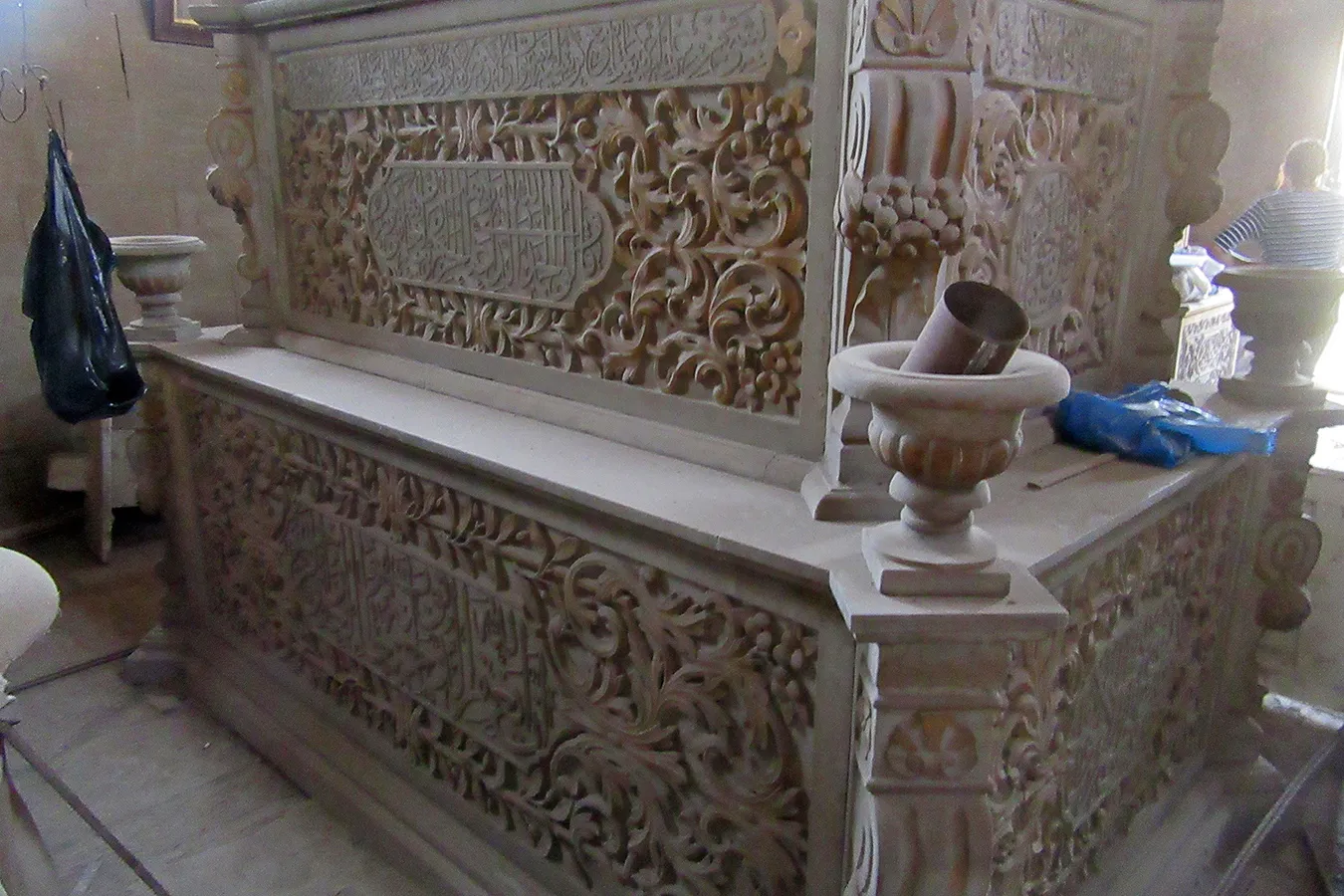
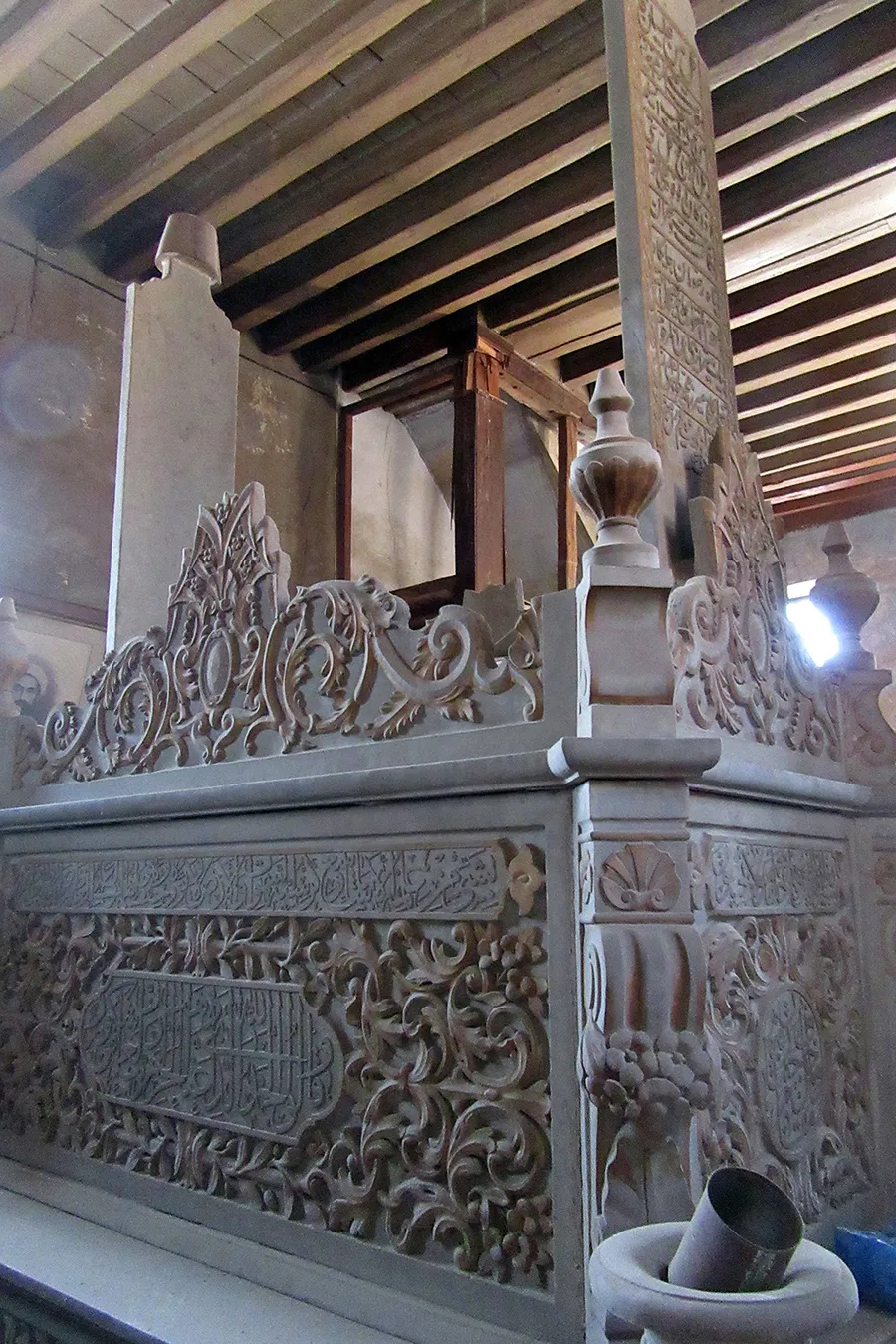
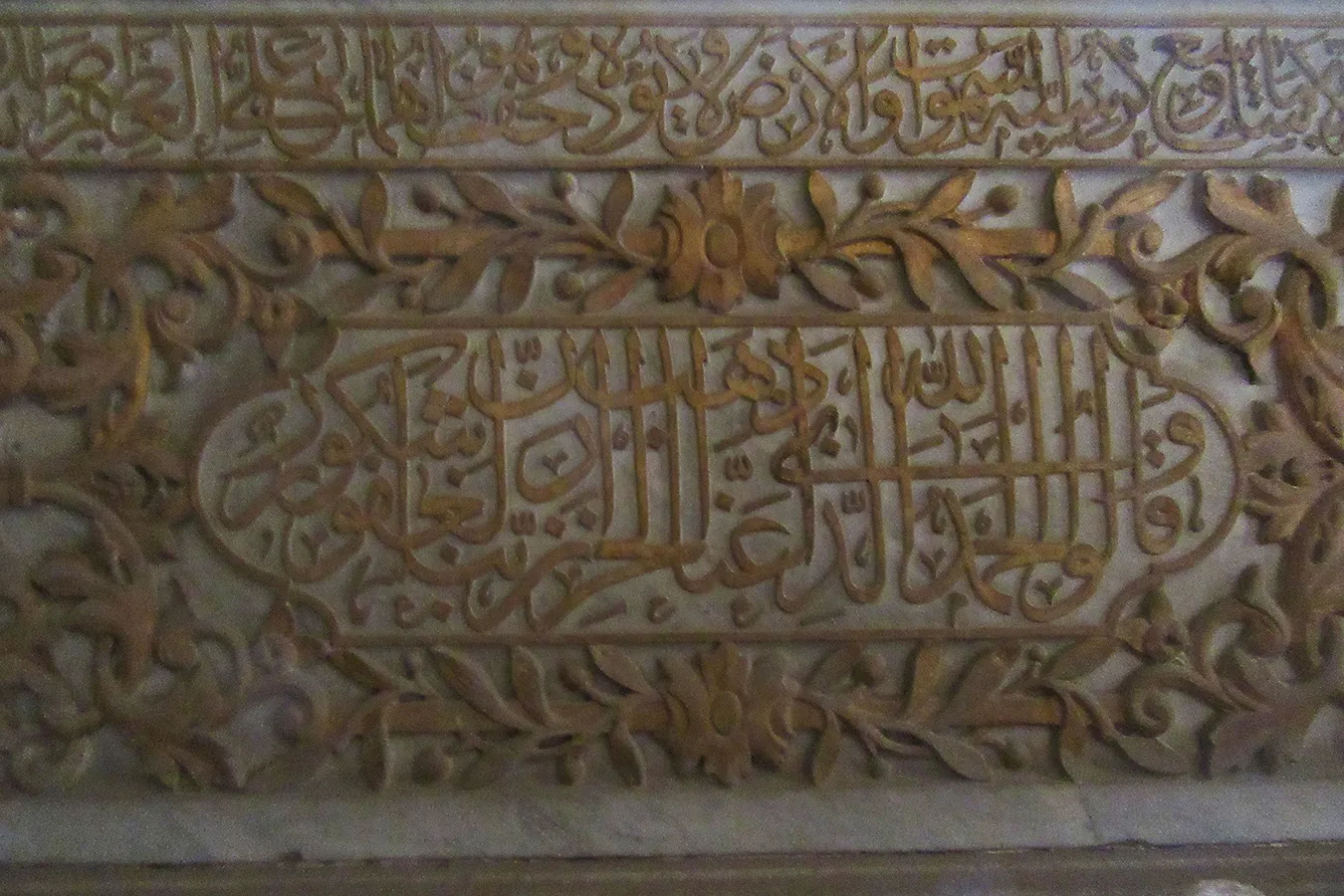
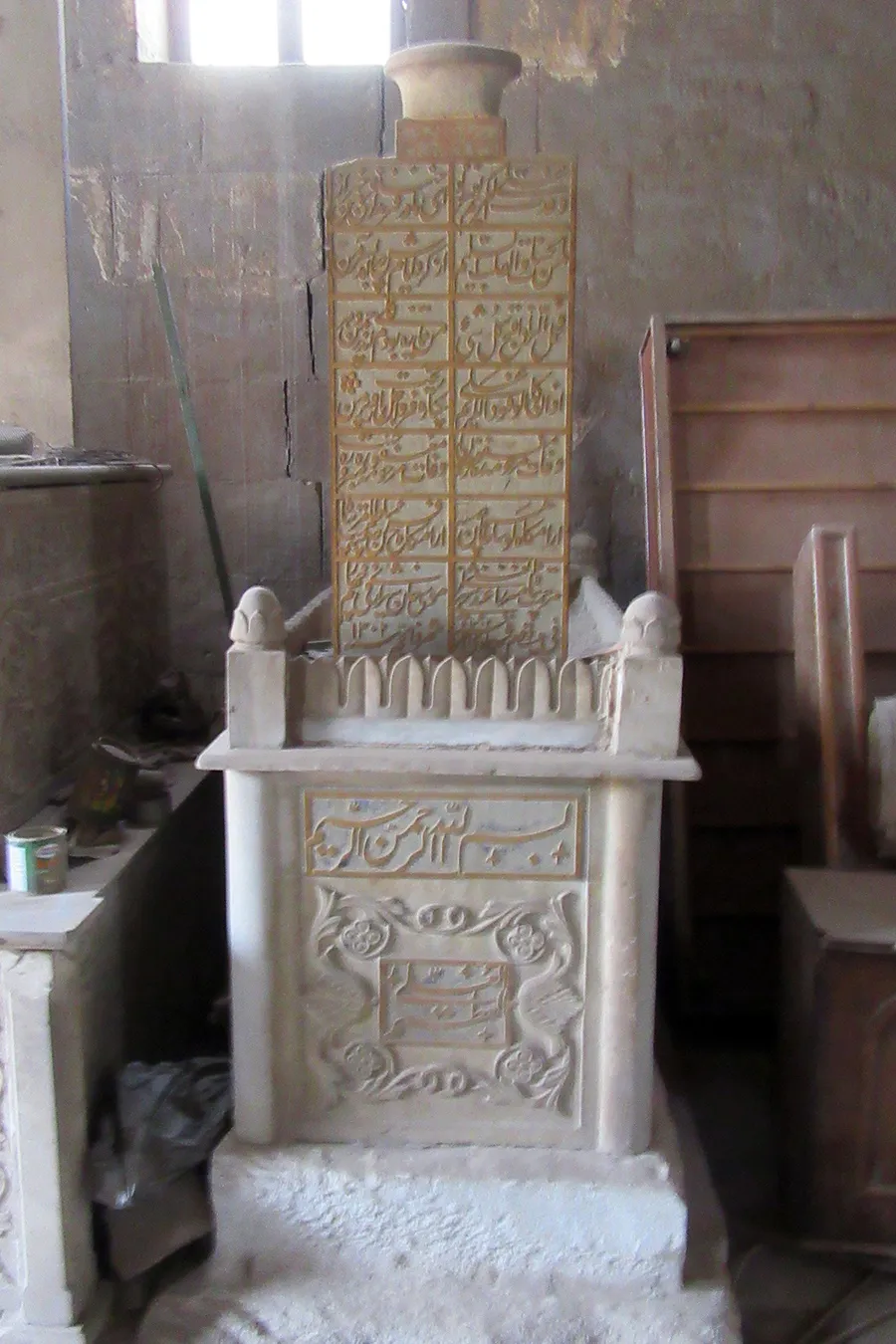
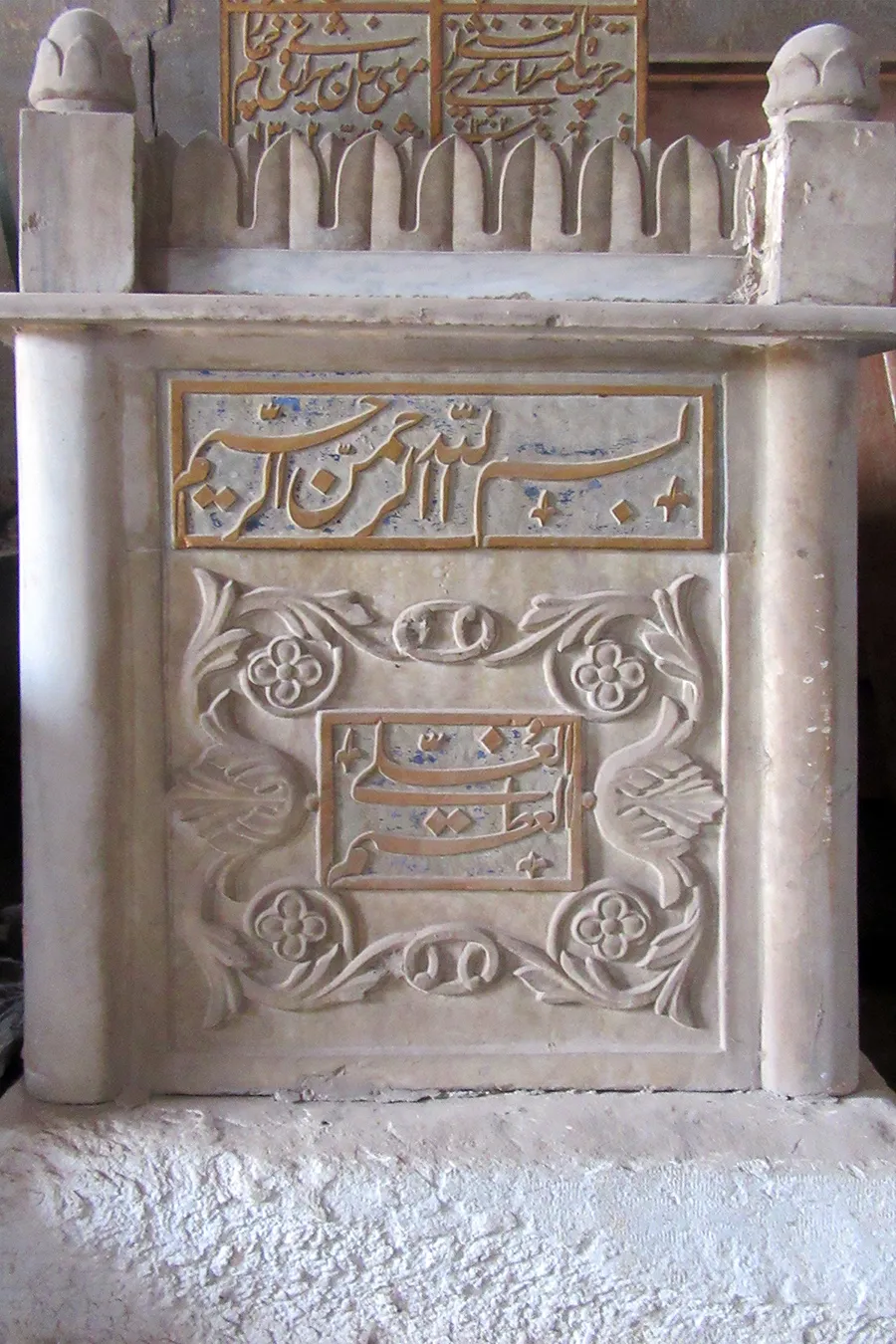
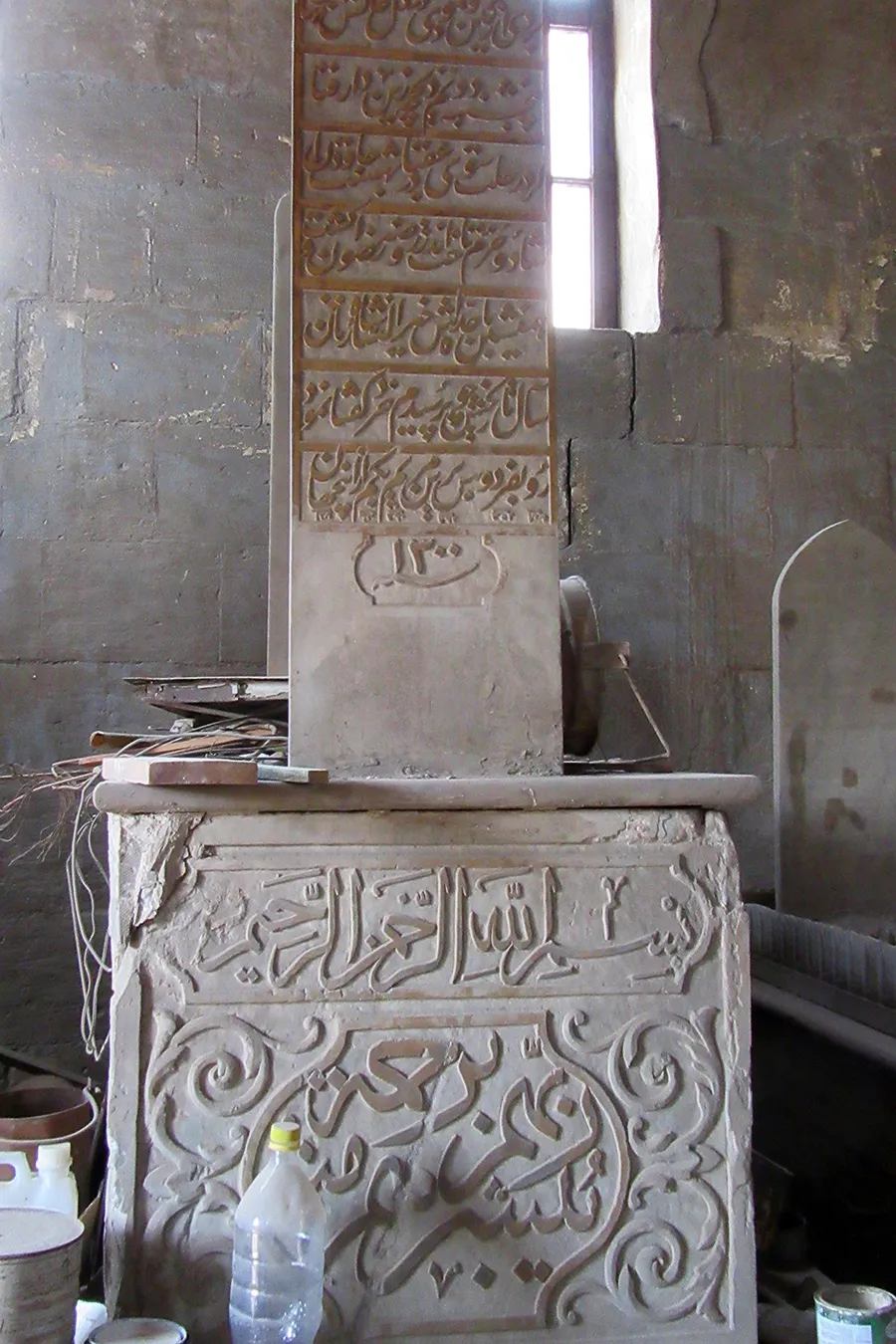
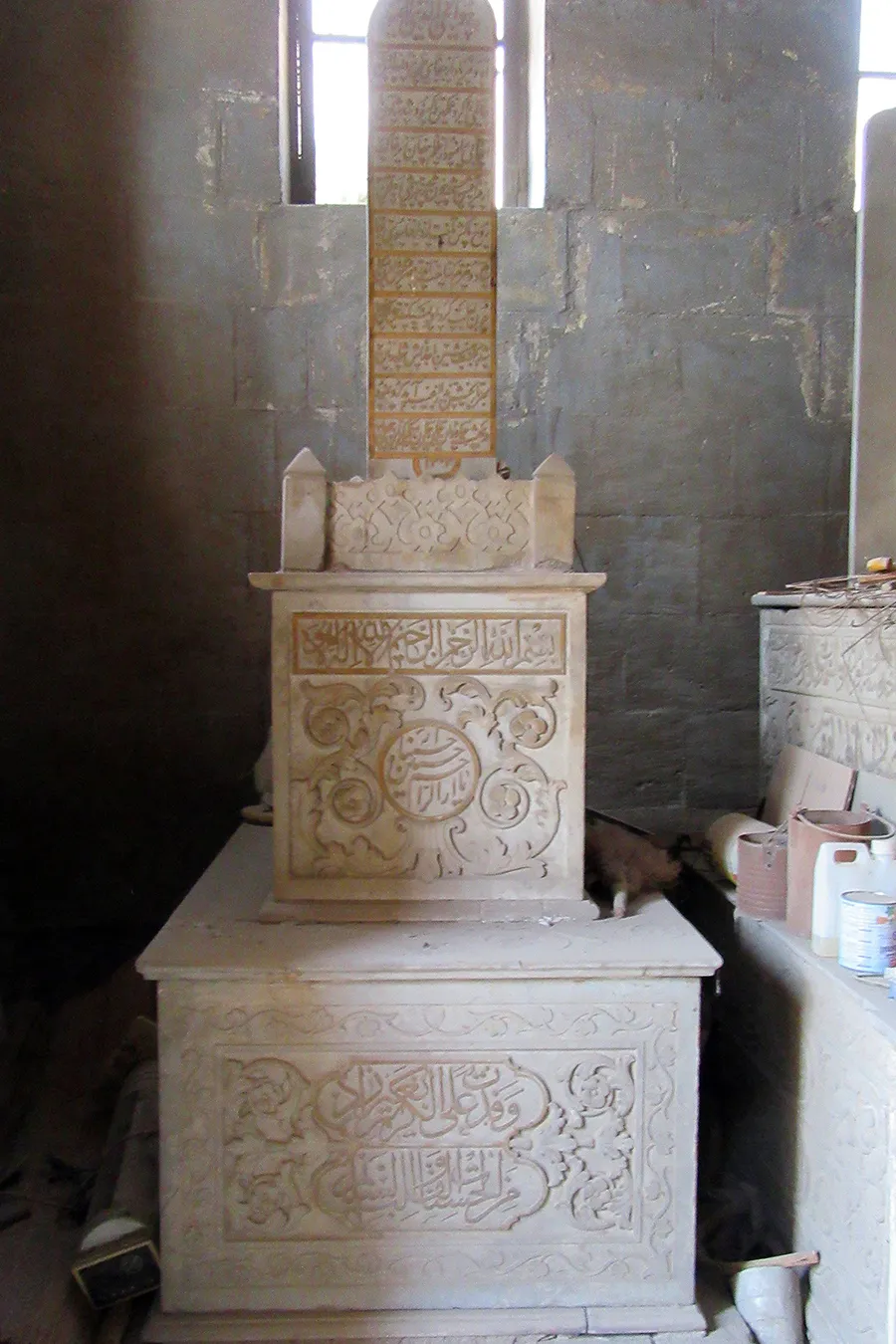
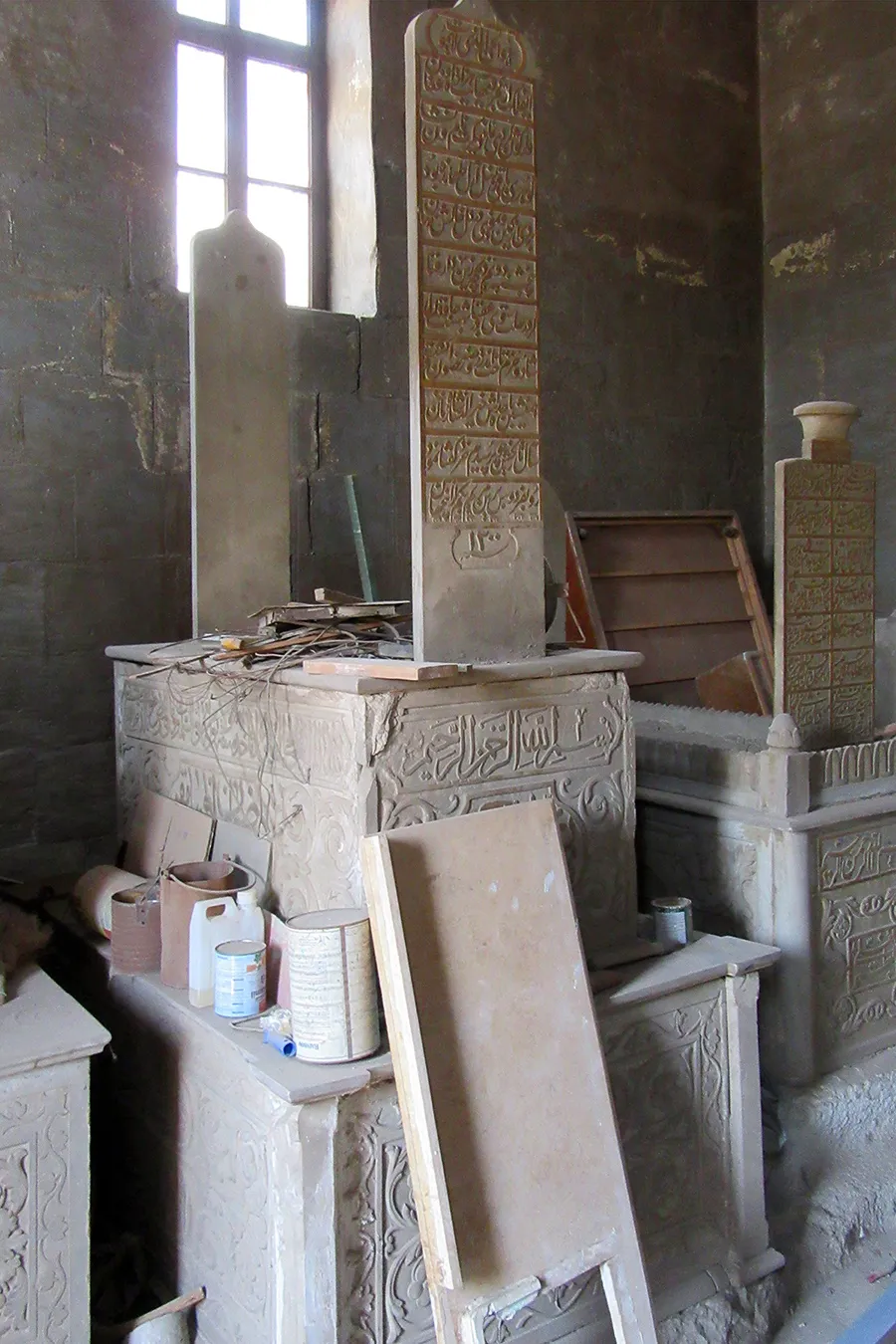
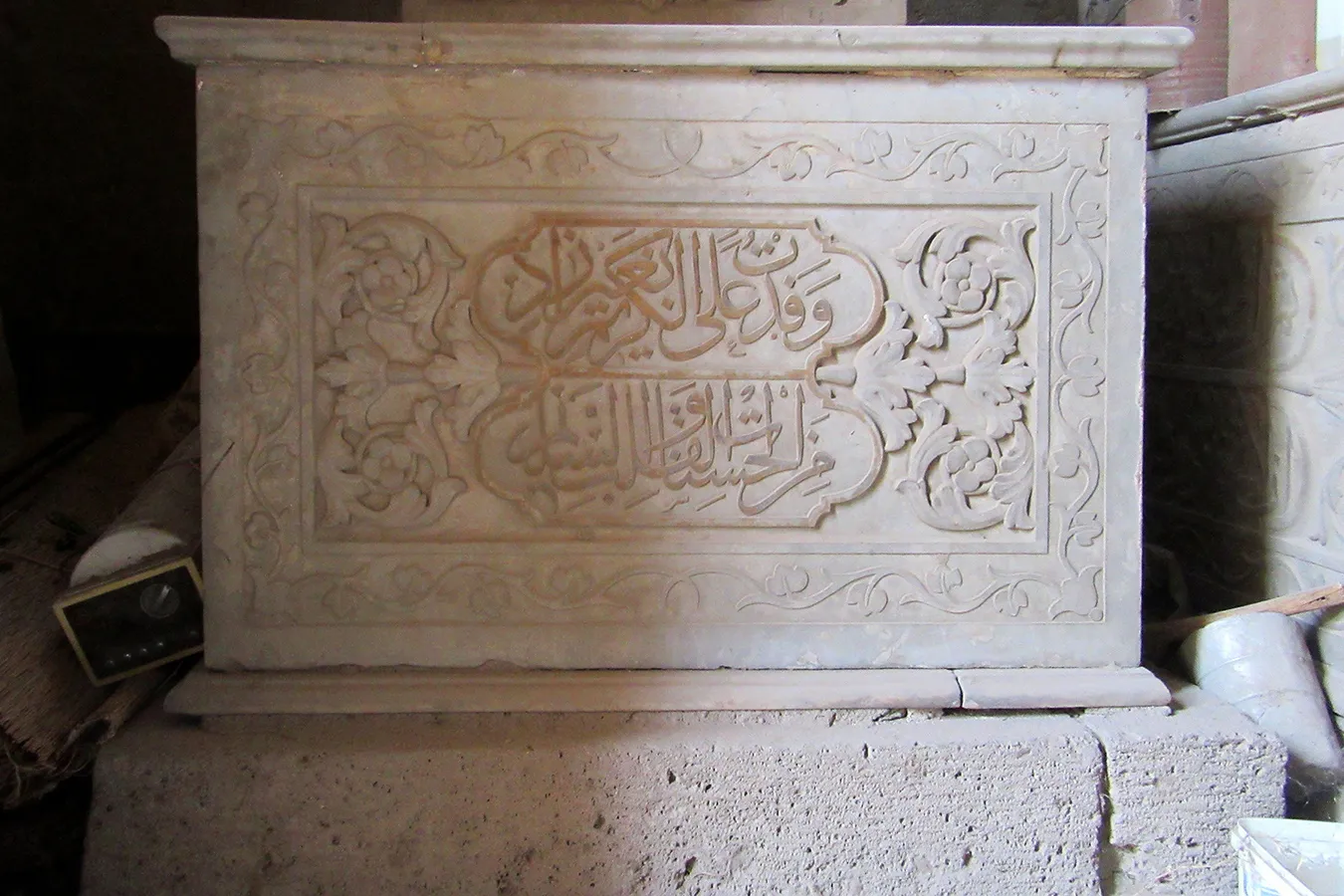
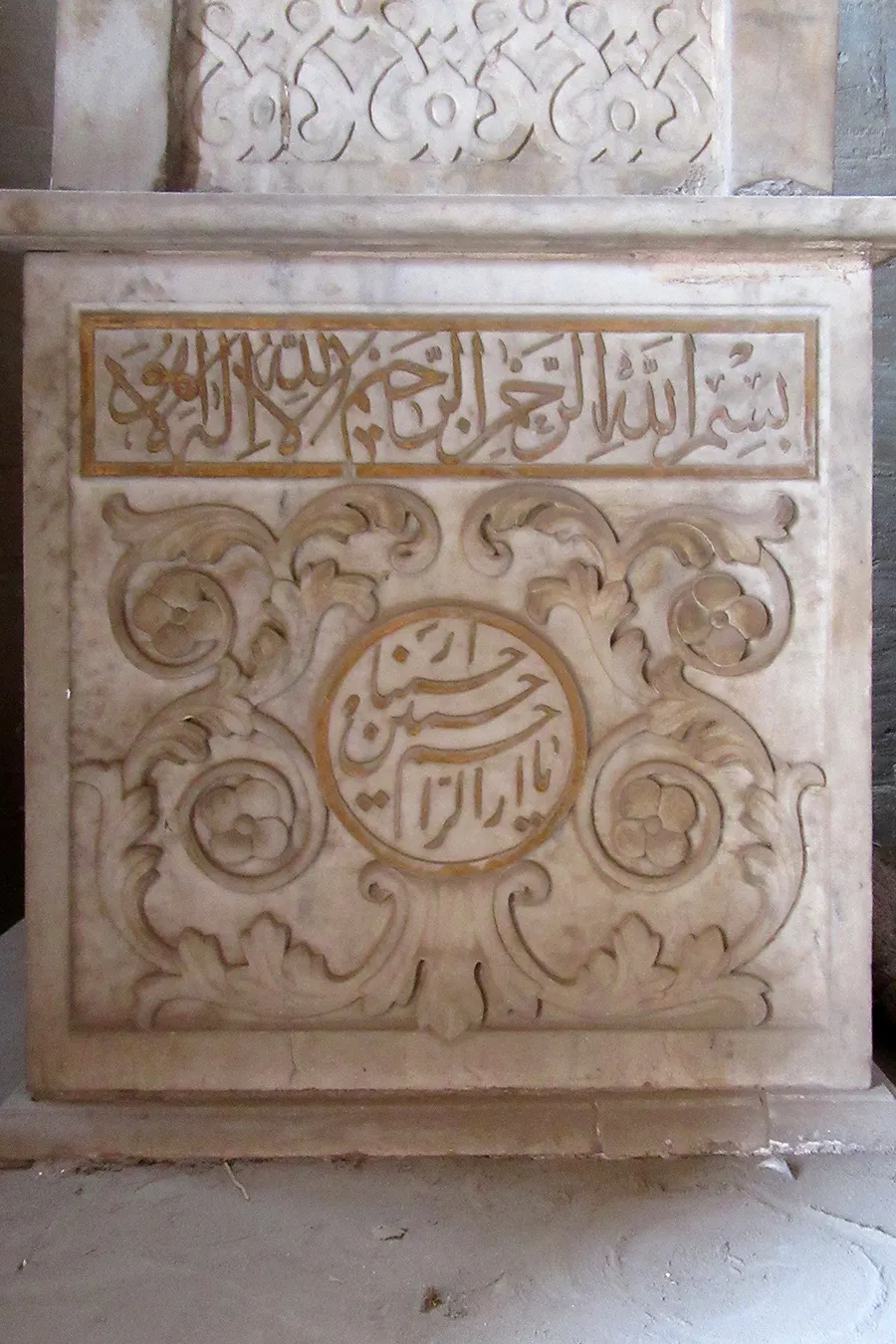
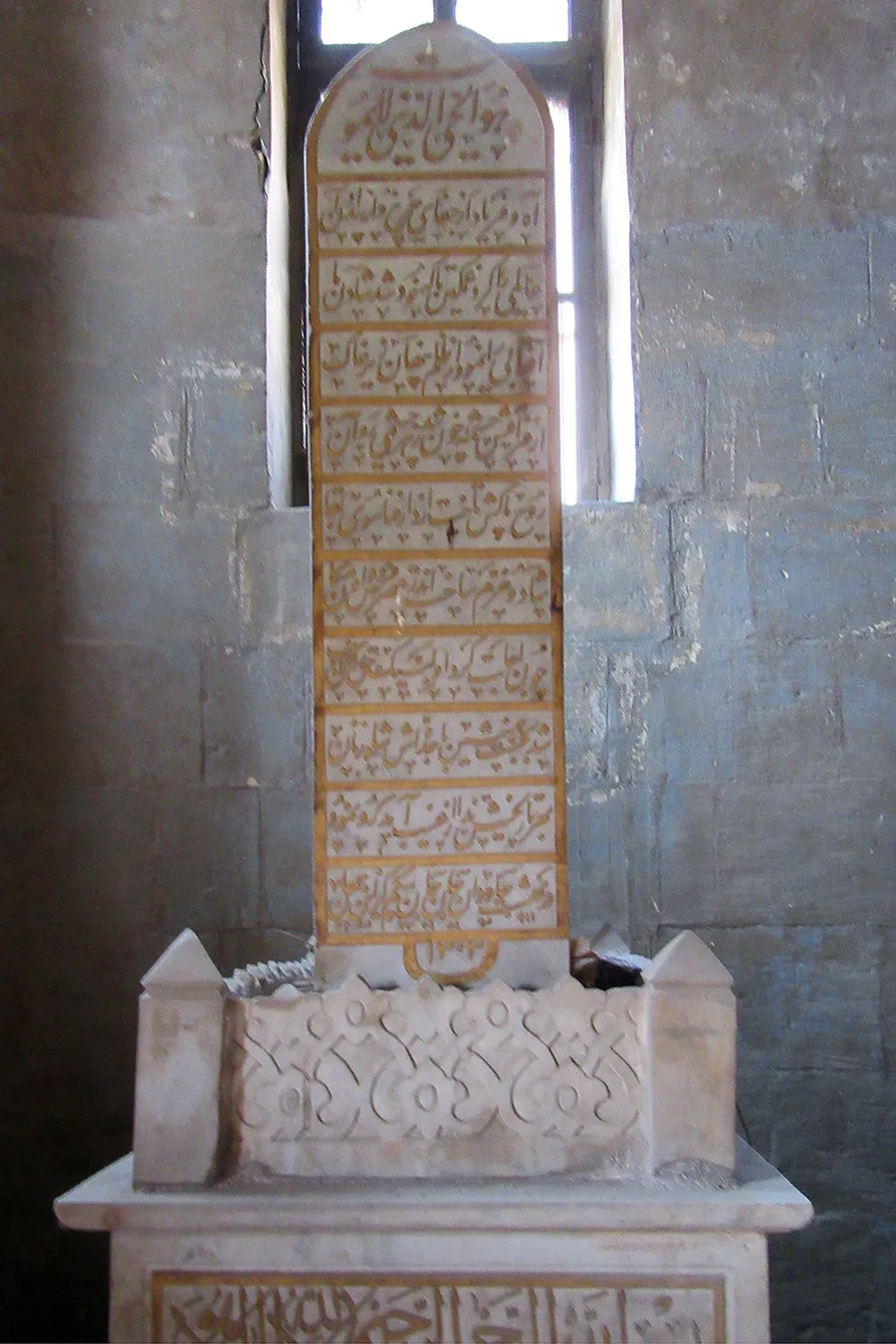
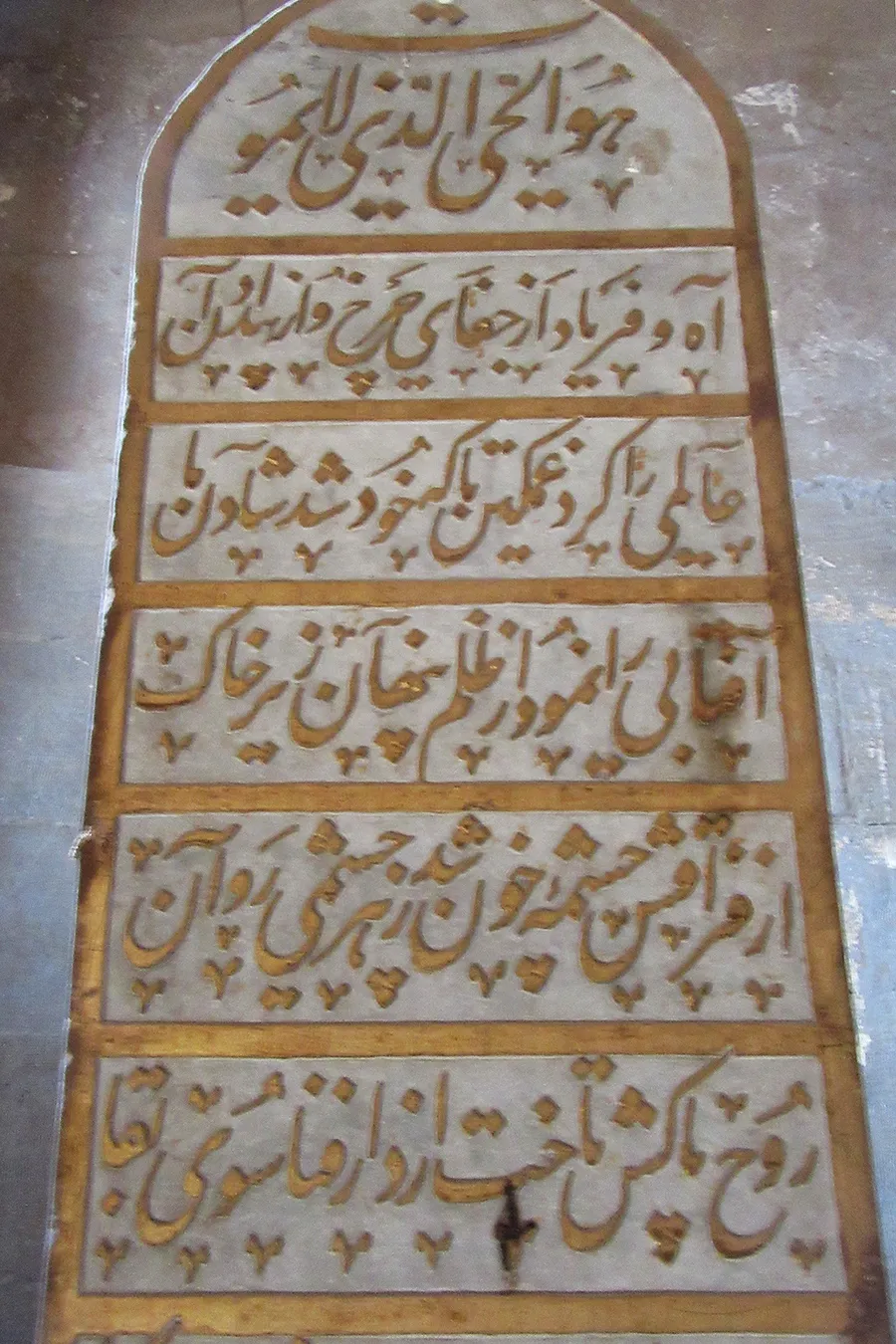
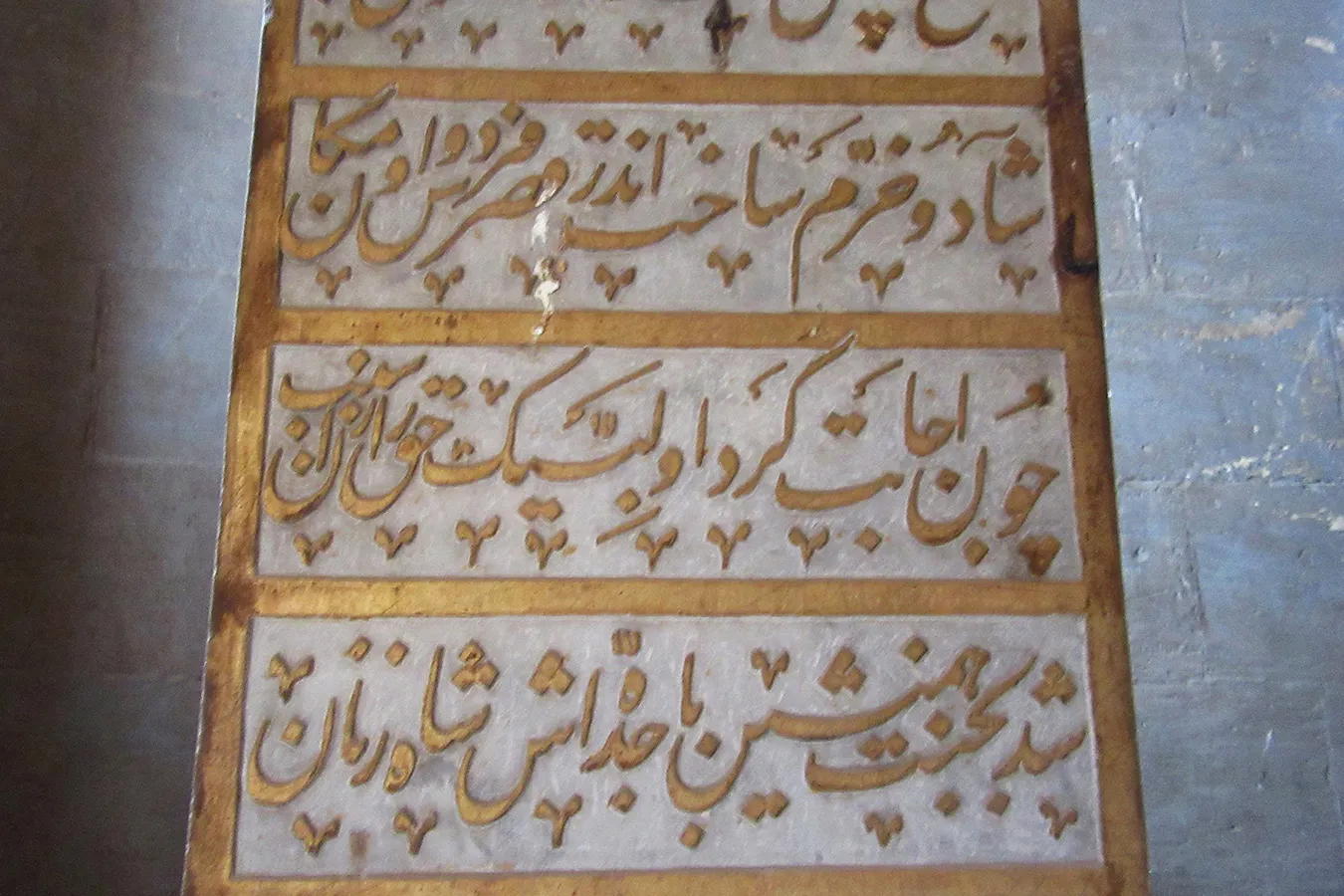
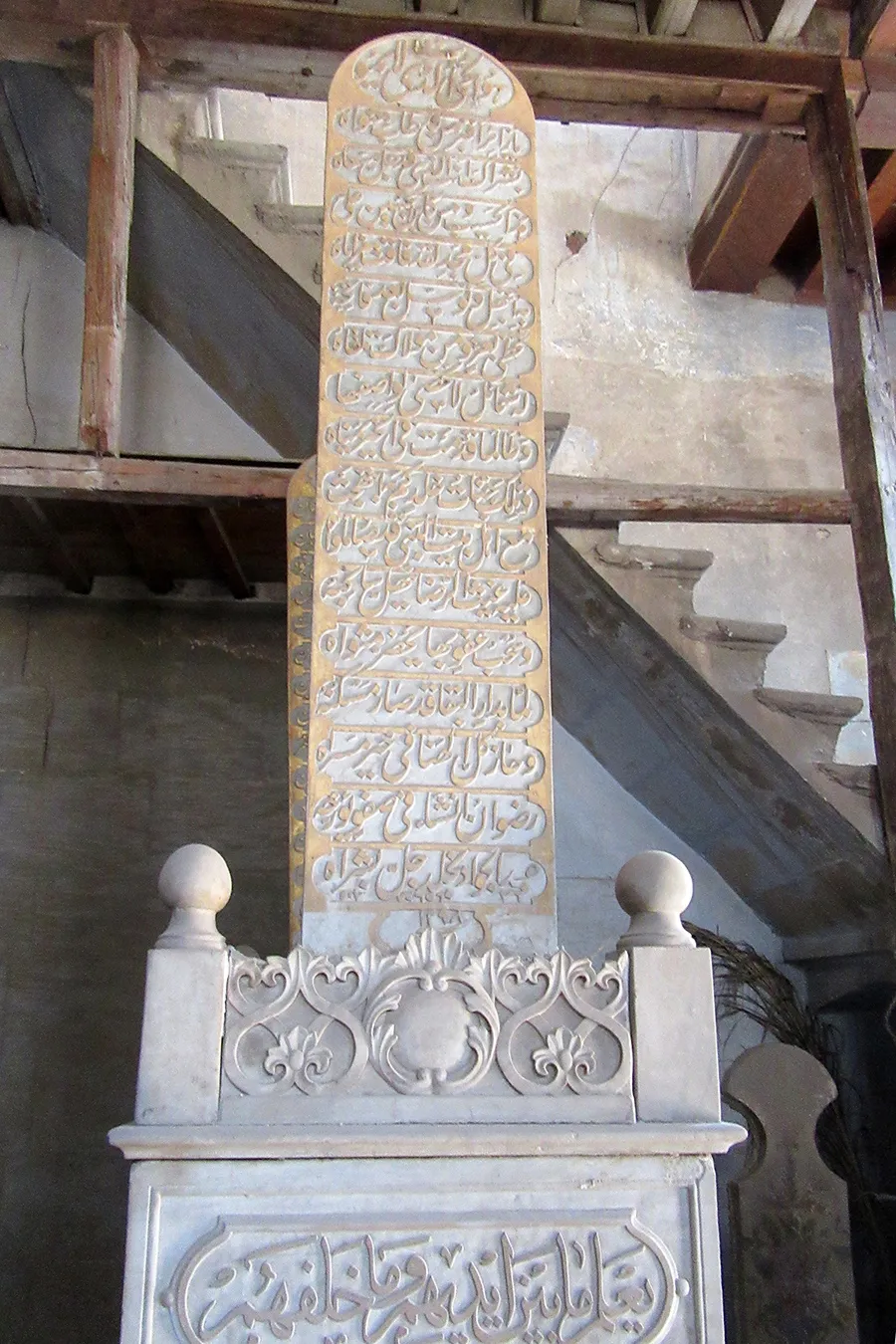
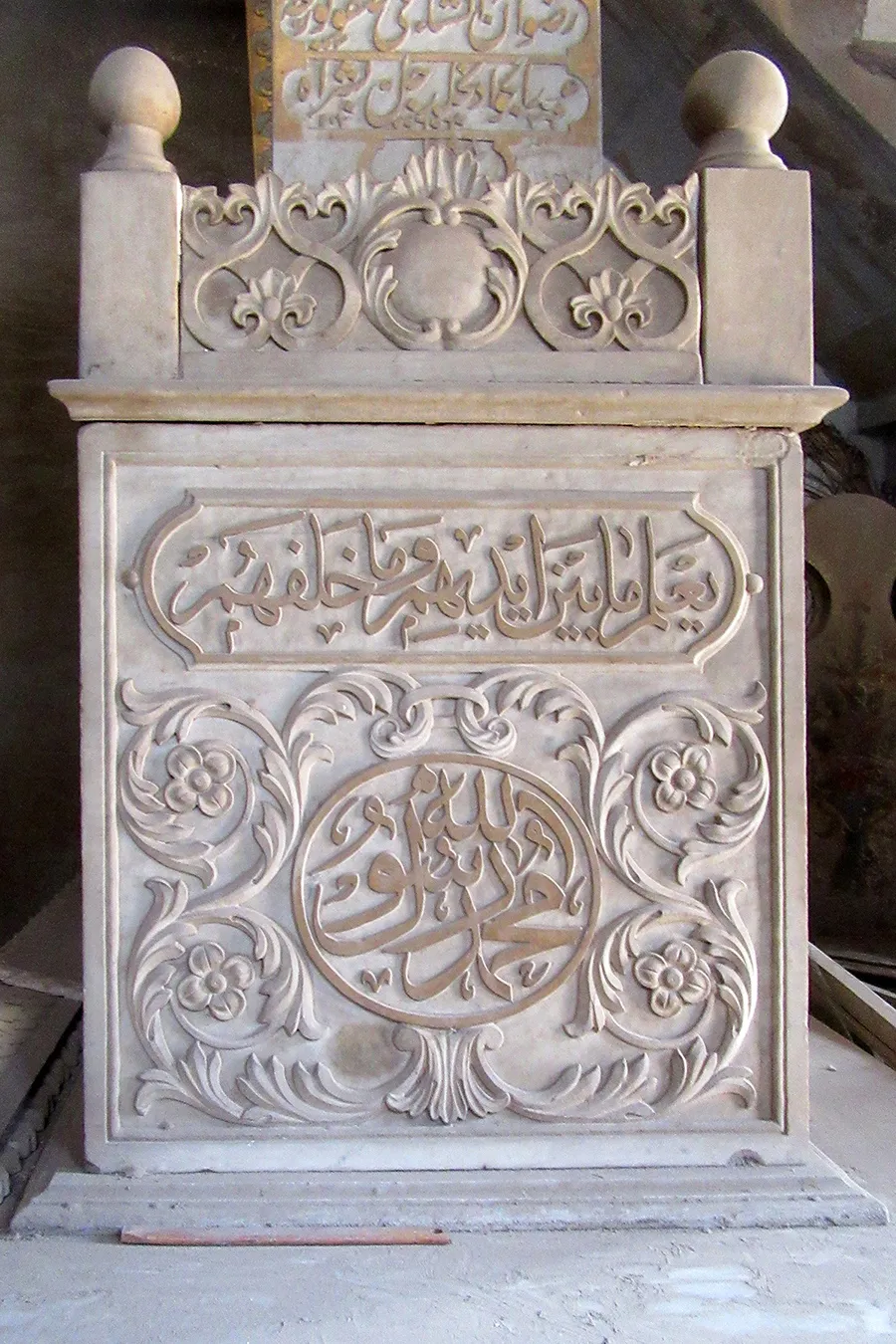
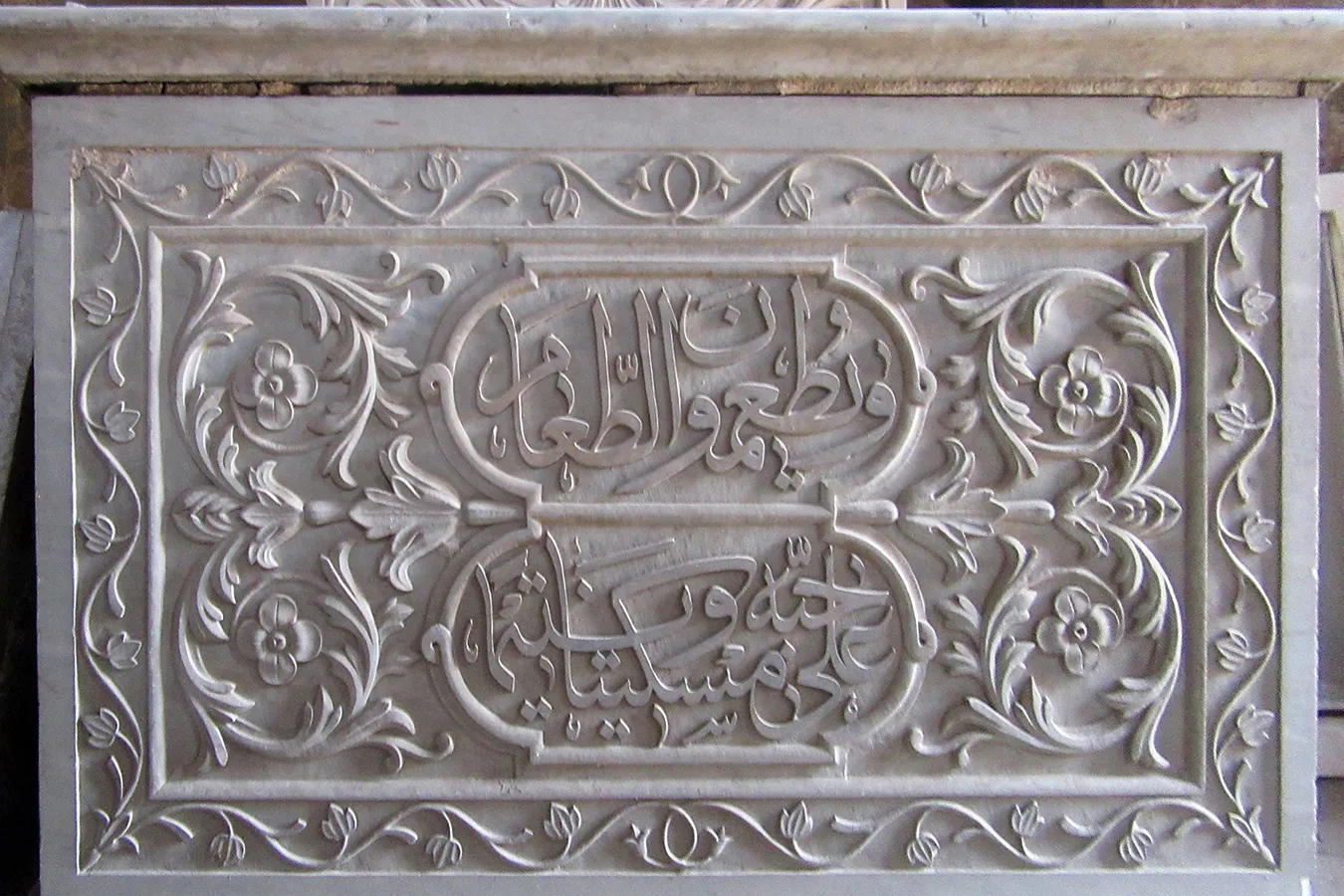
| Carved marble cenotaph(s) | Yes | 6 | 6 | Some inscriptions are in Persian |
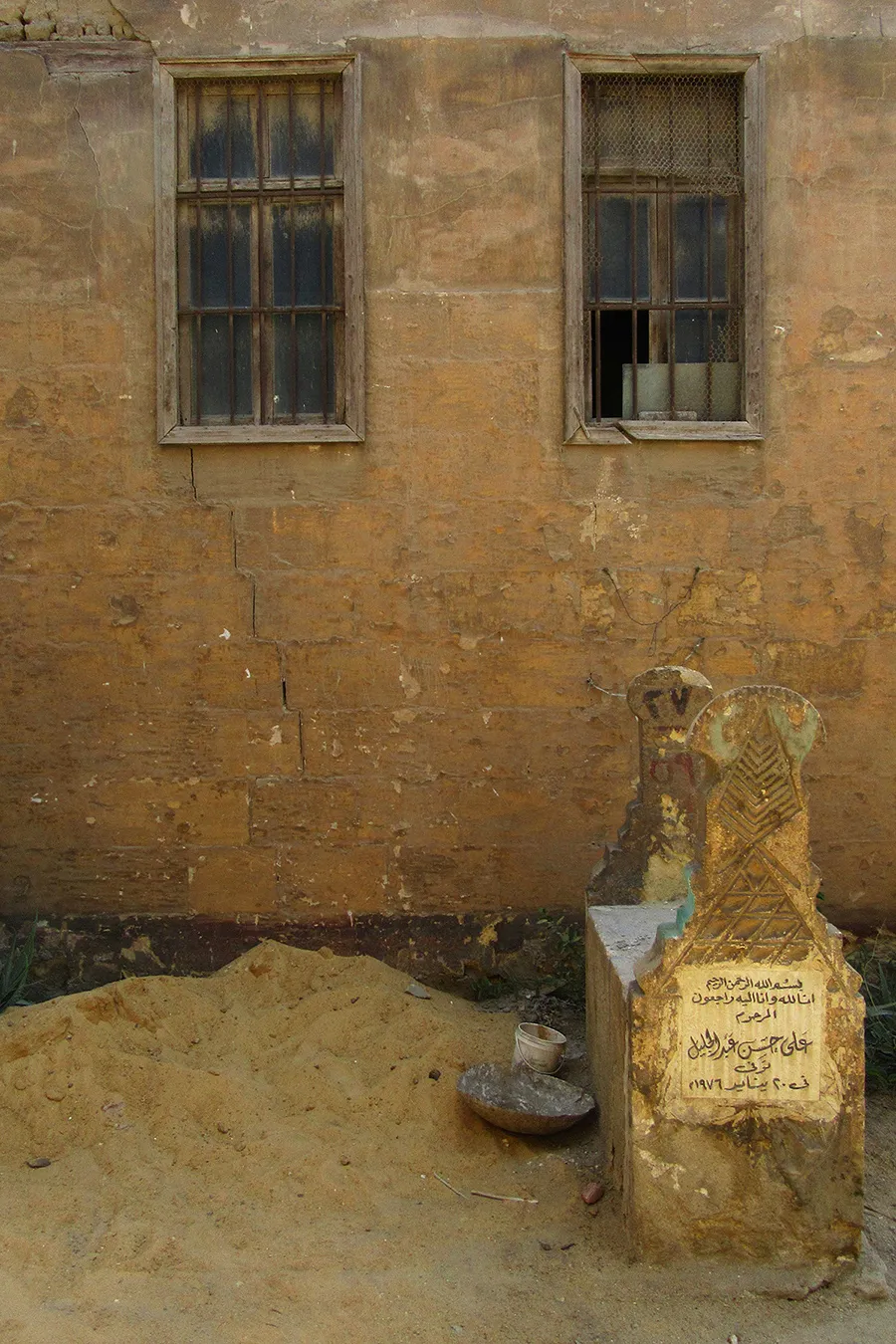
| Decorated limestone tomb-markers | Yes | 1 | limestone | More outside in the immediate vicinity |
| Decorated gateway | No | 1 | ||
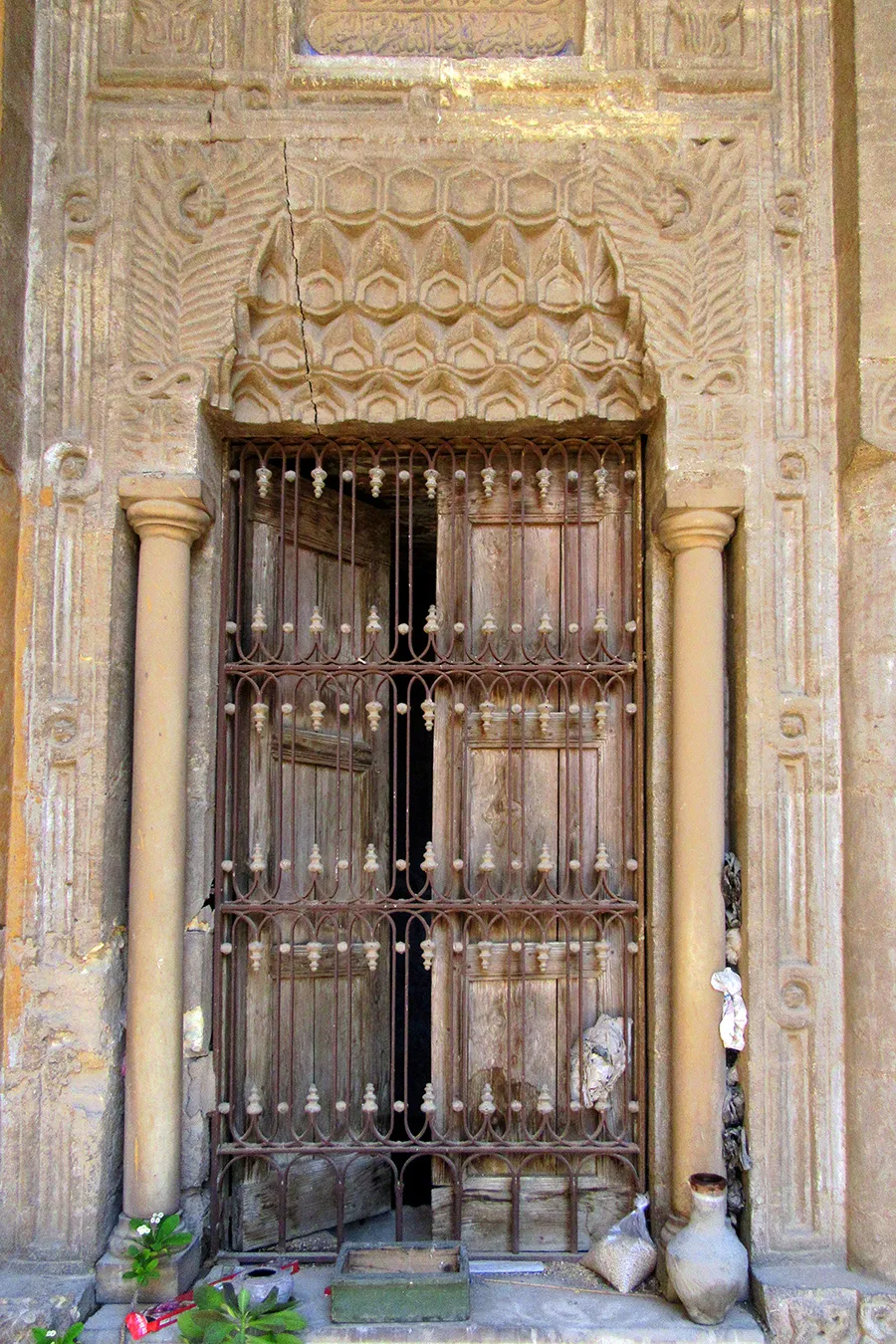
| Decorative door-leaves | Yes | 1 | wood | Simple panelled door in the N façade gate |
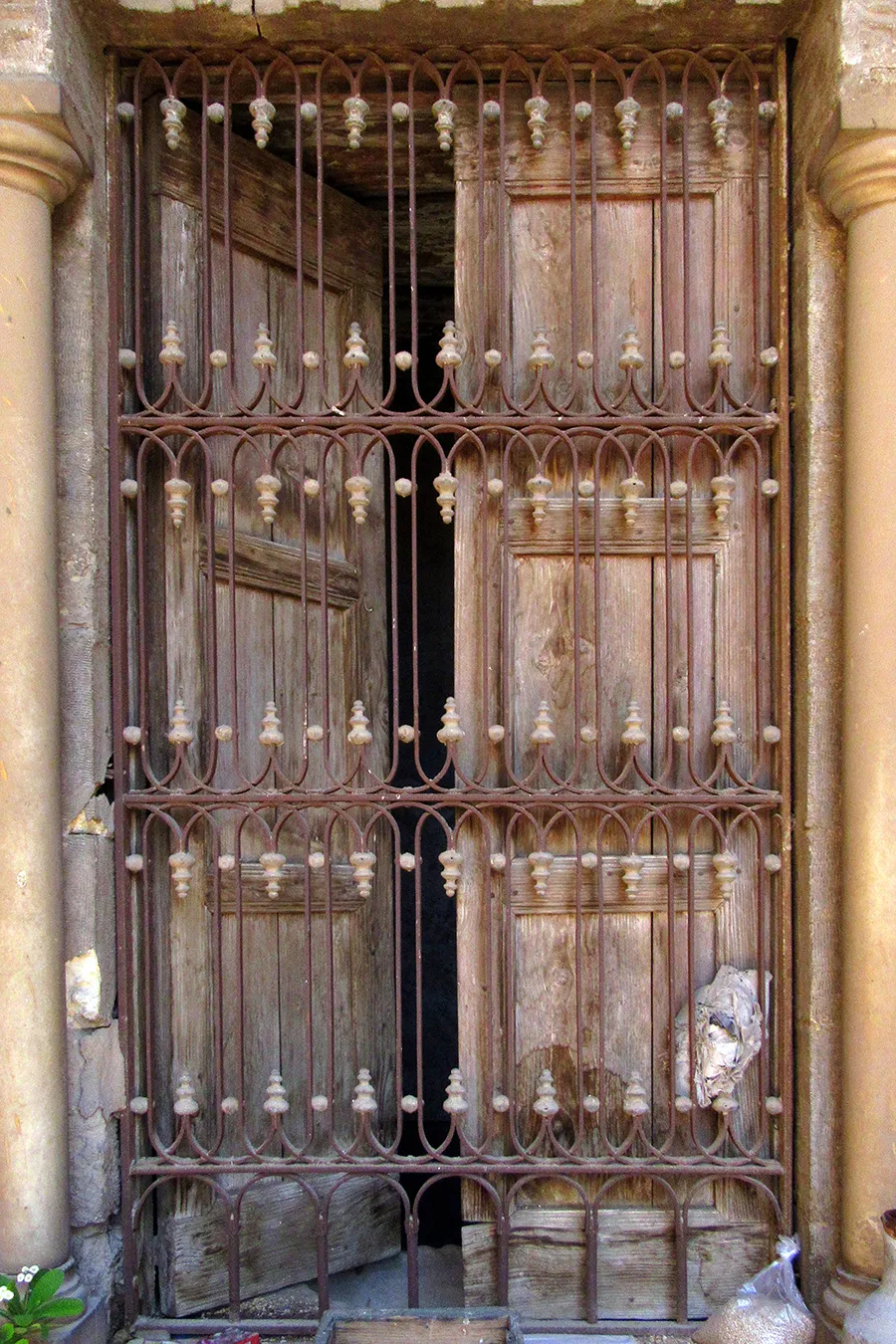
| Decorative window grilles | No | iron | The sabil window grille | |
| Decorative shutters | No | |||
| Painted ceiling(s) | No | |||
| Decorative paving(s) | No |
Unusual or unique features
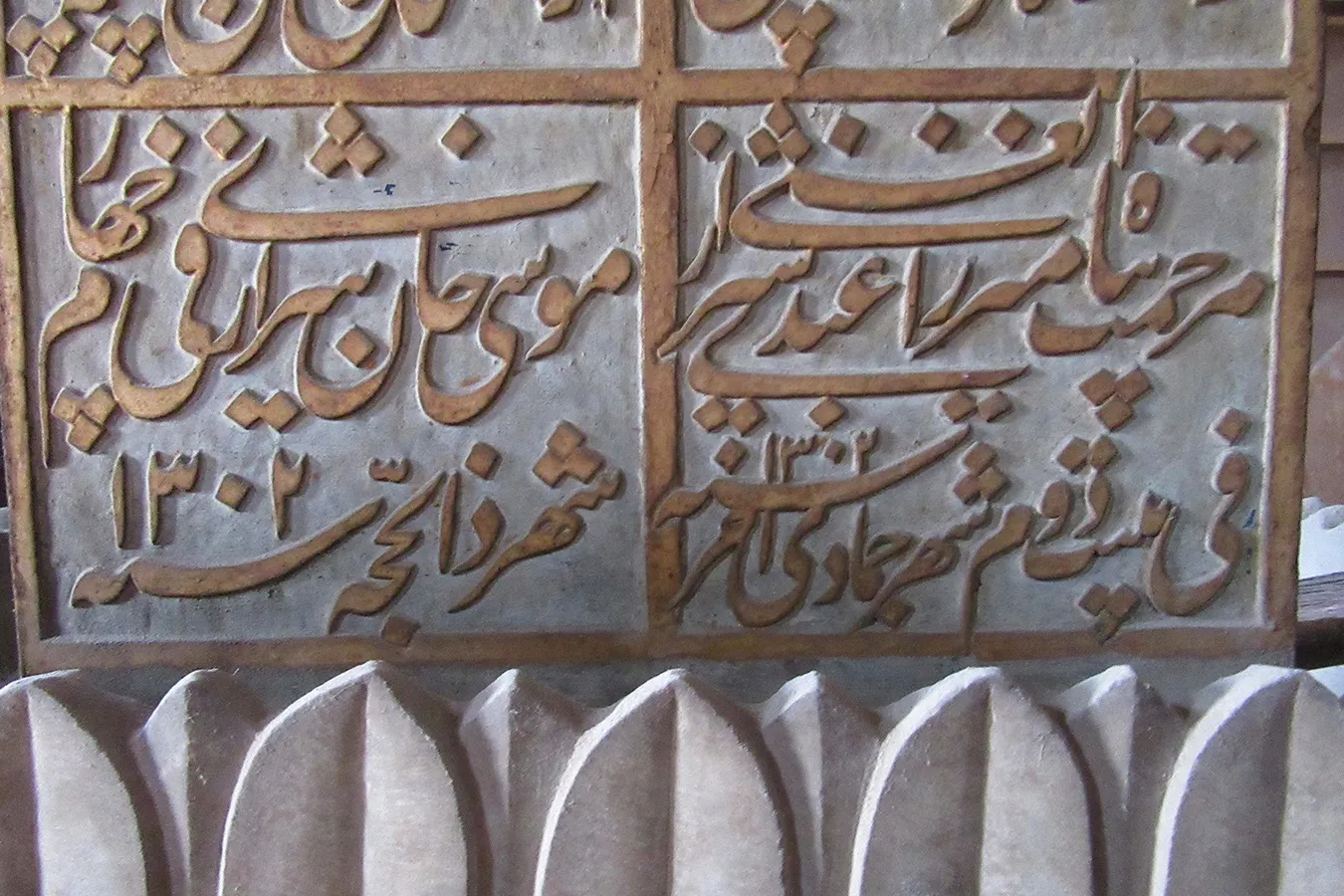
• Some of the inscriptions on the marble cenotaphs are in the Persian language
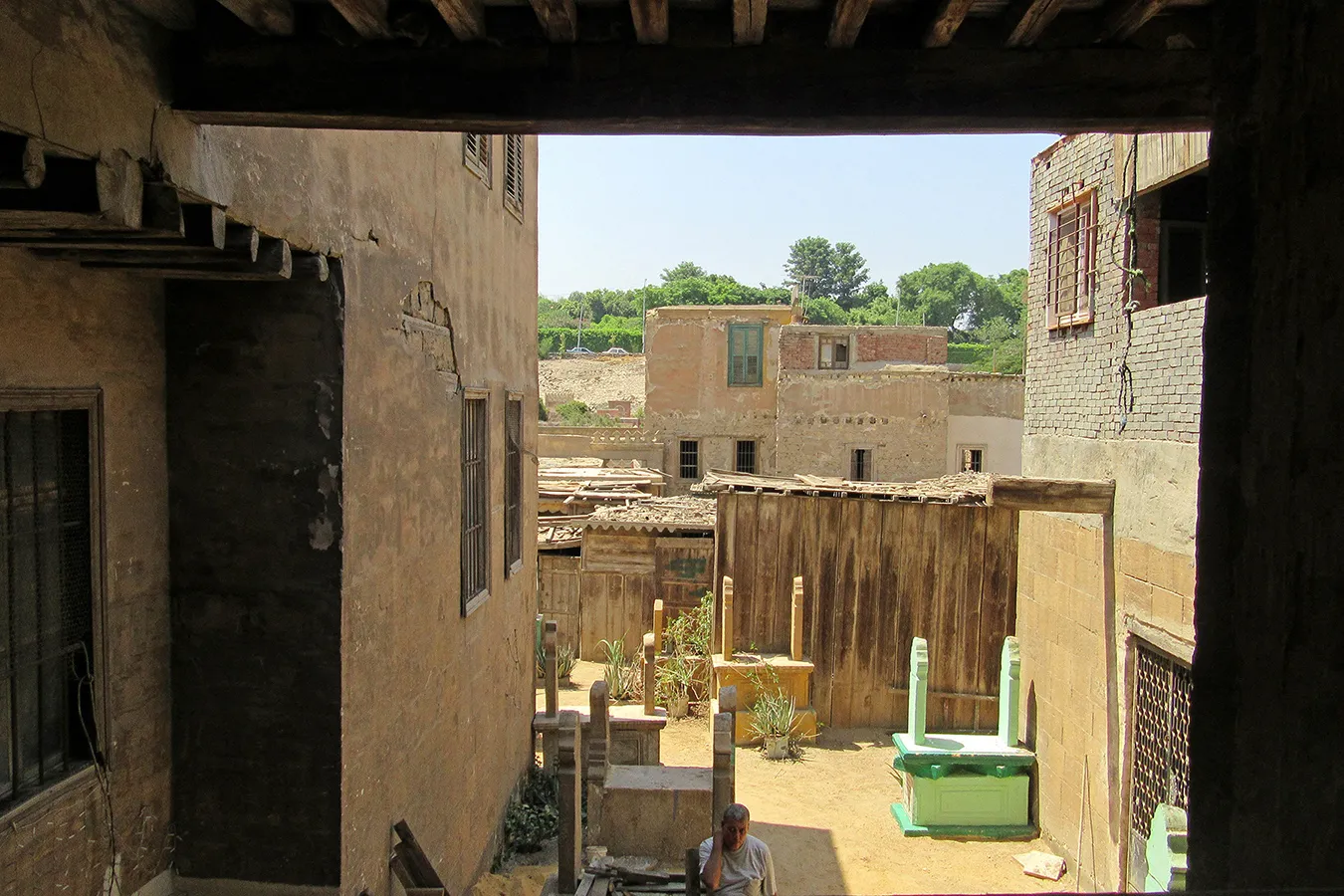
• Unusually for the “Desert of the Mamluks” cemetery, the funerary unit is not placed within any clearly defined enclosure
Description (The direction towards Mecca (Qibla) is described as eastern and other directions are named accordingly)
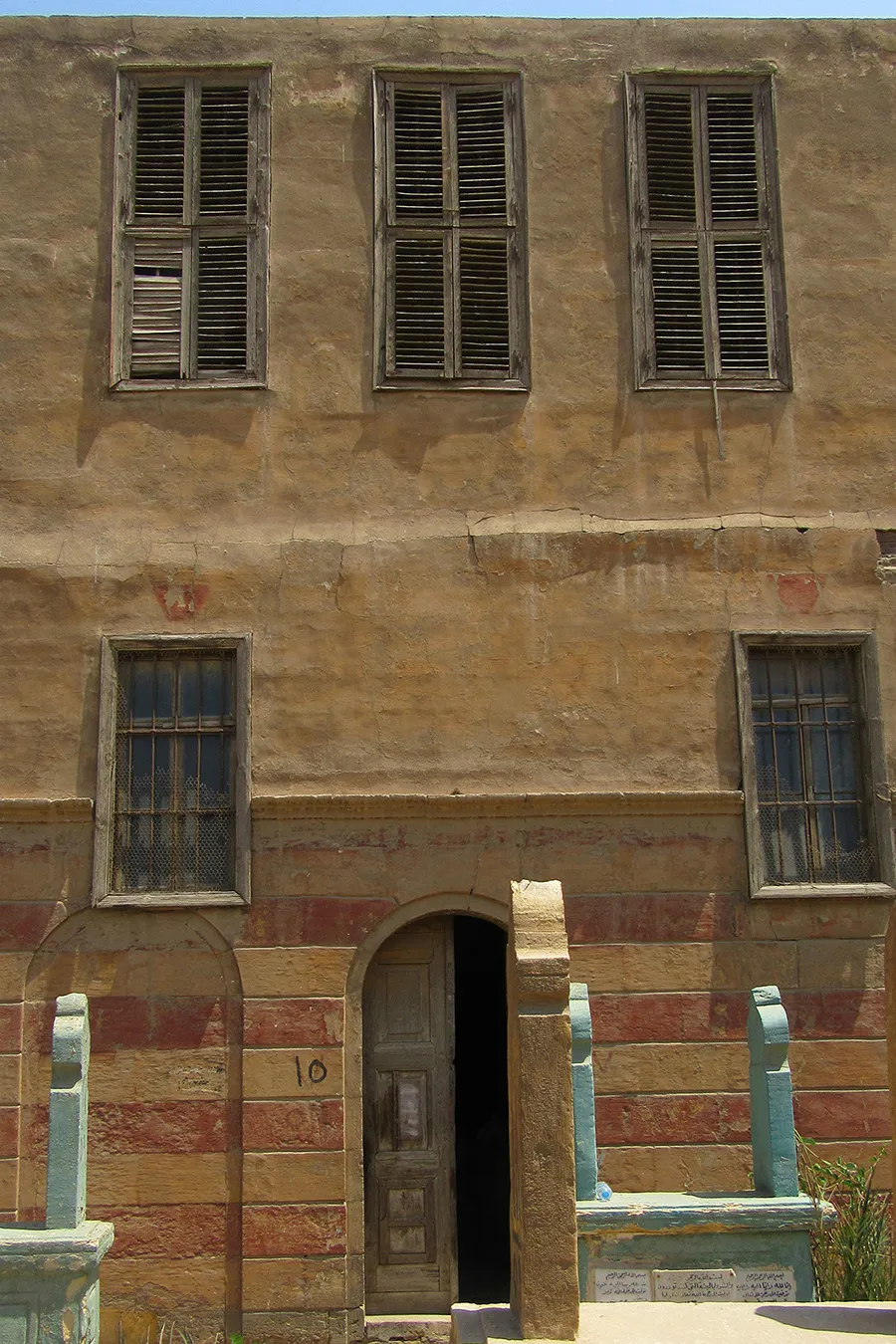
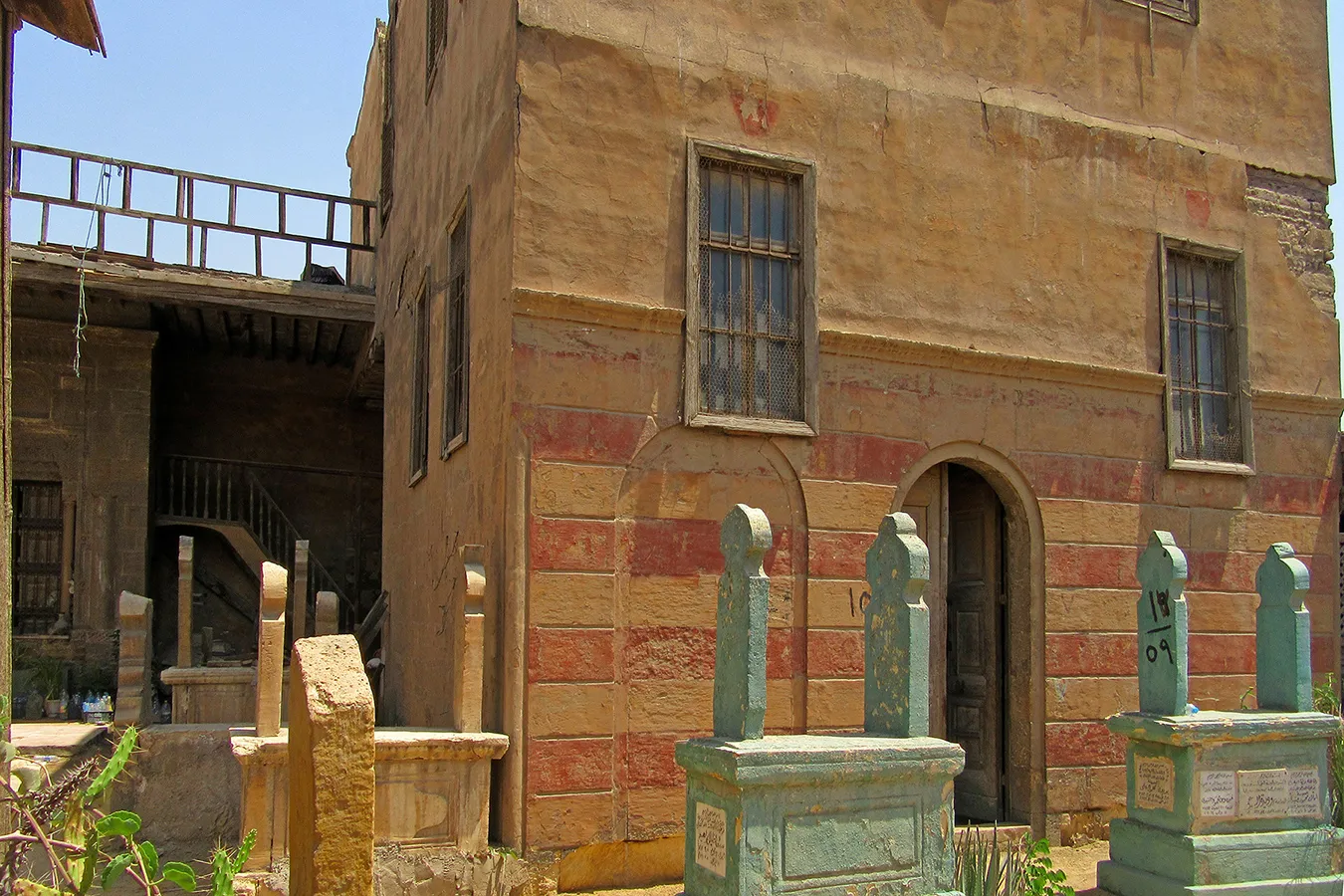
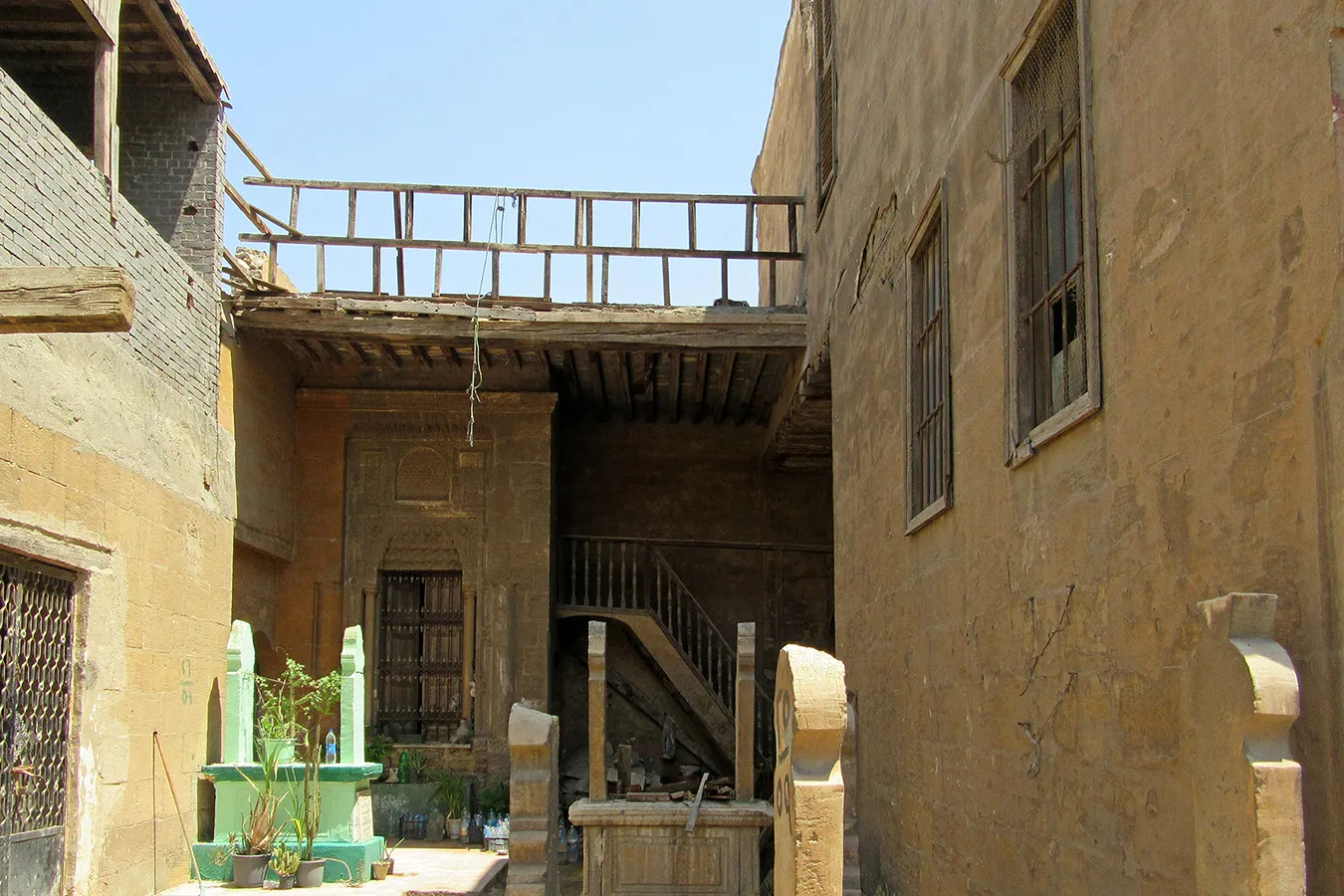
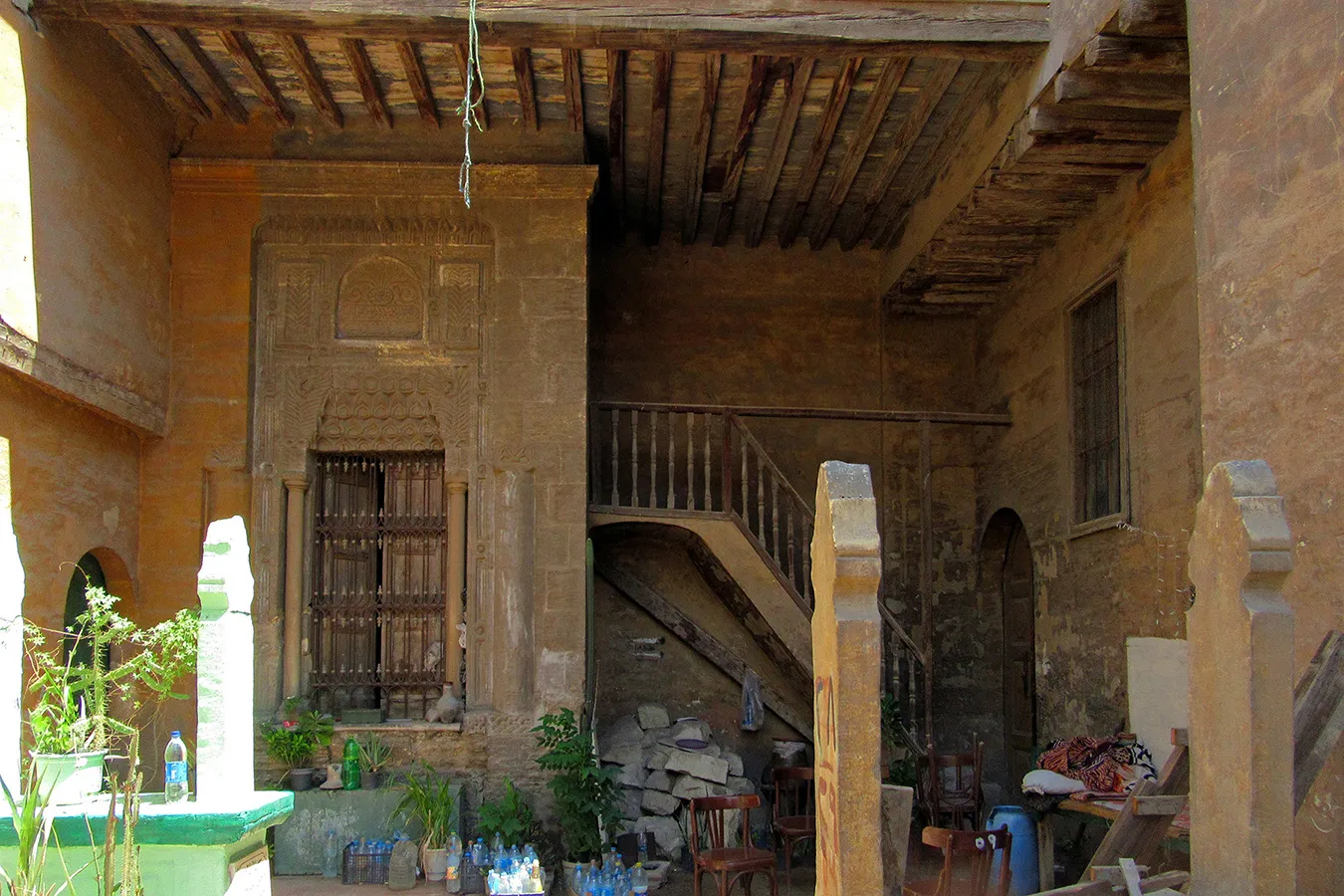
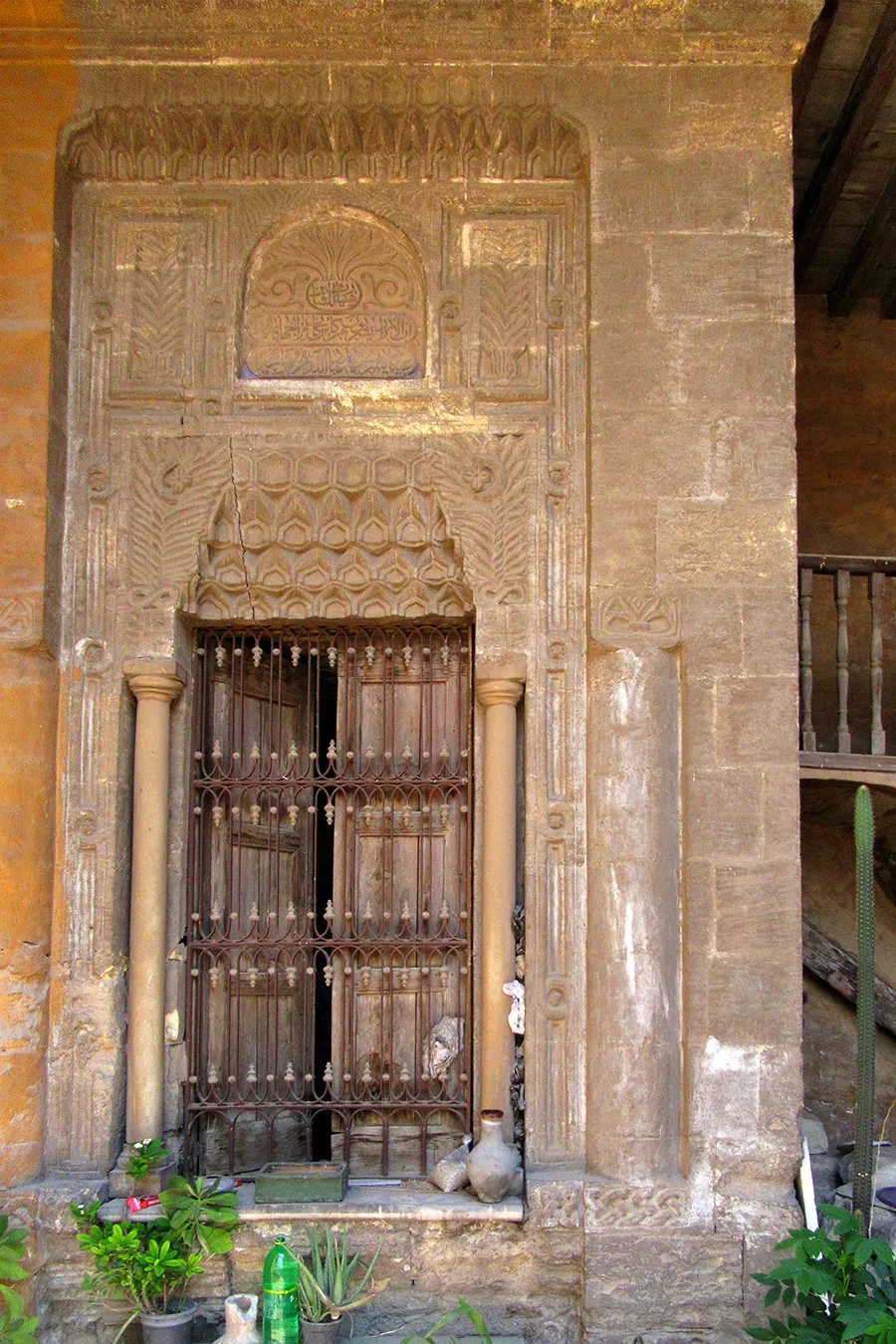
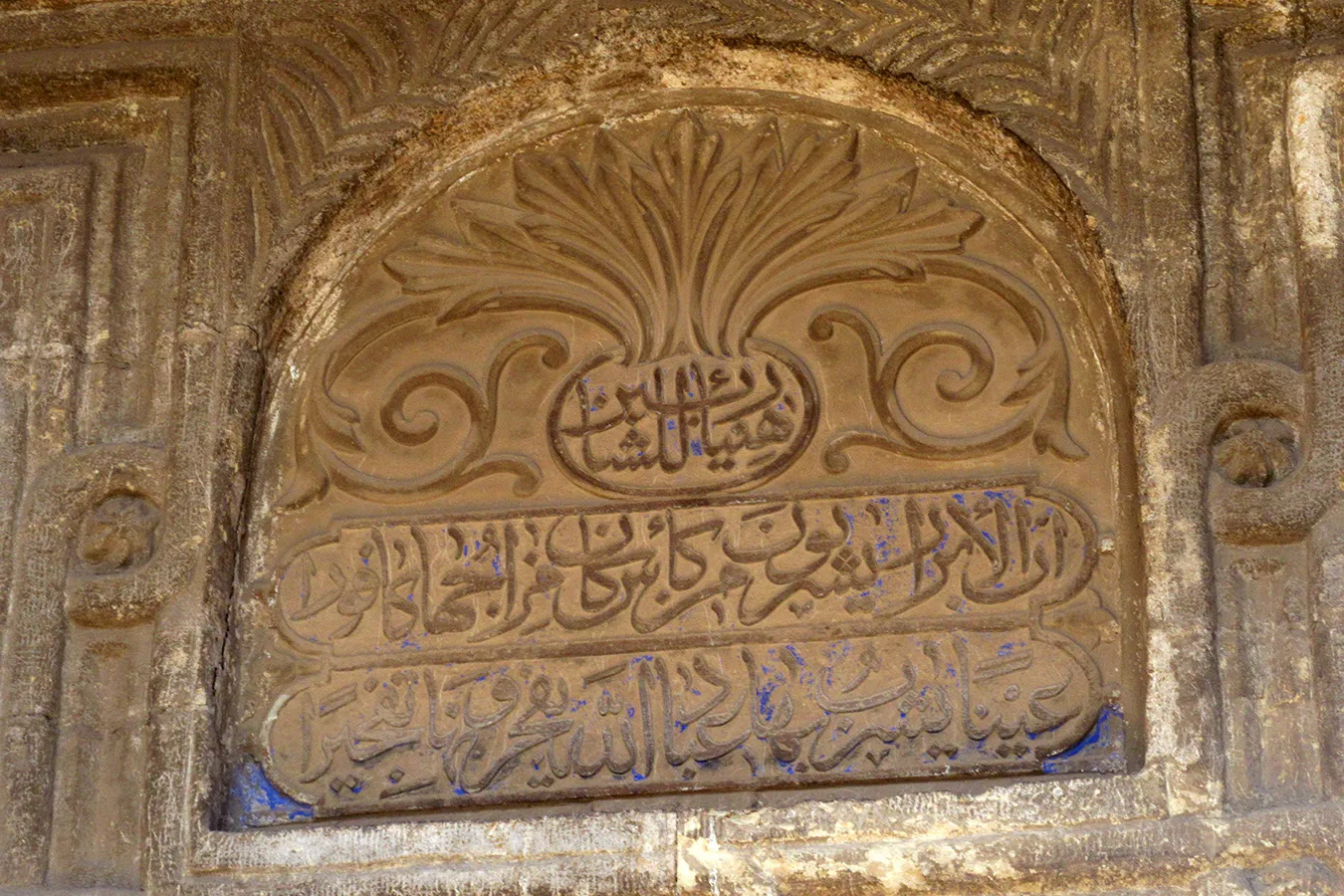
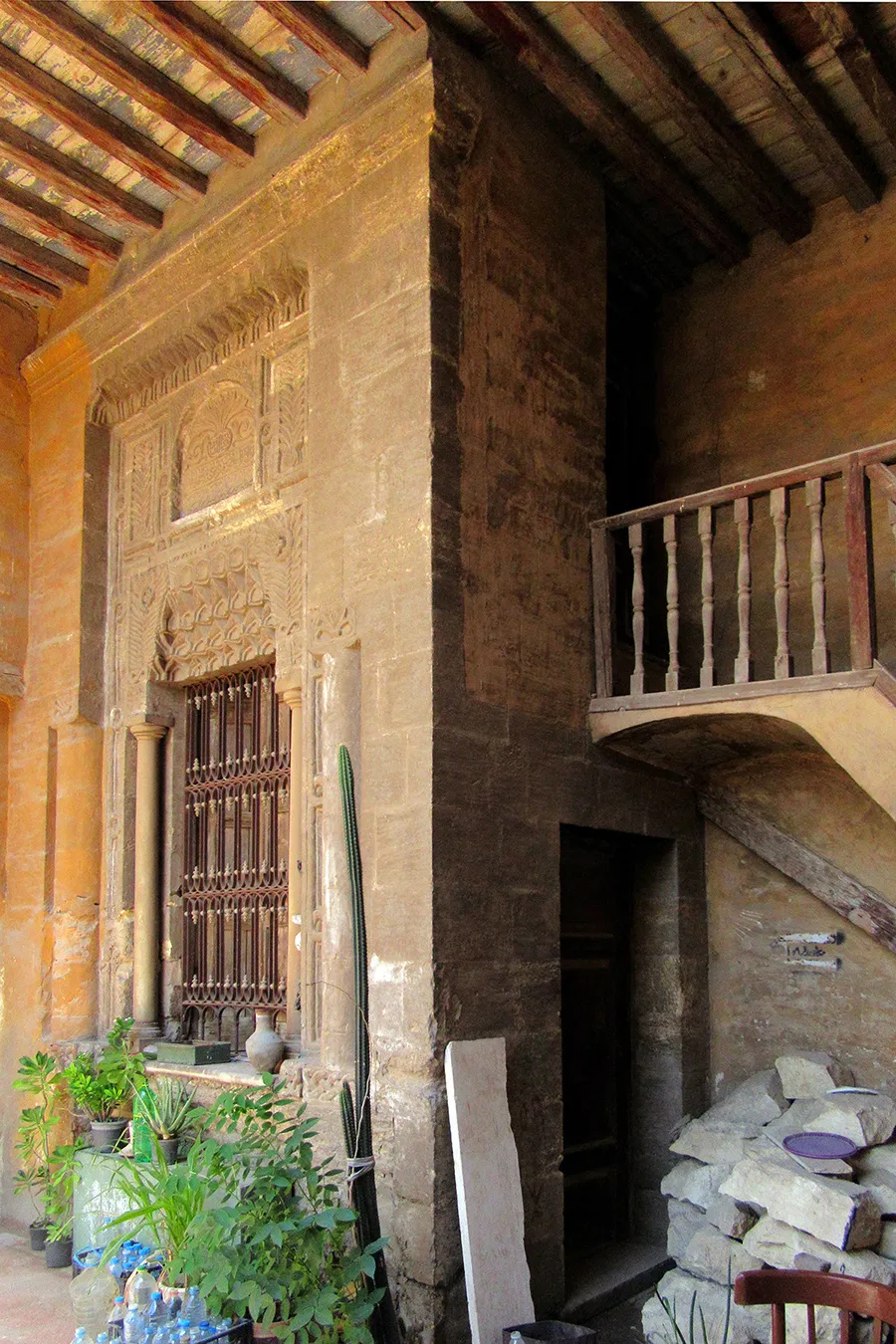
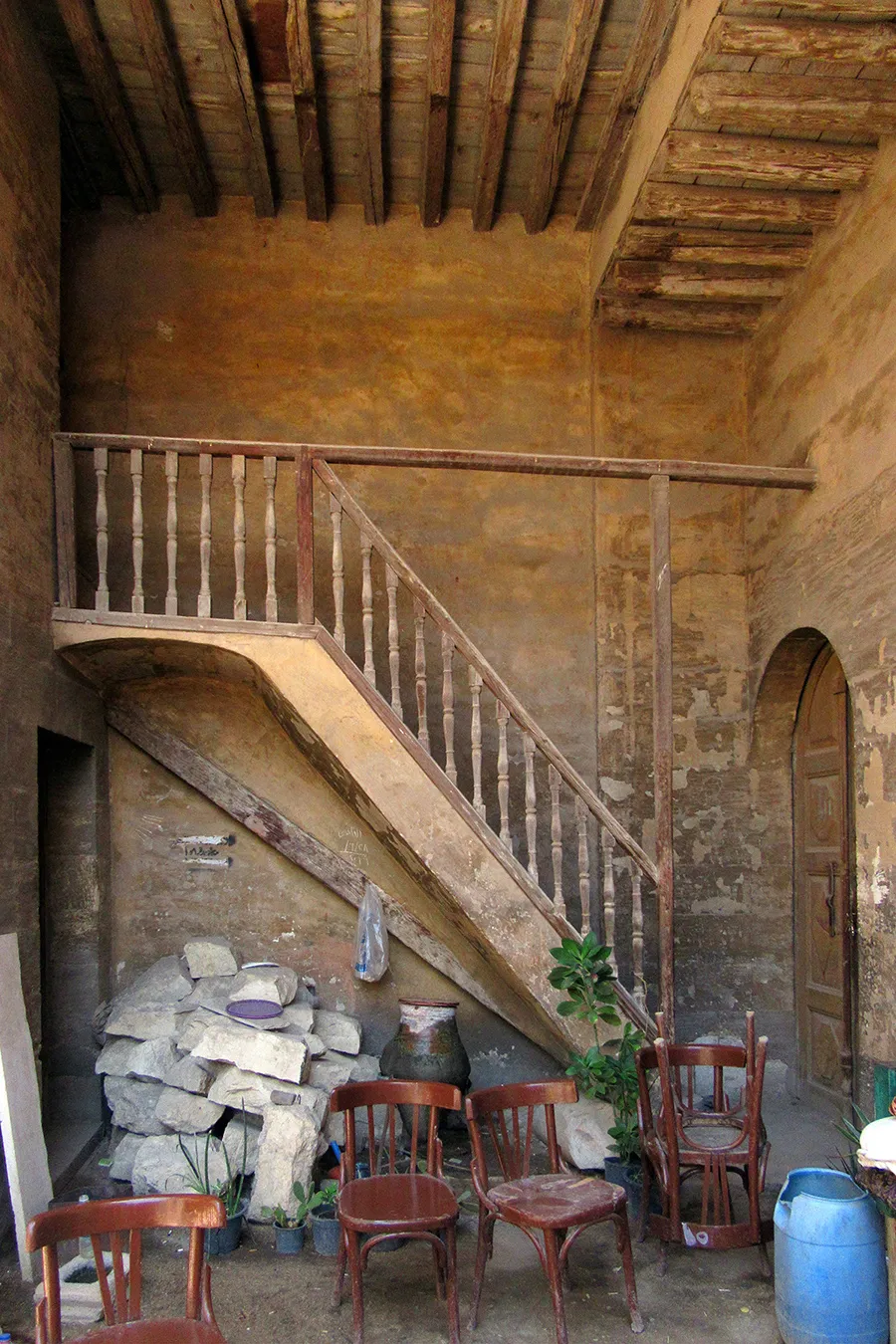
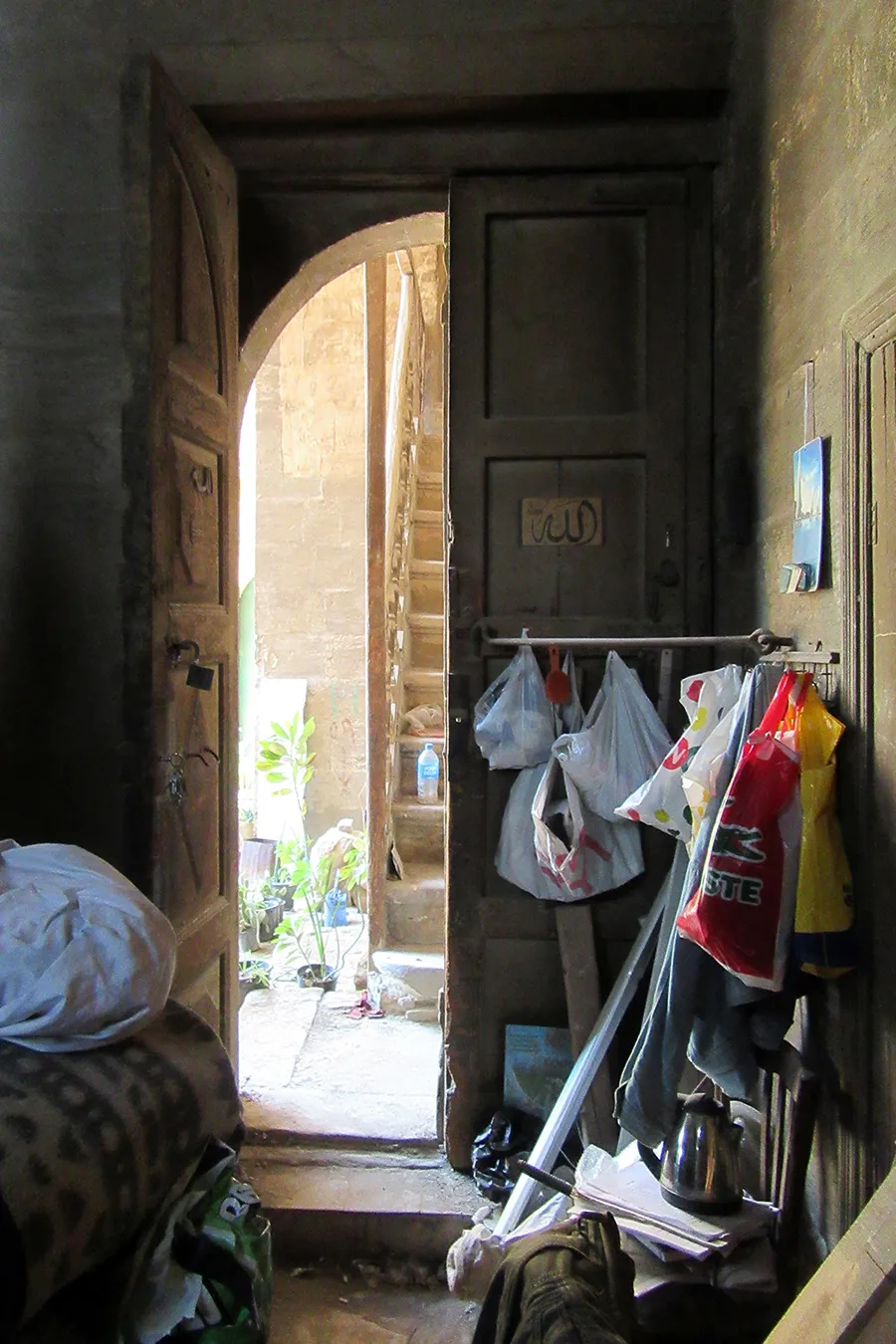
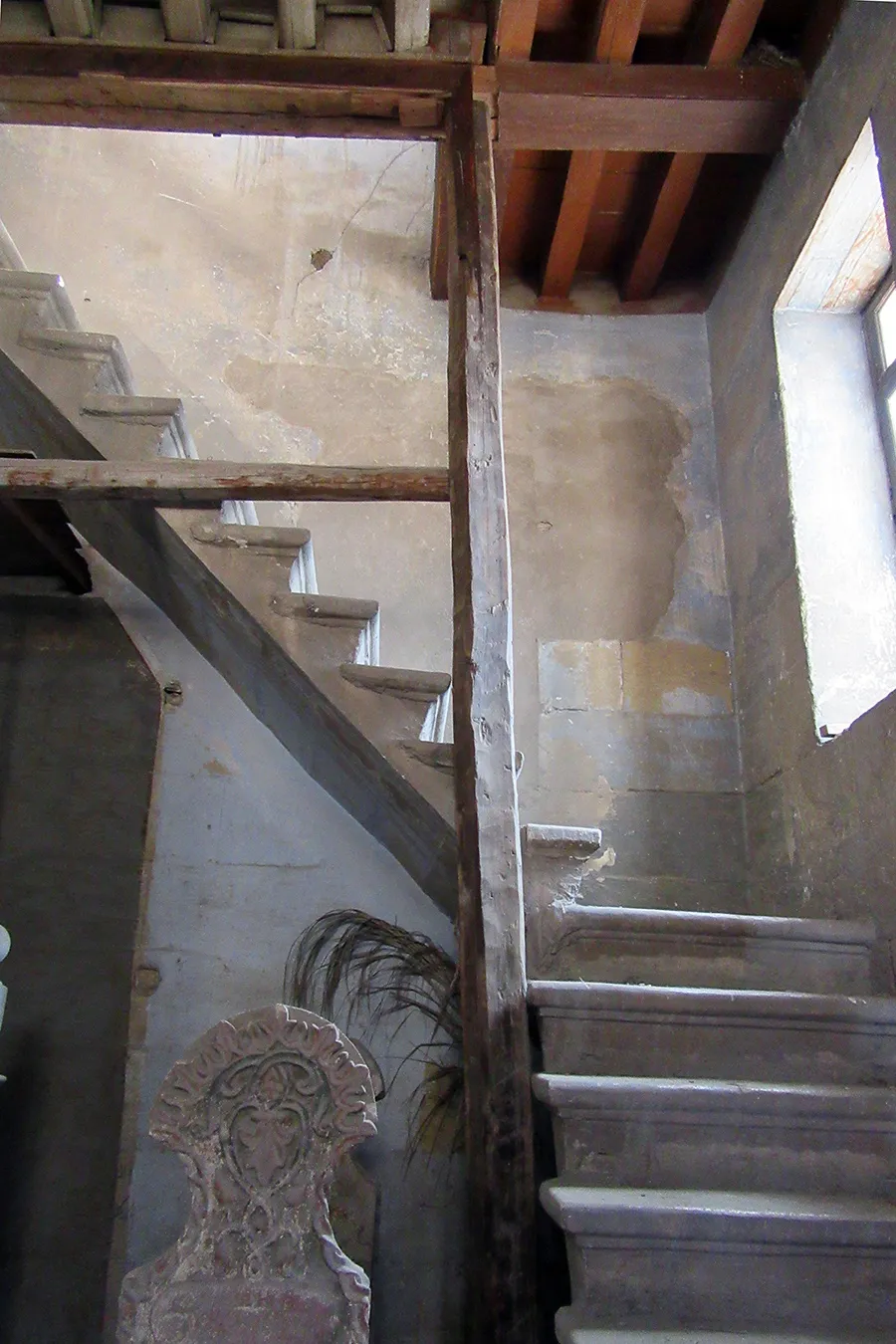
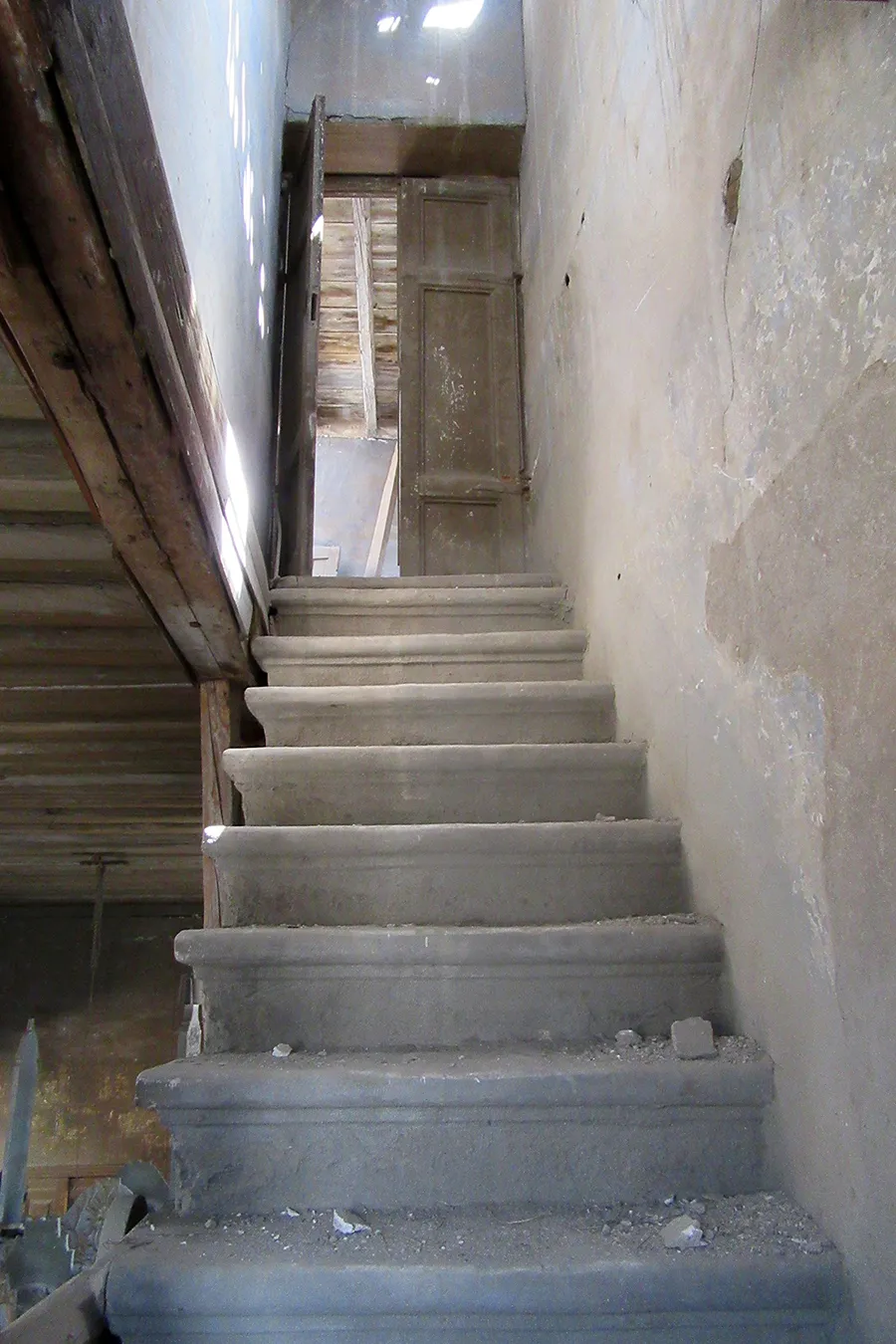
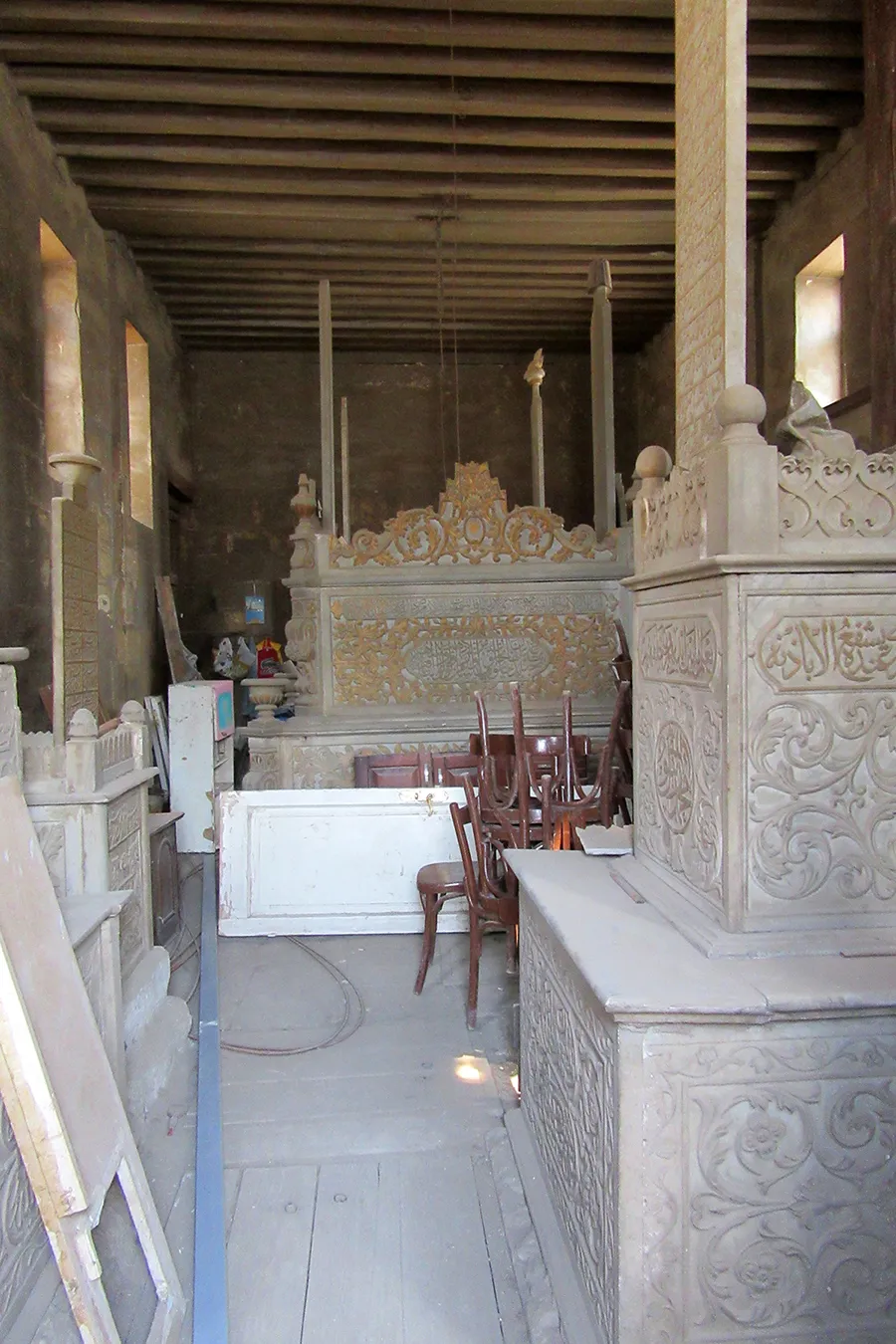
The ground floor of the building measuring ca 12.5 x 7.5 m is taken entirely by a single huge burial room that includes stone-built stairs leading to the upper floor. The room is accessed directly from the door in the middle of the front (western) façade, and from another door in the eastern end of the northern façade. The area north of the building, about 5.5 m wide, is bordered on the east and north by walls of well-dressed stone, possibly remnants of a onetime enclosure, with an arched doorway on the northern side. The eastern section of this area is covered by a wooden roof. In its north-eastern corner is a stone sabil with a single rectangular window flanked by colonettes and topped with a muqarnas frieze. The window and a marble inscription panel above it are framed by knotted mouldings. Over the sabil is a small room accessible via stone-built stairs by the eastern wall.
The complicated layout, with the eastern part of the northern wall of the main building recessed on the ground floor only, as well as a moulding on the western façade cut by the burial chambers windows, suggests that in its present form the unit is a result of remodelling and alterations to an earlier structure.
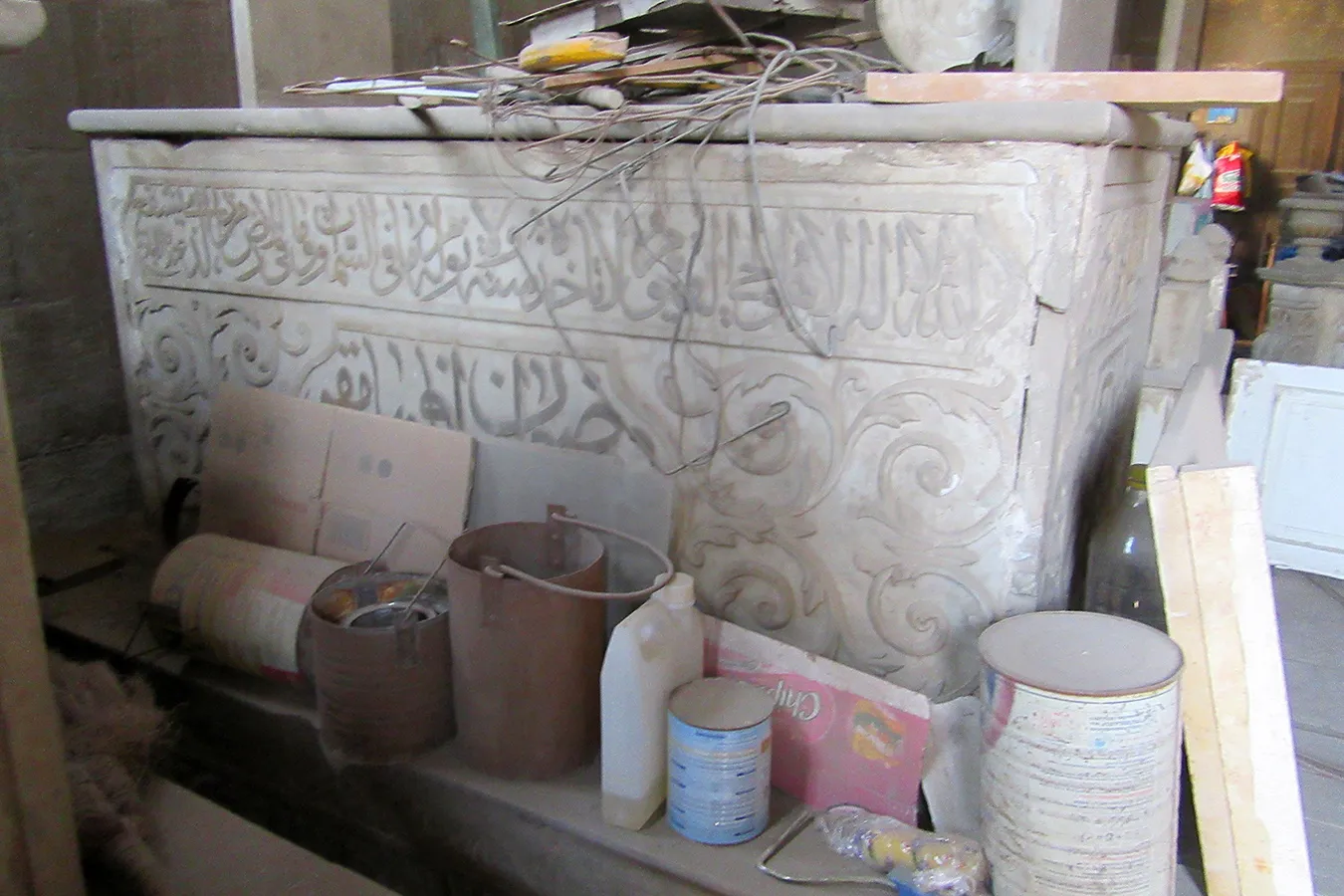
In the main burial hall are six very richly decorated marble cenotaphs. Inscriptions on some of them are in the Persian language. The earliest date in the inscriptions is AH 1297, which corresponds to AD 1862, and may be earlier than the building in its current form.
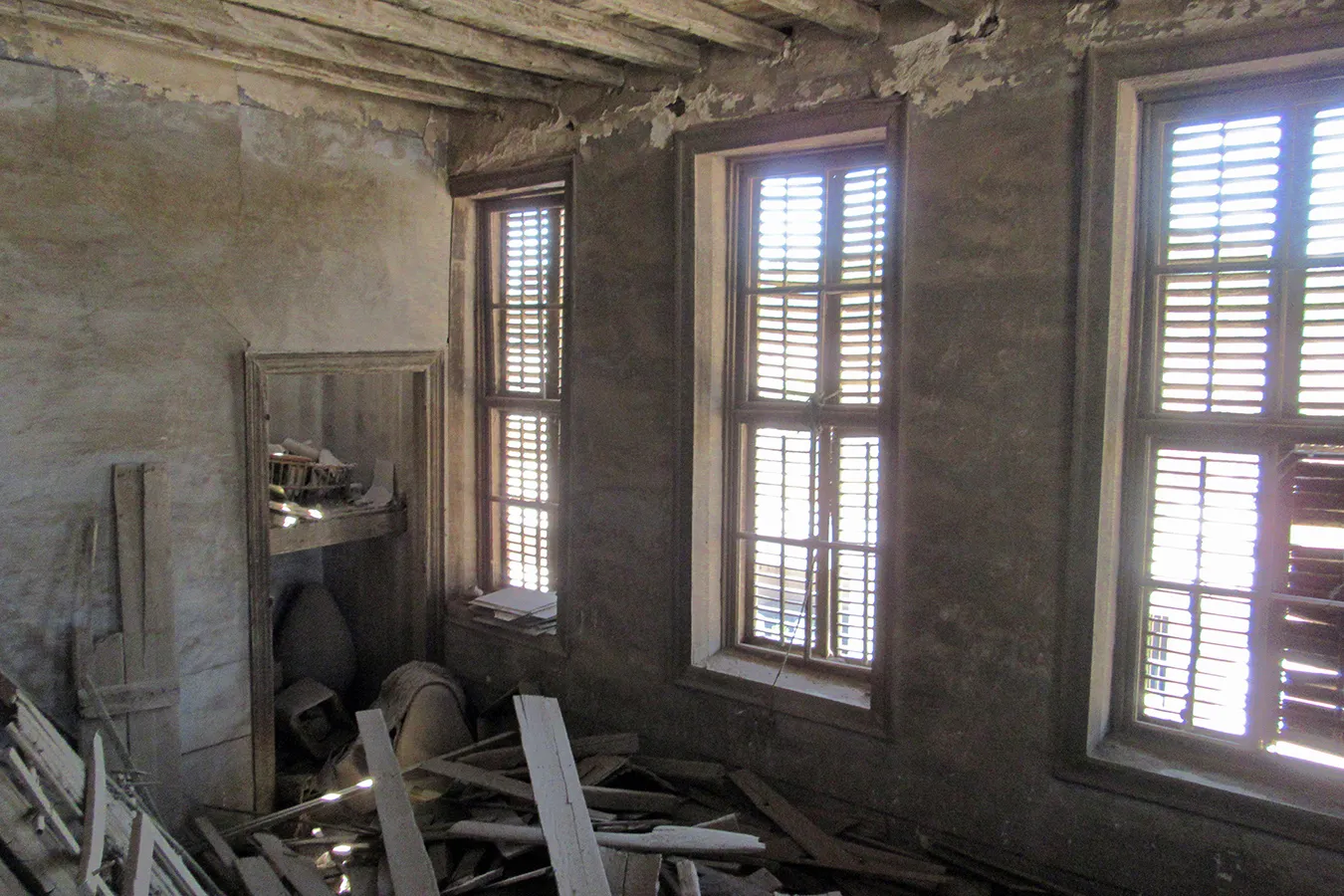
On the upper floor is a two-bedroom residential apartment. The entrance hall of the apartment leads to a service area through a narrow corridor including a kitchen and a toilet, and to a reception room facing west, from which the two bedrooms are accessed. The reception room has three huge rectangular windows in the western wall (i.e., the front façade), fitted with simple louvre shutters.
Condition of preservation
The enclosure is in generally fair structural condition, although some cracks in its walls indicate differential settlement of foundations. The roof over the upper floor is damaged, with some wooden beams missing. The upper floor is disused and dilapidated.
Information abut the founder, family history, etc.
According to the property keeper, the family, who visit every couple of years, own a cement company located in Cairo on the Nile Corniche Street close to the Wikalat al-Balah. They also mentioned that an MA dissertation that documented the building exists, but the keeper didn’t know the name of the scholar nor the university.
- Field recording by
- Amr Abotawila and Nur ‘Atiya
- Date recorded
- August 8, 2022
- Data entered by
- Yusuf Yassir
- Date entered
- May 16, 2024